Lund History: The Periods That Shaped the City
Lund history for visitors: the 12th-century cathedral and its 1425 clock, the 1666 university and the open-air Kulturen museum of everyday life.
On this page
Lund's history is best read as three layers stacked in one small centre: a medieval cathedral city, a university city founded in 1666, and a student town whose calendar still fills the parks. Almost everything that matters to a short-break visitor sits within a walkable core of cobbled streets and colourful houses, so an afternoon covers the headline periods. This guide ties each period to a specific place you can stand in, from the cathedral and its astronomical clock to the open-air museum at Kulturen.
Lund history in short: a cathedral city that became a university city
Lund is one of Sweden's oldest cities, founded almost a thousand years ago, and its historic centre is dominated by Scandinavia's oldest cathedral, a 12th-century building. That pairing of an old ecclesiastical centre with a modern, young population is the city's defining tension. If you have one afternoon, start at the cathedral and work outwards through the old core.
The medieval period left the street plan and the scale of the centre, while the university added the institutions, gardens and student rituals that shape a visit today. Because the distances are short, the periods stack rather than compete: you can see a 12th-century nave, a 17th-century garden and a 20th-century museum display within an easy walk. Budget half a day rather than a full one unless you plan to go into every exhibition.
Why Lund's medieval period still defines the centre
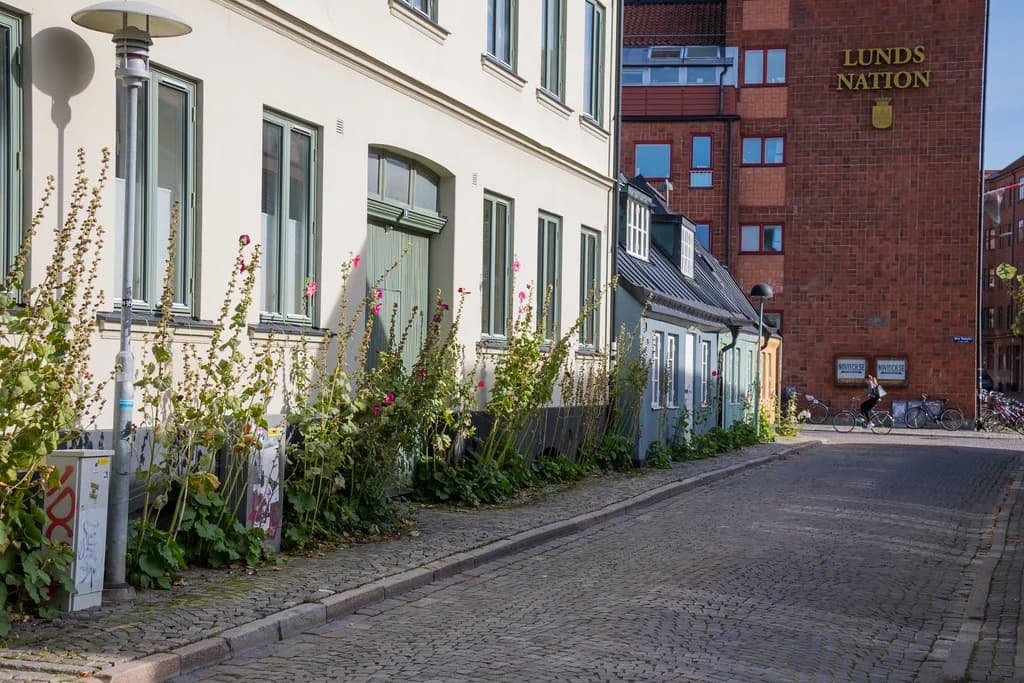
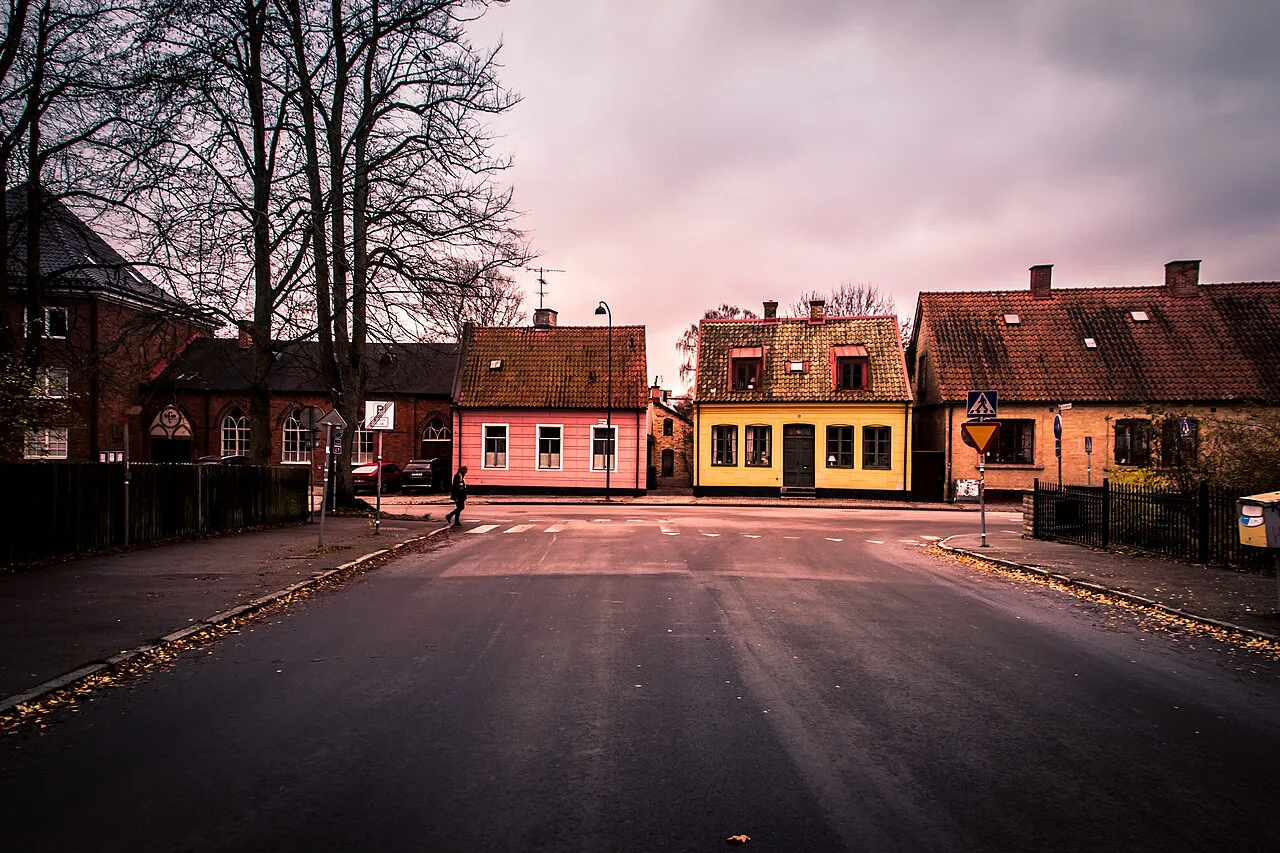
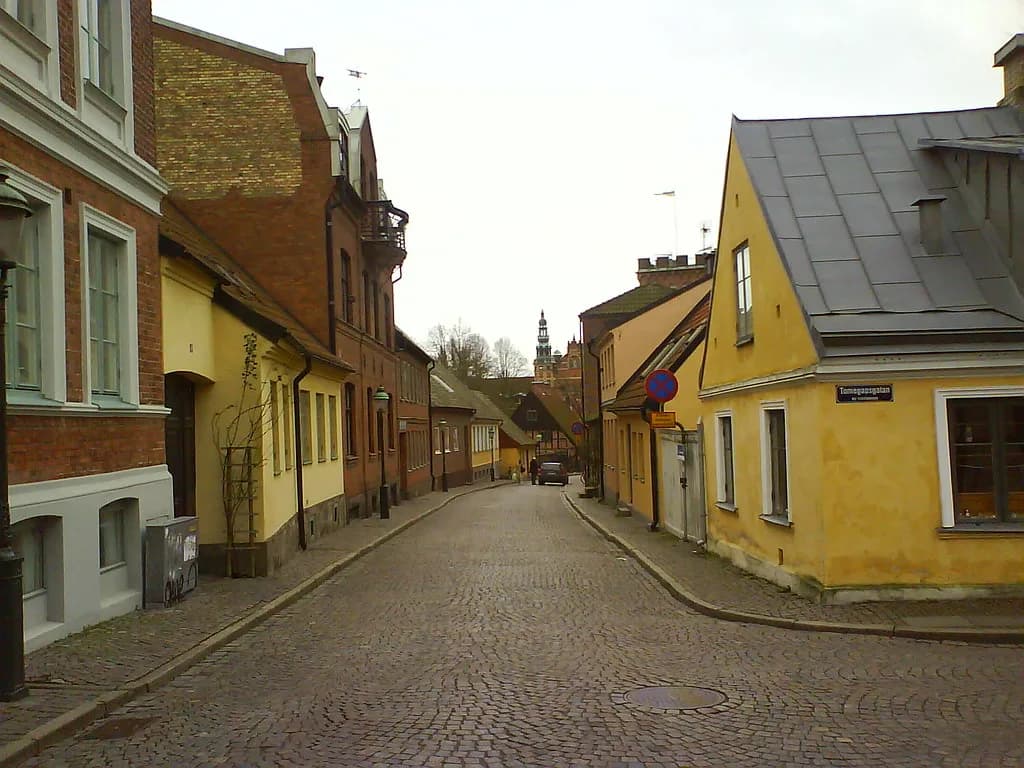
The old core is the medieval city, and you can still read it in cobbled streets, low colourful houses and a compact scale that assumes people walked everywhere. The cathedral is the anchor, and the streets around it give the centre its shape. Walking the core first, before any museum, makes the later history easier to place.
Lund's medieval standing is visible in the scale of the cathedral close: a small Scanian town carrying a building of European ambition. That early ecclesiastical role is why the centre still reads as a cathedral city rather than a grid of later streets. Trains from Copenhagen cross the Øresund bridge in well under an hour, which makes Lund an easy history stop on a wider trip.
Lund Cathedral: the 12th-century building and its 1425 astronomical clock
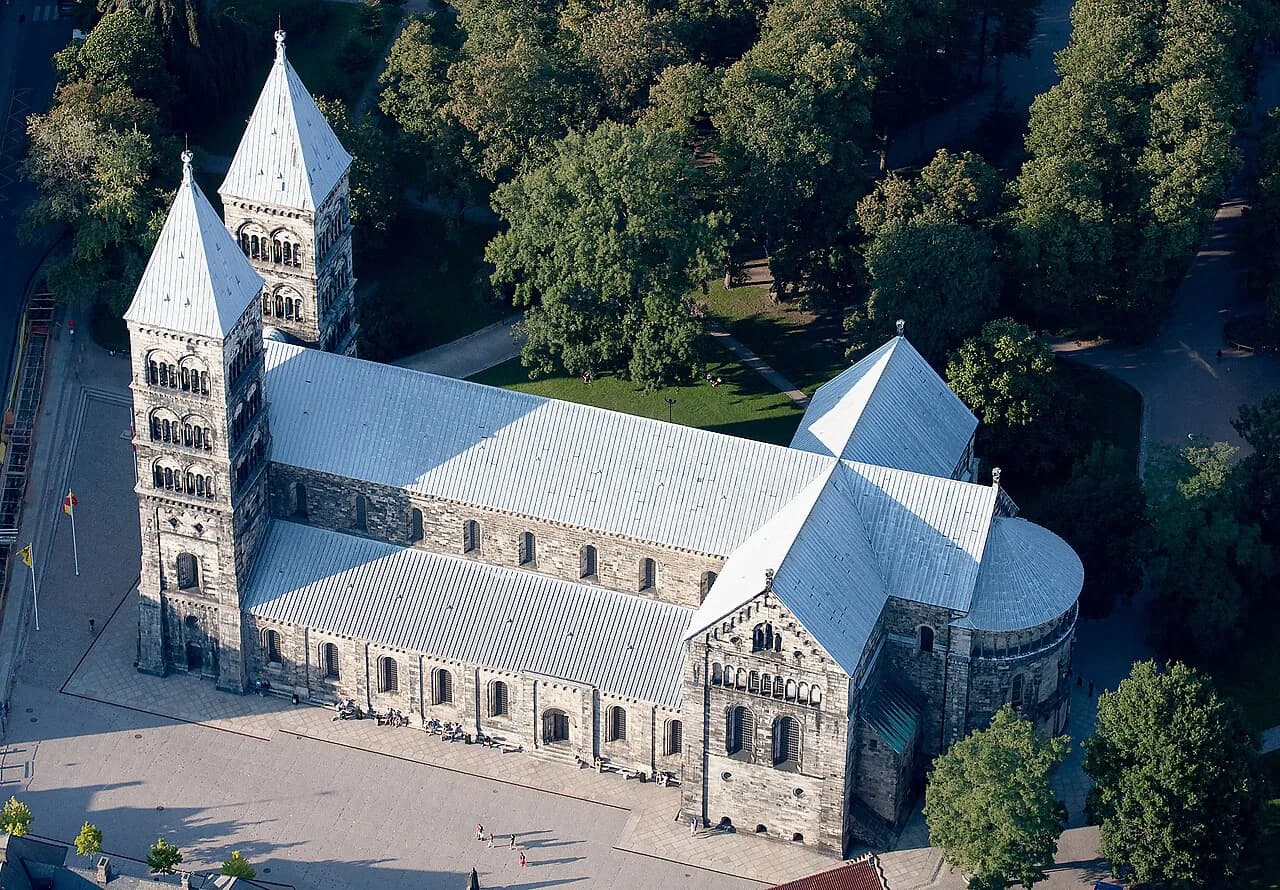
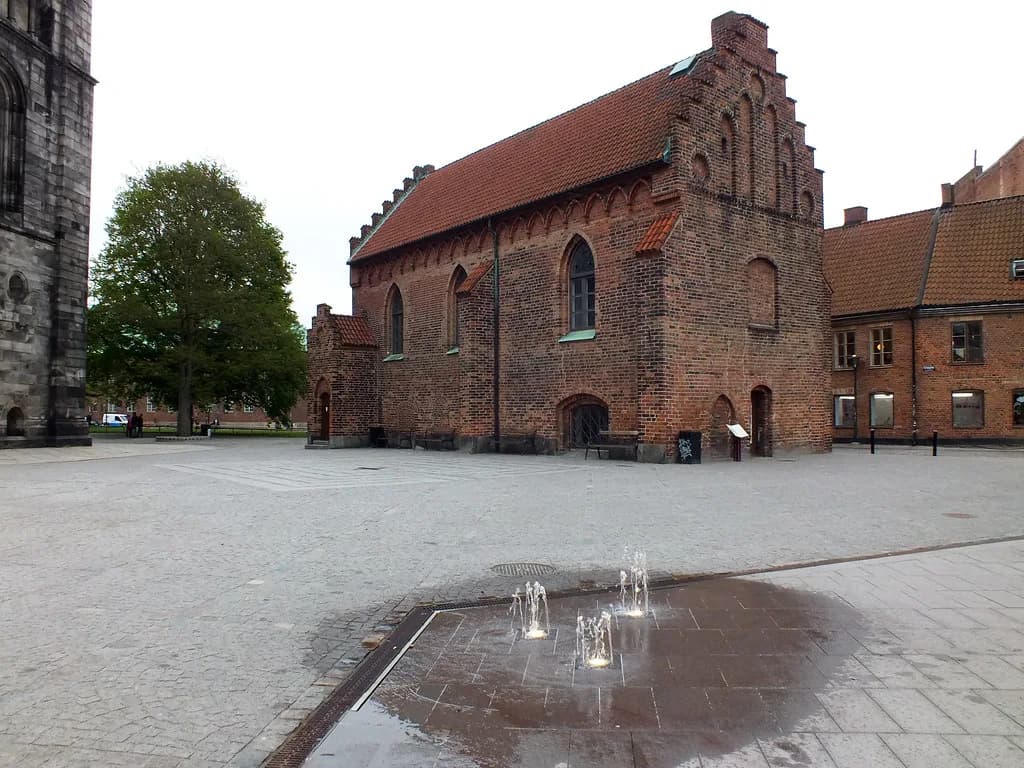
Lund Cathedral dates from the 12th century and houses an exceptional astronomical clock created in 1425, which displays the phases of the moon and the zodiac signs. Knowing that date matters: the clock is a medieval survival, not a Victorian novelty, so look for the astronomical dial rather than only the figures that move. The medieval church interior rewards a slow loop rather than a quick photo stop.
In summer, free guided tours run at the cathedral, which is the most efficient way to understand what you are looking at if you have limited time. Service times, tower access and any seasonal closures are separate questions from visiting the nave, so ask at the cathedral or check its own notices on the day. If you are building a church-focused itinerary, the cathedral can easily absorb an hour.
The 1666 university and how students shape the city today
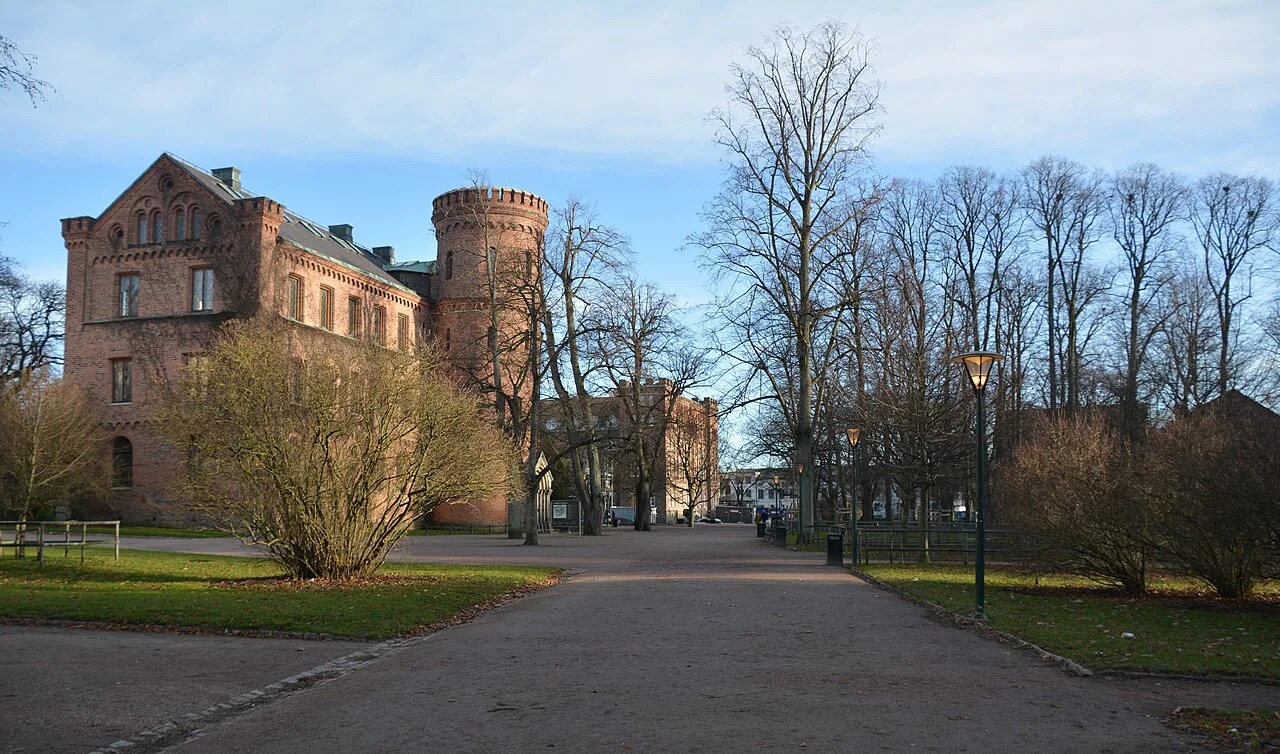
The university was founded in 1666 and is one of the best regarded in the world, drawing tens of thousands of students. That student population gives Lund an energy that a purely historic town would lack: bicycles, reading rooms and a busy calendar of traditions. For a visitor, the university is not a single sight but a presence that shapes cafés, parks and squares.
You will see the student city in the everyday fabric as much as in any monument, so plan to notice it between sights rather than queue for it. If your interests run to collections, the city's museums are the practical next step. The museum landscape is covered in our guide to museums in Lund.
Kulturen: the open-air museum that walks you through everyday life from the Middle Ages to the 1930s
Kulturen, in the heart of the city, is the clearest place to see how ordinary people lived, with exhibitions spanning the Middle Ages to the 1930s. Its open-air setting lets you go inside old houses rather than only look at objects in cases, which makes it the best single stop for social history. Allow more time than you think: the site is a cluster of buildings, not one gallery.
Pair Kulturen with the cathedral if you want the contrast between elite and everyday history in one day. If you are prioritising art over social history, Art in Lund covers the galleries worth your hours instead. Admission prices and opening days change through the year, so confirm them with the museum before you set your day around it.
Valborg on 30 April in Stadsparken and the student calendar
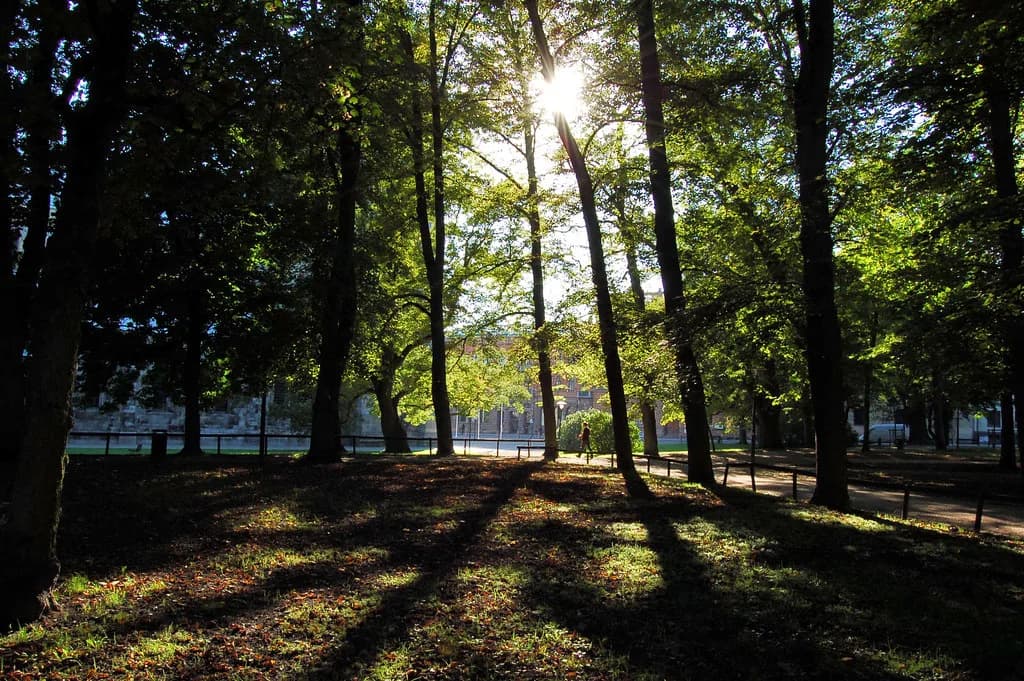
Valborg is celebrated every 30 April in Stadsparken, one of the festivals that makes the student calendar visible to visitors. If your trip overlaps, expect the park to be the centre of gravity and plan the rest of the day around it. If it does not, the same calendar still explains why the city feels young.
Specific start times and any ticketing for Valborg events are set year by year, so rely on the organiser or the university rather than an old itinerary. Outside the festival, the student presence shows in the rhythm of the streets: quiet mornings, busy afternoons and long evenings in the parks. Build your sightseeing around that pattern and the centre feels calmer.
The Botaniska Trädgården: a 17th-century university garden still growing
The Botaniska Trädgården first opened in the 17th century as a research park for the university and today holds more than 7,000 species of plants. It is the university's history made walkable: a garden that began as scholarship and is now a place for a stroll or a picnic. It suits the middle of a day when you want a break from stone and glass.
Fika works well here: pick up something from a café in the centre and carry it to the garden, which is one of the city's most relaxed green spaces. If you have already done the cathedral and Kulturen, the garden gives you the outdoor half of the city's history. Check seasonal opening before making it the anchor of an evening.
Reading Lund's history in its streets: cobbles, colourful houses and the old core
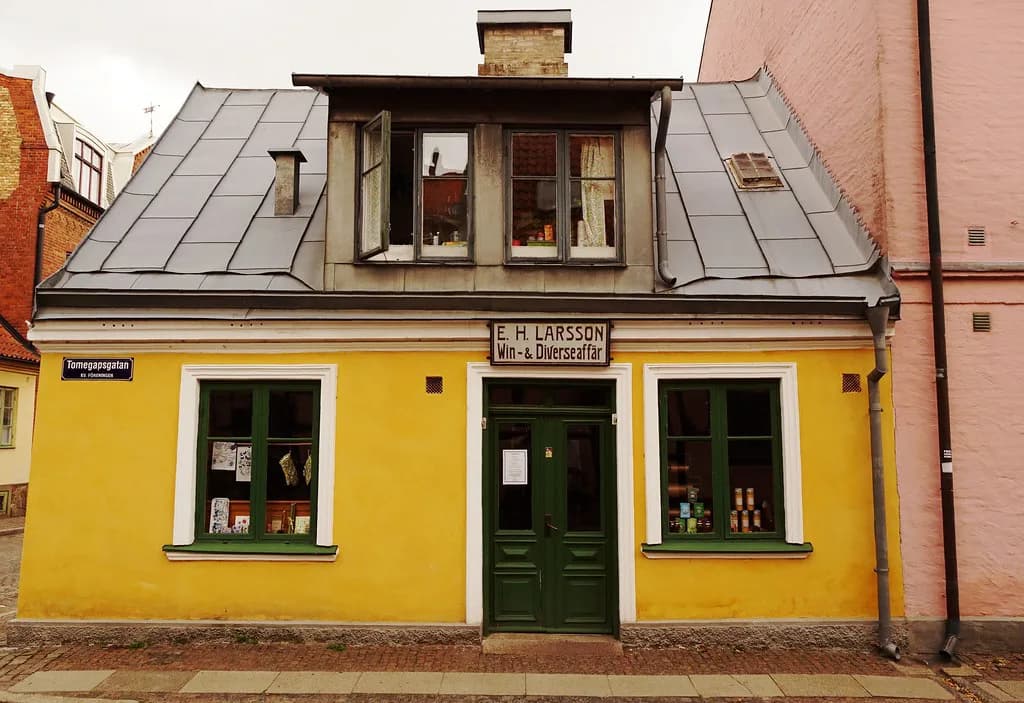
The most efficient history lesson in Lund is a loop through the old core: cobbled streets, colourful houses and the cathedral at the centre, with the university buildings threaded between. Walk it without a fixed route and you will cover the medieval plan, the university additions and the everyday city in one go. Wear shoes that cope with cobbles and give yourself an hour.
If you want a fortified footnote, Lund castles and palaces is a short, separate stop rather than a headline sight. Otherwise, keep the walk simple and let the streets do the work. Art in Lund makes a good indoor counterpoint if the weather turns.
Where to stop for fika between the historic sights
Fika is the Swedish pause for coffee and something sweet, and Lund's student population makes it a natural part of a sightseeing day rather than a detour. The Saluhall market is the place to sample local specialities, with Mannz Bageri and Patisseriet as named stops for a break. Use fika to split the day: cathedral and clock in the morning, bakery and garden in the afternoon.
How to spend one afternoon on Lund's history
Start at the cathedral to see the 12th-century building and the 1425 clock, walk the cobbled core, then finish at Kulturen for everyday life from the Middle Ages to the 1930s. That order gives you elite and ordinary history in one loop without doubling back. If you have a second day, add the Botaniska Trädgården and a Valborg date in spring.
Frequently Asked Questions
Is Lund worth visiting for its history alone?
Yes, if you want a compact medieval centre rather than a checklist of sights. The 12th-century cathedral with its 1425 astronomical clock, the university founded in 1666 and the open-air Kulturen museum together cover a thousand years within a walkable core, which suits a half-day or a single unhurried afternoon.
How many people live in Lund?
The university draws tens of thousands of students, which swells the city's population during term time, but the official resident count is best taken from Statistics Sweden or Lund municipality rather than a travel article. Population figures change every year, so check the current number if it matters to your plans.
Sources
Notes for your next Swedish city break
Optional updates to our Sweden guides.
You might also like
Continue reading
More guides you'll find useful