Things to Do in Stockholm: Islands, Museums and Neighbourhoods
Plan Stockholm by island and neighbourhood: Gamla Stan, Djurgården's museums, Södermalm and the waterfront, with walking routes and honest trade-offs.
On this page
If you have one day in Stockholm, spend the morning in Gamla Stan and the afternoon on Djurgården, because those two islands hold the sights most first-time visitors come for and a single ferry hop connects them. If you have two or three days, add Södermalm and the Östermalm waterfront and you have covered the city's core. This guide groups things to do by island so you can build walking days rather than zig-zag across the water, and it flags which sights are seasonal, which need booking and which you can reasonably skip. If you are weighing a second Swedish city, our guide to the things to do in Gothenburg applies the same neighbourhood-by-neighbourhood approach.
How Stockholm is laid out across its islands
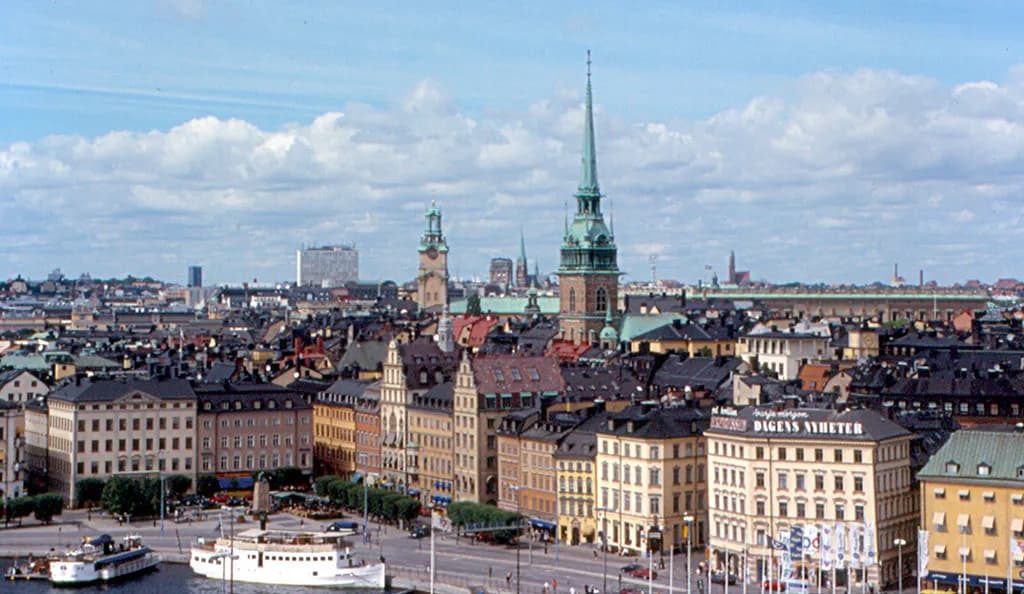
Central Stockholm sits on a group of islands, and that geography is what makes or breaks a short trip. Gamla Stan is the small old-town island in the middle; Djurgården lies to the east and holds the biggest concentration of museums; Södermalm rises to the south with viewpoints back over the water; Östermalm and Kungsholmen flank the northern side. The practical consequence is that you should plan each day around one or two neighbouring islands, not around a list of sights that scatters you across the map.
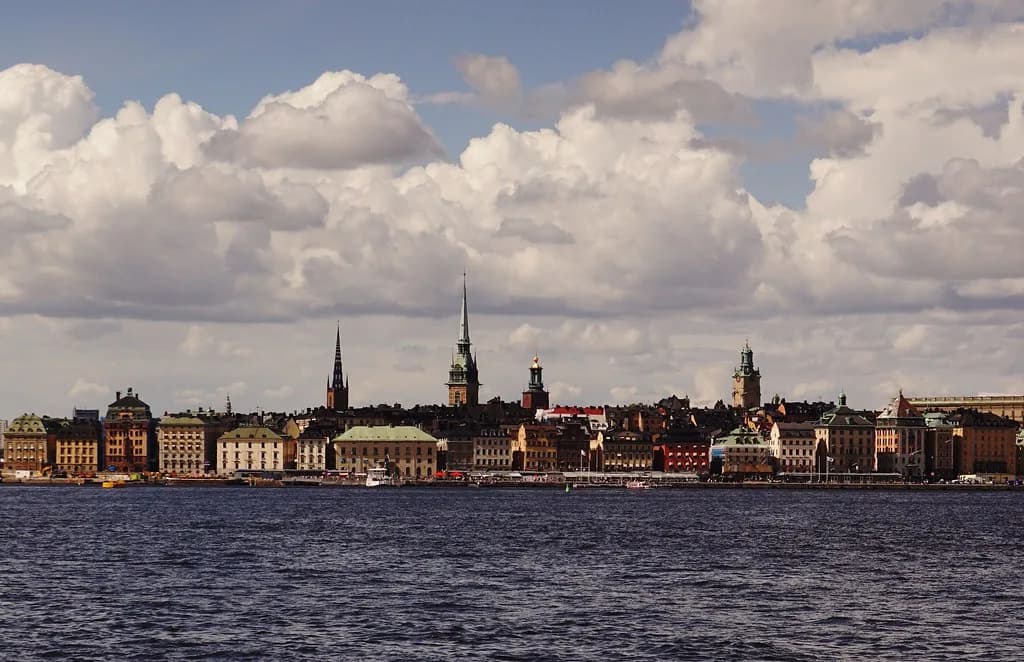
The old town was founded on what is now Gamla Stan, and the city grew out from that island across its surrounding water. Most of the classic sights sit within walking distance of each other once you accept a bridge or ferry crossing between clusters. A guided walking tour can be a useful first morning because it stitches the islands together in your head before you start choosing museums.
Gamla Stan: Stortorget, the Royal Palace and Mårten Trotzigs Gränd
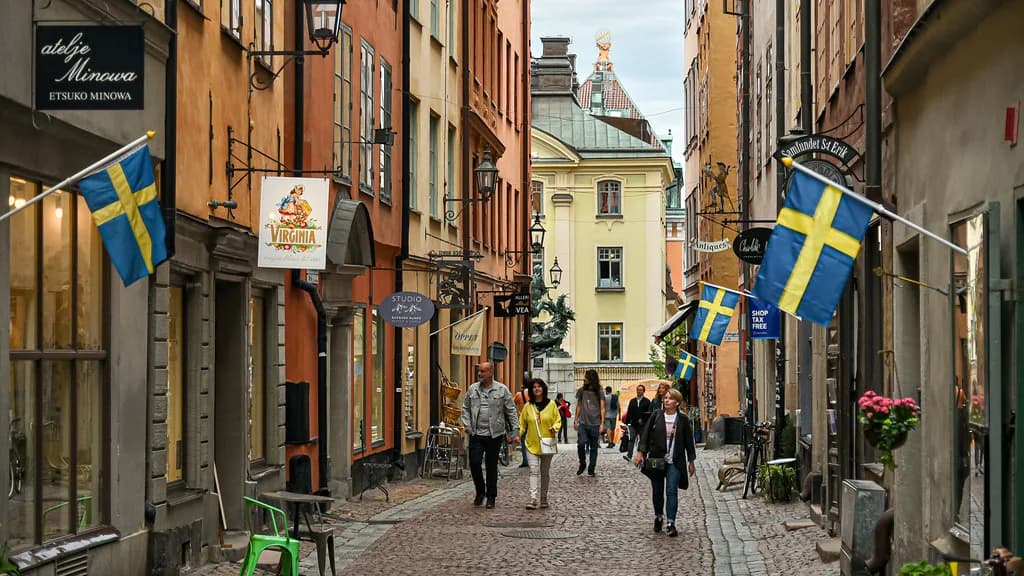
Gamla Stan is where most visitors start, and Stortorget is the square to aim for: the surrounding houses in green, red and yellow are among the most photographed buildings in Sweden. From there you can reach Stockholm Cathedral, the Nobel Prize Museum and the Royal Palace on foot within minutes. The Royal Palace is one of Europe's largest, with more than 600 rooms across eleven floors including the royal apartments and three history museums, and it is open all year round.
One of the oddest sights on the island is Mårten Trotzigs Gränd, Stockholm's narrowest street, a 36-step alley only 90 centimetres wide. It has no signposts, so find it on a map before you go hunting. Allow the old town a half-day rather than an hour: the pleasure is in the winding lanes rather than in ticking off the cathedral and palace in sequence.
Djurgården: choosing between the Vasa Museum, Skansen and the history museums
Djurgården is where you have to make real choices, because you cannot do all of its museums properly in one day. The Vasa Museum is the standout for most visitors: the warship sank in 1628 on its maiden voyage and was raised from the harbour in the 1950s, and over 95 per cent of the ship is original, which is why it lands so hard even on people who expected to be bored. If you see only one museum in Stockholm, make it this one.
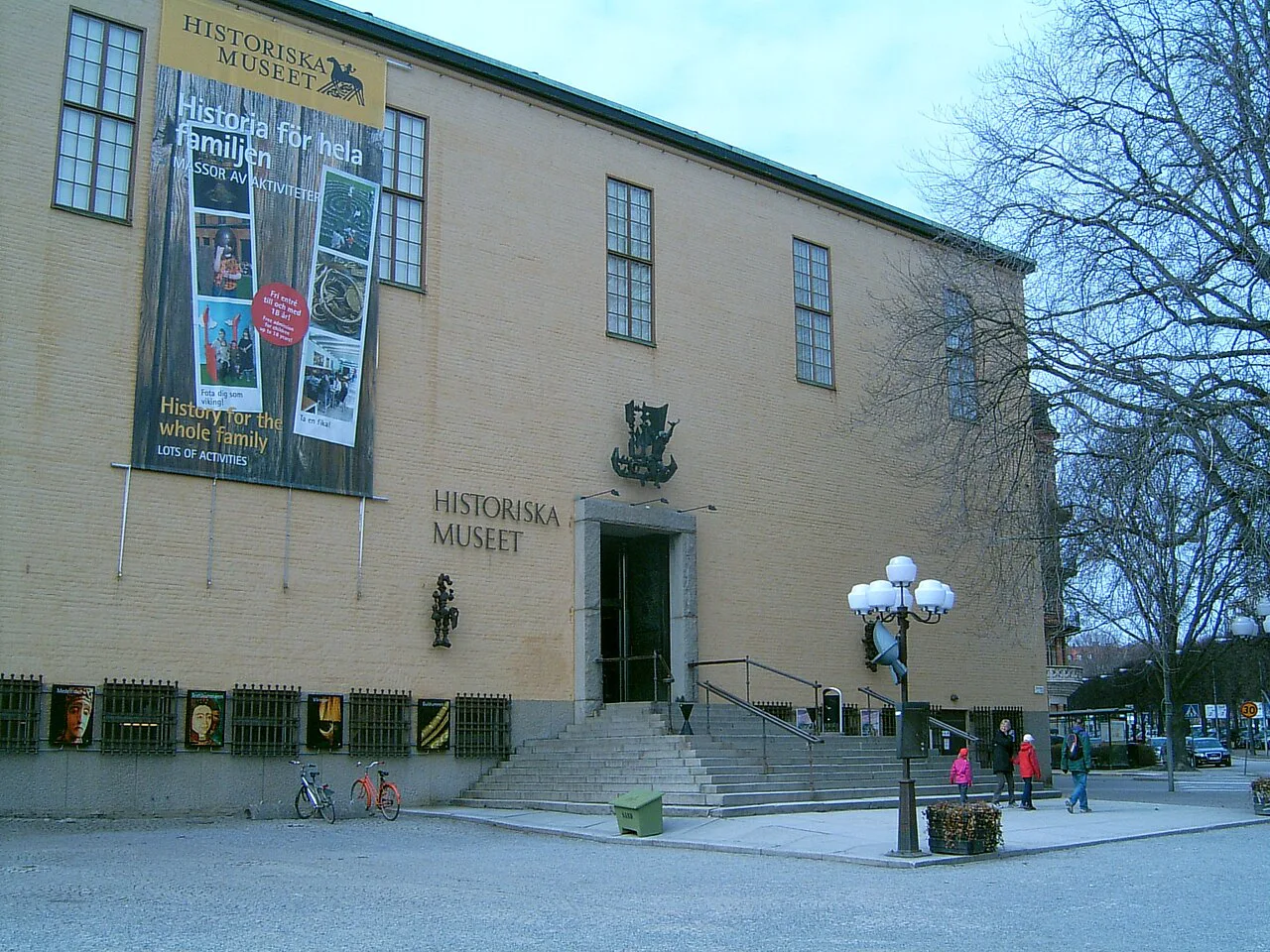
Skansen, the open-air museum on the same island, spreads historic buildings and animals including reindeer across a large site; note that many buildings cannot be entered in the colder months, so it is more of a stroll than a full museum visit outside summer. The Nordic Museum covers Nordic culture and holidays, while the Swedish History Museum leans on art and artefacts and is especially strong on the Viking period. Pick one history museum alongside the Vasa rather than trying to fit both.
If you want a second maritime museum next to the Vasa, a combination ticket covers Vrak – Museum of Wrecks a short walk away, though it is a much smaller proposition and better suited to children than to adults expecting another Vasa. The Viking Museum, Vikingaliv, explains the Viking era rather than displaying many original artefacts, so it adds little if you have already read up on the period.
Södermalm: SoFo streets, Fotografiska and the viewpoints
Södermalm is the neighbourhood to give a few unhurried hours, especially the SoFo quarter with its boutiques, galleries, record shops and vintage clothing. Mosebacke, the design district on the island, is where newer designers and musicians cluster. Fotografiska, the photography museum on the Södermalm waterfront, is a strong pick even if you think you are not a photography person.
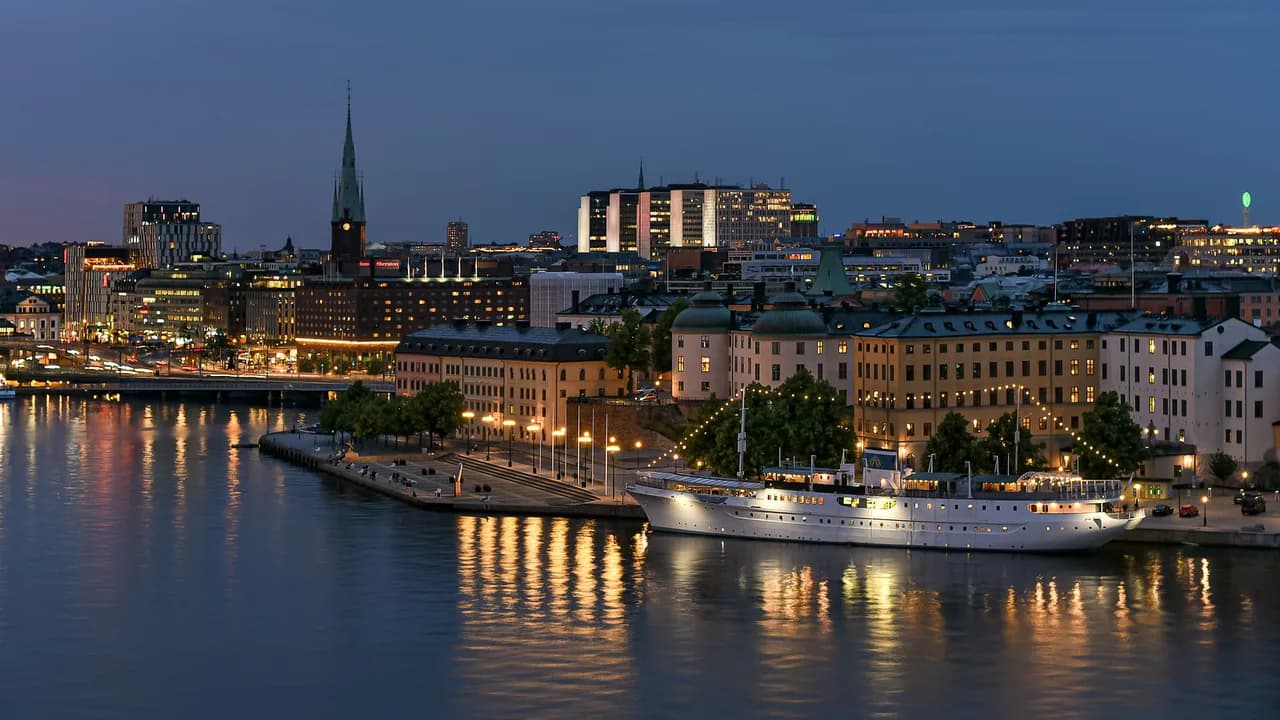
Södermalm also works as a viewpoint island: the heights above the water look straight back at Gamla Stan and the Royal Palace, which is the photograph most people want from Stockholm. It is worth crossing simply to see the old town from a distance after walking it up close. The streets here are also a natural place for a fika pause, with plenty of cafés in the blocks behind the waterfront.
Östermalm and Strandvägen: the Saluhall and the waterfront walk
Östermalm is the most polished part of central Stockholm, and Strandvägen is its grand waterfront promenade, lined with handsome buildings and looking across to Djurgården. Walk it one way and you have a pleasant route between the city centre and the museum island instead of a tunnel-bana hop. Östermalms Saluhall, the historic food hall, is the natural stop for lunch or provisions.
Östermalm is also the city's main shopping district, and Birger Jarlsgatan runs through it. If shopping is on your list, treat it as a separate half-day rather than folding it into a museum day; the two don't mix well when time is tight.
Kungsholmen: the City Hall and its tower
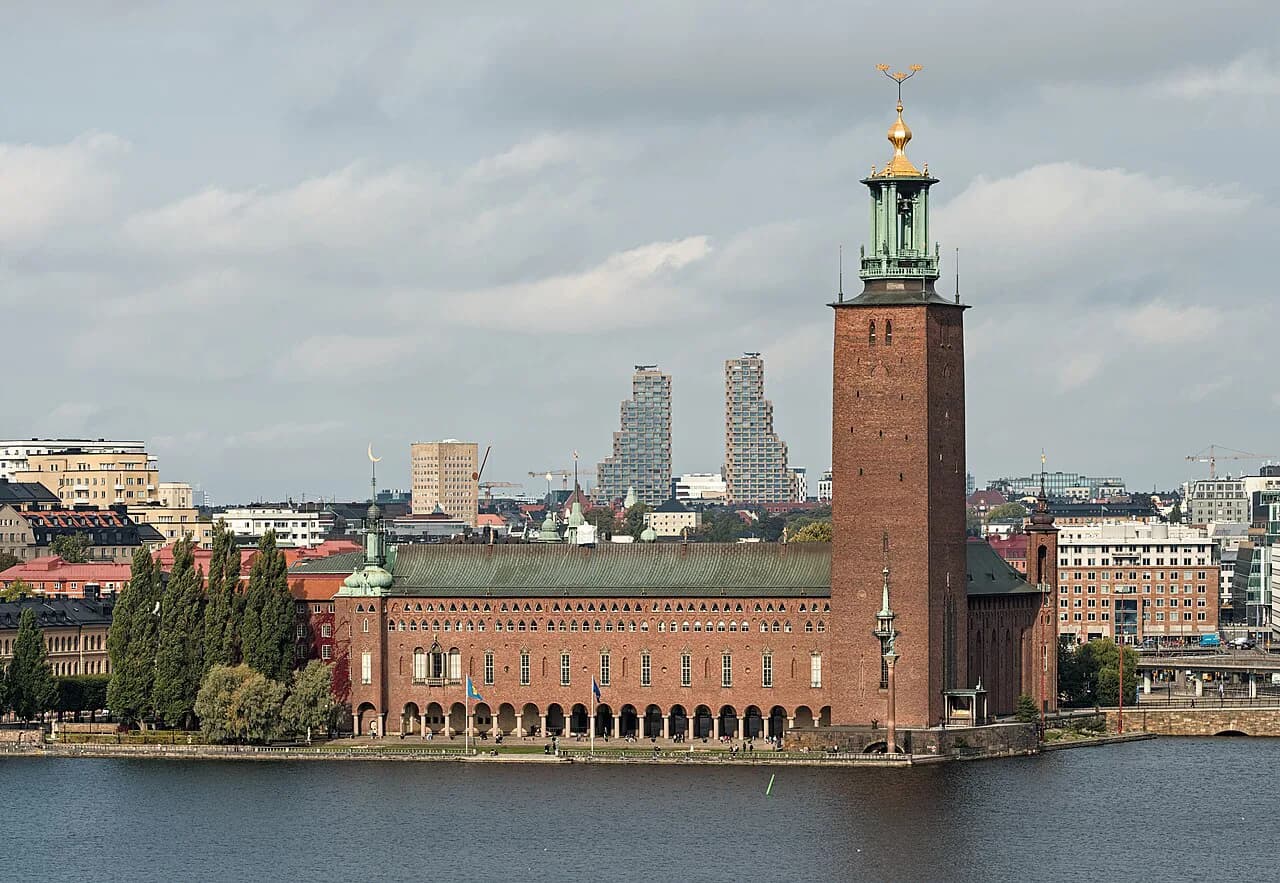
Stockholm City Hall on the eastern edge of Kungsholmen is hard to miss, with its 106-metre tower topped by the Three Crowns. Inside, the Blue Hall is the banquet room for the annual Nobel Prize ceremony. The tower has been open only from May to September on at least one visitor account, so treat tower access as a summer possibility and confirm the current arrangement before building a day around it.
Moderna Museet and Skeppsholmen
Moderna Museet, the modern art museum on the small island of Skeppsholmen, is a short walk from the Nationalmuseum area and pairs well with Gamla Stan across the water. The island itself is quiet and green, which makes it a good decompression stop between heavier museums. If contemporary art is not your thing, Skeppsholmen is still worth crossing for the walk and the views back at the old town.
Skeppsholmen sits between Gamla Stan and Djurgården, which means it can be slotted into either day without much detour. Treat it as a bridge rather than a destination: 45 minutes of walking and one museum room is often enough.
Boats and the water: ferries and sightseeing from the water
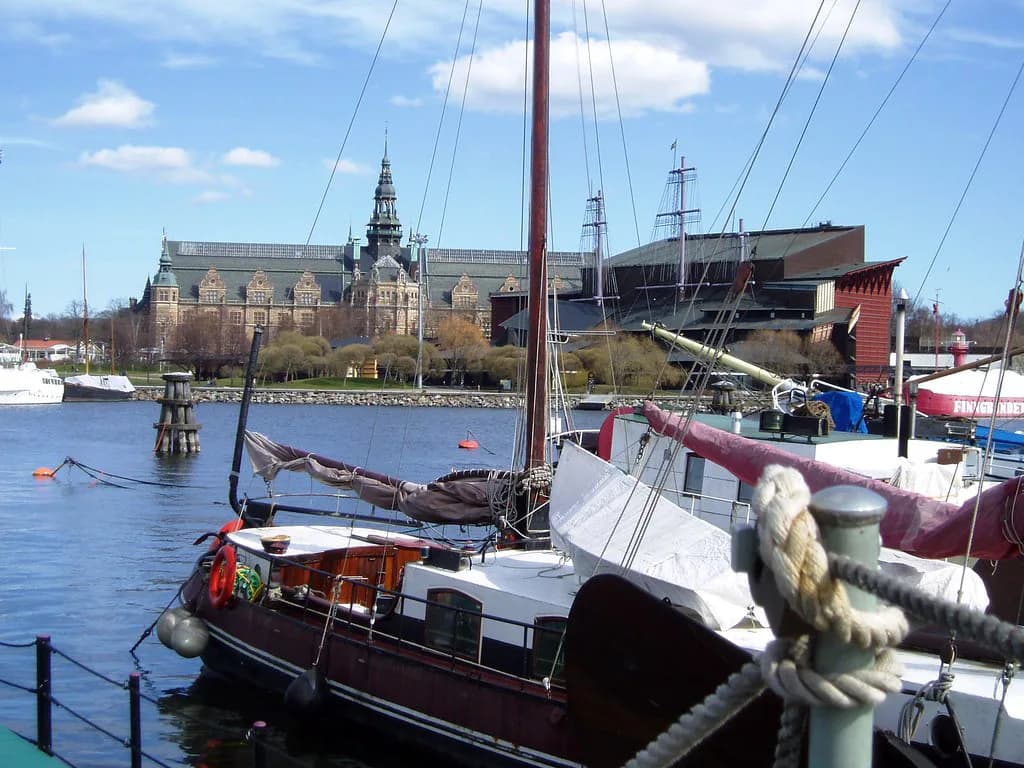
Stockholm is a water city, and a boat trip gives you the skyline from an angle the streets cannot. Ferries connect the central islands and are the practical way to reach Djurgården from the old town, so you get a short crossing as part of your day without booking anything. Longer sightseeing routes, including the classic under-the-bridges circuit, show you the city from the water and are worth a half-day if the weather is kind.
If you would rather move under your own power, cycling is a realistic way to cover the flat parts of Djurgården and the waterfront. Rent a bike for a morning rather than for the whole trip: the central islands are compact enough on foot, and a bike becomes a liability in the crowded old town lanes.
Parks and green space: Kungsträdgården and Ekoparken
Kungsträdgården, known locally as Kungsan, sits in the centre on the site of the former royal gardens and works as a pause between Gamla Stan and the shopping streets. In summer it fills with outdoor cafés and events. Ekoparken, the green belt that runs through Djurgården and beyond, is the escape when the museums have filled your head.
Fika: kanelbullar and the coffee habit
Fika is the Swedish habit of stopping for coffee and something baked, and in Stockholm the kanelbulle is the obvious order. It is a small custom rather than a sight, but it is the easiest way to break up a walking day and to sit down in a neighbourhood you would otherwise only pass through. Build one fika stop into each afternoon rather than chasing a list of cafés.
How many days Stockholm needs: one, two or three
Three days is not too much for Stockholm; it is about right for the core plus one slower day. One day: Gamla Stan in the morning, ferry to Djurgården and the Vasa Museum in the afternoon. Two days: add Södermalm and Fotografiska, then walk Strandvägen back in the evening. Three days: add Skeppsholmen's Moderna Museet, the City Hall exterior and a boat trip, and you have covered the city without rushing.
The wandering is the point in Gamla Stan and Södermalm, so a walking tour on day one pays for itself by making the following days more efficient. Beyond three days, the sensible additions are day trips rather than more central museums; Uppsala and Gamla Uppsala make the obvious short rail hop.
Money: ticket prices and whether a city card pays off
Prices in Stockholm are high, and the numbers move, so check the venue's own site on the day you book. One traveller's account gives adult palace tickets at roughly 18 euros and youth tickets at roughly 9 euros, but that is a euro figure reported from a visit rather than an official kronor price, so treat it as a rough scale and confirm the SEK rate at the ticket desk. The Stockholm City Museum is one exception worth knowing: it charges no admission, which is rare in this city.
The Go City Stockholm Pass appears in visitor accounts as a way to bundle entry to major sights, and it includes the Royal Palace on at least one of those accounts. Whether it pays off depends on how many of the included museums you would actually visit in a day; three or more paid entries and it usually does, one or two and it does not. Do the sum against the individual ticket prices before you buy.
What to skip on a short trip, and why
Skip anything that forces a long crossing for a single small sight. Vrak is the clearest example: it is a short walk from the Vasa and a combination ticket covers both, but it is small compared with the ship and rarely worth the time on a two-day trip. The Viking Museum is another one to drop if you already know the period, because it explains rather than displays.
Skip the temptation to do every Djurgården museum in one day. Skansen alone can swallow half a day in summer, and pairing it with the Vasa and a history museum leaves no room for the walking that makes the island pleasant. Choose two, walk the rest of the island and leave the third for a return visit.
Which island gets your first morning?
Start in Gamla Stan on your first morning, because the old town sets the geography for everything else and gives you the photograph of the city before you disappear into museums. Then choose between Djurgården and Södermalm for the afternoon based on whether you want the Vasa and Skansen or the viewpoints, the shops and Fotografiska. If you have a third day, add the boat trip and Skeppsholmen, and leave the City Hall tower for a summer visit when it is open.
Explore more Stockholm guides
- Cafés in Stockholm
- Gamla Stan
- Parks in Stockholm
- Shopping in Stockholm
- Stockholm Archipelago
- Stockholm Architecture
- Stockholm Bike Rental
- Stockholm Boat Tours
- Stockholm Food Halls
- Stockholm Walking Tour
- Vaxholm: Stockholm's Archipelago Town in a Day
- Best Views in Stockholm
- Free Things to Do in Stockholm
Frequently Asked Questions
Is three days in Stockholm too much?
No. Three days covers Gamla Stan, Djurgården, Södermalm and a boat trip at a comfortable pace. If you have more than three days, add a day trip rather than more central museums.
What are the best day trips from Stockholm?
Uppsala and Gamla Uppsala are the obvious short rail hop and give you a cathedral and Viking-era mounds in a day. Beyond that, the archipelago and the lake towns are worth considering, but each needs a full day.
Sources
Notes for your next Swedish city break
Optional updates to our Sweden guides.
You might also like
Continue reading
More guides you'll find useful