Things to Do in Malmö: What to See in One, Two or Three Days
Plan your Malmö city break by area: the old town, Malmöhus Castle, Västra Hamnen and the Turning Torso, Slottsparken, the market hall and a fika stop.
On this page
Malmö fits comfortably into one full day if you stick to the old town, and rewards a second day if you want the waterfront, the parks and Möllevången as well. Nearly everything worth seeing sits within about 25 minutes on foot of the central station, with Västra Hamnen as the one section worth a longer walk or a short ride. This guide groups sights by area so you can build days without backtracking, and flags which stops cost money and which are simply streets and squares.
What Malmö is known for, and how the pieces fit together
Malmö is Sweden's third-largest city, and its reputation rests on the contrast between a low, medieval core and the futuristic Western Harbour built on former shipyard land. The compact historic centre means you can cover the headline squares, the cathedral and the castle in a morning rather than a day. That contrast — fourteenth-century streets on one side of the canal, a twisting residential tower on the other — is the reason the city photographs well and surprises people who expect a smaller Copenhagen.
Practically, the city arranges itself in three bands. The old town between the station and the Triangeln stop holds the squares, Sankt Petri Kyrka and the main shopping streets. East and south of it lie Malmöhus Castle and the adjoining parkland with the city garden and the museums. North-west, past the canal, is Västra Hamnen and the Turning Torso, with Ribersborg's long grass beach running north of it.
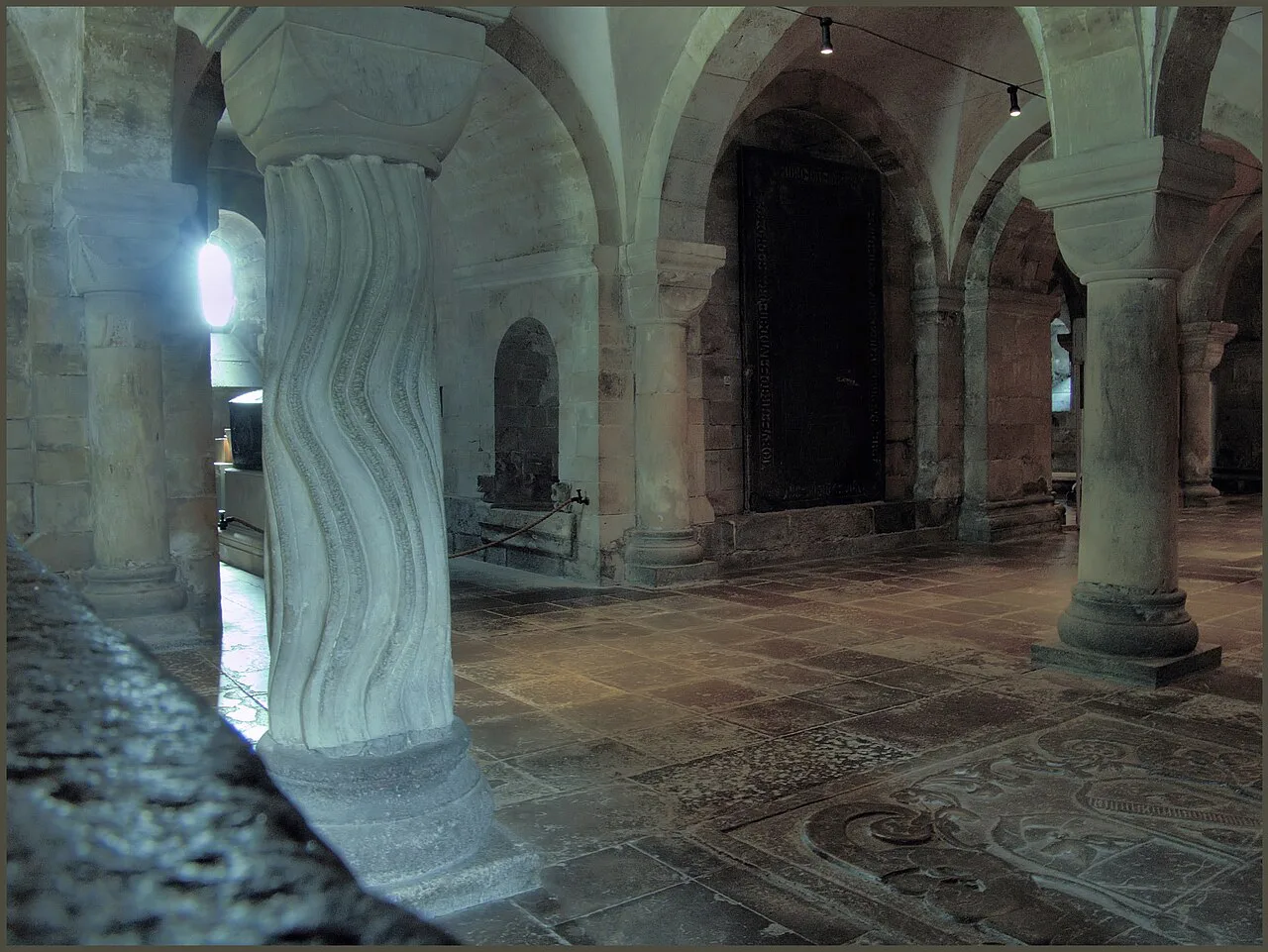
How Malmö is laid out: Gamla Staden, the canal, Västra Hamnen and the parks
Gamla Staden is the historic core, ringed by a canal that separates it from Slottsparken and the castle grounds to the east. Walking from Malmö Central Station, you cross the canal almost immediately and are in the old town within a few minutes, which makes the station a genuinely useful orientation point rather than somewhere you need transport from.
Västra Hamnen is the outlier. It is a reclaimed dockland district with wide wooden piers, waterside cafés and the Turning Torso as its centrepiece, and it has a noticeably breezier, newer feel than the old town. Because it sits beyond the canal to the north-west, treat it as half a day or a late-afternoon walk rather than something to slot between old-town sights.
The green spaces do most of the connecting. Slottsparken and the adjoining city garden sit directly across the canal from the old town, and the Ribersborg shoreline runs north of the Western Harbour. Folkets Park, in the Möllevången area, is the one major green space that needs a deliberate detour south-east of the centre.
Start in the old town: Stortorget, Lilla Torg and Jakob Nilsgatan
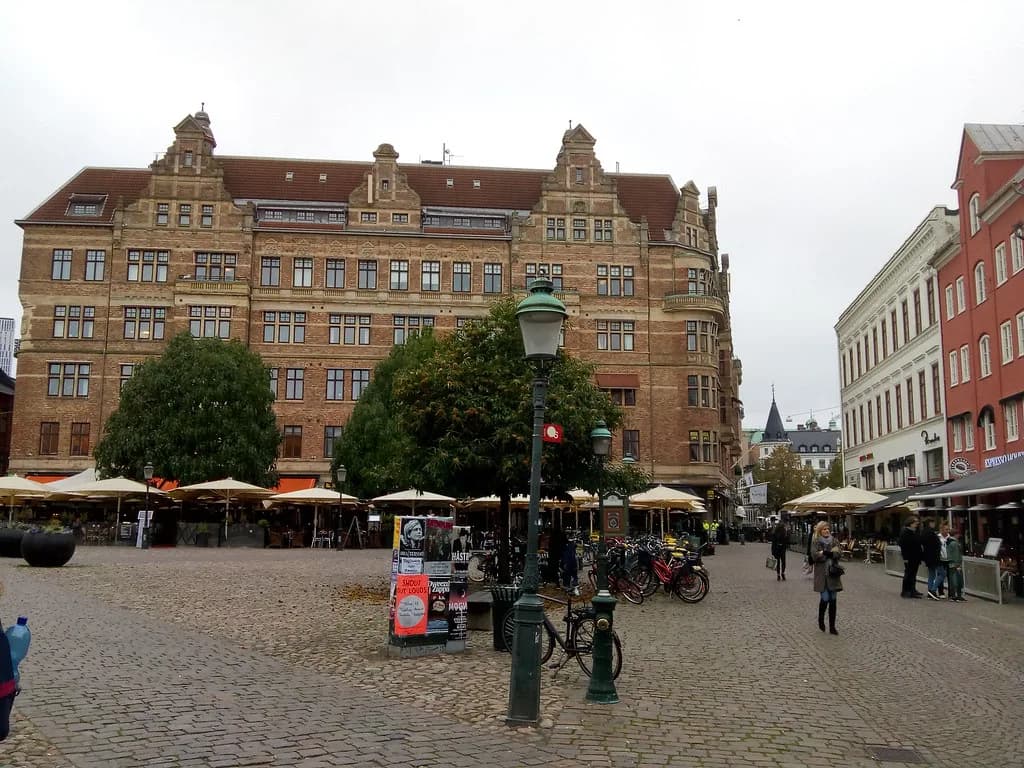
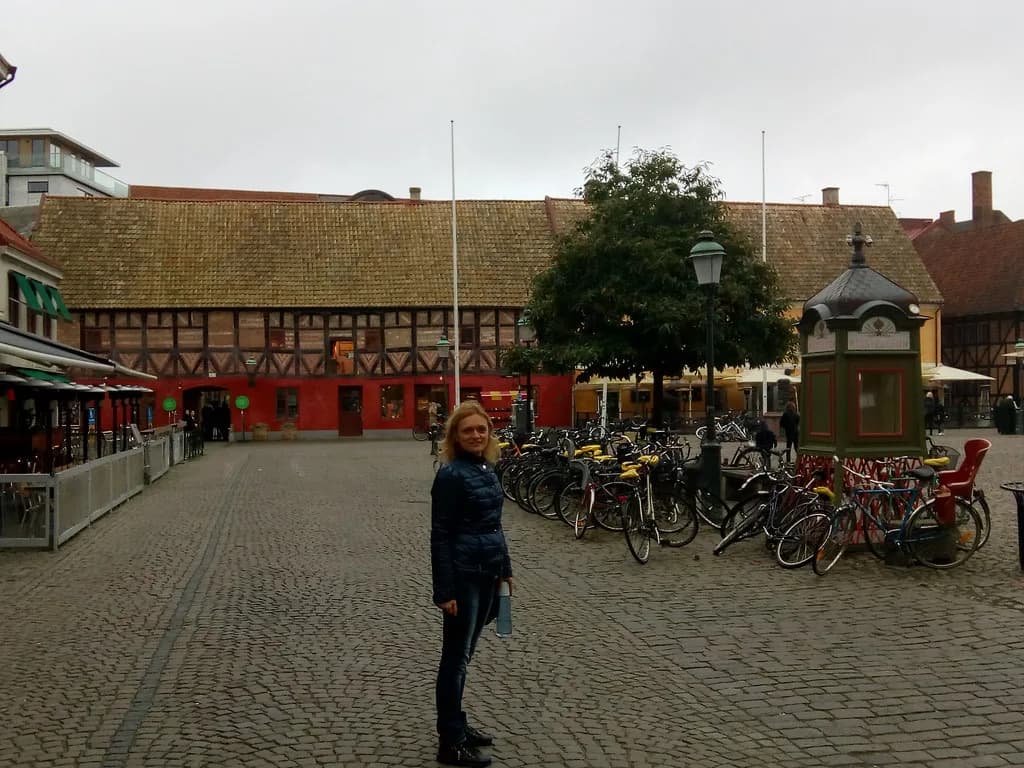
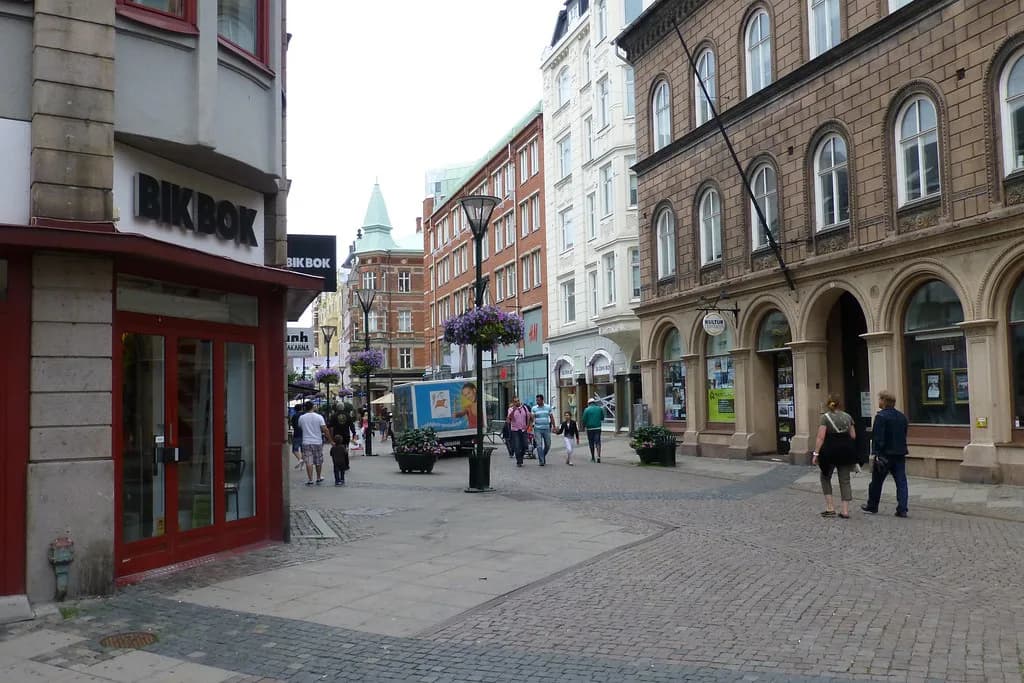
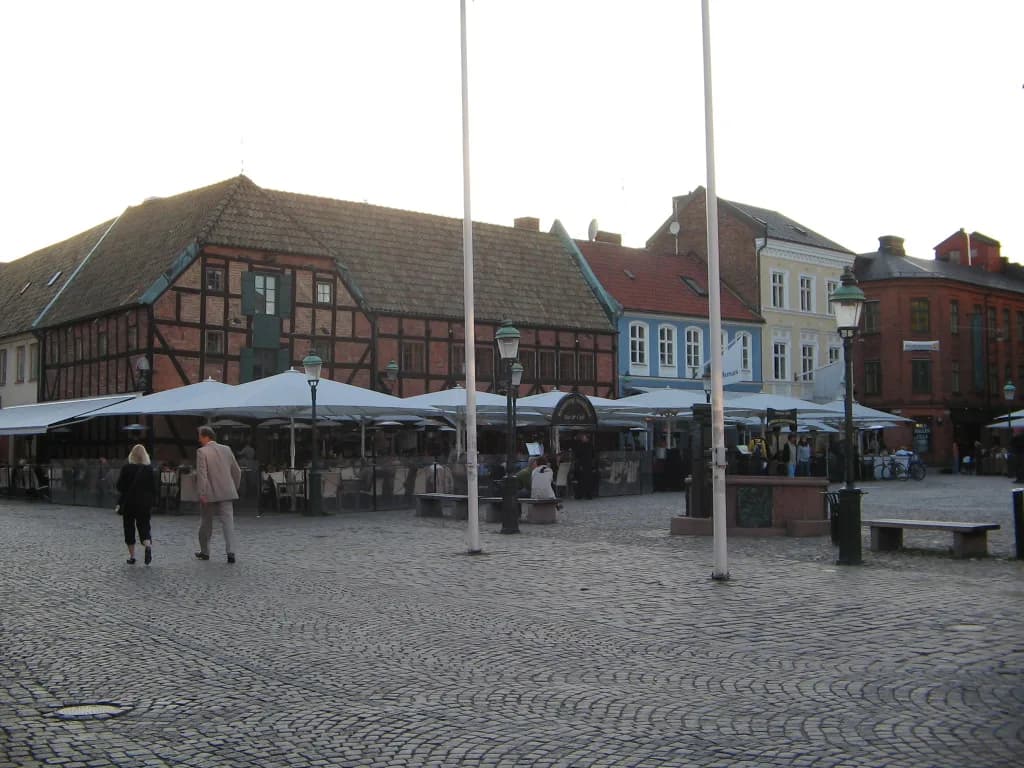
Begin at Stortorget, the large main square, then walk the two minutes to Lilla Torg, the smaller cobbled square lined with older buildings and outdoor seating. The two together give you the range of the old town in a single loop: the formal civic square on one side, the intimate, café-facing one on the other. Jakob Nilsgatan is the street to add if you want a sense of the half-timbered and low-rise buildings that survive between the grander nineteenth-century blocks.
The old town is small enough that wandering beats a checklist. Streets between the station and Triangeln mix centuries-old one-storey houses with imposing nineteenth and twentieth-century buildings, and that layering is the actual pleasure of the district rather than any single facade. If you are covering it on a bike, the flat streets and short distances make the centre easy to loop.
The compact old town is also where the honest trade-off appears. It is charming and quick to walk, but it is not large, and a visitor expecting a big historic quarter will have seen it in a couple of hours. That is the argument for pairing it with the castle, the parks or the waterfront rather than stretching it out.
Sankt Petri Kyrka and the streets between the station and Triangeln
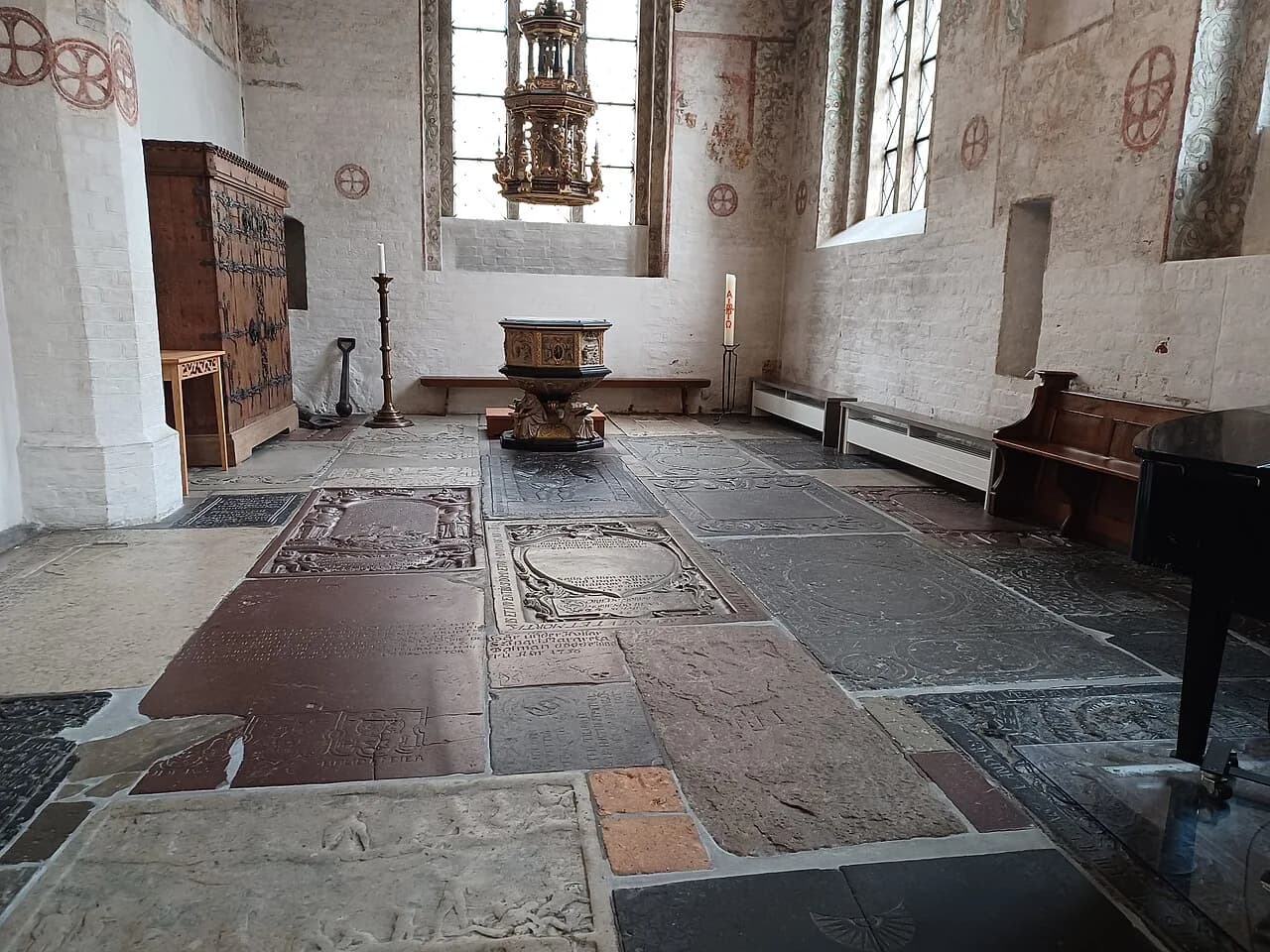
Sankt Petri Kyrka, Saint Peter's Church, stands two blocks from the central station and next to Nybergs café, which makes it the natural first stop if you arrive by train. Inside, plain white Protestant walls sit alongside heavily gilded baroque altarpieces, an unusual pairing that gives the church more character than its modest exterior suggests. It is a working Church of Sweden building rather than a museum piece.
A self-guided line from the station through Sankt Petri and on to Triangeln covers the old town's southern half and ends at a second transport stop, so you can ride back rather than retrace your steps. The walk is short — this is a compact centre — so allow an hour or two with pauses.
Malmöhus Castle and the Malmö Museums in Slottsparken
Malmöhus Castle anchors the eastern edge of the centre, and the Malmö Museums inside it are described as the largest museum in southern Sweden, so it is easy to lose a few hours there. If attention runs short, the aquarium is a contained, reliable option, and the building itself — a moated fortress — is worth the walk even for a look from outside. Check the museums' own site for current opening days and admission before you build a day around it.
The castle sits inside Slottsparken, which means you can combine the museum with the park and the city garden in one block of the day rather than crossing town twice. Families in particular tend to spend longer here than planned, because the park, the playground and the café are all within a few minutes of the entrance.
Slottsparken and Slottsträdgården: the windmill, the canal and the city garden
Slottsparken is one of central Malmö's biggest green areas and lies directly across the historic old town, so it works as a short pause or a long afternoon depending on the weather. Walk the paths, look out for the renovated windmill, and use the water and trees as the frame for a view back towards the Turning Torso.
The adjoining city garden, Slottsträdgården, is laid out as a series of small garden rooms rather than one open lawn, which makes it the more interesting of the two to wander. There is a café inside the park for a drink, and the community-garden plots reward a slow loop rather than a quick pass-through.
For families, this is the single easiest area to fill time: a large playground, a café for lunch and an ice-cream truck by the canal sit within the same park, and the garden adds bee hotels near the main entrance plus a Japanese garden. Kayaking and paddleboarding run from the water in season. Allow half a day if you have children with you.
Västra Hamnen and the Turning Torso: the waterfront walk and the Öresund view
The Turning Torso twists ninety degrees from base to tip, and it is the centrepiece of Västra Hamnen, a district converted from a decaying shipyard into a model of sustainable urban living. Treat it as a landmark to walk towards and photograph from the waterfront. The reward is the surrounding waterfront: wooden piers, locals sunbathing, boutique cafés and one of Europe's better skateboard parks.
Come late in the day. The district faces the Öresund, so the waterfront stroll gives you the bridge on the horizon and the tower above you in the same view, and the light is the reason to make the walk. It is also the best free architecture in the city, which matters if you are keeping costs down.
One more option for a change of scene: the area around the station has plenty of cafés and indoor stops if the weather turns, and the old town's covered streets between the station and Triangeln keep a wet day workable. Save the waterfront for a clear patch.
Ribersborg beach and the waterfront view
Ribersborg is a long grass beach a few minutes from the centre, with a green wooden bath house on the water, a playground nearby, an ice-cream kiosk and a clear view back to the Turning Torso. Come for the walk and the view rather than as a swimming stop.
It slots naturally into a Western Harbour loop: walk the waterfront and the Turning Torso, then continue north to the beach for the view back across the water. As a free, open-air stop it is an easy add-on rather than a separate trip.
Malmö Saluhall and a fika stop at Nybergs
Malmö Saluhall is a restored warehouse turned indoor food market, with stalls selling Swedish cheeses, handmade chocolate and sourdough bread alongside cooked food. It is the most efficient single stop for a mixed group, since everyone can order something different and eat together.
For a traditional fika, Nybergs café near Sankt Petri has a mid-twentieth-century feel, pastries and a buffet-style breakfast, and the princess cake is the thing to order if you want the Swedish classic. Fika itself is a simple custom — coffee plus something baked, taken as a proper pause rather than on the move — and Malmö has no shortage of places to do it.
Möllevångstorget and Folkets Park: the neighbourhood beyond the centre
Möllevången, south-east of the centre, is a residential neighbourhood of cafés, small shops, squares and green spaces, and Möllevångstorget is its everyday square. It is not a sight in the ticketed sense; it is where you go to see the city as residents use it, and it is the strongest argument for giving Malmö a second day.
Folkets Park next door adds the family side: several playgrounds, wading pools for children in summer, and Far i Hatten, a relaxed pizza restaurant with a large outdoor seating area and a playground alongside for the waiting time. A summer evening here is one of the better low-cost ways to end a day.
How many days Malmö needs: one day, a weekend or three days
One day is enough for the old town, Sankt Petri, the castle and a walk through Slottsparken, and it is a fair assessment that a regular visitor can see the historic core in a single day. Build that day as a loop from the station: squares first, then the church, then east to the castle and park, ending back over the canal.
Two days is the better shape. Day one covers the old town and castle; day two takes in Västra Hamnen, the Turning Torso and Ribersborg, then finishes in Möllevången and Folkets Park. Three days lets you slow down, add Malmö Saluhall and a fika properly, and still leave the city feeling unhurried.
Malmö also works as a day out from Copenhagen: the train crosses the Øresund strait in around 40 minutes from the Danish capital, which puts the two cities about 25 kilometres apart. If you are weighing a base, staying in Copenhagen and visiting Malmö is the low-commitment option, while staying in Malmö gives you the parks and Möllevången in the evening.
Wet-weather and shoulder-season swaps
When it rains, move the day indoors: Malmö Museums and its aquarium, the Slottsträdgården café for a covered pause, and Malmö Saluhall for a long lunch all work without depending on the weather. The old town's squares are less appealing wet, but Sankt Petri and the shopping streets between the station and Triangeln stay usable.
A November visit is perfectly workable on the model above: an old-town walk, a park detour and the market hall, with the waterfront saved for a clear patch. The parks and the beach are at their best in summer, when the wading pools and the city garden come into their own, so shift the balance towards museums and indoor stops outside that window.
Getting around on foot and the case for staying central
Almost everything in this guide is walkable from the centre. The station, Stortorget, Lilla Torg, Sankt Petri, the castle and Slottsparken form a loop of roughly a couple of kilometres, and Västra Hamnen is the only section that stretches the legs. That makes a central base the practical choice, since you can start on foot each morning without planning transport.
If you want to cover ground faster, the flat centre makes the old town and castle loop short work on foot, and bikes are a practical way to reach the Western Harbour. Note the geography: Malmö sits across the Øresund from Copenhagen, which shapes longer Scandinavian itineraries rather than a short city break.
Two nearby Swedish cities are worth a mention if you are extending the trip. Lund, a short hop north-east, has Lund Cathedral and a compact medieval centre, and Gothenburg is the west-coast counterpart with Stora Saluhallen and its own food-hall culture.
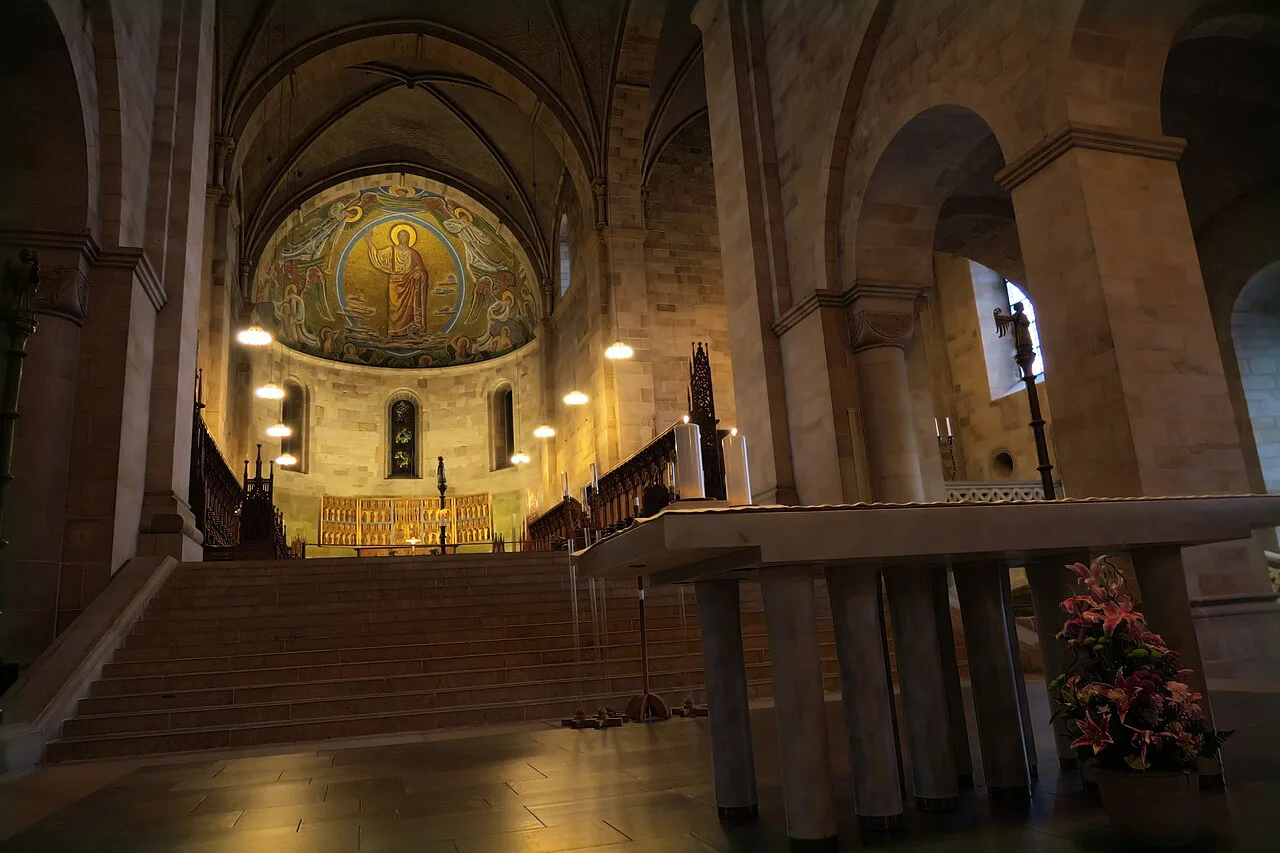
Is Malmö a one-day city or a weekend city?
Malmö is a one-day city for the sights and a weekend city for the experience. If you only have a day, do the old town and the castle properly and leave the waterfront for next time; if you have two, split them as above and the city stops feeling like a checklist.
The deciding factor is usually whether you want the waterfront at sunset and a relaxed evening in Möllevången. If either appeals, add the second day — it is the difference between seeing Malmö and spending time in it. For more, see Malmö Walking Tour.
Explore more Malmö guides
- Cafés in Malmö
- How to Get from Malmö to Copenhagen by Train
- Malmö Castle (Malmöhus)
- Malmö Ferry Routes and What They Mean for a City Break
- Malmö Food Hall
- Malmö Old Town
- Churches in Malmö
- Cycling in Malmö
- Free Things to Do in Malmö
- Indoor Activities in Malmö
- Malmö Architecture
- Malmö Art Museum and the City's Art Galleries
- Malmö History
- Malmö Walking Tour
- Parks in Malmö
- Shopping in Malmö
- The Best Views in Malmö
Sources
Notes for your next Swedish city break
Optional updates to our Sweden guides.
You might also like
Continue reading
More guides you'll find useful