Things to Do in Visby: Old Town, Ruins, Walls and the Waterfront
Plan your days in Visby with the city wall, church ruins, Fornsalen, the Botanical Gardens and the waterfront, plus how much of Gotland needs a car.
On this page
Two full days covers Visby properly: one for the walled old town and one for the island beyond it. The town itself is compact, its rose-filled gardens and church ruins sit within the ring of the Visby City Wall, and much of it can be covered on foot without a plan. This guide sorts the sights by where they sit, then sets out what needs a bus or car, so you can see what fits a short break.
Cruise passengers and anyone on a one-day stop should treat the walled town as the whole trip and skip Gotland's outlying sites. Anyone with a car and a spare day gets the medieval churches and Bronze Age graves that give the island its character.
What there is to do in Visby and how the old town is laid out
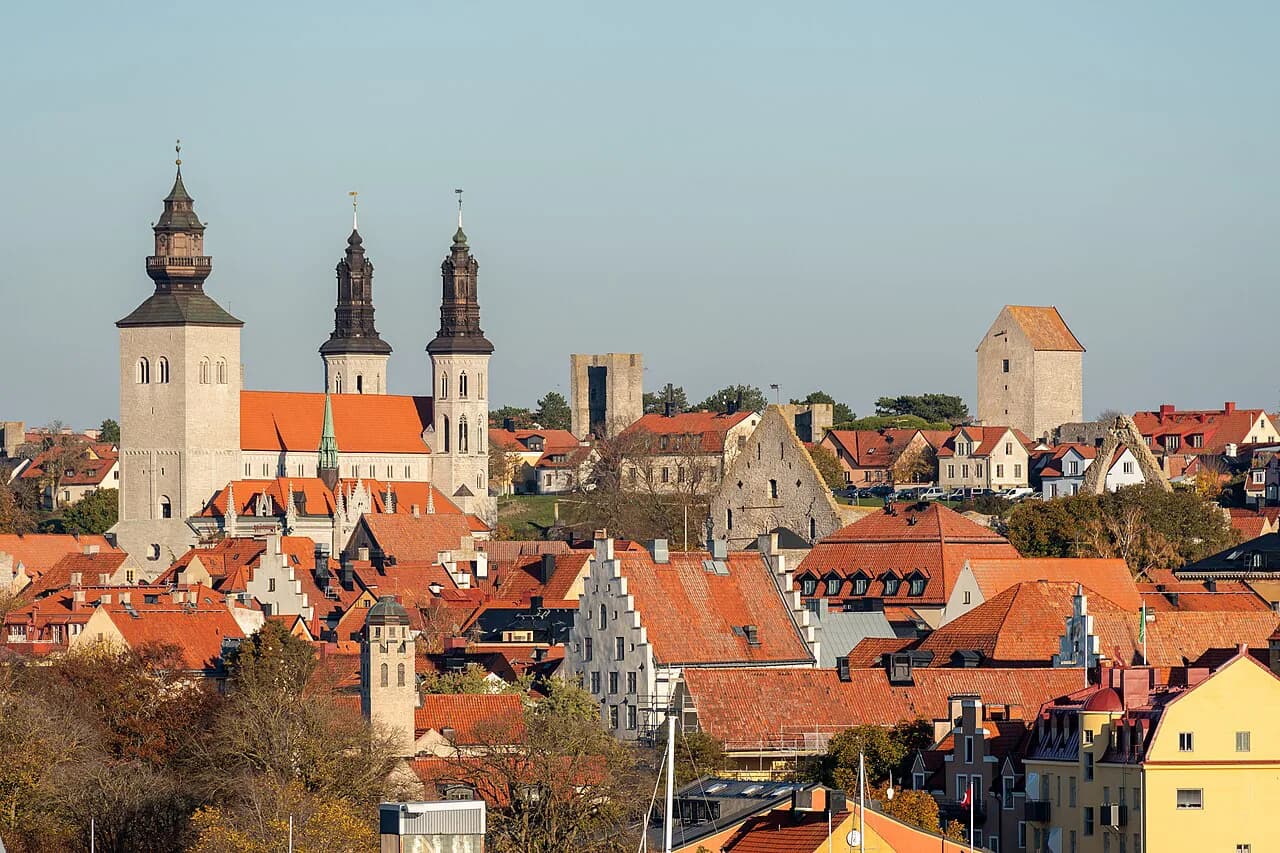
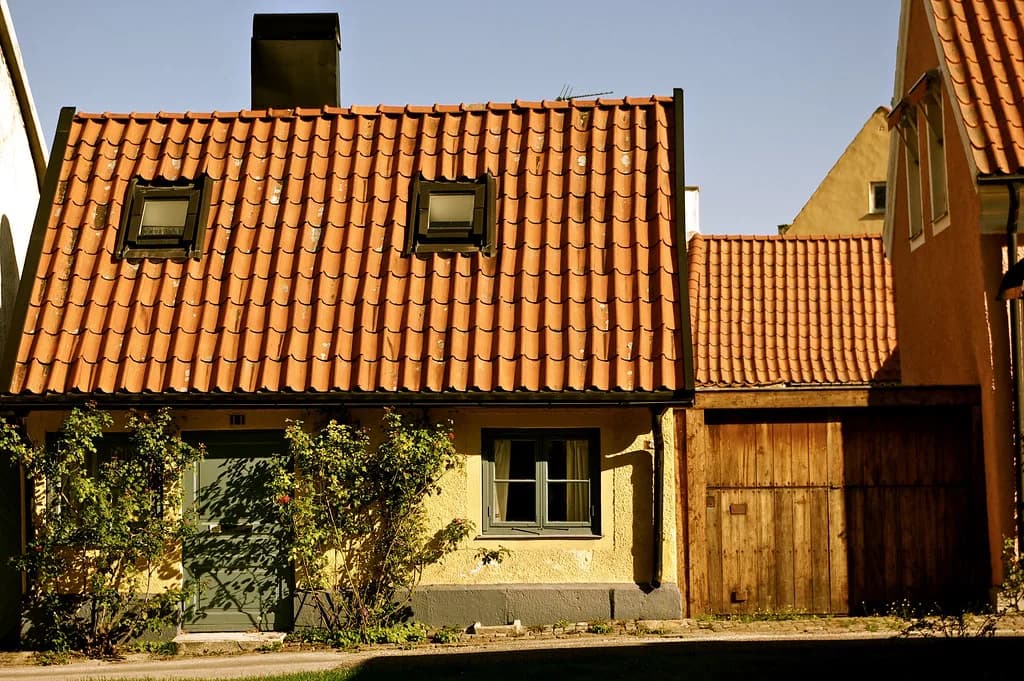
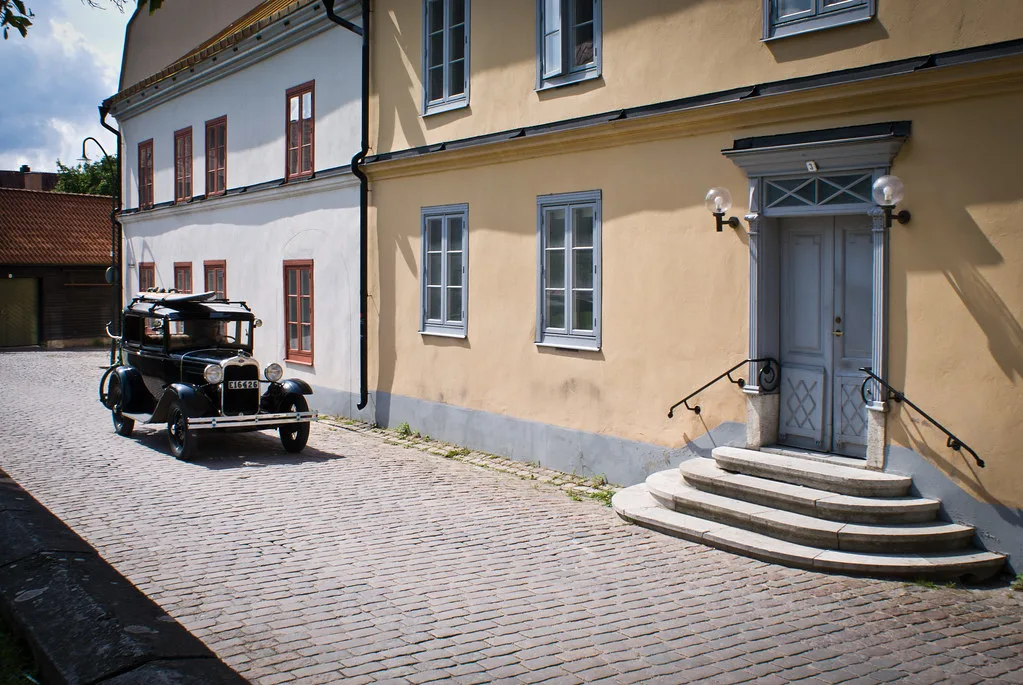
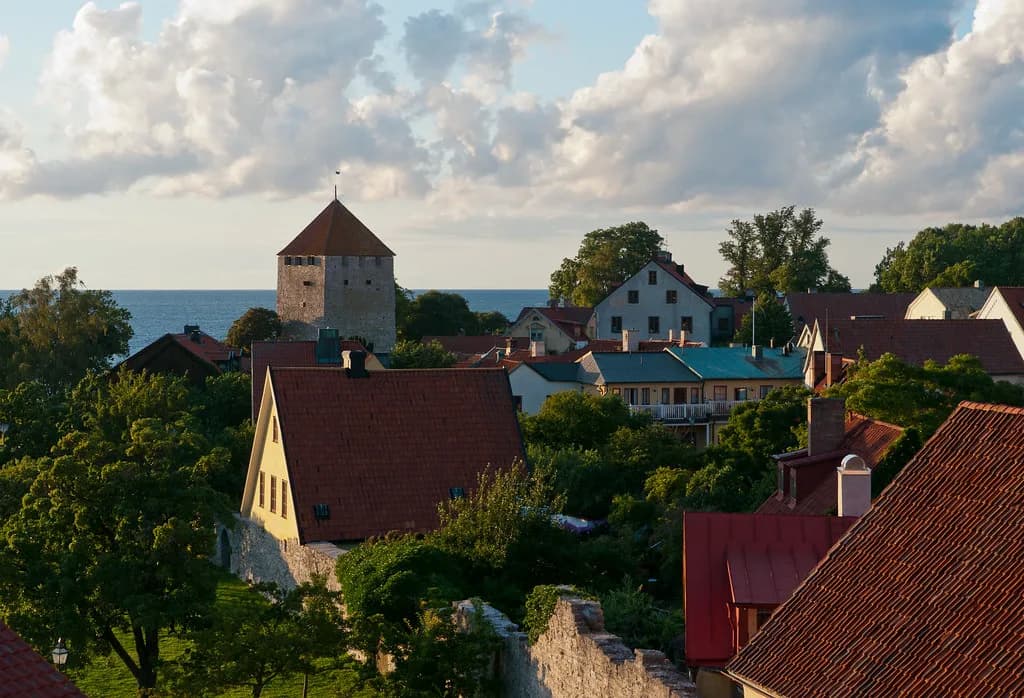
Visby sits on Gotland's west coast, and its historic core is still enclosed by a remarkably preserved medieval wall with towers. Inside, narrow cobbled streets wind between historic houses, church ruins and small squares, and the whole place is compact enough to explore on foot without much of a plan. That is the first thing to understand: the sightseeing is the street pattern itself, not a checklist of ticketed attractions.
The layout is easy to hold in your head. The harbour and ferry terminal lie below the wall to the north-west, the Botanical Gardens sit just inside the southern stretch, and Almedalen park touches the waterfront near the centre. Plan a loop rather than a there-and-back: enter through one gate, cross the town, and leave by another.
Visby has around 25,000 permanent inhabitants, so it is a working town rather than a museum piece, and it stays lively outside the summer crush. Roses run through the parks and gardens, which earned it the tag city of roses and ruins.
The City Wall and ringmur: where to walk it and how long it takes
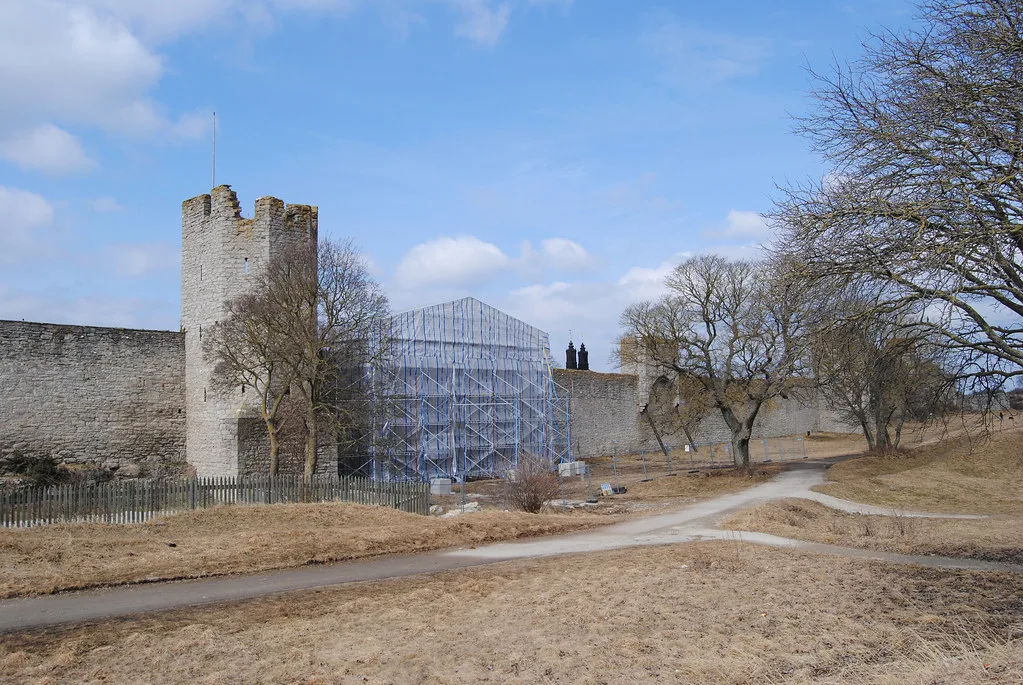
Walking a stretch of the wall is the single best free thing to do in Visby, and it frames everything else you see. Sections of the ringmur can be walked, giving you the town on one side and the sea or countryside on the other. Allow an hour for a partial circuit at an unhurried pace, more if you stop at every tower.
The wall and the church ruins are not separate attractions to tick off; they are the fabric of the town, and you will pass several simply by walking between the squares. Treat the wall as your route marker: pick a gate near your start point, follow the inside of the wall for as long as you fancy, then cut back through the lanes to the centre.
Church ruins inside the walls and how to find them
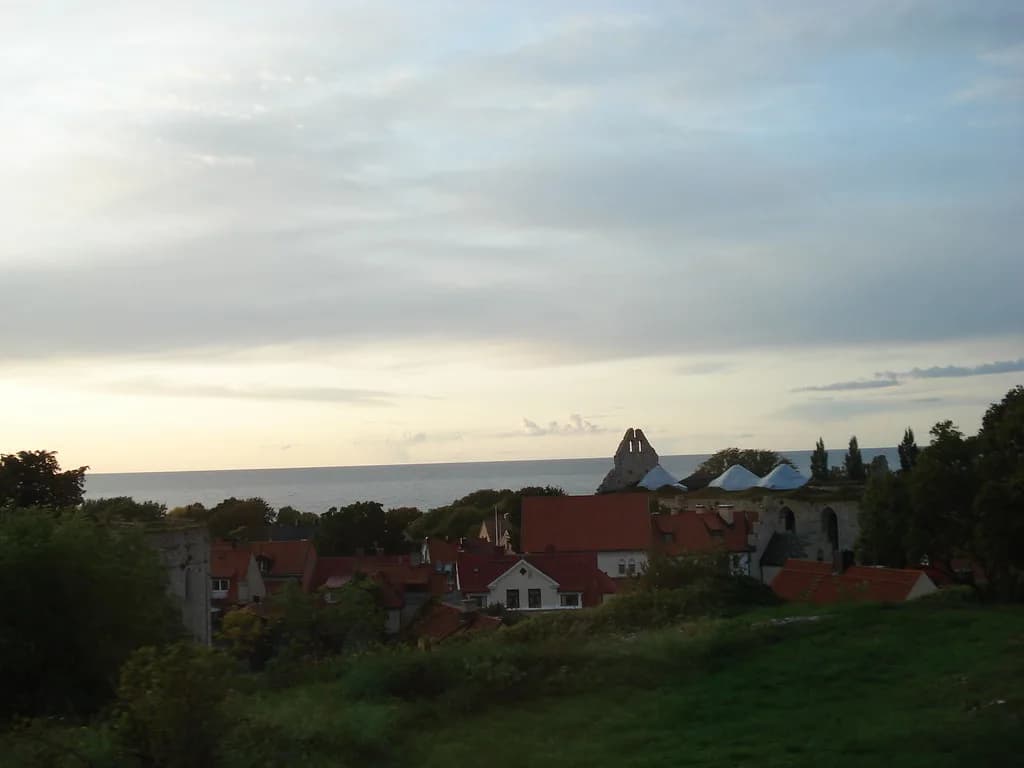
The ruined churches are the image most travellers carry home, and they are scattered through the old town rather than grouped in one spot. You will meet them simply by wandering between the squares and lanes. They are free to look at from outside, and most sit in open ground you can walk among.
Visby is also the gateway to an island known as the island of 100 churches, a figure that in practice counts the 92 medieval churches built on Gotland. If medieval history is your reason for coming, budget time beyond the wall.
Fornsalen (Gotland Museum): what it covers and why it anchors a wet morning
Fornsalen, the Gotland Museum, is where the island's history is laid out, from prehistory through the medieval trading centuries. It is the natural pick when rain sets in, because it explains the graves, churches and picture stones you will see outdoors later. Check the museum's own site for current opening days and entry charges before you build a morning around it.
A museum visit also makes sense early in a trip rather than late, since it gives context to the ruins you walk past for free afterwards. Pair it with the gardens a short walk away if the weather is mixed.
The Botanical Gardens and the roses Visby is known for
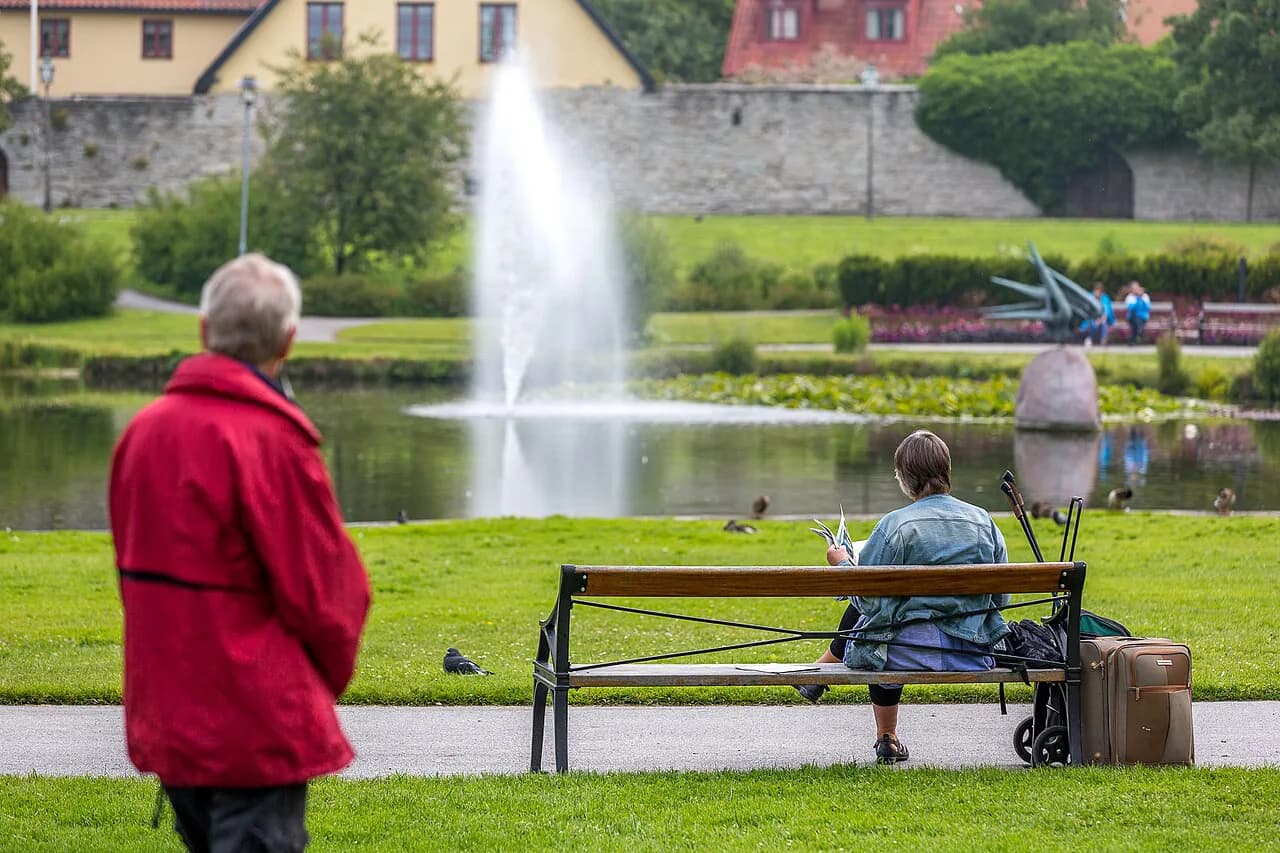
The Botanical Gardens sit just inside the wall and are free to wander, which makes them a good breather between the town's stone and cobbles. Roses spill through the parks and gardens across Visby, and the gardens are the concentrated version.
This is a twenty-minute stop rather than a half-day, and it works best as a link between the southern wall and the town centre. If you are travelling with children, the open space gives them somewhere to run after a morning of ruins.
Almedalen, Kallbadhuset and the waterfront swim spot
Almedalen is the park that gives Visby its political fame, hosting the Almedal Week debates in early summer, and it runs down to the water on the town's edge. At the harbour side sits Kallbadhuset, the classic cold-bathing house, which is the practical option for a swim without leaving the centre.
Families with more time head further out: Norderstrand and Snack are named as the larger, more family-friendly beaches, a short drive from town. Keep the waterfront for an evening walk rather than a beach day if you only have the walled town in your plan.
Skeppsbron, the harbour and the ferry terminal
Skeppsbron is the harbour front where the town meets the sea, and it is also where you arrive if you come by boat. The ferry terminal sits within walking distance of the heart of Visby, so foot passengers can step off and be inside the wall quickly. Services run from Nynäshamn and Oskarshamn on the mainland.
If you sail in, you can also arrive by domestic flight from Stockholm, Gothenburg or Malmö, and in summer there are buses from the airport to the centre. That makes Visby unusually easy to reach for a small island town.
Where to see medieval art and architecture beyond Visby: Lye Church and Roma Cloister
The island's churches repay a day of driving. Lye Church is the standout for its interior, with a fifteenth-century altarpiece, medieval stained glass and wall frescoes, some dating to around 1350 and others added in the sixteenth century, attributed to the painter known as the Passion Master.
Roma Cloister is the other essential stop: the ruins of a Cistercian monastery founded in the twelfth century, once important across the Baltic region. Much of the architecture and the arches survive, and the site now hosts local events with a few small shops and places to eat around it.
A practical warning saves wasted detours. Many Gotland churches look shut, with gates and doors closed, but they are unlocked for visitors and you should close them behind you. In summer they are usually open during normal daytime hours.
Stone ships and Bronze Age sites near Visby: Gnisvard and Gannarve
Gotland has been inhabited for thousands of years, and its Bronze Age burials are marked by stone settings shaped like ships. At Gnisvard, not far from Visby, the first stone ship is about 147 feet long and stands tall enough to feel substantial up close, with a second and a smaller third set further along an overgrown path.
Gannarve is the cleaner visit: a stone ship in an open field, right off the road, about 95 feet long and so intact it looks newly laid. Between them, these graves are the closest thing to prehistoric sightseeing within easy reach of town.
Further out, Uggarde Rojr is a huge Bronze Age cairn, probably a coastal navigation marker when the shoreline ran closer, with smaller cairns used for burials. This is a car day, not a walking day.
How many days Visby needs for a one to four day city break
One day gives you the walled town: a stretch of the wall, the church ruins, the Botanical Gardens and the harbour. Two days adds the museum and a slow evening on the waterfront. Three or four days let you hire a car or take a bus to the churches and stone ships, which is where Gotland stops feeling like a pretty town and starts feeling like an island with its own history.
Be honest about the split. The compact walled town is walkable in a few hours, but the archaeological and church sites beyond it eat a full day of driving. If you only have one day, spend it inside the wall and skip the rest without regret.
Cruise-ship days: the compact route that fits the old town into a port call
If you arrive by cruise ship, you have the advantage that the terminal is a short walk from the centre. Use the time inside the wall and nothing else. Start at the harbour, walk up through the lanes to a stretch of the wall, loop past the church ruins, and finish in the Botanical Gardens before heading back.
Do not attempt a hire car on a port call. Traffic, parking and the distances between the outlying churches make it a losing race against the ship's departure.
Fika in Visby: what to look for and where in the old town
Fika is the Swedish custom of a coffee and something sweet, taken sitting down rather than grabbed on the move, and Visby's old-town lanes are full of small cafés that suit it. Look for a café with a courtyard or a window seat and take the pause; it is part of the point of the town.
Pair fika with a wander rather than a fixed plan, since the pleasure is in the lanes around the squares. If you want to shop afterwards, the small craft and food shops are concentrated in the centre.
Walled town or the whole island?
For a short break, put the walled town first: the wall, the ruins, the gardens and the harbour give you a full day without a car. Add the island's churches and stone ships only if you have a spare day and wheels.
If you are comparing Swedish city breaks, Visby's medieval core is unlike anywhere else, but it is small; pair it with a mainland city if you want a longer trip. For a larger-city contrast with its own compact, walkable centre, see these things to do in Gothenburg before you finalise the itinerary.
Explore more Visby guides
- Fika in Visby
- Getting the Ferry to Visby
- Gotland: What to See on Sweden's Baltic Island
- Is Visby Worth Visiting? What You Get and Who It Suits
- Museums in Visby
- Stockholm to Visby
- Visby Cathedral
- Visby City Wall
- Visby Old Town
- A Weekend in Visby
- Events in Visby
- Flights to Visby
- One Day in Visby
- Parks in Visby
- Shopping in Visby
- Visby Bike Rental
- Visby Castle and Fortifications
- Visby History
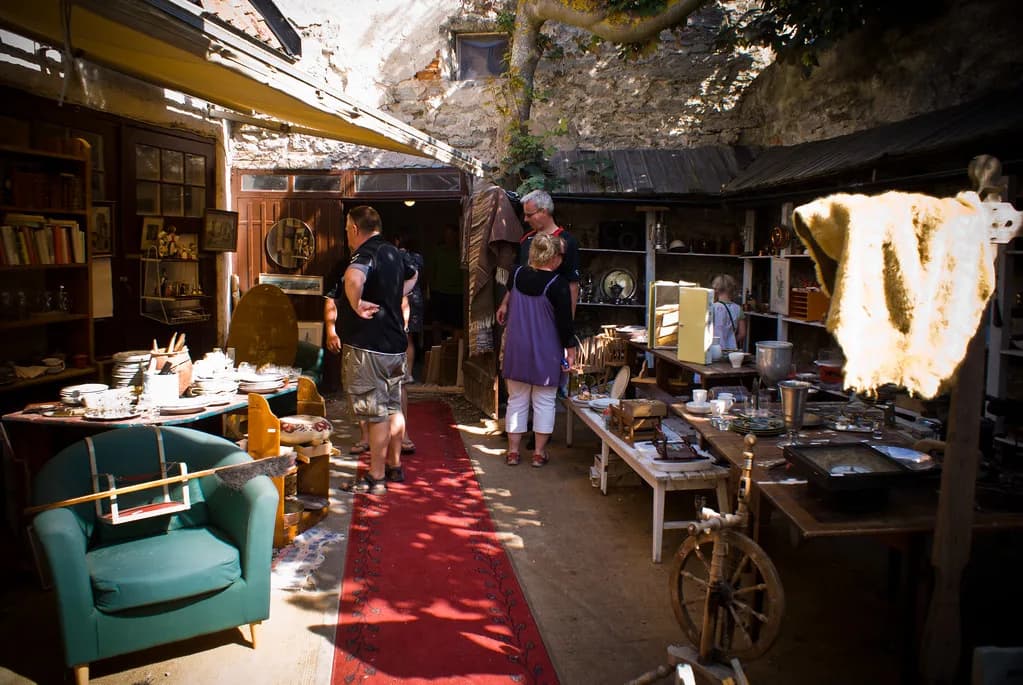
- Visby Markets and Shops
- Visby Walking Tour
Frequently Asked Questions
Is Visby worth visiting?
Yes, if you want a compact medieval town you can cover on foot in a day. The wall, church ruins, gardens and harbour sit close together, and the island beyond adds churches and Bronze Age graves for anyone with a car.
Is Visby walkable?
The old town is compact, cobbled and enclosed by the wall, so it is walkable in a few hours. Outlying sites such as Lye Church and the stone ships need a car or bus.
What is Visby known for?
Its medieval wall and church ruins, roses in the parks, the Almedalen park and its political week, and Kallbadhuset, the cold-bathing house by the harbour.
Sources
Notes for your next Swedish city break
Optional updates to our Sweden guides.
You might also like
Continue reading
More guides you'll find useful