Lund Cathedral: Visiting Scandinavia's Romanesque Landmark
Lund Cathedral is one of Sweden's oldest stone buildings, with a Romanesque interior and a legendary crypt. Here is what to see and how long to allow.
On this page
Lund Cathedral is worth about an hour of your time, and it earns that hour through its crypt as much as its nave. The church is one of the oldest stone buildings still in use in Sweden and has been called the most powerful representative of Romanesque architecture in the Nordic countries. This guide covers what you are actually looking at, how the building fits into a one- to four-day Lund visit, and which practical details to confirm before you set out.
Treat it as a working church rather than a museum: it belongs to the Lutheran Church of Sweden and is the seat of the Bishop of Lund, so parts of the building may be in use when you arrive. Plan it as the anchor of a half-day in the historic centre, then spend the rest of your time on the city's galleries and university collections.
What Lund Cathedral Is and Why It Is Worth Your Time
The cathedral, Lunds domkyrka in Swedish, sits in Lund in Skåne and serves as the main church of the Diocese of Lund. It was built as the Catholic cathedral of the archiepiscopal see of all the Nordic countries and was dedicated to Saint Lawrence, which explains why the building looms larger in Scandinavian church history than its present-day parish role suggests.
What makes it worth a stop is the survival of so much original Romanesque fabric, including stone sculpture that most short listings skip entirely. The interior shows clear influences from contemporary north Italian architecture, carried north via the Rhine Valley, so the arcades and capitals do not read like a typical northern European church. If you enjoy reading a building rather than photographing it, this is the sight in Lund to slow down for.
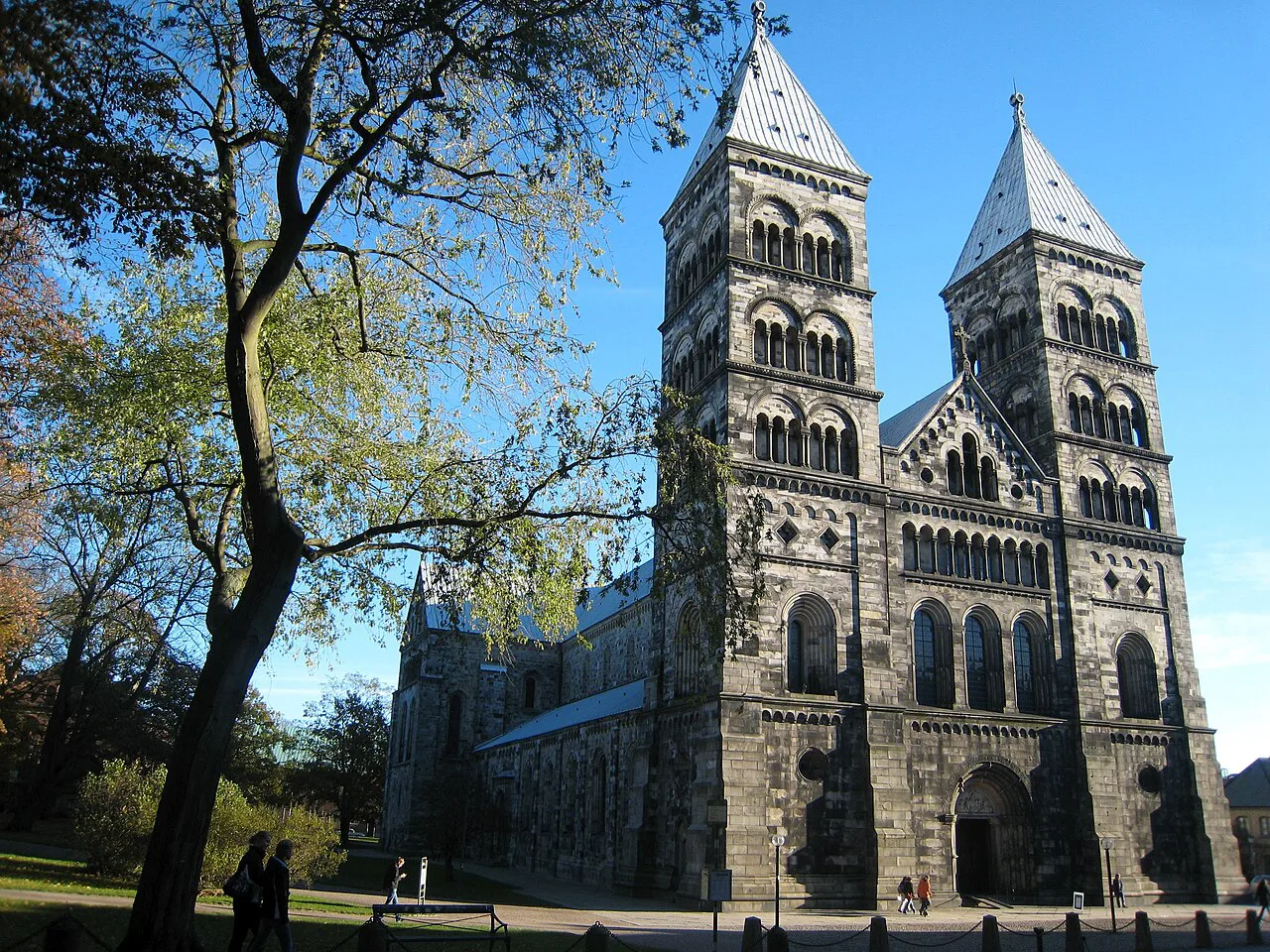
Where the Cathedral Sits and How to Walk There
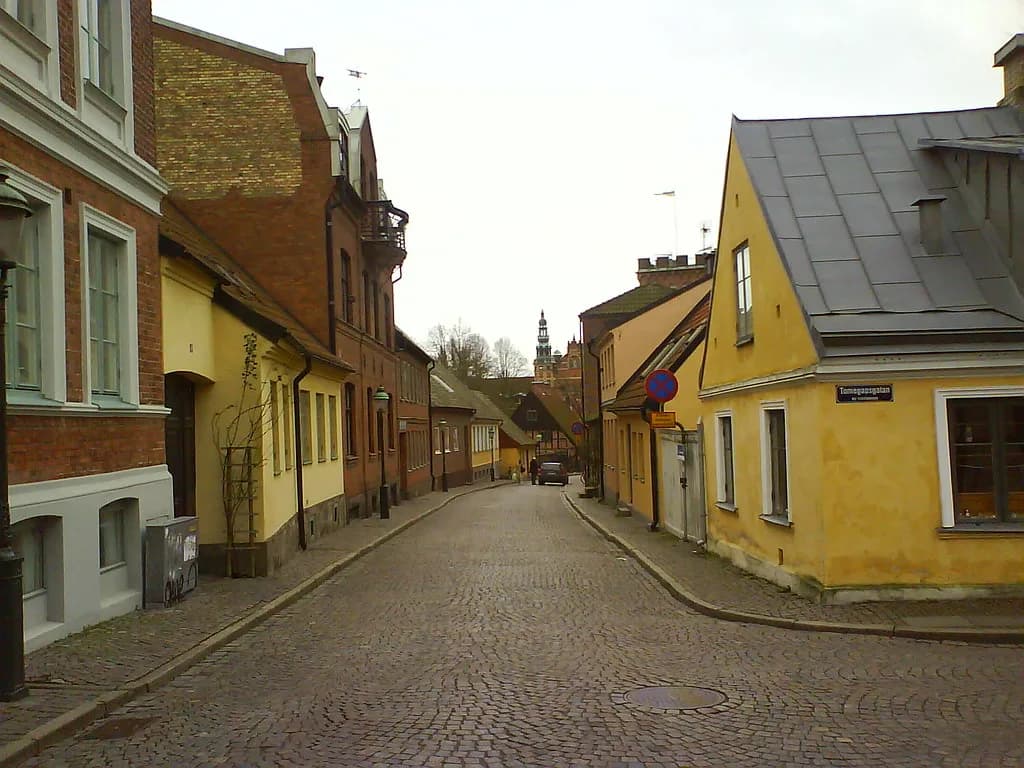
The cathedral stands in the compact historic core of Lund, within easy walking distance of the university buildings and the surrounding streets. Because the centre is small, you can treat the cathedral as one stop on a loop rather than a separate trip, and walk on to the city's other sights afterwards.
A sensible half-day pairs the church with the museums and galleries nearby, since you will pass them on foot anyway. If you want to understand how the medieval town grew around the cathedral, read up on the city's background before you arrive.
The Romanesque Exterior: West Front and Twin Towers
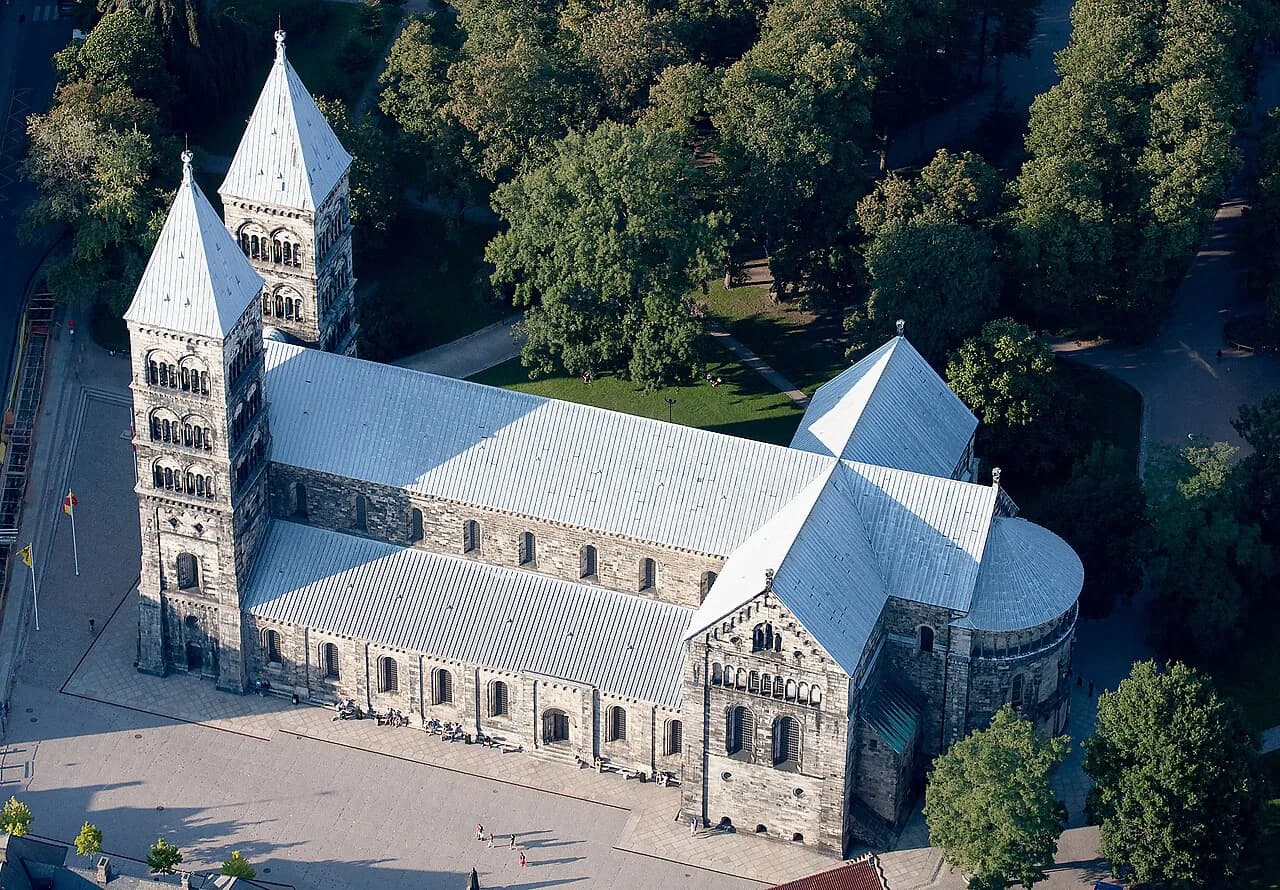
Approach from the west and the twin towers give the building its familiar silhouette; they were built somewhat later than the main body of the church, which is why the west front feels slightly different in character from the nave behind it. The main altar was consecrated in 1145, by which time the cathedral was largely finished.
Walk a full circuit before going in: the exterior stonework, including sculpture added over the centuries, rewards a slow lap, and the scale only becomes clear from the far side of the churchyard. The earliest architect was named Donatus, though his precise role in the construction is difficult to pin down.
Inside the Nave and the Main Altar
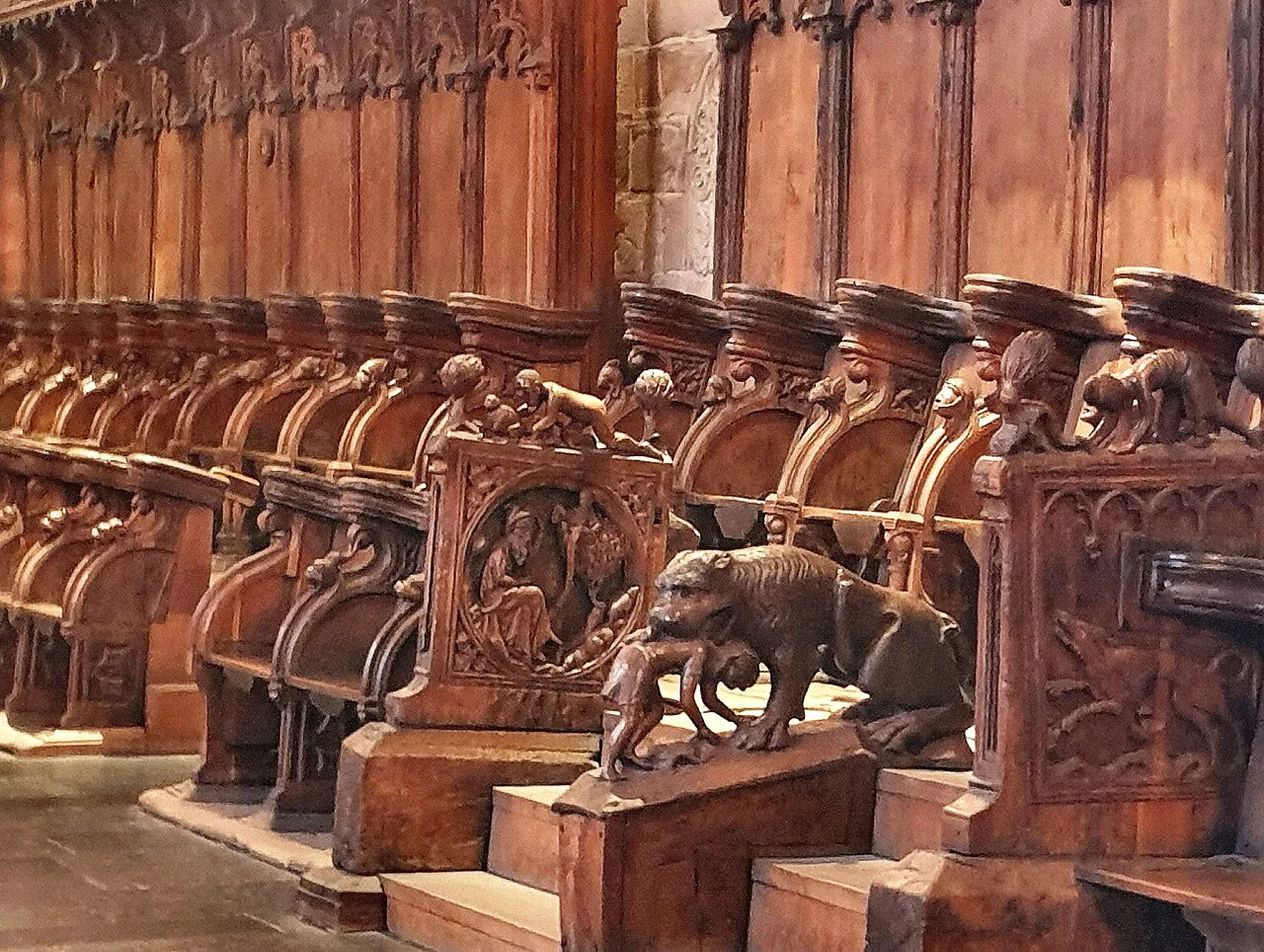
The nave is where the Romanesque plan reads most clearly, with heavy stone and a rhythm of arches that the later restorations left largely intact. The main altar was consecrated in 1145, and the building was richly decorated with stone sculpture from the outset.
Look for carved detail at eye level as well as overhead, because the sculpture is spread through the church rather than concentrated in one chapel. Photography inside follows the congregation's own arrangements rather than a visitor attraction's rules, so watch what others are doing and follow any notices at the door.
The Crypt and the Giant Finn and His Wife
The crypt is the reason many visitors remember Lund Cathedral, and it holds two unusual statues traditionally called the giant Finn and his wife. A local legend has grown up around them, and the pair are the carved feature most visitors come down to see.
The crypt is a dim, low-vaulted space, so give your eyes a minute to adjust and keep your voice down if a service is under way. The statues sit within the church's active worship space rather than a museum display, and the building is listed in the Swedish National Heritage framework, which shapes how it can be altered.
A Short History: Built in Denmark, Burnt in 1234, Restored under Adam van Düren
At the time of its construction Lund and the cathedral belonged to Denmark, which is why a Swedish cathedral carries an archbishopric's ambition in its bones. The cathedral was severely damaged in a fire in 1234, and major restoration work followed in the early 16th century under the leadership of Adam van Düren.
After the Reformation the cathedral lost income and its fabric suffered from neglect, a common story for Swedish medieval churches. Reading these layers as you walk round makes the mix of Romanesque and later work easier to follow, and if the period interests you, dig into the city's wider past before your trip.
How Long a Visit Takes and How It Fits a Lund Break
Budget roughly an hour for the cathedral itself, longer if you read the sculpture and sit in the crypt. That leaves most of a day free, which matters because Lund rewards a full day rather than a rushed hour between trains.
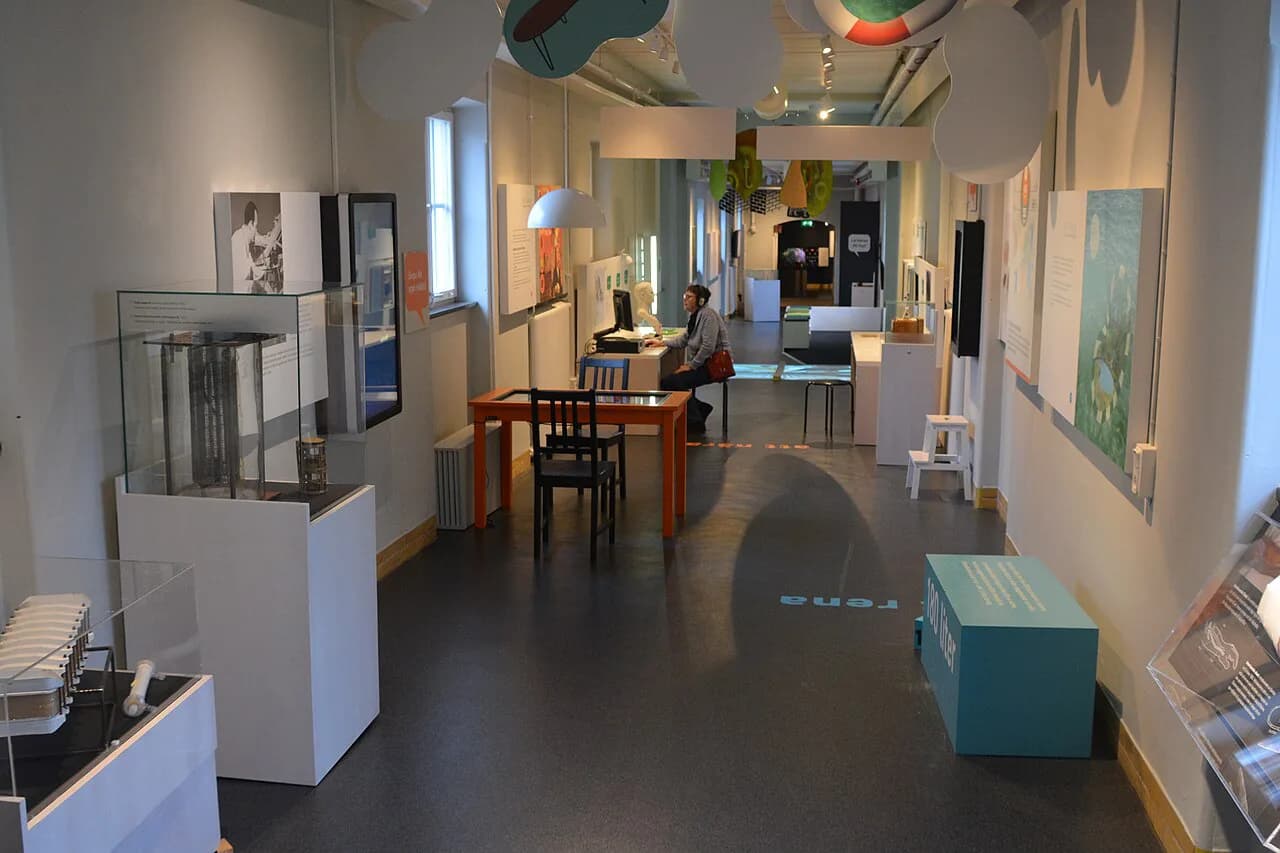
Pair the church with the Museums in Lund, which include Skissernas Museum and cover everything from medieval church art to modern sculpture. If you prefer paintings, the city's art collections make a natural afternoon after a morning in the cathedral; start with our guide to Art in Lund for what is open and where each collection sits.
For a shorter stop, pair the cathedral with the neighbouring historic buildings, including Lund castle and Gamla akademien, which sit close enough to combine on foot. Our Lund Attractions: 10 Visitor Guides sets out the full set of sights if you are building a two-day plan.
Opening Days and Entry: What to Confirm Before You Go
The cathedral is an active Lutheran church, and services take priority over sightseeing, so check the congregation's own published times for the days you plan to visit. Entry arrangements and any charges are set by the church rather than by a visitor attraction, and the Diocese of Lund is the body to look to for current information, so confirm on its own channels rather than relying on old listings.
Sweden is largely cashless, so carry a card rather than expecting to pay in notes for anything on the day. If you are combining the cathedral with a paid museum, check each venue's own calendar, because their closed days rarely line up neatly.
Should the Cathedral Be Your First Stop in Lund?
Yes, make it your first stop, because it gives you the medieval layout of the city in your head before you walk the streets. An hour in the nave and crypt, followed by the museums and galleries nearby, fills a rewarding day without rushing.
If you have only an afternoon, do the cathedral and one museum rather than trying to cover everything; the building rewards attention more than tick-boxing. Leave the rest for a return visit.
Frequently Asked Questions
Is Lund Cathedral the oldest cathedral in Scandinavia?
The reliable claim is that it is one of the oldest stone buildings still in use in Sweden, which is safer than ranking it against every other Scandinavian cathedral. Its main altar was consecrated in 1145, and the western towers followed later, so parts of the building date from different phases.
Who is buried in the crypt of Lund Cathedral?
The feature most visitors ask about is not a burial but a pair of carved statues traditionally called the giant Finn and his wife, around which a local legend has grown. Treat the crypt as part of an active church, and keep quiet if a service is taking place.
Sources
Notes for your next Swedish city break
Optional updates to our Sweden guides.
You might also like
Continue reading
More guides you'll find useful