Things to Do in Gothenburg: What's Worth Your Time
Plan your Gothenburg days around Haga, Avenyn, the waterfront and the archipelago ferries, with honest trade-offs on what to see and how long each area needs.
On this page
Gothenburg rewards two or three days rather than one: a compact centre you can cross on foot, a working harbour, and an archipelago reachable by tram and ferry on the same city ticket. One day gives you Haga and the centre; three lets you add the islands. This guide groups the sights by area so you can build a walking order, with honest notes on what each one costs you in time.
What to see in Gothenburg in one to four days
Gothenburg is Sweden's second city and Scandinavia's largest port, which explains why so much of it faces the water. The centre divides into three easy pieces: Haga and the old streets to the south-west, Nordstaden around the central station, and the Avenyn boulevard running up to Götaplatsen. Beyond that, trams and buses head west to Saltholmen for the archipelago ferries, which is where a longer trip earns its keep.
With one day, walk Haga in the morning, cross to Nordstaden and the harbour for lunch, then finish on Avenyn. Two days adds a museum or the Botanical Garden. Three or more justifies a full day in the archipelago, because the ferries and the walking on the islands eat time. Build your route around one area per half-day and you avoid criss-crossing the city.

Haga: cobbled streets, wooden houses and where to stop for fika
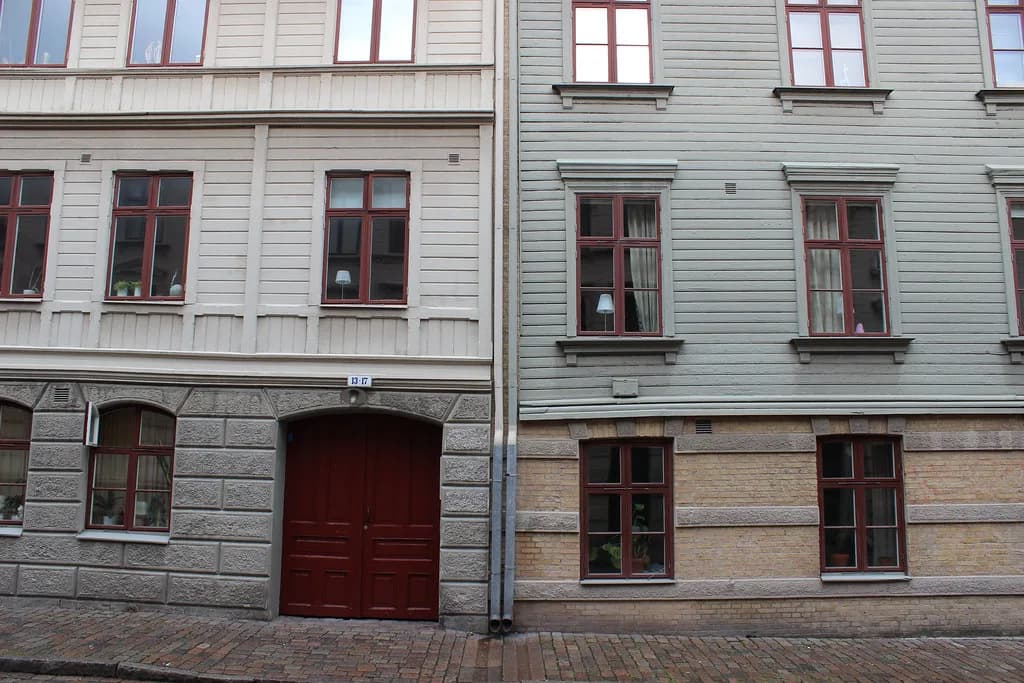
Haga, south-west of the centre, is the neighbourhood to see first. Its cobbled streets are lined with nineteenth-century wooden houses, now filled with cafés and small shops. Come early if you want photographs of the streets without a crowd in them.
Fika belongs here. Haga is where you find the traditional large Swedish cinnamon buns alongside coffee, and Café Husaren is the spot to aim for. Budget half a morning: the district is small, but the cafés are the point rather than an interruption.
If you want the old streets put in order before you wander them, a self-guided loop through the area works better than a checklist. Our Gothenburg Old Town guide covers the same lanes in a sequence you can follow.
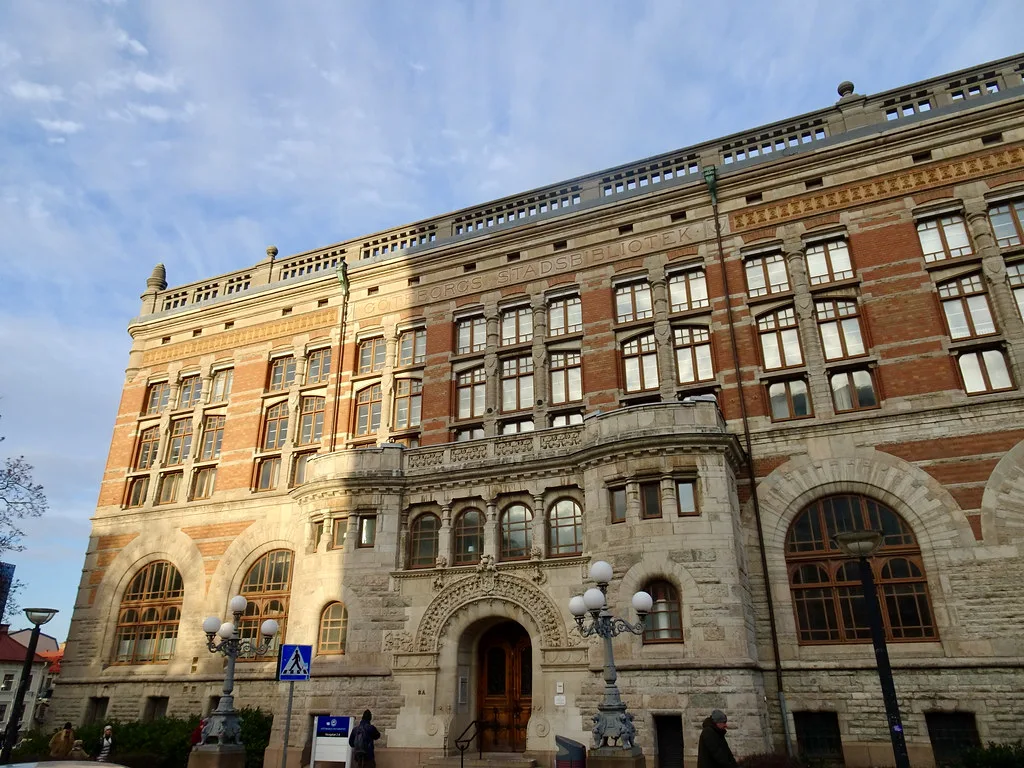
Nordstaden and the city centre: Kungsportsplatsen, Stora Saluhallen and the shopping streets
Nordstaden sits beside the central station and is the city's shopping heart, with parallel streets running off Kungsportsplatsen. Those streets are dense with cafés and shops, and narrow passages open onto hidden courtyards, so the pleasure is in the side turns rather than the main drag. Allow an hour or two if you like browsing.
Stora Saluhallen is the old-fashioned food hall, with vendors selling cheese and deli produce under one roof. It is a sensible lunch stop because everyone in your group can choose something different, and Nordstan shopping centre nearby covers the bigger Scandinavian brands if the weather turns.
Two hours in this district is enough unless you are seriously shopping. If you are, our guide to shopping in Gothenburg maps the main streets and the halls so you do not double back.
Avenyn and Götaplatsen: the boulevard walk from the old town to the Poseidon statue
Avenyn, or Kungsportsavenyen, runs from the old town up to Götaplatsen square, where the Poseidon statue stands at the top. It is Gothenburg's grand boulevard and its liveliest stretch, lined with restaurants and larger chains. Treat it as a route up to Götaplatsen rather than a destination in itself.
The payoff is at the top: Götaplatsen gathers the art museum, the concert hall and the theatre around one square, so you can arrive on foot and choose a building. Walk up in the late afternoon and the boulevard does the work of getting you there.
Gothenburg Museum of Art: what is inside and when to slot it in
The Gothenburg Museum of Art sits on Götaplatsen at the head of Avenyn, which makes it the natural indoor stop on that walk. Its collection is the strongest art offering in the city, so give it two hours rather than squeezing it between other sights. Slot it in after the boulevard, when your legs want a rest anyway. If your trip also takes in Skåne, the things to do in Lund list Cathedral and Kulturen among its indoor stops.
Tickets and opening days vary through the year, so check the museum's own site for the day you plan to visit before building your afternoon around it. Pairing it with Götaplatsen means you lose nothing if you decide to stay longer inside.
Feskekôrka and the waterfront: the harbour walk
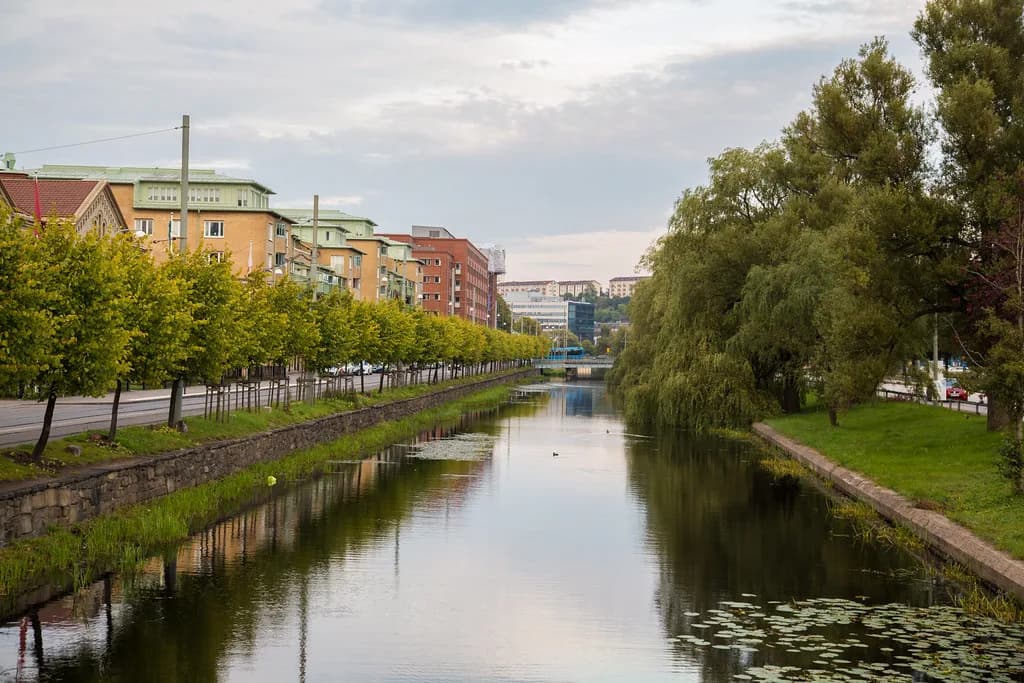
Feskekôrka, the distinctive fish market building, sits close to the water on the edge of the centre and is one of the city's signature seafood stops. It is a short walk from the shopping streets and works as a stop on a harbour loop rather than a trip of its own. Combine it with the riverside walk past the city museum for views back across the water.
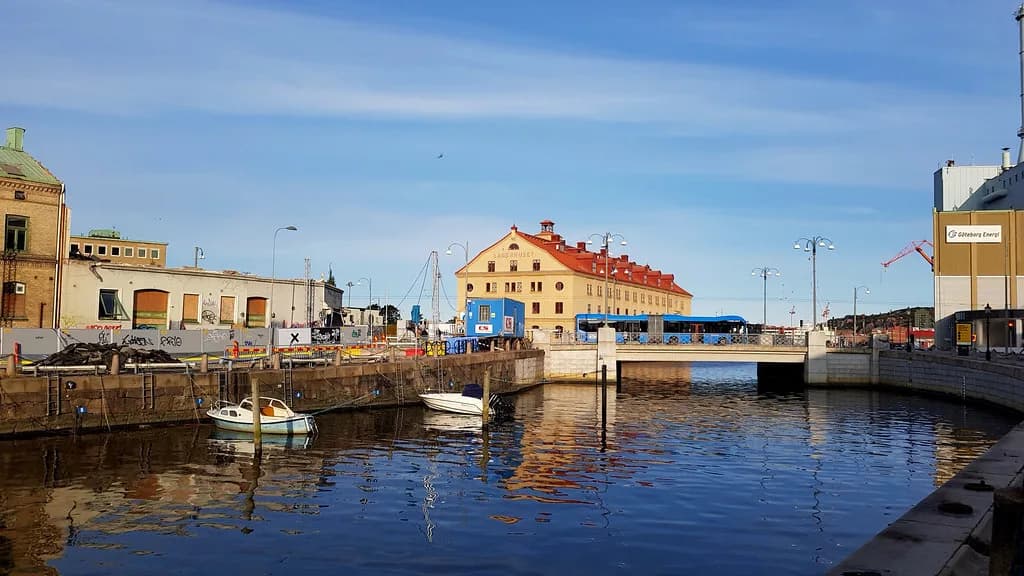
The harbour itself is the reason Gothenburg exists, and the old shipyard districts now hold creative spaces alongside new buildings. Walk the waterfront in the late morning when the light is on the water and the halls are open.
The Gothenburg archipelago: trams to Saltholmen and which islands need a full day
The southern archipelago is the best day out from the city. Take a tram or bus from the centre to Saltholmen, where the ferries leave for the different islands; the crossing is short and the islands are granite, car-free and walkable. According to the travel blog we relied on, you do not need a separate ferry ticket because the city ticket also covers the boat, but check the expiry time on your ticket before the return.
Choose by time. The nearest islands, Asperö and Köpstadsö, are roughly twenty minutes on the water from Saltholmen and suit a half-day. Vrångö is about an hour each way, so it takes a full day and rewards you with the quietest walking. Island-hop only if you have the whole day to spare.
Hönö, to the north, is a separate island reached by a different route and is known for its fishing village character. Pick one direction rather than both: the south is easier without a car, and the ferry ride is part of the day rather than dead time.
Getting onto the water: ferries covered by your city ticket and the amphibious Ocean Bus tour
The Saltholmen ferries double as public transport, and the travel blog we relied on reports the city ticket covers them. Check the expiry time on your ticket before you board, because a return crossing later in the day may need a fresh one. That single detail catches out more visitors than any other part of the archipelago trip.
For a sightseeing circuit without leaving the city, the Ocean Bus is an amphibious vehicle that drives the streets and then enters the water with a splash. It starts in front of the Stora Teatern on Kungsportsavenyen, passes the main monuments with a guide explaining them, and finishes in the sea, and the operator sells tickets online. One travel blog reported the tour at 260 SEK in 2022, so check the current price before you book.
Book ahead in summer, when the boat fills, and treat the price as an entertainment cost rather than transport. The Go City All-Inclusive Pass is sold for Gothenburg and is worth comparing against individual tickets if you plan several paid attractions in one trip.
Green Gothenburg: the Botanical Garden and Änggårdsbergen on the city's edge
The Gothenburg Botanical Garden holds more than 16,000 plant species across rock gardens, greenhouses and meadows, making it one of the largest in Europe. It sits on the edge of the city beside the Änggårdsbergen nature reserve, so the two combine into a half-day of gardens and woodland trails without needing a car.
Elsewhere, Delsjön's lakes and the forests of Hisingsparken give you hiking minutes from the centre, and the longer Bohusleden trail suits a serious walk. Pick one green outing, not three: each takes a half-day once you add the tram ride.
Rainy-day and indoor options: Universeum and World of Volvo
Universeum is the science centre that works best with children or a wet afternoon, and entry tickets are sold through tour operators as well as at the door. World of Volvo covers the city's engineering story and is often bundled with a hop-on hop-off bus ticket. Either fills two to three hours.
Guided walks and short local tours are the other indoor-friendly option, and they run from an hour upwards, which suits a showery day better than a full museum. Compare what is on offer before committing, since group sizes and languages vary by operator.
How many days Gothenburg needs, and what to drop if you have one
Two full days cover Haga, Nordstaden, Avenyn, the art museum and the waterfront without rushing. Three days adds the archipelago or the Botanical Garden. Four lets you do both and slow down over fika, which is the point of the city.
With one day, drop the islands and the garden. Walk Haga in the morning, take the harbour and Feskekôrka at midday, then climb Avenyn to Götaplatsen in the afternoon. That route keeps you on foot for most of the day and leaves the trams for the return.
How to get around Gothenburg without a car
Trams and buses reach everything in this guide, including Saltholmen for the ferries, and the city ticket covers both. Buy a period ticket rather than single fares if you are making more than a couple of journeys a day, and keep an eye on expiry when you combine tram and boat. The centre itself is compact enough to walk.
The airport bus and main rail station sit within the centre, so you can arrive and start walking without a taxi. Keep your ticket on your phone: Sweden runs largely cashless, and card or mobile payment is the norm on transport and in shops.
Adding a second island day, or staying in the city?
Spend your last day on Vrångö if you want the quietest walking and have the hours for the hour-long crossing each way. Choose Asperö or Köpstadsö instead if you would rather keep the afternoon free for Haga and the art museum.
Museum and ferry details shift with the season, so confirm opening days and ticket validity on the operator's own page the week you travel. Everything else here you can decide on the day, on foot, in Gothenburg.
Explore more Gothenburg guides
Frequently Asked Questions
Is the ferry to the Gothenburg archipelago free?
No, it is a paid crossing, but according to the travel blog we relied on it is covered by the city ticket rather than sold separately. The crossing to the southern islands leaves from Saltholmen, reached by tram or bus from the centre, and you should check the expiry time on your ticket before boarding for the return.
Do I need a car to see the Gothenburg archipelago?
No. Trams and buses run to Saltholmen, where the ferries leave for the islands, and the islands themselves are small and car-free enough to walk. The nearest islands take about twenty minutes by boat, while Vrångö takes around an hour each way.
Sources
Notes for your next Swedish city break
Optional updates to our Sweden guides.
You might also like
Continue reading
More guides you'll find useful