
Kulturen in Lund: What to See at the Open-Air Museum

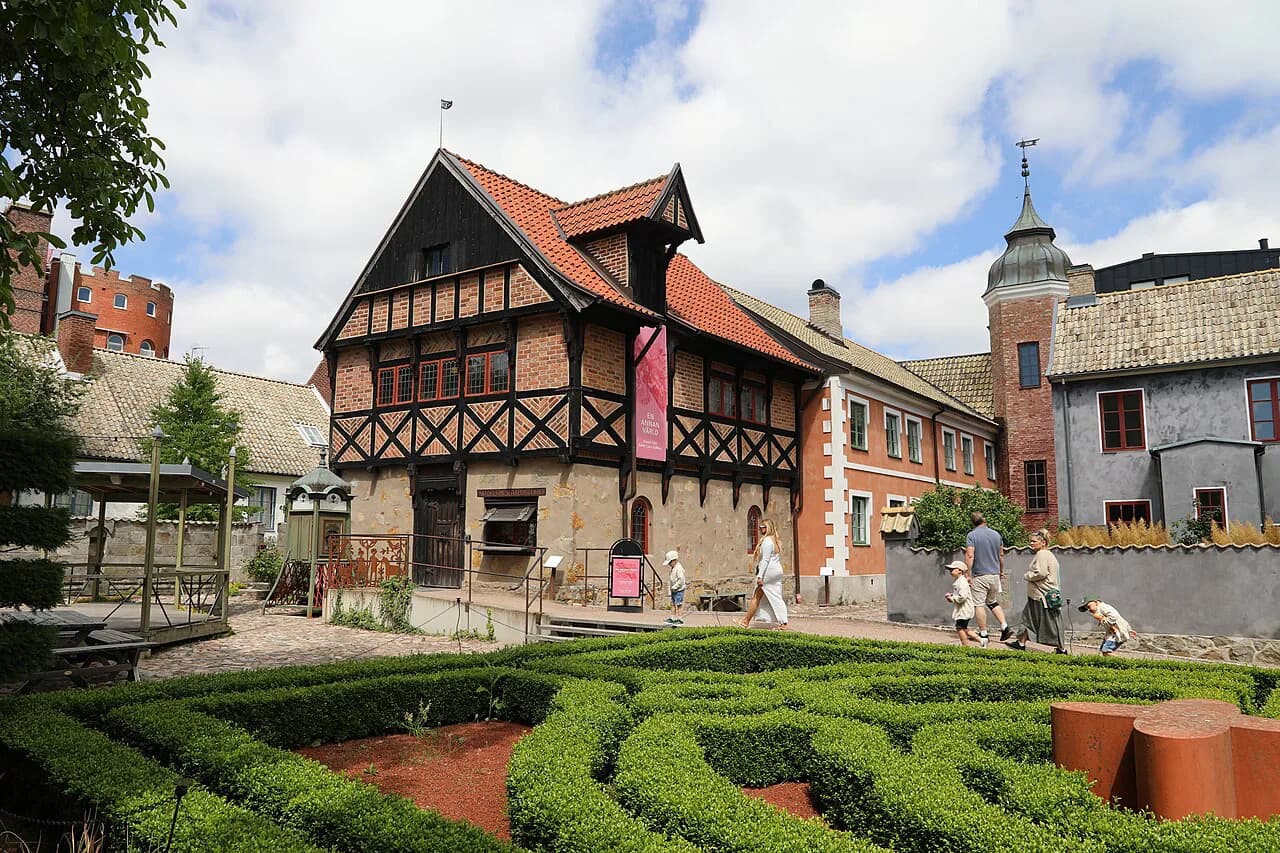
Kulturen in Lund is a cultural history museum where an open-air collection of historic buildings sits alongside roughly twenty exhibitions, so a visit can be an hour indoors or most of an afternoon outdoors. The museum is run by Kulturhistoriska föreningen för Södra Sverige, a non-profit society founded in 1882, which gives it a deeper collection than its compact site suggests. This guide covers where the museum sits in central Lund, what the indoor displays and the historic homes each offer and how to divide your time between them.
Treat it as two attractions sharing one ticket. The exhibition buildings reward a wet morning, while the open-air streets and gardens are at their best on a dry day when you can wander between houses without hurrying. Deciding which half matters more to you is the single choice that shapes the visit.
Where Kulturen is and how to reach it
Kulturen occupies a block in the middle of Lund, close enough to the city's core that it fits naturally into a walking day rather than needing its own trip. The entrance sits by the street that runs down to the museum, with the open-air museum spreading behind the main buildings. Because the site is central, you can pair it with the surrounding streets on foot and leave the car behind.
Allow a short walk from the central squares and the cathedral area, and check the museum's own visiting information for the entrance you should aim for if you arrive with a group or need step-free access. The practical pages cover on-site facilities such as the café and restaurant, wheelchair access and Wi-Fi, which are worth reading before a family visit.

Opening hours and admission
Opening hours vary with the season rather than staying fixed through the year, so plan around the museum's published hours for your dates. Admission is published as a range from 0 to 150 kr, and entry is free for visitors aged 0 to 18, which makes it an unusually easy stop for families.
If you visit more than once, Kulturen publishes three membership tiers at 200, 300 and 600 kr that include a year of free entry; they are an option for repeat visitors rather than something a one-day traveller needs. Guided tours are included in the admission price except for certain special tours, which makes a scheduled tour good value if the timing suits.

What to see indoors
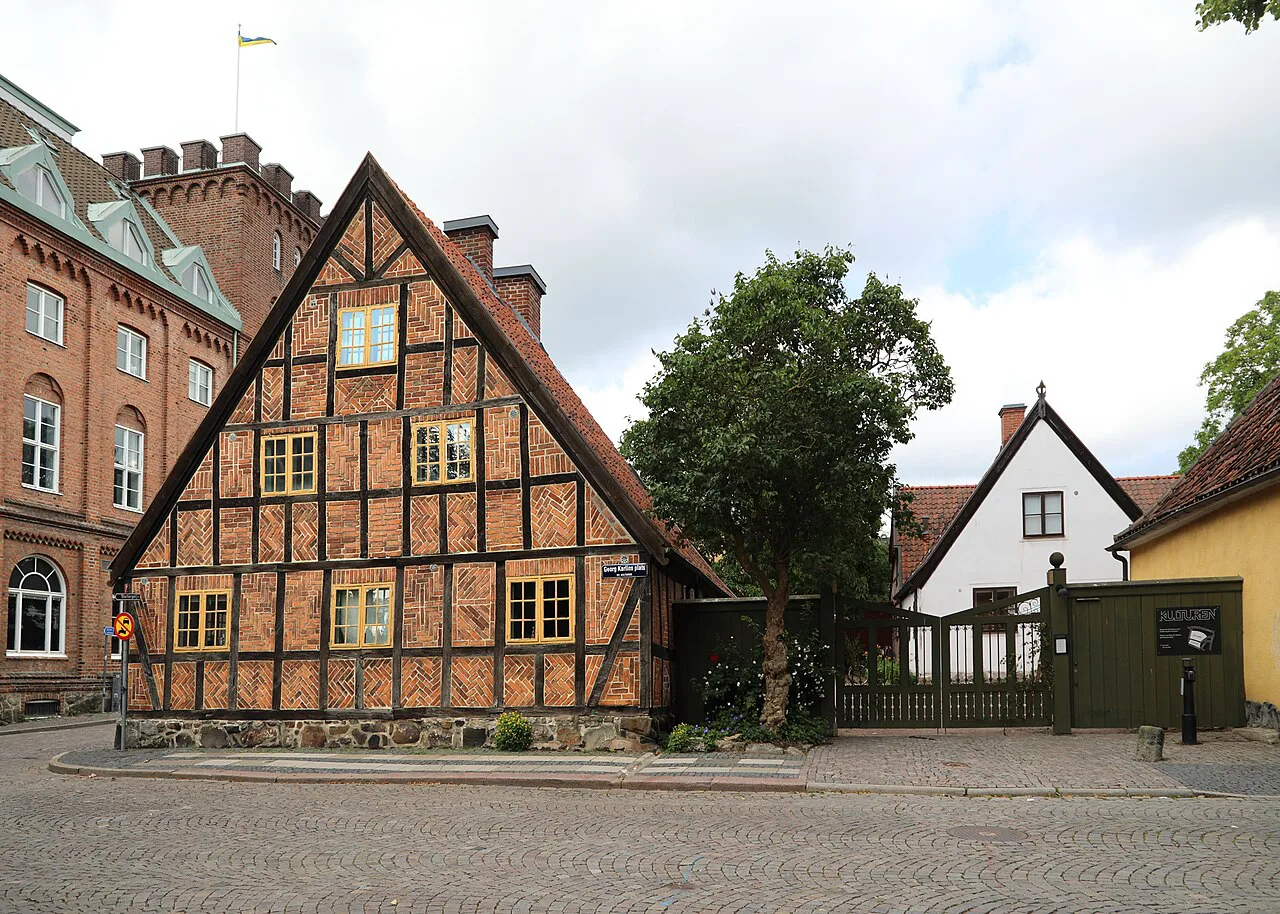
The main building, Vita huset, holds the bulk of the exhibition programme: permanent displays drawn from the museum's cultural history and archaeology collections, temporary shows, photographic exhibitions and interactive displays aimed at children. Topics range widely, from folk art and design to democracy and human rights, so the indoor half is more varied than a single-subject museum.
The 2 20s exhibition is the one to seek out if you like social history, using a time tunnel to carry visitors back to the 1920s and portraits of women who shaped the decade, with sliding doors that turn questions about that era towards our own. Folkart & Design is another display the museum highlights from its collections. Temporary exhibitions change, so the programme on the day may differ from what you read about beforehand.
The open-air museum and the historic homes trail
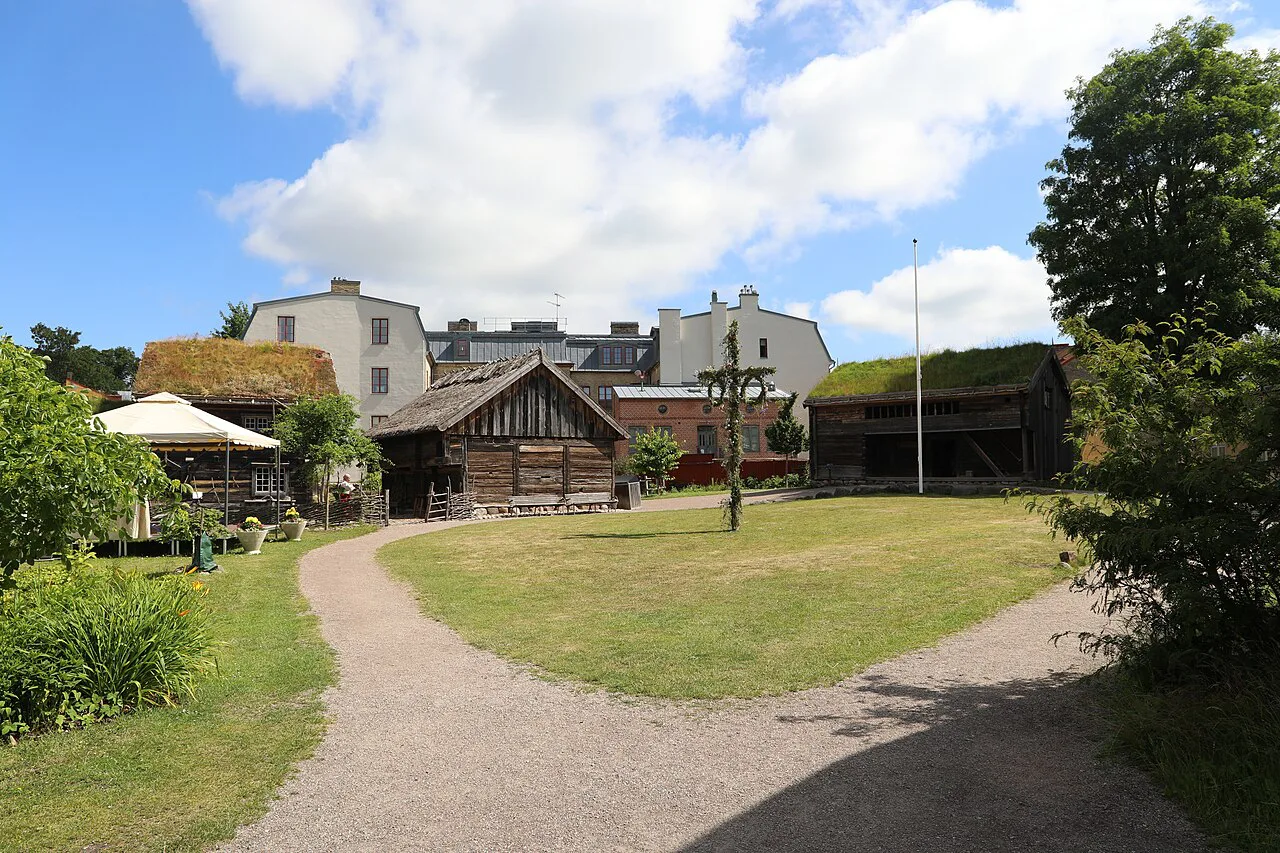
Behind the exhibition halls, the open-air museum gathers historic buildings from across southern Sweden, showing how people lived from the Middle Ages to the 1930s across different social classes. A trail called How did people live in the past? starts at the entrance and leads you to six historic homes with reconstructed interiors, so you get a structure rather than a scatter of separate houses.
This is the half of Kulturen that depends on weather. On a dry day the streets, gardens and house interiors justify lingering; in steady rain the appeal drops sharply and the indoor exhibitions become the sensible core of the visit. The museum's own photographs show the open-air site on a summer day, which is a fair hint about when it shows itself best.
The medieval grovkök in Dekanhuset
In the ground floor of Dekanhuset, Kulturen has created a reconstruction of a medieval grovkök, the rough working kitchen of a grand house. A QR code on the sign outside links to a filmed, dramatised presentation of the room, so bring a charged phone if you want that layer of context.
The room next door holds a smaller display on Lund's lost churches, presenting architectural details and grave monuments from churches that no longer stand. Together they make a compact, specific stop that rewards ten or fifteen minutes and suits anyone interested in the medieval city.
How much time to allow
For a first visit, budget two to three hours: about an hour and a half indoors across the main exhibitions, and the rest outside on the historic homes trail. If you only have an hour, choose one half rather than trying to skim both, because the site is spread out and hurrying between buildings eats the time you meant to spend looking.
What to skip on a short visit: the temporary shows whose subjects mean least to you, and the deeper corners of the open-air site if the weather has turned. If you are weighing Kulturen against another museum, the Skissernas Museum is the obvious alternative for art and sculpture, and it makes a sensible pairing across a two-museum day in Lund.
Guided tours in English
Kulturen runs guided tours in English with a selection of themes, both at the museum in Lund and at Kulturens Östarp, and the themed format lets you focus on the historic houses or a particular exhibition rather than taking in everything. Most tours are included in admission, with exceptions for certain special tours, so check which category yours falls into when you book.
Booking ahead matters most for groups and for the themed tours, since a place on a scheduled tour depends on the day's programme. If your dates are fixed, look at the tour listings before you settle on a day.
Kulturen with children
Children and young people aged 0 to 18 get in free, and the museum lays on family activities including a play exhibition with the rooms of Madicken and Lisabet, a ceramics display full of shapes and patterns to explore, and the historic homes for imagining how people lived. The 2 20s exhibition has interactive elements that work for older children and teenagers as well as adults.
The café and restaurant on site make it easy to break a visit in half, which matters with smaller children who tire of exhibitions before they tire of the outdoor houses. Kulturen also runs school-holiday programmes with drop-in craft sessions, so a wet week in the holidays is a reasonable time to turn up.
Nearby: three smaller museums and central Lund
Kulturen's organisation also runs the Grocer's Shop, a turn-of-the-last-century shop interior; the Tegnér Museum in the home of the Swedish author Tegnér; and the Museum of Life, which explains how the body works. The last is a natural add-on with children, and all three sit within Lund rather than requiring a journey.
Beyond the museum walls, central Lund is compact enough to walk: the cathedral, the university buildings and the surrounding streets are all close, and the Botaniska trädgården gives you a green pause if the open-air museum has already filled your outdoor quota. The Historiska museet covers the region's archaeological collections if the medieval material at Kulturen leaves you wanting more.
Kulturens Östarp and the wider organisation
Kulturen's other site, Östarp, is a separate historic farming environment from the mid-nineteenth century with buildings, animals and gardens; its half-timbered farmhouse Gamlegård opens in the summer season, while the surrounding landscape can be walked in any season. It sits outside central Lund, so treat it as its own outing rather than an extension of a city visit.
Is Kulturen worth half a day in Lund?
Yes, provided you go for both halves. The exhibitions alone justify an hour or two, but the historic homes are what make Kulturen distinctive, and skipping them because of rain or a tight schedule turns a memorable museum into a conventional one. Plan the open-air trail for the best weather of your stay and let the indoor displays fill the rest.
Explore more Lund guides
Frequently Asked Questions
Do you need to book Kulturen in advance?
General museum admission is bought on the day rather than booked in advance. Booking matters for guided tours, group visits and some holiday activities, which the museum sells in advance through its programme pages.
Is Kulturen suitable on a rainy day?
Partly. The exhibition buildings are indoors, so they work whatever the weather, but the open-air museum of historic homes and gardens is best on a dry day. On a wet visit, plan on the exhibitions and leave the trail for another time.
How much are tickets to Kulturen?
Admission is published as a range from 0 to 150 kr, with free entry for visitors aged 0 to 18. Confirm which price applies to you on the museum's ticket page before travelling.
How long does a visit to Kulturen take?
Two to three hours covers the main indoor exhibitions and the trail of six historic homes at an unhurried pace. With an hour, pick one half rather than trying to see both.