
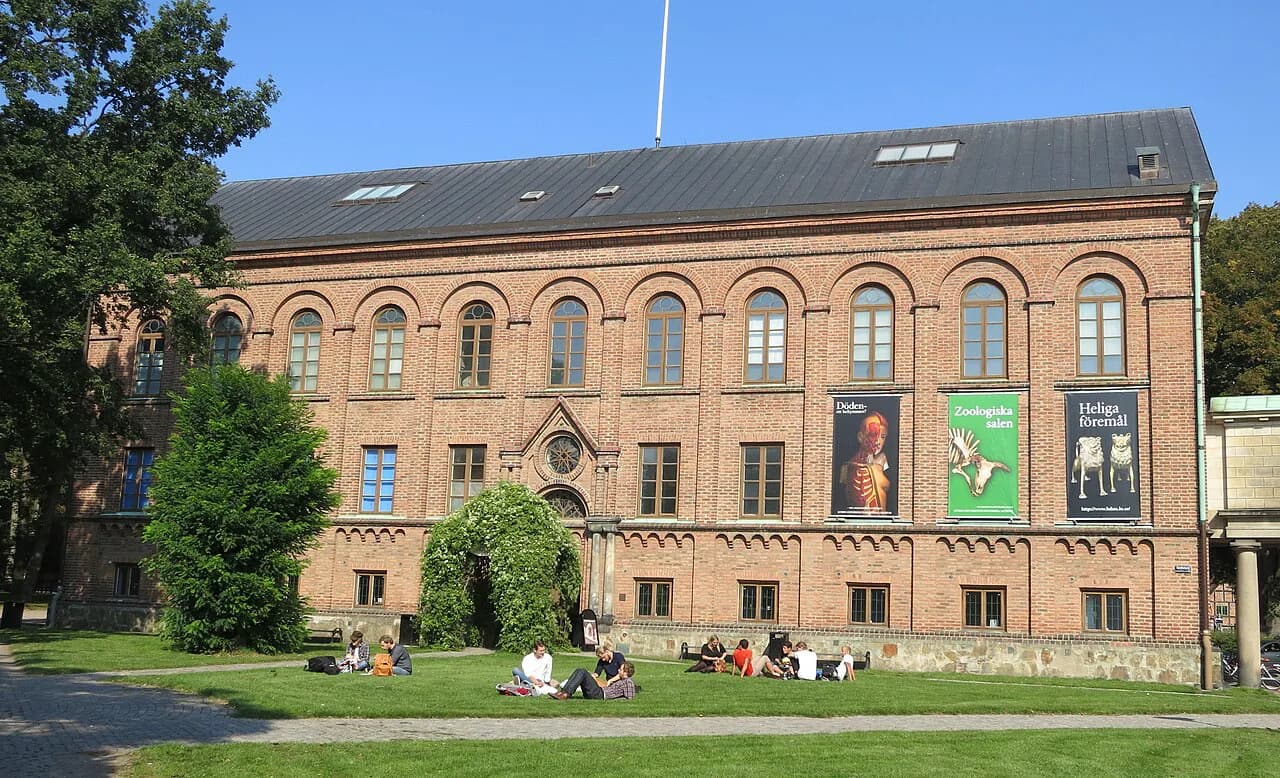
Lund University Historical Museum (Historiska museet): what to see and when to go

Historiska museet, the Lund University Historical Museum, is the place to go in Lund for the deep archaeology and church history of Skåne, and a sensible visit takes about two hours. It sits at Krafts torg 1 in the centre, a short walk from Lund Cathedral. This guide covers the building's location, its two seasonal opening patterns, the exhibition rooms to prioritise and the closures worth checking before you travel.
What the museum is and where it sits in Lund
Historiska museet is Lund University's research-based history museum, run from Krafts torg 1 in central Lund. Its exhibitions draw on the university's archaeological and historical collections, with strong holdings in church art, coins and prehistoric material from Skåne. Treat it as a museum of the region's past rather than a general city museum, and you will get more from the rooms.
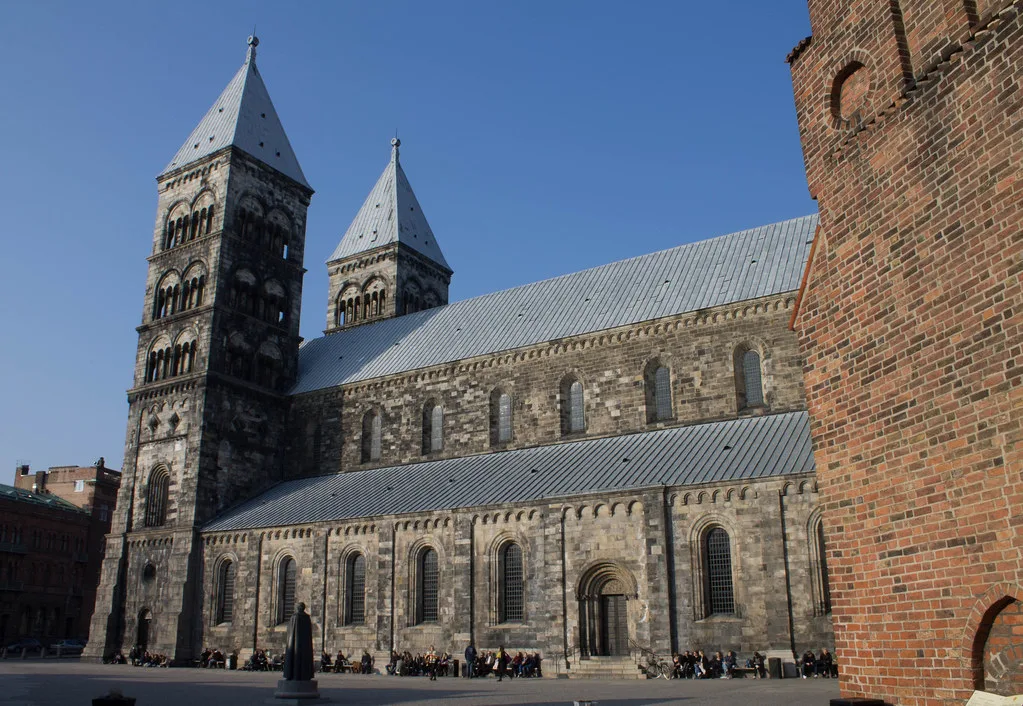
The building stands on Krafts torg, a central square a short walk from Lund Cathedral and the pedestrian streets around it. That puts it within easy reach of the rest of central Lund, including the other museums covered in our Lund Attractions: 10 Visitor Guides. If you are building a short break, our Lund guide is the place to start before narrowing down which buildings you have time for.
Opening days and hours, summer versus the rest of the year
The museum runs two opening patterns. From September to May it opens Wednesday to Sunday, 12:00–16:00, and is closed on Monday and Tuesday. From June to August it opens Tuesday to Sunday, 12:00–17:00, and is closed on Monday. The summer change matters: a Tuesday visit works in July but not in October, and a Wednesday afternoon works in both.
Check the museum's own opening-hours page before you set out, because the two patterns only take effect in their stated months and the page is the authority on any change. Plan the rest of your day around the days the museum actually opens rather than assuming a seven-day city museum. If your trip falls on a Monday, put the museum aside and use that day for somewhere else in Lund.
How to get to Krafts torg 1 and how long to allow
Krafts torg 1 is in the middle of Lund, so the realistic approach is on foot from the cathedral or the main squares. Allow a few minutes to cross the centre rather than budgeting for a bus. Once inside, two hours is a fair allowance for the main exhibition rooms, and a shorter stop of about an hour works if you focus on one or two collections.
Check the museum's own visit pages for any current access information before relying on a particular entrance or route. The practical decision is simply whether you build the museum into a cathedral-centred morning or a separate afternoon. Both work, but the afternoon suits the 12:00 opening better than an early start.
The collections and exhibition rooms to prioritise
The museum's exhibition list is the best guide to what is on: Hunnestadsmonumentet, Lundensiskt musikliv under tre sekler, Skatter från fem kontinenter, Otto Rydbecks sten- och bronssal, Medeltida kyrklig konst, Liturgiska föremål and Skatter från Skåneland. With two hours, pick two or three rather than trying to cover everything. Church art and the regional archaeology give the clearest sense of what this museum is for.
If your interests run to modern and contemporary art instead, the Skissernas Museum, Lund is the other obvious Lund stop and covers a different field entirely. The two make a sensible pair only if you have a full day and a clear preference for one over the other. For most short-break visitors, one museum of this kind is enough alongside the cathedral.
The Hunnestadsmonumentet and the medieval church art
Hunnestadsmonumentet is one of the museum's named displays and the kind of early monument that gives the collection its weight. Pair it with Medeltida kyrklig konst and Liturgiska föremål if you want the church side of Skåne's history in one visit. These rooms reward slower reading than a quick circuit of the whole building.
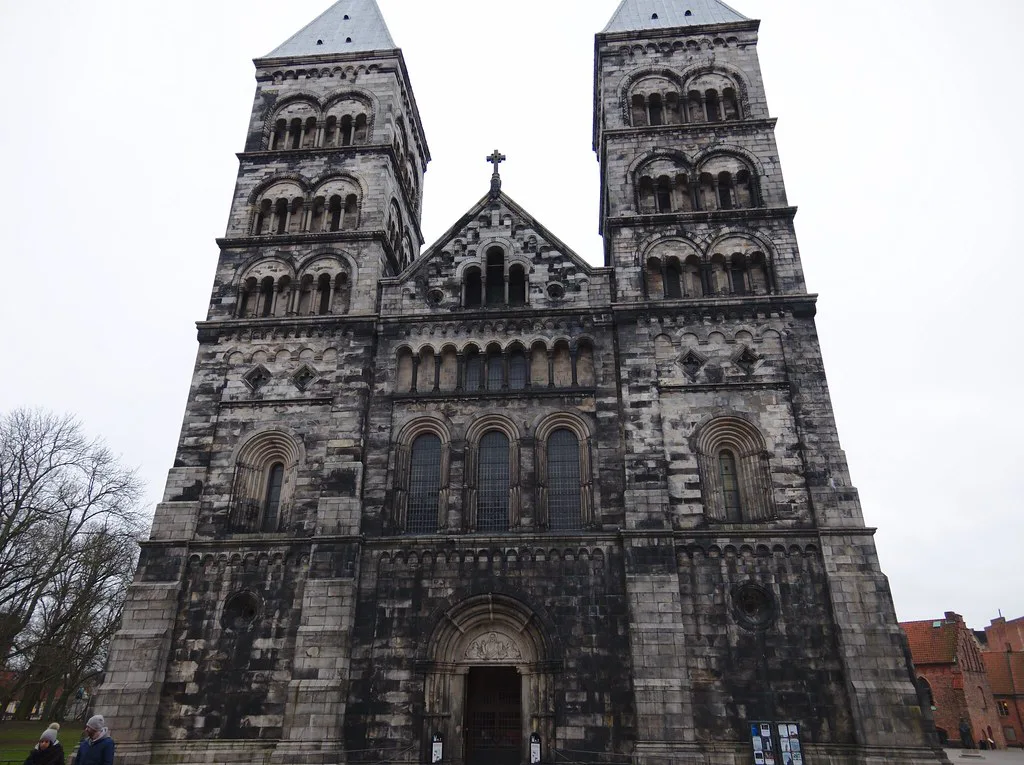
Lund Cathedral is a few minutes away and the Domkyrkomuseum is linked to the same church history, so a morning that starts in the cathedral and ends in the museum's church collections follows a natural thread. Allow extra time if you plan to do both properly. The museum's own site is the place to confirm which displays are open during your dates.
Skatter från fem kontinenter and the ethnographic collection
Skatter från fem kontinenter draws on the university's ethnographic collection and sits apart from the Skåne material, which makes it a useful change of pace midway through a visit. The university's history explains how these collections came together: its own account notes that a collection of curiosities became the foundation for museums. That context makes the ethnographic room easier to read.
If you have time for only one room beyond the church material, this is a strong candidate because it is unlike what you will see in the cathedral. Give it around half an hour rather than a passing glance. The exhibition list on the museum's site names the room, so you can confirm it is showing before you go.
Coins, Otto Rydbeck's stone and bronze hall and the archaeological material
Otto Rydbecks sten- och bronssal covers the stone and bronze material, and the university's coin collection, Myntkabinettet, is part of the same museum's holdings. These rooms suit anyone interested in the archaeology of the region rather than church interiors. If you are travelling with someone who prefers objects to buildings, start here.
The archaeological collections are also the museum's research core, which shows in the way the material is presented. Budget more time than you expect if this is your main interest. For a contrasting outdoor stop later in the day, the botanical garden is a short walk from the centre.
Closures: public holidays and the Lundakarnevalen
The museum closes over Christmas, New Year, Walpurgis Night on 30 April, Midsummer Eve and during the Lundakarnevalen, which runs every fourth year. It stays open as usual at Easter. The carnival closure is the one most likely to catch a day-tripper out, because it removes a normal opening day without any change to the weekly pattern.
If your dates fall near a public holiday or a carnival year, confirm the museum is open before you build a day around it. Otherwise the weekly pattern above is the only thing you need to plan around. Treat the published closures as the full list and check the opening-hours page for anything added.
Tickets, prices and what to confirm before you go
The museum publishes prices and discounts on its own prices page rather than in the opening-hours listing, so check there for the current entry charge and any concessions. Admission arrangements can change, and the museum's site is the only reliable source for the figure that applies on your date. Do not rely on memory or on a price quoted in an old guidebook.
The museum also lists guided tours and bookings separately from general admission, so decide in advance whether you want a tour or a self-guided visit. If you are comparing Lund museums, remember that each sets its own ticket terms. Build the price check into your planning rather than assuming a standard city-museum fee.
Nearby: Lund Cathedral and the Domkyrkomuseum
The Domkyrkomuseum appears among the museum's own collections and makes an obvious companion to the museum's church collections. A combined visit to the cathedral, the Domkyrkomuseum and Historiska museet fills a solid half-day in central Lund. Start with the cathedral while it is quiet, then use the museum's 12:00 opening as the second half of your morning or the start of an afternoon.
For a different kind of Lund stop, Kulturen in Lund is an open-air museum nearby and suits travellers who want buildings and gardens rather than display cases. Choose between the two if your time is short and keep the other for a return visit. Lund is compact enough that you can walk between all of these without transport.
Is the historical museum worth half a day in Lund?
Yes, if you want the archaeology and church history of Skåne in one building and you are in Lund on a day it opens. The catch is the schedule: Monday is always closed, Tuesday is closed from September to May, and the daily opening starts at noon. Build your day around those facts rather than the other way round, and confirm the current entry charge on the museum's prices page.
If your interests lean to art or open-air buildings, spend the time at Skissernas Museum or Kulturen instead and keep Historiska museet for a visit when the calendar suits. Either way, the cathedral and its museum are close enough to combine with whichever you choose.
Explore more Lund guides
Frequently Asked Questions
Is Historiska museet open on Mondays?
No. The museum is closed on Mondays all year. From September to May it also closes on Tuesdays, so a midweek visit from Wednesday onwards is the safest choice outside summer.
Do I need to book tickets in advance?
The museum publishes its ticket and booking information on its own prices page, and that is where to confirm whether advance booking is needed for your date.
How long should I spend at the museum?
Allow around two hours for the main exhibition rooms. If you only want the church art or the archaeological material, an hour is enough.