
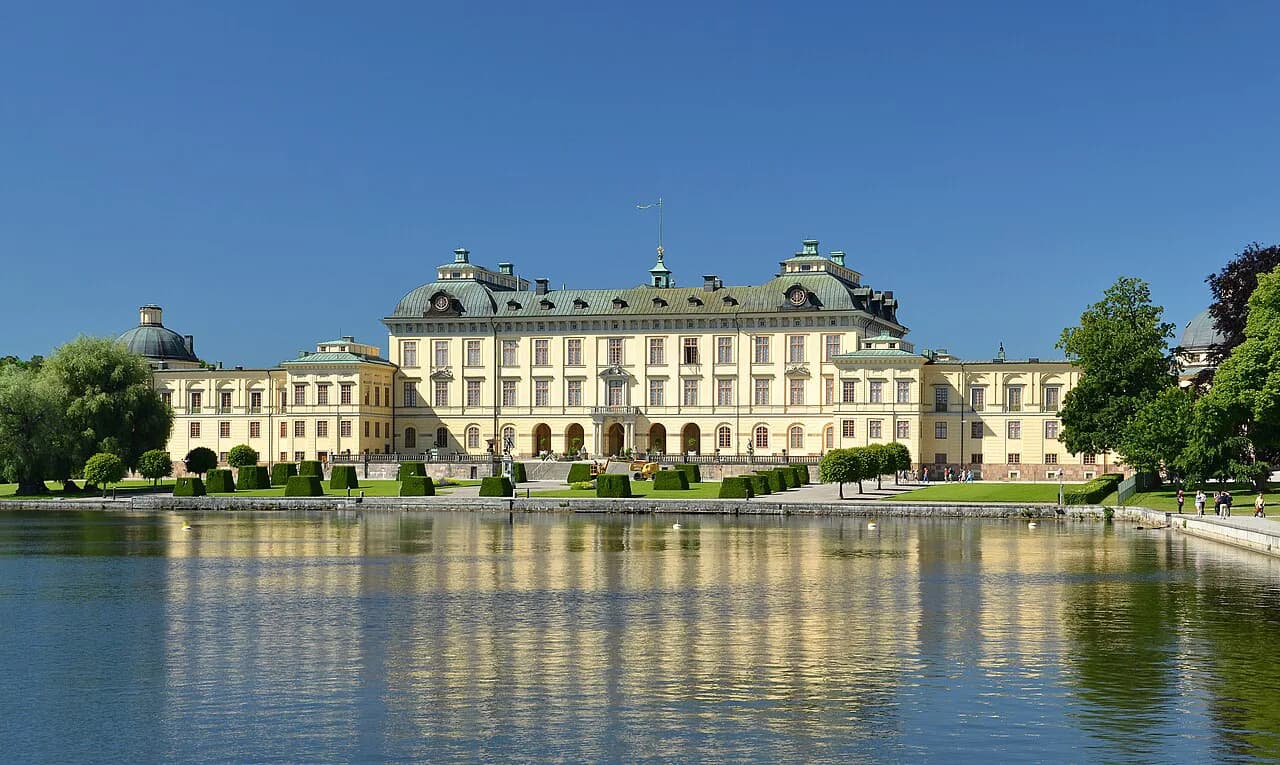
Drottningholm Palace: A Visitor's Guide to Stockholm's Royal Residence

Drottningholm Palace is worth the half-day: it is the Swedish King and Queen's permanent home, a UNESCO World Heritage site, and the best-preserved royal castle built in Sweden in the 1600s. The estate sits on Lovön in Ekerö Municipality, roughly 10 km west of central Stockholm, and combines state rooms, a year-round park, a Chinese Pavilion and a chapel. This guide covers the journey, what you can actually go inside, and how to pace the visit.
Allow around half a day, more if you want the Chinese Pavilion, the theatre and a proper walk in the park. The palace is not in the city centre, so the trip works best as a single focused outing rather than something squeezed between two central sights. If you want the wider shortlist of what to see in the capital, our Stockholm Attractions: 29 Visitor Guides sets out the options.
What Drottningholm Palace is
Drottningholm is a royal palace begun in the 1660s for Queen Hedvig Eleonora, designed by the architect Nicodemus Tessin the Elder under strong French influence. It remains a working royal residence rather than a museum shell, which shapes what you can see and when. It earned its place on the World Heritage list for being the most intact 1600s royal castle in Sweden and for representing the wider European architecture of the period.
Later monarchs left their own mark on the interiors, so the rooms read as layers of royal taste rather than one frozen moment. The appeal for a visitor is the combination: formal state rooms, a vast park, an exotic pleasure pavilion and a court theatre all within one estate. That is also the practical challenge, because each element has its own opening pattern.

Where the palace sits
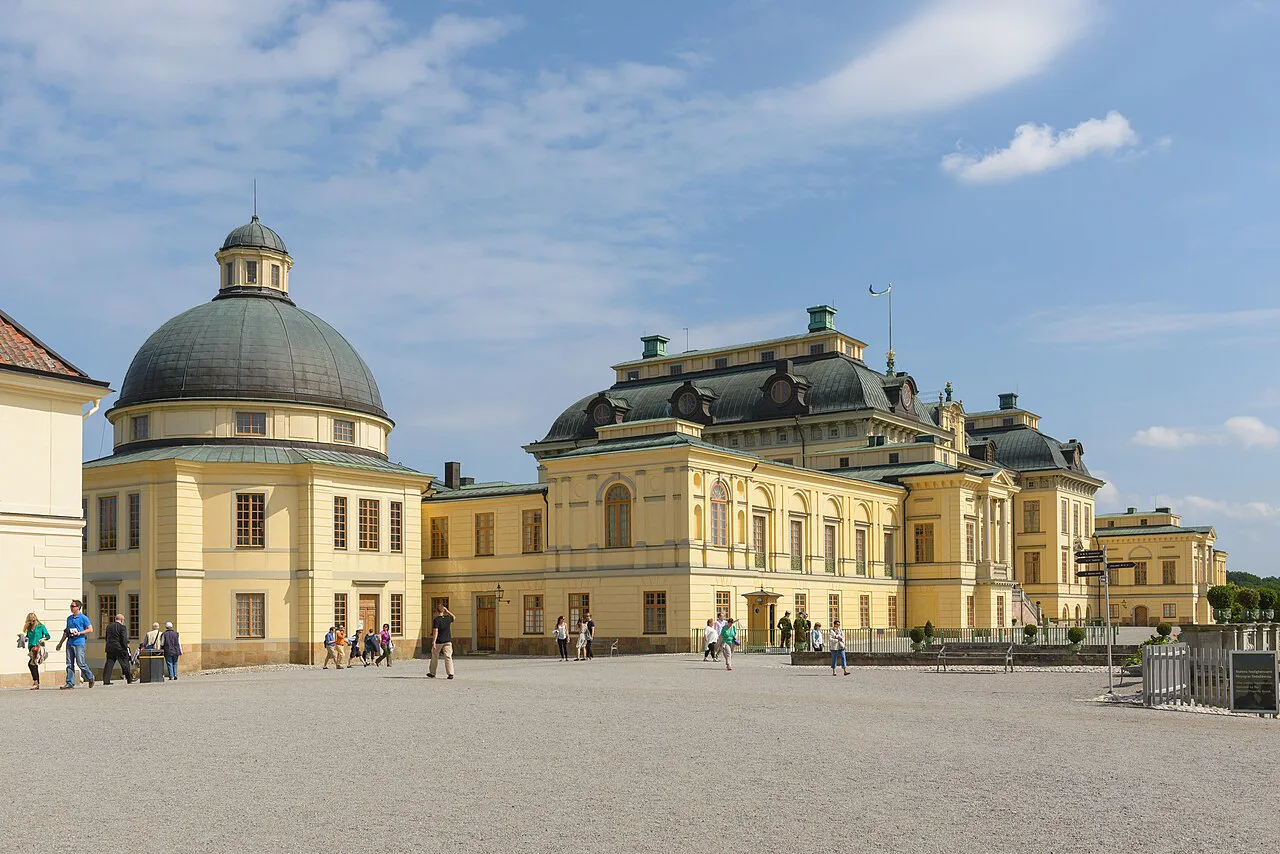
The palace stands on Lovön in Ekerö Municipality, approximately 10 km outside Stockholm, with the address given simply as Drottningholm. It is a suburban and semi-rural setting, with the park running down towards water, rather than a building you stumble across in the city grid. The Royal Palace in Gamla Stan is the other royal address most visitors know, and the two are easily confused; Drottningholm is the family's permanent home, while the central palace serves official and ceremonial duties.
Because it sits outside the centre, factor the transfer into your day rather than treating it as a ten-minute detour. If you are building a Stockholm itinerary around royal and historic sights, pairing Drottningholm with the central palace on a different day keeps both visits unhurried.
How to get there by T-bana and bus
The standard route is the T-bana to Brommaplan, then a bus onward to the Drottningholms Slott stop. The critical detail is payment: it is not possible to buy bus tickets in any cash register in the Drottningholm area, and the Pressbyrån kiosk is no longer there, so tickets are bought through SL's app before you travel. Download it and sort your ticket while still in the city, then plan the trip with the stop set as Drottningholms Slott.
Cyclists can follow the bicycle path from central Stockholm out to Drottningholm, which suits a longer, slower day in good weather. Drivers follow route 275 towards Vällingby and then pick up signs to Drottningholm from Brommaplan.
The summer boat from Stadshuskajen
In summertime, regular boat services run from Stadshuskajen, the City Hall Quay, to Drottningholm, operated by Strömma Kanalbolaget. This is the most pleasant way to arrive, turning the transfer into part of the outing along the water. Departure times and fares come from the operator, so confirm them with Strömma Kanalbolaget when you book rather than assuming a fixed timetable.
The boat is a seasonal option, so it will not rescue a trip outside the summer months. If you are in Stockholm in the colder half of the year, plan on the T-bana and bus combination and treat the boat as a bonus if your dates line up.
Tickets and opening hours
Tickets are sold at the palace entrance during regular opening hours, or online through the royal palaces website, which is also where admission charges are listed. Opening hours vary across the year rather than following one fixed weekly pattern, so the palace calendar is the thing to check for your dates rather than a banner on the homepage. The same site publishes guided tour options, and you can explore the palace independently if you prefer.
Note that the park is open all year round, which means an out-of-hours arrival is not wasted even if the interiors are closed. Check the palace calendar for the dates you plan to travel before fixing the day.
Parking if you drive
Visitor parking is available at Drottningholm and at the Drottningholm Palace Theatre, with bus and wheelchair-accessible spaces that are free of charge. Other parking costs 15 SEK per hour with a maximum parking time of 6 hours, paid through the Mobill Parkering or ePark apps or by card or SMS. The zone code for all three car parks is 25583, and the site recommends downloading the app before you arrive.
There is additional parking about 300 m from the palace at Karusellplan, useful when the main car parks fill on a busy day. The six-hour cap is generous for this visit but leaves no scope for arriving late and lingering into the evening.

Can you go inside, and which parts are open
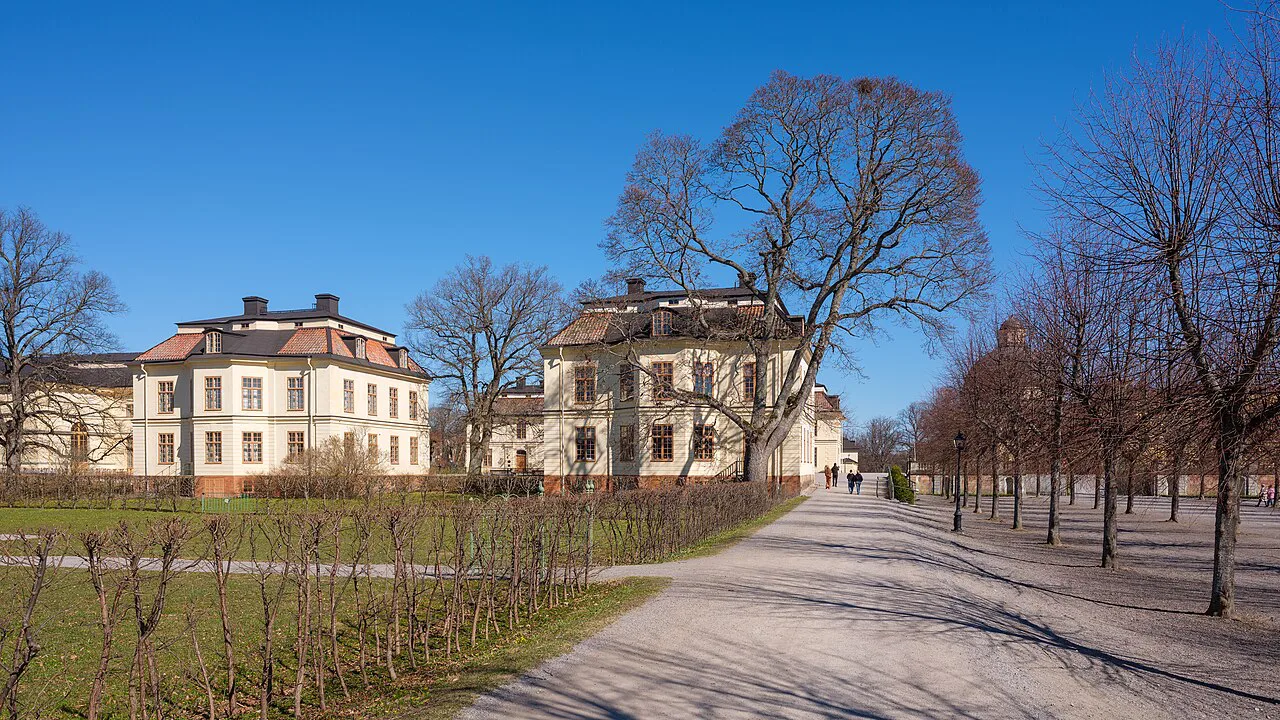
Yes, most of the palace is open to the public: the rooms in the southern wing are reserved for the King and Queen as their permanent residence, and the rest of the palace and grounds welcome visitors year round. That split is the key thing to understand before you arrive, because it explains why some interiors are off limits and why the experience is a partial view of a working home.
Beyond the main palace, several separate attractions sit on the estate, each with its own arrangements: the Reception Halls, the Chinese Pavilion, the palace theatre, the Royal Chapel and Evert Lundquist's Studio. Treat them as add-ons to judge individually rather than assuming one ticket or one opening time covers everything.
What to see inside
The reception halls are the heart of the interior, layered with the taste of the queens and kings who shaped them since Hedvig Eleonora's original commission. Look for the sequence of formal rooms and the portraits and furnishings that carry the palace's history, and consider the guided tour if you want the context behind individual rooms. The Swedish Royal Palaces app includes guided content you can use while walking through.
If you like decorative arts as much as royal history, our guide to Nationalmuseum Stockholm at Södra Blasieholmshamnen makes a natural central-city counterpart to the palace interiors. It is a different kind of collection, but the two visits complement each other well across a short break.
The palace park and gardens
Drottningholm Palace Park is open all year round and is the part of the estate you can count on regardless of the season. The historic grounds combine formal gardens with the wider landscape, and the combination of park, pavilion and theatre is what the palace itself identifies as making a visit unique. Give the park real time rather than treating it as the walk back to the bus.
In summer the gardens are the reason to linger; in colder months they are the reason the trip still works when you would rather be outdoors than in a queue. Either way, wear shoes that cope with gravel and grass.
The Chinese Pavilion and the palace theatre
The Chinese Pavilion is a pleasure palace in the grounds, exotic in style and one of the elements that sets Drottningholm apart from a straightforward castle visit. The palace theatre is the other distinct draw, and the estate presents the pavilion, theatre and gardens together as the core of the experience. Both sit within the grounds, so the walking between them is short once you have made the journey out.
Each has its own visiting arrangements, so decide before you go whether they matter enough to shape your day; if they do, build the timetable around them rather than around the main palace alone. Evert Lundquist's Studio, in the old machine house at the Chinese Pavilion, is a quieter extra for anyone interested in artists' spaces.
The Royal Chapel at Drottningholm
The Royal Chapel at Drottningholm opened in 1730 and has been in continuous use ever since, which makes it one of the estate's more quietly remarkable spaces. It is a short stop compared with the state rooms, but worth folding into the same visit rather than skipping. Its opening arrangements follow the estate's own calendar rather than the main palace's, so check both.
If church interiors are a theme of your trip, Riddarholmen Church in Gamla Stan is the central-city complement, with its own royal associations and a very different atmosphere.
How long to allow
Budget half a day for the palace, park and one add-on such as the Chinese Pavilion, and a full day if you want the theatre, the chapel and a long walk in the grounds as well. The transfer is the hidden cost: the T-bana and bus combination plus the walk to the entrance eats into the time you have.
A sensible shape is to arrive in the morning, take the interiors first while you are fresh, then give the park the middle of the day and finish with whichever add-on you have chosen. Trying to do all of it in an afternoon is where people run out of time.
Is it worth the trip?
Yes, if you want a genuine royal residence with gardens, a pavilion and a theatre in one place, and you are willing to give it half a day. The trade-off is distance: this is not a sight you can slot between two stops in the centre, and the journey out and back shapes the day. If your Stockholm time is very short, the central palace in Gamla Stan is the lower-friction royal visit.
For a three- or four-day break, Drottningholm is one of the strongest half-days outside the centre and rewards anyone interested in architecture, gardens or court history. The park being open year round means the trip is rarely wasted, even if the interiors are shut.
Nearby on Lovön and around the grounds
Most of what you will want to see is inside the estate itself: the park, the Chinese Pavilion, the theatre, the chapel and the studio sit within walking distance of the palace. Practical facilities on site include the Royal Gift Shop and Visitor Centre and a restaurant and café, so you do not need to plan lunch elsewhere. Parking at the theatre and at Karusellplan serves different corners of the grounds.
Do not overplan the surrounding area: the estate is the day. Back in the city, our Stockholm Attractions guide helps you slot the rest of the break around it.
How to slot Drottningholm into your Stockholm days
Give Drottningholm its own half-day, travel out on the T-bana and bus with an SL ticket bought in the app beforehand, and decide in advance whether the Chinese Pavilion or the theatre earns the extra time. The interiors, park and chapel together make a full outing; the boat from Stadshuskajen is the pleasant summer route if your dates allow it.
Check the palace calendar for your dates before you commit the day, and keep the park as the fallback if the interiors are closed. Then fill the rest of your break from the Stockholm Attractions guide.
Explore more Stockholm guides
Frequently Asked Questions
Is Drottningholm Palace worth visiting?
Yes, for most visitors it justifies half a day. It is a UNESCO World Heritage site and the King and Queen's permanent home, with state rooms, a park open all year round, a Chinese Pavilion, a chapel and a palace theatre on one estate. The main cost is the journey out of the city centre, so it works best as a dedicated outing rather than a quick stop.
How long should you spend at Drottningholm Palace?
Around half a day covers the palace interiors, a walk in the park and one add-on such as the Chinese Pavilion. If you want the palace theatre, the chapel and a longer walk in the grounds, allow a full day including the transfer from central Stockholm.
Where does the Swedish royal family actually live?
The King and Queen's permanent home is Drottningholm Palace. The southern wing of the palace is reserved for them, and the rest of the palace and grounds are open to the public year round.
Can you go inside Drottningholm Palace?
Yes. The state rooms and reception halls are open to visitors, with tickets available at the palace entrance during regular opening hours or online. The Royal Chapel, the Chinese Pavilion, the theatre and the park are separate parts of the estate, each with their own opening arrangements, so check them alongside the palace calendar.