
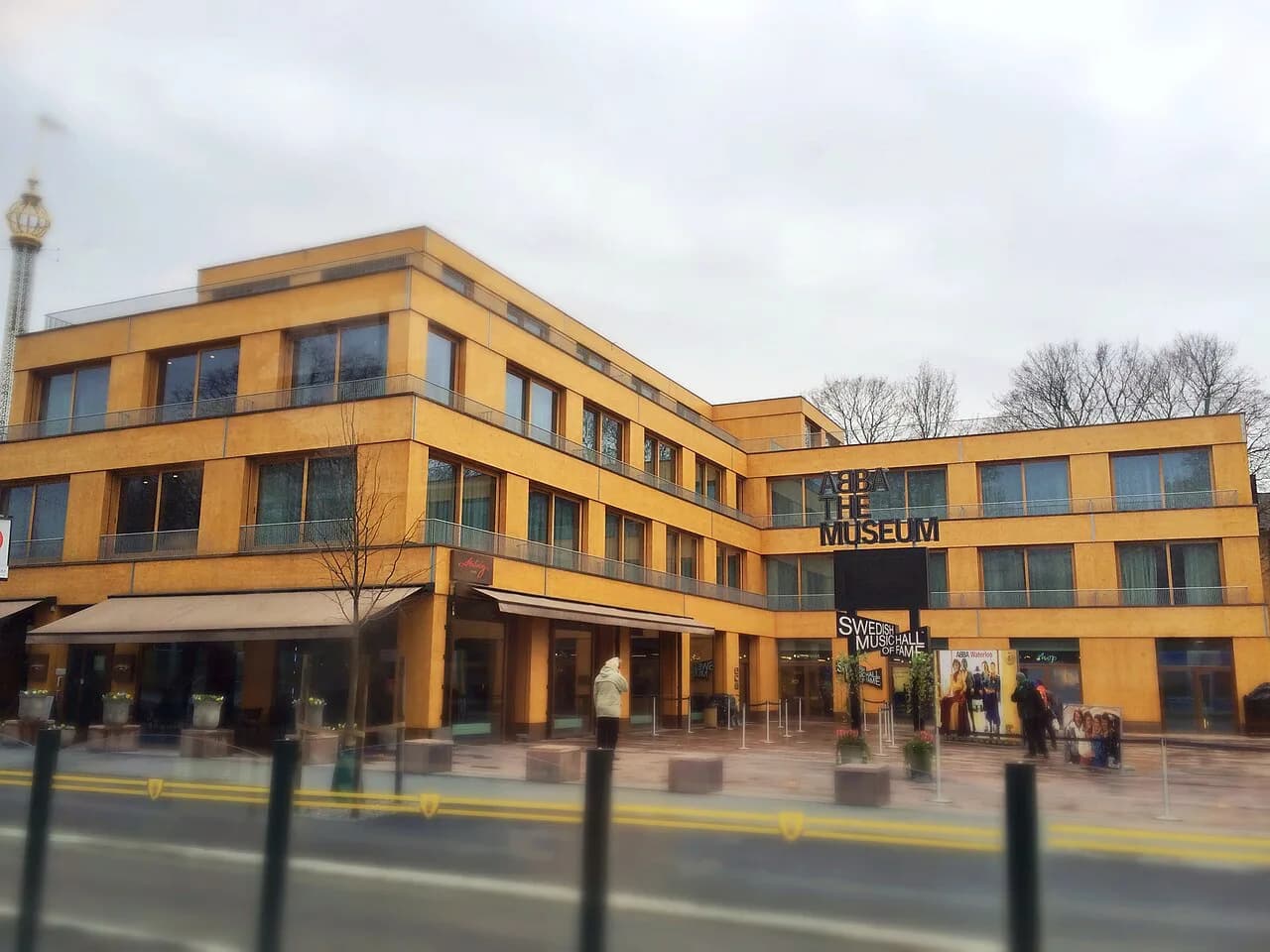
ABBA The Museum, Stockholm: what to see and how long you need

ABBA The Museum is a hands-on pop attraction on Djurgården, and two hours is a sensible allowance for most visitors. It suits a wet day or a short Stockholm break because the whole visit happens indoors and you can move through it at your own pace. This guide covers where the museum sits, what the exhibits actually involve, how tickets and hours work, and how to pair it with the rest of Djurgården.
What ABBA The Museum is and who it suits
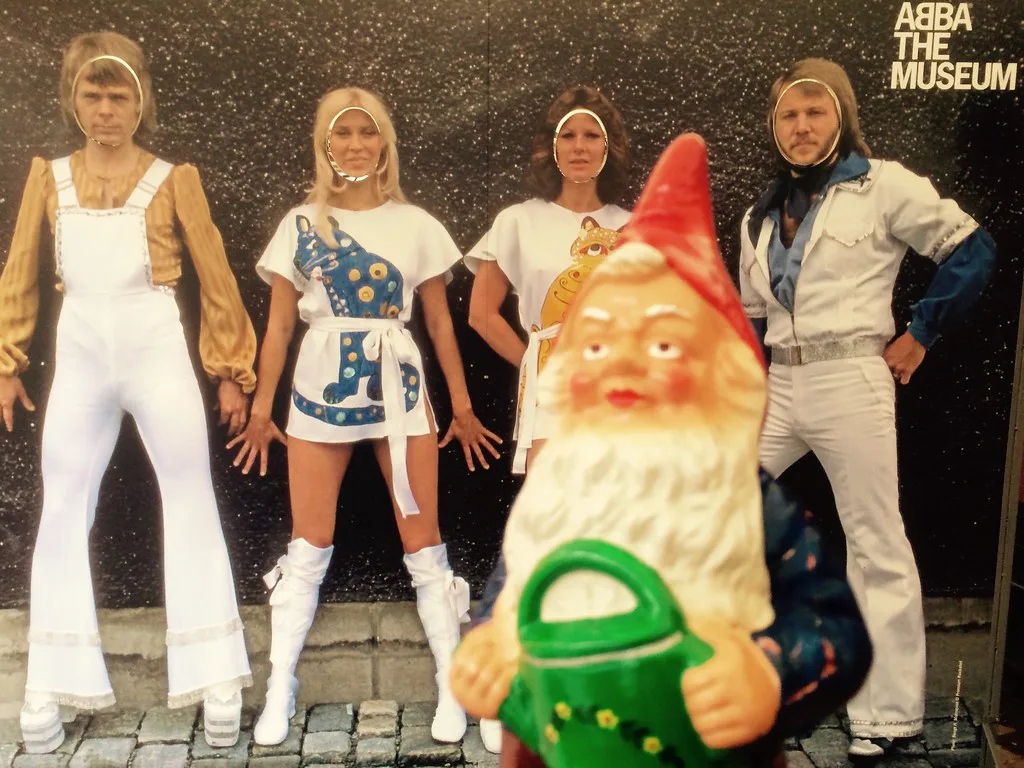
This is a modern museum devoted to the four members of ABBA, built around their costumes, gold records and original memorabilia rather than around a scholarly history of Swedish pop. The tone is celebratory and glitzy, matching the group's own image, so come for the atmosphere and the artefacts rather than for a deep archival treatment of the music.
The practical appeal is that it doubles as a wet-weather plan and a short-break filler: you are indoors throughout, the content is easy to dip into, and the interactive elements give the visit a shape. If you want a serious chronological account of the band's career, the balance of display and play may feel light. If you want to try on the costumes, sing on a virtual stage and see the gold records up close, it delivers exactly that.
Where it is on Djurgården and how to reach it
ABBA The Museum sits on Djurgården, the island of parkland and museums east of central Stockholm, which puts it within walking distance of several other big attractions. From the city centre, the usual approach is by tram or bus across to the island, or on foot from Nybroplan along the waterfront; the walk itself passes the water and is a pleasant way to start the day.
Because Djurgården is compact, you can treat the museum as one stop on a loop rather than a separate excursion. Build in ten to fifteen minutes of walking between venues and you will not spend the day in transit. If you are coming from Gamla Stan, the old town on Stadsholmen, the walk over the bridge and along the water to Djurgården is short enough to do on foot in most weather.
Opening hours and how to check the day you plan to visit
The hours listed on the attraction's Divento listing are 10:00 to 18:00 seven days a week. Treat those as a planning starting point rather than a guarantee for every date, since holiday periods and special events can alter them.
Check the day of your visit on the museum's own booking page before you set out, particularly if you are travelling around a public holiday or in high summer. Arriving in the late afternoon still leaves time for a full circuit, but a morning slot gives you more room if the interactive stations are busy.
Ticket prices in SEK and what the ticket covers
Adult admission has been quoted at 249 to 329 kronor, with lower rates for students and seniors. Treat that as a range rather than a fixed figure: it is not confirmed for 2026, and the price you pay depends on the date and how you book.
The ticket covers the museum's exhibits, including the costume and memorabilia displays and the interactive stage and costume experiences. There is also a self-guided walking tour product built around ABBA's story in the city, which is a separate purchase and not part of the museum entry. Budget in kronor and pay by card, since Sweden runs largely cashless.
Inside: costumes, gold records and the interactive rooms
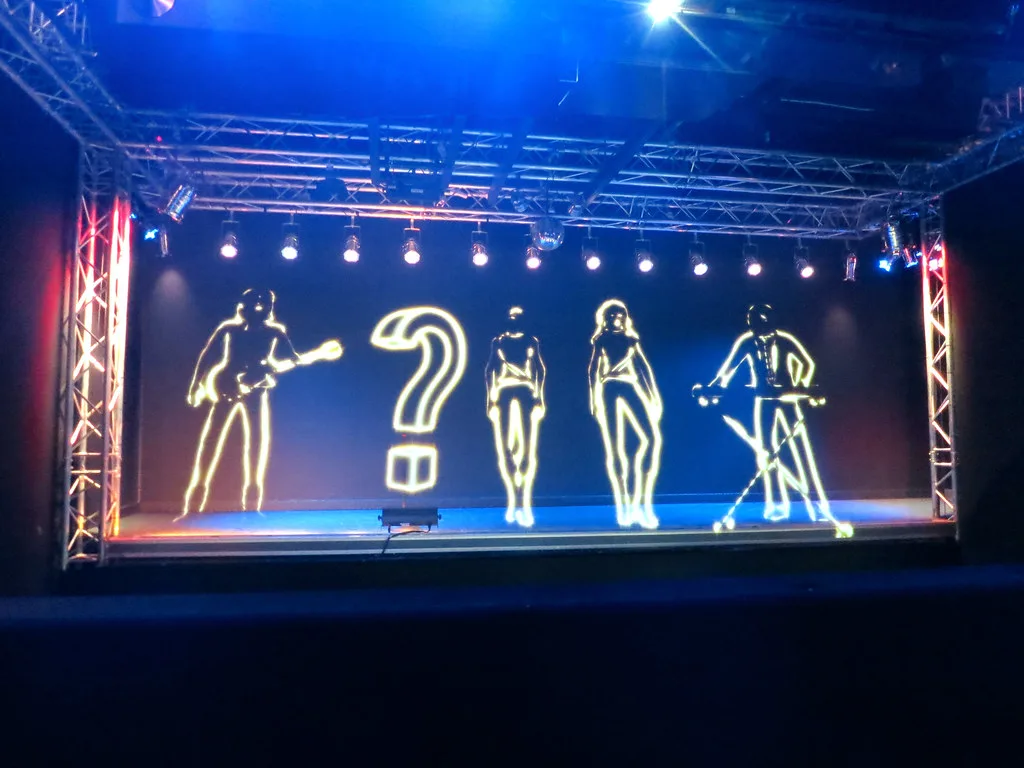
The static side of the museum is the strongest for anyone with a passing interest in the band: the members' stage costumes, gold records and original items are all on display, and they carry the visit. The interactive side is what most people come for, with the chance to try on costumes virtually and perform on stage as your own Dancing Queen.
Plan the two halves differently. Move steadily through the display cases first while your attention is fresh, then give the interactive stations the time they need, because queues build at the busiest ones. If you are visiting with people who would rather watch than perform, they can move ahead and meet you at the exit.
How long to allow and how to pace the visit
Two hours is a realistic budget for the museum itself, covering the displays and a go at the interactive stations without rushing. Add extra time if you are in a group where everyone wants a turn on stage, since each person's slot adds up.
If you are combining it with other Djurgården sights, put ABBA The Museum first or second in the day rather than last, when energy and patience are lower. A comfortable pattern is the museum in the morning, a walk through the green space of the island at midday, and a second museum in the afternoon.
Buying in advance versus turning up, and the multi-day pass
Booking ahead makes sense for a weekend or a school holiday, when timed entry keeps the interactive rooms manageable and saves you a queue at the door. On a quiet weekday you can usually decide on the day, though a quick check of availability before you travel across town avoids a wasted trip.
Multi-day city passes are sold as one-day or three-day options, and they can work out cheaper if you are packing in several paid attractions over a short break. The trade-off is commitment: a pass only pays off if you actually use it, so count the paid sights you genuinely plan to visit before buying. For a single ABBA visit plus free wandering, a standalone ticket is simpler.
Nearby Djurgården sights and green space to pair with it
Djurgården is Stockholm's museum and park island, so the natural pairing is another collection or a stretch of green space rather than a dash back into the city. Keep the afternoon loose: pick one more venue, leave time to walk the paths and waterfront, and you will get more out of the island than a tick-box circuit.
If you would rather stay on the water side of the city, the Nationalmuseum on Blasieholmen is a straightforward alternative for an art-focused half-day, reachable on foot from the centre. It pairs well with a morning at ABBA The Museum only if you are comfortable moving between the island and the waterfront near Nybroplan.
Who will enjoy it most, and who might find it thin
This is a strong pick for ABBA fans, families with teenagers, and anyone who wants an indoor activity that does not demand prior knowledge of Swedish history. The interactive rooms do most of the work of keeping a mixed group engaged, and the memorabilia gives the visit substance.
It is a weaker fit for travellers who want a rigorous music history or who prefer quiet galleries to hands-on stations. If that sounds like you, an hour may be enough, and you are better off spending the rest of the day on Djurgården's outdoor space or at another collection.
Is ABBA The Museum worth a slot in your Stockholm days?
Yes, if you want a lively indoor two hours and the interactive stage and costume experiences appeal; no, if you are after a serious archival account of the band. Weigh the ticket range against how many other paid sights you will actually visit before deciding on a pass.
Book a morning slot, walk over from the centre, and leave the afternoon free for the rest of Djurgården. Confirm the day's hours and ticket price on the museum's own site before you go. For more on the city's historic churches, see Riddarholmen Church.
Explore more Stockholm guides
Frequently Asked Questions
How much time should I spend at ABBA The Museum?
Allow about two hours for the displays and the interactive stations. Add time if everyone in your group wants a turn on the virtual stage, and keep the visit early in the day if you plan to see more of Djurgården afterwards.
Is ABBA The Museum suitable for children?
The hands-on stage and costume experiences tend to engage younger visitors more than the display cases. Families usually get the most out of a shorter, focused visit rather than trying to read every panel.
Can I visit ABBA The Museum and other Djurgården sights in one day?
Yes. The island is compact and walkable, so the museum plus one more venue and a walk through the green space makes a comfortable day. Build in walking time between venues rather than trying to fit in three or four.