Gothenburg Cathedral (Domkyrkan): What to See and Know
Gothenburg Cathedral sits between Kyrkogatan and Kungsgatan, a short walk from the shopping streets. Here is what to see inside and how long it takes.
On this page
Gothenburg Cathedral, known locally as Domkyrkan, is worth about 20 minutes of a city-break afternoon rather than a half-day of its own. It sits on a narrow plot between Kyrkogatan and Kungsgatan, so you can step out of the shopping streets and into a calm, plain interior without planning a detour. This guide covers what stands on the site, what to look for inside, and how the visit fits a one to three day plan.
The building is the third cathedral on this land, which explains why the outside reads as a restrained neoclassical block rather than something medieval. Knowing that history makes the interior make sense too: the baroque altar was salvaged from the fire that destroyed the previous church. Below is what to see, where to find the entrance, and the honest trade-off of a short stop in a busy quarter.
What Gothenburg Cathedral is and where it sits
Domkyrkan is the main church of the Gothenburg Cathedral parish and still serves as a place of worship for people living in the city, not a museum piece. It occupies a rectangular sliver of land between Kyrkogatan and Kungsgatan, with the address at Kyrkogatan 28. That address puts it squarely in the central shopping district, a few minutes on foot from the main pedestrian streets.
For a visitor, the location is the point. You do not travel out to Domkyrkan; you pass it between shops, and the short stop resets an afternoon of walking. If you want the wider picture of the city's layout before you set out, the maps and guides in Gothenburg Attractions cover the central districts.
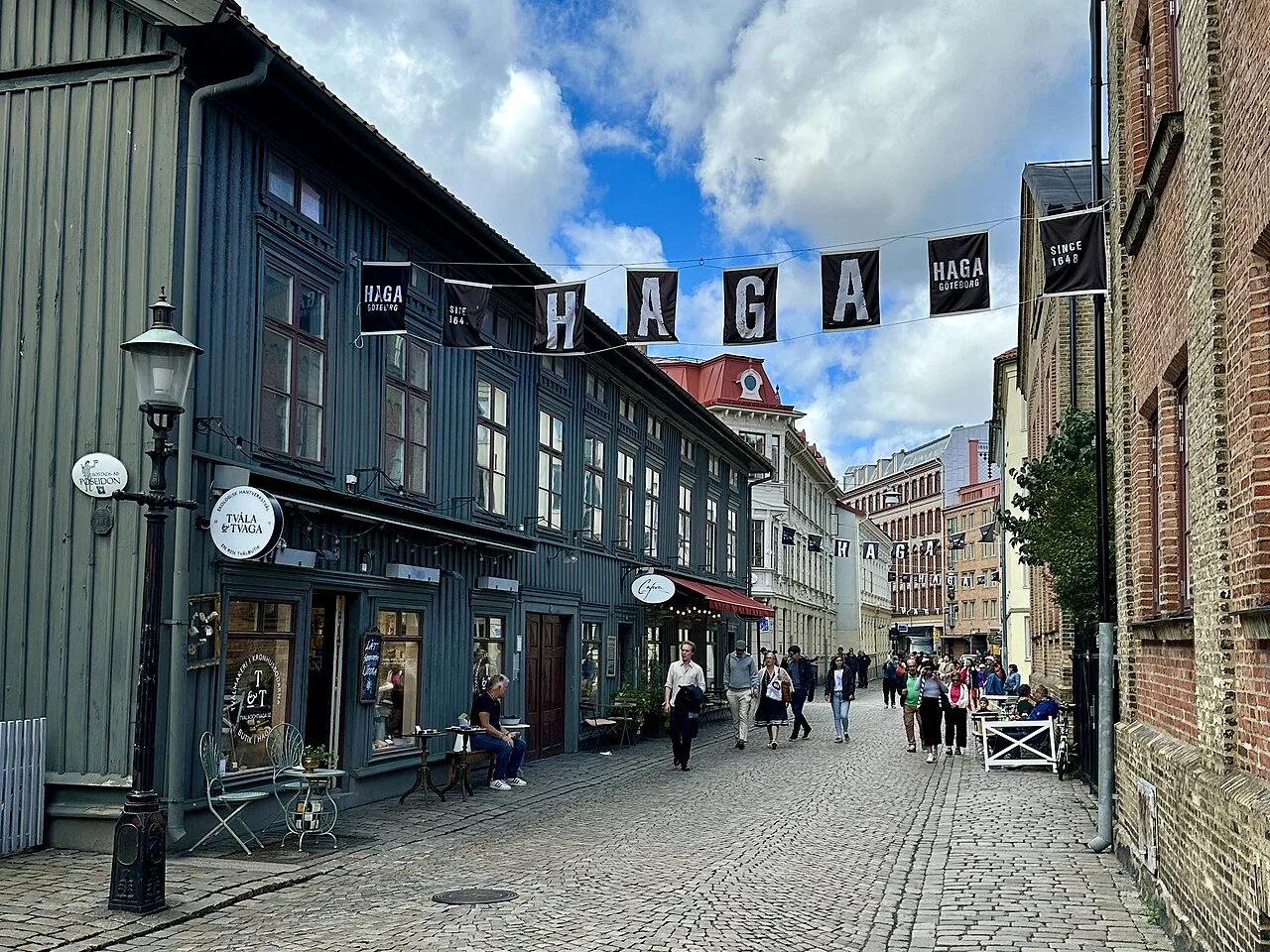
Kyrkogatan 28: finding the cathedral between the shopping streets
The cathedral is flanked on both long sides by busy shopping streets, so approach from Kyrkogatan and look for the stone columns framing the doors. The neat gardens around the building, planted with geraniums and flowering shrubs, are the first thing you notice after the traffic. The contrast is the trade-off: a peaceful pocket that you reach through the busiest part of the centre.
Because the church sits inside the shopping grid rather than on a square of its own, it is easy to walk past without registering it. Build it into a route between the shopping streets and the canals rather than treating it as a separate outing. For the story of how the canals and districts grew around this centre, Gothenburg history fills in the background.
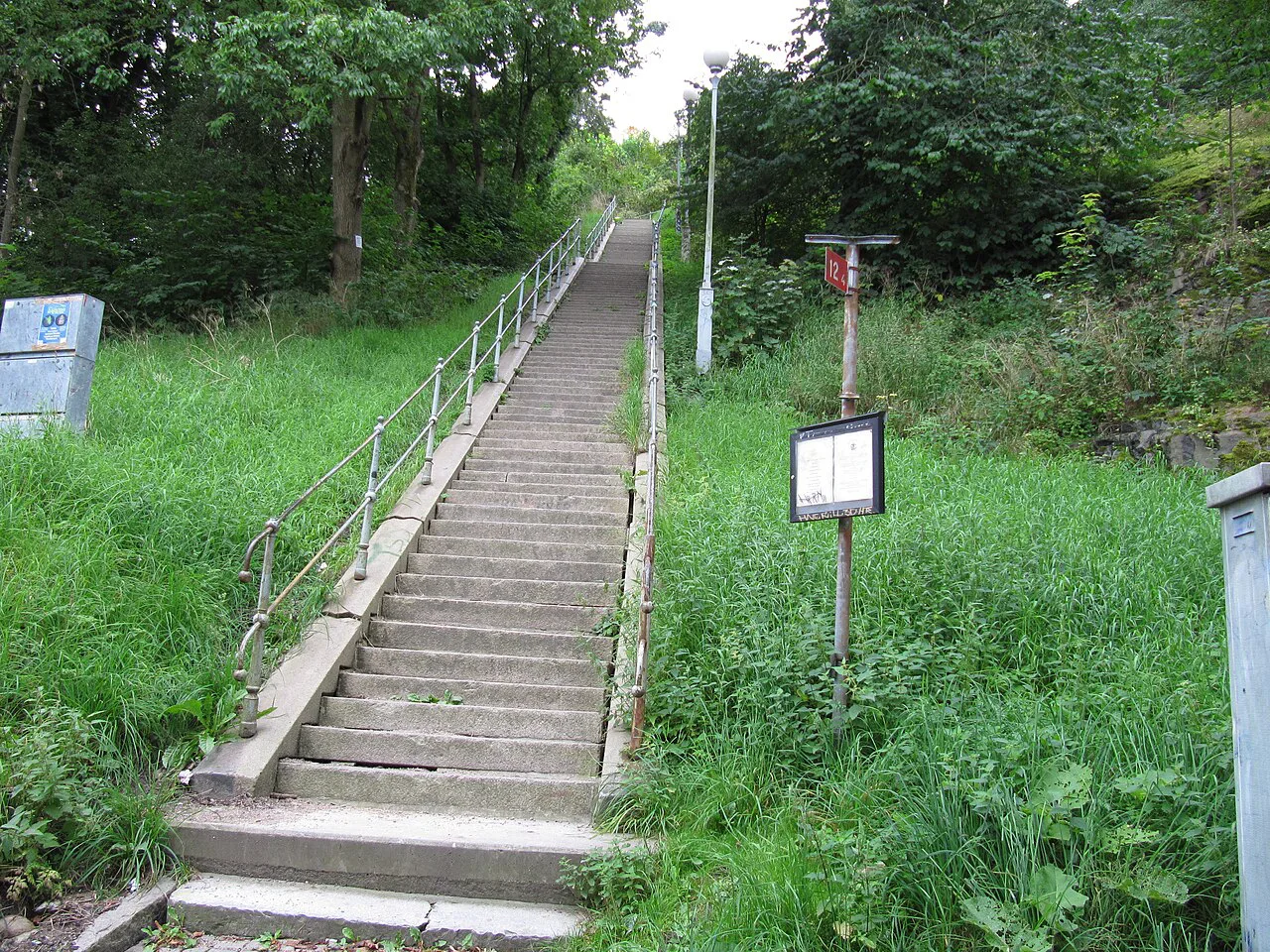
The cathedral you see today: three buildings on one site
Three large religious buildings have stood on this narrow plot, and the first two were lost to fire in 1721 and 1802. The current cathedral, a neoclassical block with a green copper clock tower, has stood since 1815. That sequence is why the architecture feels ordered and Protestant-plain rather than ornate.
The parish traces its worship back to the city's founding, and the 400-year history of Gothenburg and the cathedral parish are woven together. The cathedral parish marked the city's anniversary with exhibitions and events across its churches, which shows how closely church and city grew. If you like the way a single building explains a city, this is a good ten-minute lesson.
Inside Domkyrkan: the sober interior and the baroque altar
The interior is unusually sober, with a quiet nave and little decoration, so it takes only a few minutes to walk. The thing to look for is the baroque-style altar, which was saved when fire destroyed the previous cathedral. It is the one richly worked element in an otherwise restrained room, and it carries the memory of everything that came before.
Because Domkyrkan is an active parish church, treat it as one: keep your voice down, and step aside if a service is under way. The building's calm is the reason to come, so a short, quiet loop through the nave and past the altar suits it better than a guided inspection. If you want more substance after the cathedral, the museums in Gothenburg give you a full afternoon indoors.
The gardens around the cathedral: a quiet pause
The gardens around the building are small but genuinely peaceful, with flowers and shrubs softening the stone columns. They are the best place to sit for five minutes when the shopping streets get too loud, and they cost nothing but time. Photographers will find the green copper clock tower easiest to frame from Kyrkogatan, where the street opens out slightly.
Rain is common in Gothenburg, and a church interior is one of the few central stops that works whatever the sky is doing. If the weather turns, the cathedral is a sensible first port of call before you commit to a longer indoor plan. The rest of the wet-weather options are gathered in things to do in Gothenburg when it rains.
Who designed it: Carl Wilhelm Carlberg
The cathedral was designed by the city architect Carl Wilhelm Carlberg, who also worked on Gunnebo Slott outside the city. He died a year before the cathedral was completed in 1815, so he never saw the finished building. That detail gives the plain exterior a human story worth carrying with you as you leave.
If Carlberg's name appeals, the wider story of the city's architecture and its grander buildings is covered in the guide to castles and fortresses around Gothenburg, which puts Gunnebo in context. For the visual arts side of the city, the Gothenburg Art Museum and Where to Find the City's Art covers the collections worth your afternoon.
How long to allow and how it fits a one to three day plan
Allow 15 to 20 minutes for the cathedral and gardens, or a little more if you sit outside. On a one-day visit, slot it between the shopping streets and the waterfront so you are not crossing the centre twice. On a two or three day trip it works as a five-minute pause mid-route, not a headline sight.
The sensible trade-off is this: Domkyrkan rewards a short stop but not a dedicated trip, so pair it with something substantial nearby. Museums and galleries will absorb the bulk of an indoor day, and the cathedral then becomes the calm interval between them. If you are building a museum-led itinerary, start with the Museums in Gothenburg guide and add the cathedral as a walk-past.
Should the cathedral be on your list?
Yes, but as a 20-minute stop folded into a shopping or museum afternoon, not as a destination in its own right. Go for the plain neoclassical nave, the baroque altar that survived the 1802 fire, and the quiet gardens between Kyrkogatan and Kungsgatan. If you have time for only one religious building in the centre, this one is easy to reach and quick to see.
Visitor access and any current times are set by the parish rather than fixed here. Check before you set out if the cathedral is your reason for crossing town.
Frequently Asked Questions
Is Gothenburg Cathedral free to visit?
The cathedral is an active parish church rather than a ticketed attraction. Charges and access can change, so confirm entry conditions with the parish before you rely on them.
How old is Gothenburg Cathedral?
The current building has stood since 1815, making it just over two centuries old. Two earlier cathedrals on the same plot were destroyed by fire in 1721 and 1802, and the baroque altar was rescued from the second fire.
Sources
Notes for your next Swedish city break
Optional updates to our Sweden guides.
You might also like
Continue reading
More guides you'll find useful