Malmö History: What Shaped the City and Where to See It
A short history of Malmö for visitors, from its medieval Danish roots to the Öresund era, with the streets, squares and buildings where you can still see it.
On this page
Malmö is Sweden's third-largest city and one of the country's oldest, and it spent its early centuries as a Danish town. That single fact explains most of what you notice in the centre: the merchant squares, the brick church, the castle on the canal and the street pattern that predates the Swedish era. This guide works through the periods in order and ties each one to a named place you can walk to.
Malmö in one paragraph: a Danish medieval port that became Sweden's third city
Malmö is the third-largest city in Sweden, and in the fifteenth century it was one of Denmark's largest cities too. The old core grew as a trading port on the Øresund, the strait that still defines the city's economy and its relationship with Copenhagen. Today the historic centre sits a short walk from the central station, so the whole sequence from medieval Denmark to modern Sweden fits into a single day.
Because the Danish period came first, the oldest buildings you see are not a Swedish vernacular but a northern European merchant style. That is the lens to carry through the old town: brick churches, trading squares and gabled townhouses built for commerce. Our guide to Things to Do in Malmö covers the wider sight list, while this page follows the historical thread through it.
Medieval Malmö: Sankt Petri Kyrka and the old town street plan
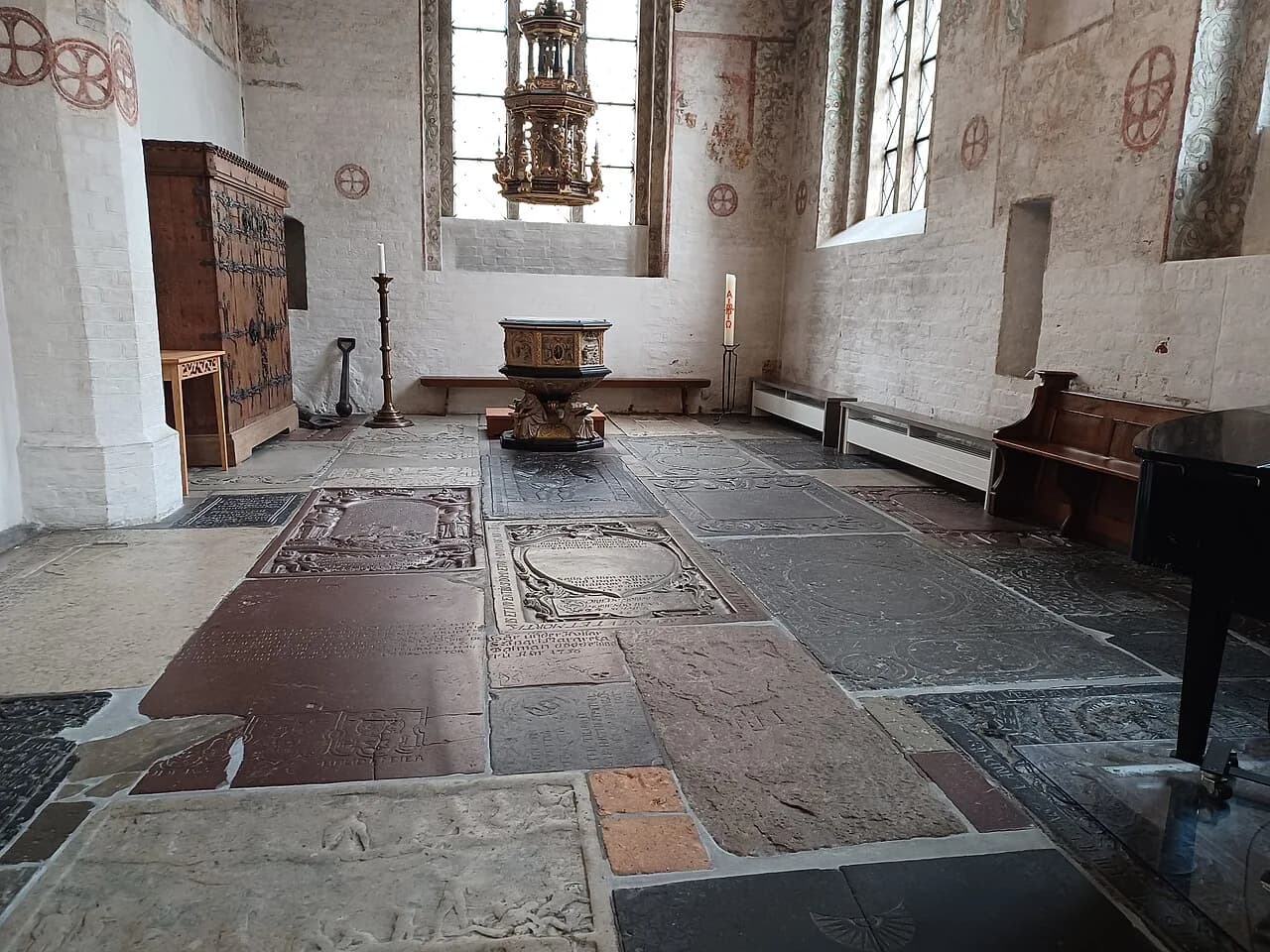
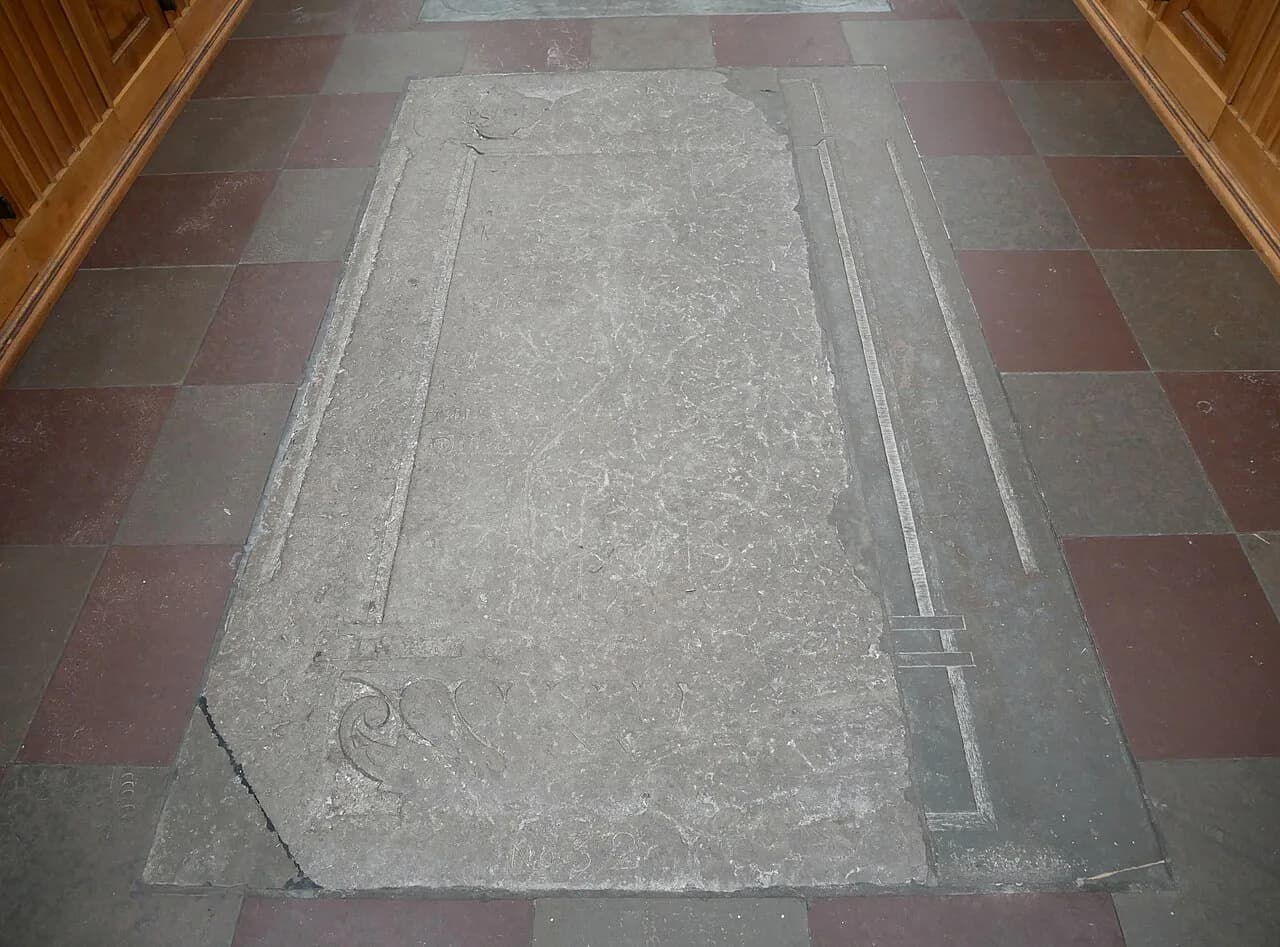
Sankt Petri Kyrka, Saint Peter's Church in English, sits two blocks from the central station and is the clearest surviving marker of medieval Malmö. Inside, plain white Protestant walls sit alongside heavily gilded baroque altars, a combination that reads as centuries of layered worship rather than a single style. It is the natural first stop on a history walk because everything else in the old town radiates from around it.
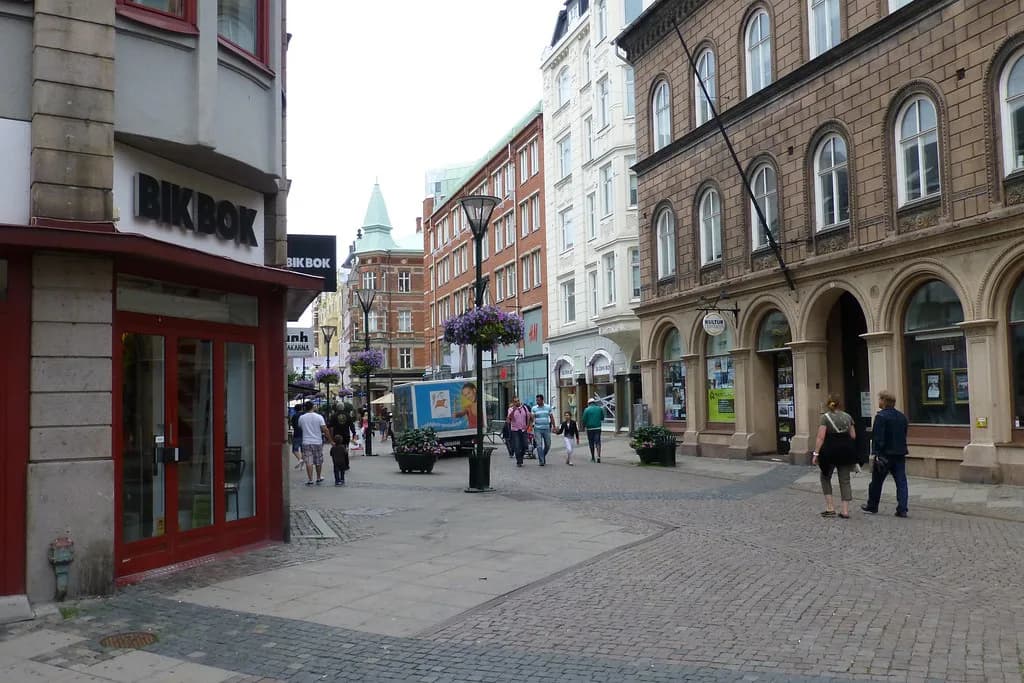
The street plan itself is the other medieval artefact. The lanes between the station and Triangeln bend and narrow in a way that modern grids do not, and the fabric mixes centuries-old low houses with grand nineteenth- and twentieth-century buildings on the same block. Walk Jakob Nilsgatan to see that layering at its most concentrated. If church interiors interest you more than street patterns, the dedicated churches guide goes deeper on what to look for.
Stortorget and Lilla Torg: how the historic squares show the city's trading past
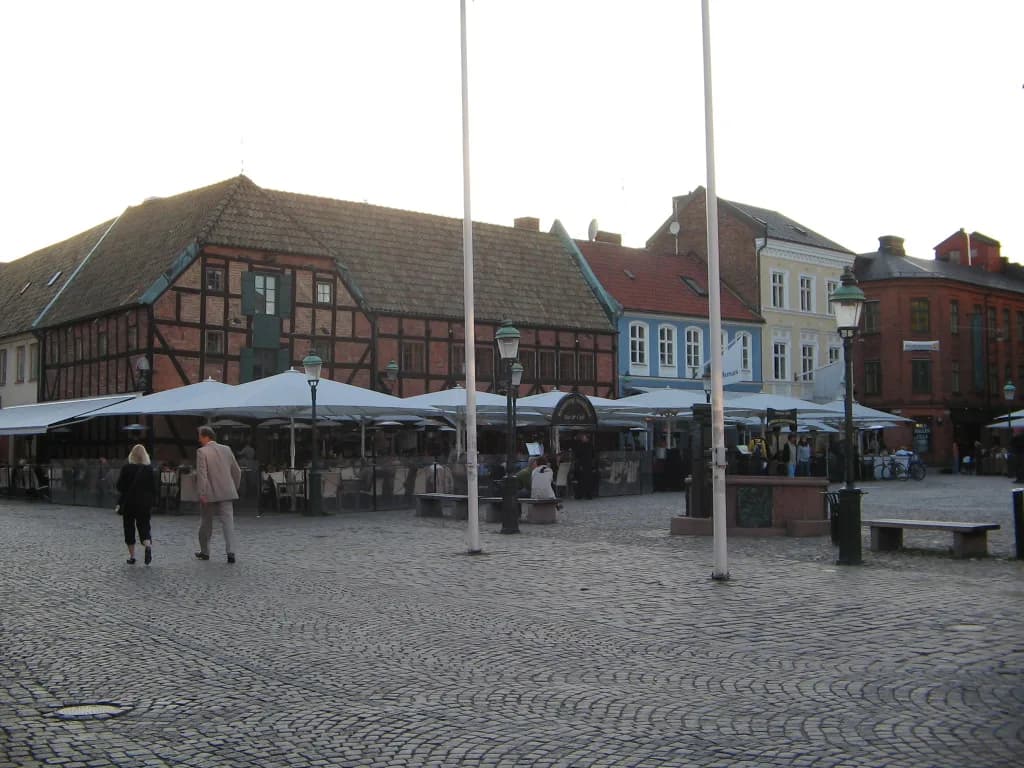
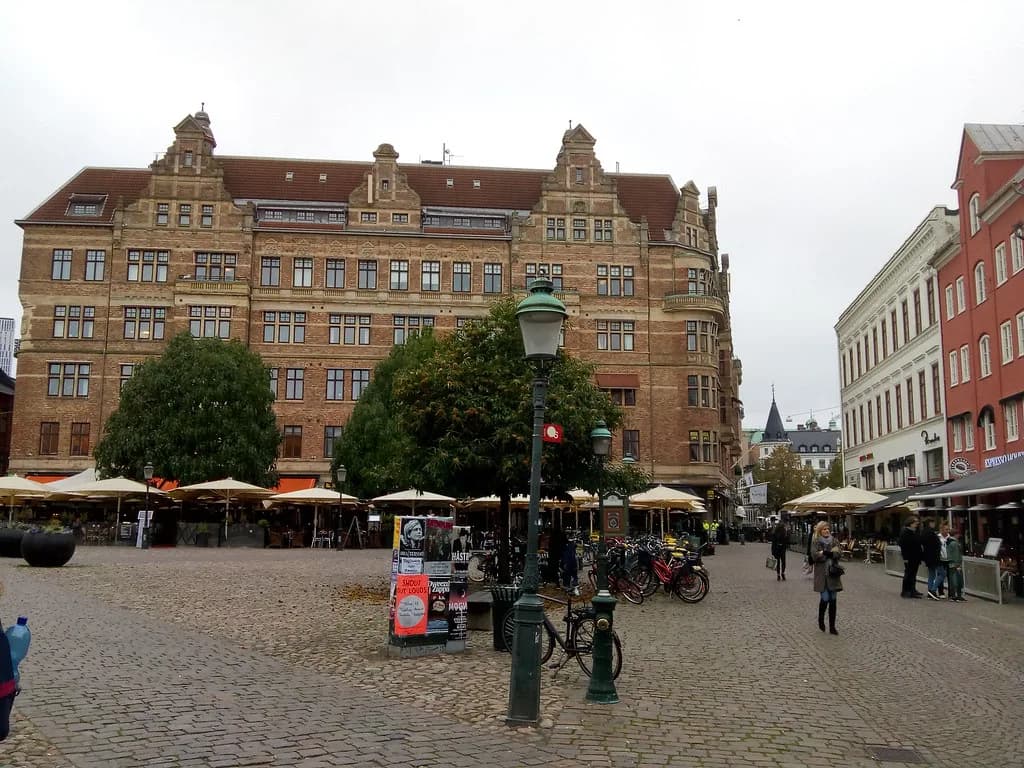
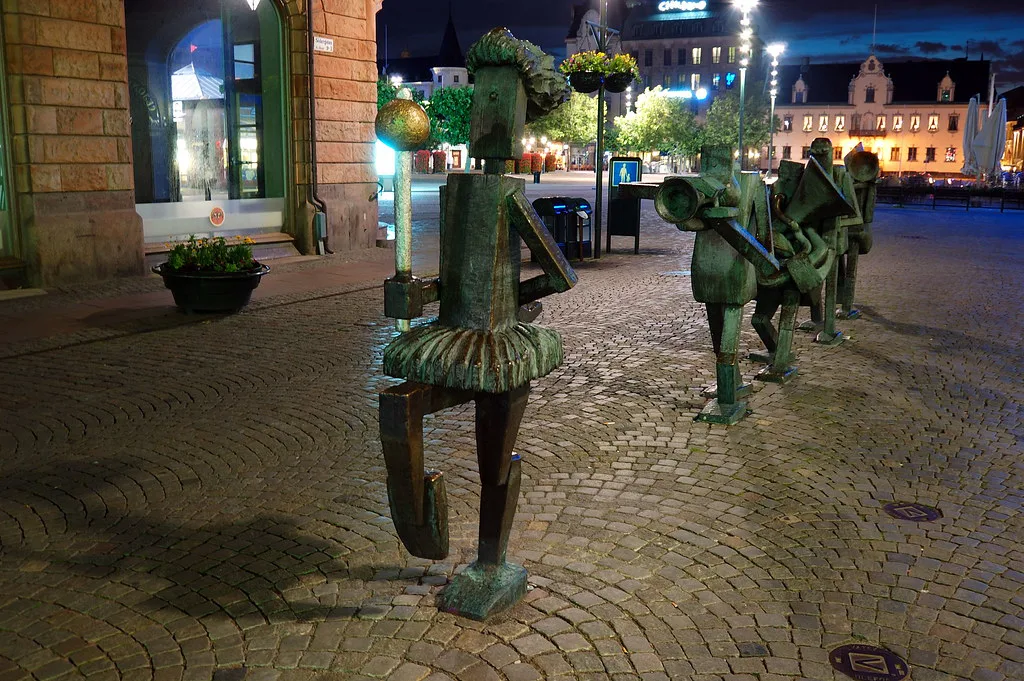
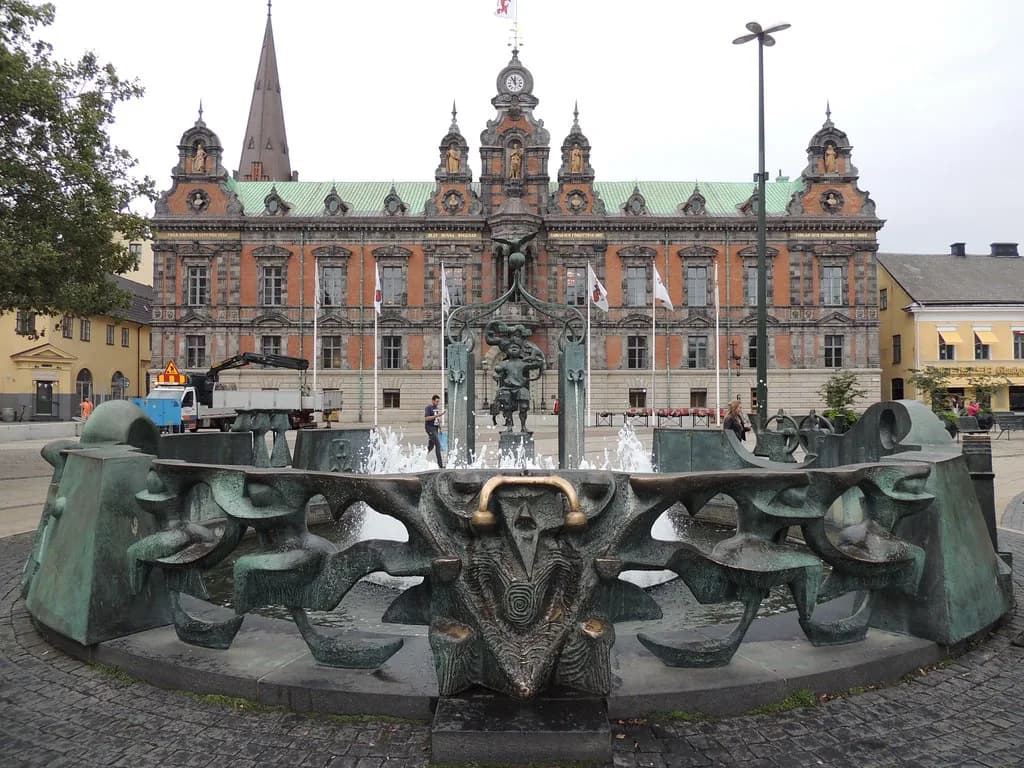
Stortorget, the Great Square, and Lilla Torg, the Little Square, are the two set pieces of the merchant city and the quickest way to read its trading history from the pavement. Both are close together, so treat them as one stop rather than two, and let the contrast between the formal square and the smaller one frame how you read the port city.
Lilla Torg is also the handiest place to pause when the weather turns, since the surrounding lanes hold plenty to duck into. Pair the squares with the wider old town walk if you want the architecture explained building by building. Otherwise, use them as your orientation point before heading south towards the castle.
Malmöhus Castle and the Swedish period
Malmöhus Castle is the physical anchor of the Swedish era, standing at the southern edge of the old town across the canal. Its presence marks the shift from a Danish trading town to a fortified Swedish city, and it is the one building on this route where the political history is impossible to miss. Approach it on foot from Lilla Torg and you cross the same water that once formed the town's defensive line.
The castle sits within reach of Slottsparken, so the two combine naturally into a single stretch of the walk. If fortifications and period interiors are your priority, the Malmö castles and palaces guide covers the site in detail. Moderna Museet Malmö, the city's contemporary art outpost, makes a useful contrast after an hour of older history, and the Malmö Art Museum and the City's Art Galleries round-up sets it alongside the city's other galleries.
The industrial docks and the shipyard years
The harbour is the through-line of Malmö's modern history, and the western waterfront carried a working shipyard economy before it was rebuilt. Walking the water's edge gives you the industrial scale that the old town hides completely, and it makes the sequence from medieval lanes to modern district legible on foot.
Slottsparken, one of the biggest green areas in central Malmö, is on the other side of the historic core and marks the boundary where the old city gives way to later expansion. Cross it on foot and you feel the change in scale from tight medieval lanes to open parkland. The city garden and its café make a sensible breather before the modern waterfront.
Västra Hamnen and the Turning Torso: the post-industrial rebuild
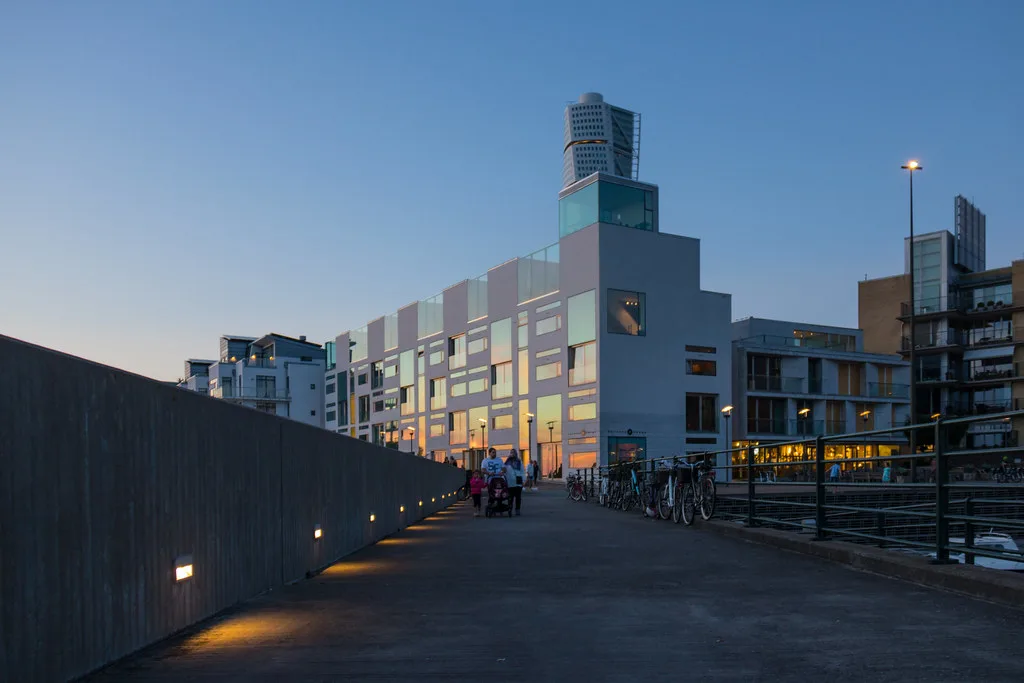
Västra Hamnen, the Western Harbour, is the most recent chapter and the easiest to see: a former shipyard turned sustainable district, with the Turning Torso twisting ninety degrees from base to tip above it. The tower is a residential building rather than a visitor attraction, so appreciate it from the waterfront and the wooden piers. On a clear evening the Öresund Bridge comes into view from the same spot.
The district is the best place in Malmö to see what the city is building next, and the skate park and waterside paths make it a natural end point to a history walk. If architecture is your main reason for visiting, the Malmö architecture guide picks up where this section leaves off. Allow a relaxed half hour here at least, since it sits furthest from the station.
What to see on a short history walk through Gamla Staden
The whole sequence fits a half-day route: Sankt Petri Kyrka, then Stortorget and Lilla Torg, then south past Malmöhus and through Slottsparken to Västra Hamnen. Because the centre is compact and walkable, you can cover the medieval and Swedish layers without needing a bus or a taxi. The old town rewards slow walking, so build in time to look up at the facades rather than marching between pins.
If you want a structured route rather than making it up as you go, a guided or self-guided Malmö walking tour takes in the same churches and squares in a set order. Otherwise, the old town guide and the free things to do round-up help you fill the gaps between the headline sights. Neither requires booking, which keeps the day flexible.
Where to stop: Malmö Saluhall and Slottsparken on the route
Malmö Saluhall, a restored warehouse turned indoor food market, is the obvious lunch stop and it slots neatly between the old town and the waterfront. Stalls cover everything from Swedish cheeses to wood-fired bread, so it works whether you want a quick bite or a proper sit-down. It also doubles as shelter on a wet day, which matters in a city where the weather changes fast.
For coffee rather than a meal, Nybergs Café near Sankt Petri serves pastries and a buffet-style breakfast, and is a good way to start the walk before the church. Slottsparken, meanwhile, gives you the green pause between the castle and the harbour. Fika in Malmö is a short custom rather than a meal, and the café guide lists the places worth building into the route.
How much time to give the history sights
A one-day Malmö visit comfortably covers the medieval core, the squares, the castle exterior, Slottsparken and the Western Harbour. The city's historic centre is compact enough that a single day of walking gets you from Sankt Petri to the Turning Torso without rushing. If you only have an afternoon, cut Västra Hamnen and stay within the old town and the castle park.
Adding Copenhagen is genuinely easy given the short crossing over the Øresund, but treat it as a separate trip rather than squeezing it into a history day in Malmö. The two cities sit about twenty-five kilometres apart and roughly forty minutes apart by train, yet the architecture and atmosphere are different enough that each deserves its own time. Our guide to the Malmö to Copenhagen crossing covers the practical side.
Should you walk the history route or pick one sight?
Walk the route if you have a full day and want the city to make sense: the medieval church, the trading squares, the castle and the rebuilt harbour tell a coherent story in a few hours on foot. If your time is tighter, choose Sankt Petri Kyrka and the two squares, which carry most of the medieval and mercantile history on their own. Either way, the compact centre means you can change plans mid-walk without losing the thread.
Explore more Malmö guides
Frequently Asked Questions
How far is Malmö from Copenhagen?
The two cities sit about twenty-five kilometres apart across the Øresund, and the train between them takes roughly forty minutes. That makes a crossing easy, but the architecture and atmosphere differ sharply enough that Malmö deserves its own day rather than an afternoon tagged onto Copenhagen.
Sources
Notes for your next Swedish city break
Optional updates to our Sweden guides.
You might also like
Continue reading
More guides you'll find useful