
Norrmalm, Stockholm: A Guide to the City's Modern Centre
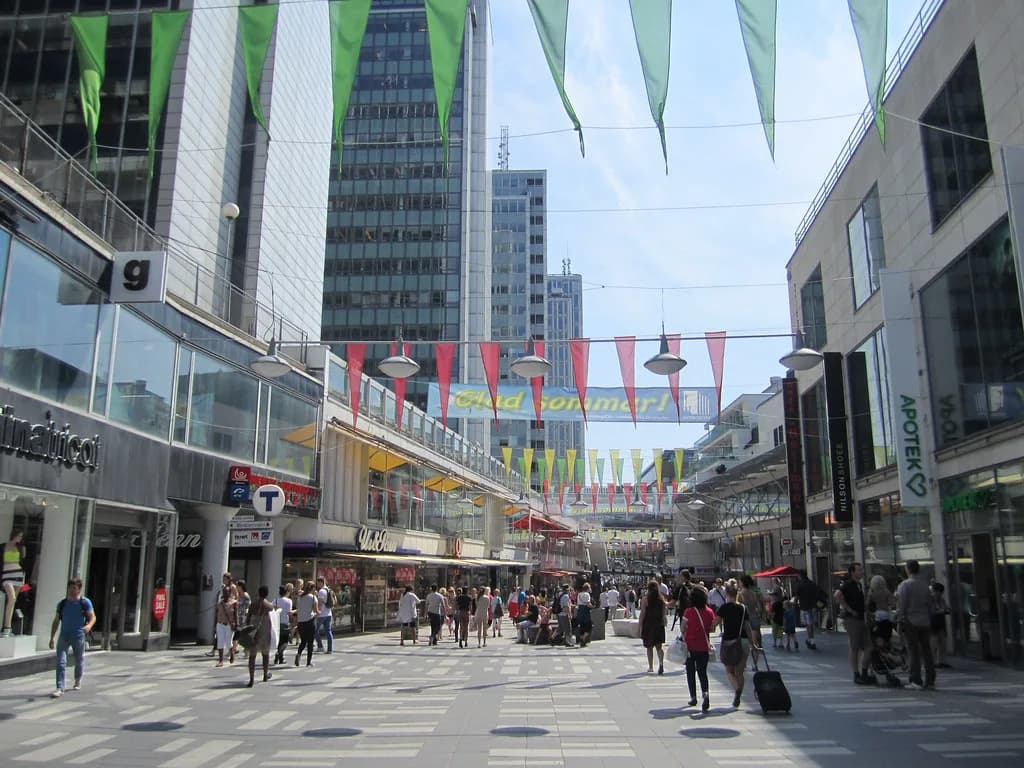
Norrmalm is Stockholm's modern centre, the district where wide stone-paved streets, department stores and a glass-and-steel square replaced much of the old townscape in the 1960s and 70s. If you want Stockholm's main shopping, its central station and the quickest route to everywhere else, base yourself or at least start here. This guide covers what Norrmalm looks like, who it suits, where to eat and shop, and what you can reach on foot from Central Station.
What Norrmalm is like: the modern heart of Stockholm
Norrmalm once looked far more like Gamla Stan, but redevelopment plans took effect in the 1960s and 70s and rebuilt the district around modern offices, shops and traffic arteries. That change still divides opinion, and it is also the reason Norrmalm feels so different from the medieval island next door and from Östermalm, which saw far less modernisation. Read it as a district of its era rather than a pretty old quarter, and its scale and straight lines make sense.
The practical upside is a centre built for moving through on foot: broad pavements, clear sightlines and everything packed into a compact grid. Stockholm's central station, the main shopping streets and the cultural buildings all sit within a short walk of each other. If you are working out where to base yourself, our guide to the Stockholm Neighborhoods: 4 Area Guides compares the city's central districts side by side.

Who Norrmalm suits, and who should stay elsewhere
Norrmalm suits anyone arriving by train, shopping for a day, or wanting shops, food halls and transport on the doorstep. It is also the least atmospheric of the central districts: if you imagined cobbled alleys and water views, you will find that on Gamla Stan and Skeppsholmen rather than here. Treat Norrmalm as a convenient, lively base rather than a romantic one.
Travellers who want their days to look like postcards should sleep in Gamla Stan or spend their afternoons there. Norrmalm rewards the practical traveller: a morning of shopping around Hamngatan, a food-hall lunch, an easy walk to the opera in the evening. Judge it on that, not on charm.

How Norrmalm is laid out: Central Station, Klarabergsgatan and Sergels Torg
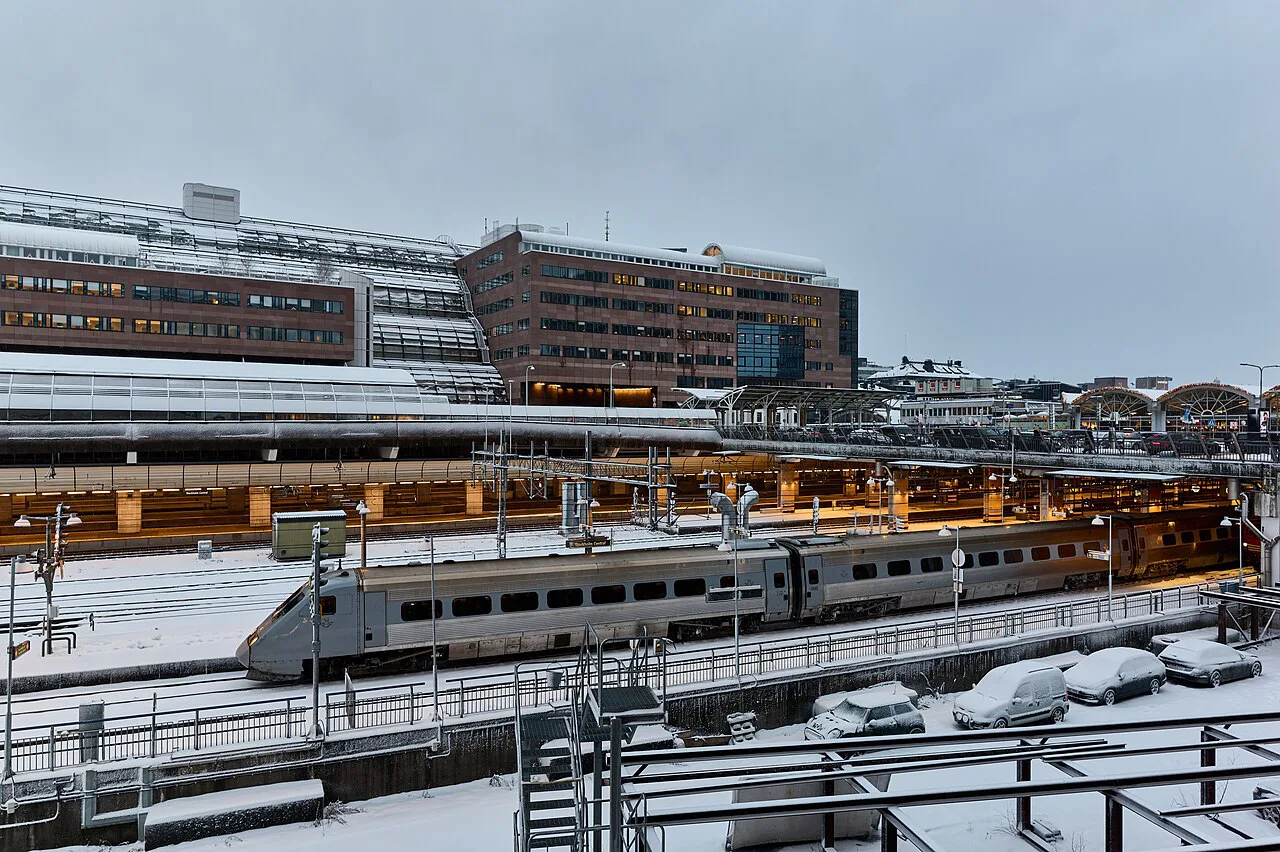
Start at Stockholm Central Station and head down Klarabergsgatan towards Sergels Torg, the big glass-columned square at the district's heart. That single stretch shows you how the newer city abuts the old, with modern facades on one side of the walk and older churches and lanes close by. From the square, Hamngatan carries you towards the water, the department stores and Östermalm beyond.
Sergels Torg and the contrast with Saint Clara's Church
The fountain in the middle of Sergels Torg is the clearest symbol of the rebuilt city; cross a couple of blocks and the architecture of Saint Clara's Church pulls you back centuries. Standing between the two is the quickest way to understand what the redevelopment did to Norrmalm, and why locals still argue about it. It is a five-minute comparison rather than a sight in itself, so fold it into the walk from the station.
Kungsträdgården and Berzelii Park, including the Raoul Wallenberg monument
East of Norrmalm, in Östermalm, Kungsträdgården and Berzelii Park give you a green break from the paving. In Berzelii Park, look for the monument to Raoul Wallenberg, the Swede who saved thousands of Jews from Hungary during the Second World War. Across the street, in front of the Kungliga Dramatiska Teatern, stands the statue of the actress Margareta Krook, who disliked cold, inhuman monuments — and which is, by one account, kept heated to 37°C as a wry nod to that view. Treat these parks as a walk-through on the way between districts rather than a destination in themselves.
Beyond the parks lies the grander, quieter Östermalm around Stureplan, which has its own café and shopping character. Walk through on your way between Norrmalm and Östermalm rather than treating the parks as a destination in themselves.
Where to eat in Norrmalm: Östermalms Saluhall and Hötorgshallen
For a sit-down lunch with atmosphere, cross into Östermalm for Östermalms Saluhall, a lively market hall with many stalls where you can order a traditional Swedish lunch or a fika. Back in Norrmalm, Hötorgshallen sits among the shops near Hötorget and is the handier stop when you want to eat quickly between shops.
Fika, the Swedish coffee-and-bun break, is the low-cost way to eat here: a filter coffee and a cinnamon bun in a market hall or café costs little and fills an hour. Ask at the counter what is baked that day rather than assuming a fixed menu. Confirm current market hours before you build a day around either hall.
Shopping in Norrmalm: Nordiska Kompaniet, Gallerian and Åhléns City
Shopping is Norrmalm's main event: the department stores Nordiska Kompaniet and Åhléns City and the Gallerian shopping centre cluster on and around Hamngatan. Hötorgshallen and the smaller shops near Hötorget round out the picture. Work outwards from Hamngatan and you will pass most of what matters without needing a map.
Museums in neighbouring Östermalm: the National Museum
In neighbouring Östermalm, the National Museum sits on the waterfront, a grand building with an impressive permanent collection spanning the 16th century to the modern day, including works by Rembrandt, Goya and Leyster alongside Nordic design objects. It is a natural extension of a Norrmalm day, reached along the walk through the parks towards the water. Allow a couple of hours, and check ticket prices and opening days on the museum's own site before you go.
If you want more museum ideas, the Stockholm Attractions hub lists the city's visitor guides, including islands such as Skeppsholmen, which you can reach on foot from the National Museum's waterfront.
An evening nearby: the Royal Opera House and student tickets
The Royal Opera House, just across into Östermalm, gives the area a grand evening out: opera, ballet and concerts in an ornate golden theatre that also stages daring new work. Student and under-26 tickets have been advertised from around 125 SEK, which makes it one of the more affordable big-night options for younger travellers — confirm current prices and availability when you book.
Getting to Norrmalm and walking it: Central Station as the starting point
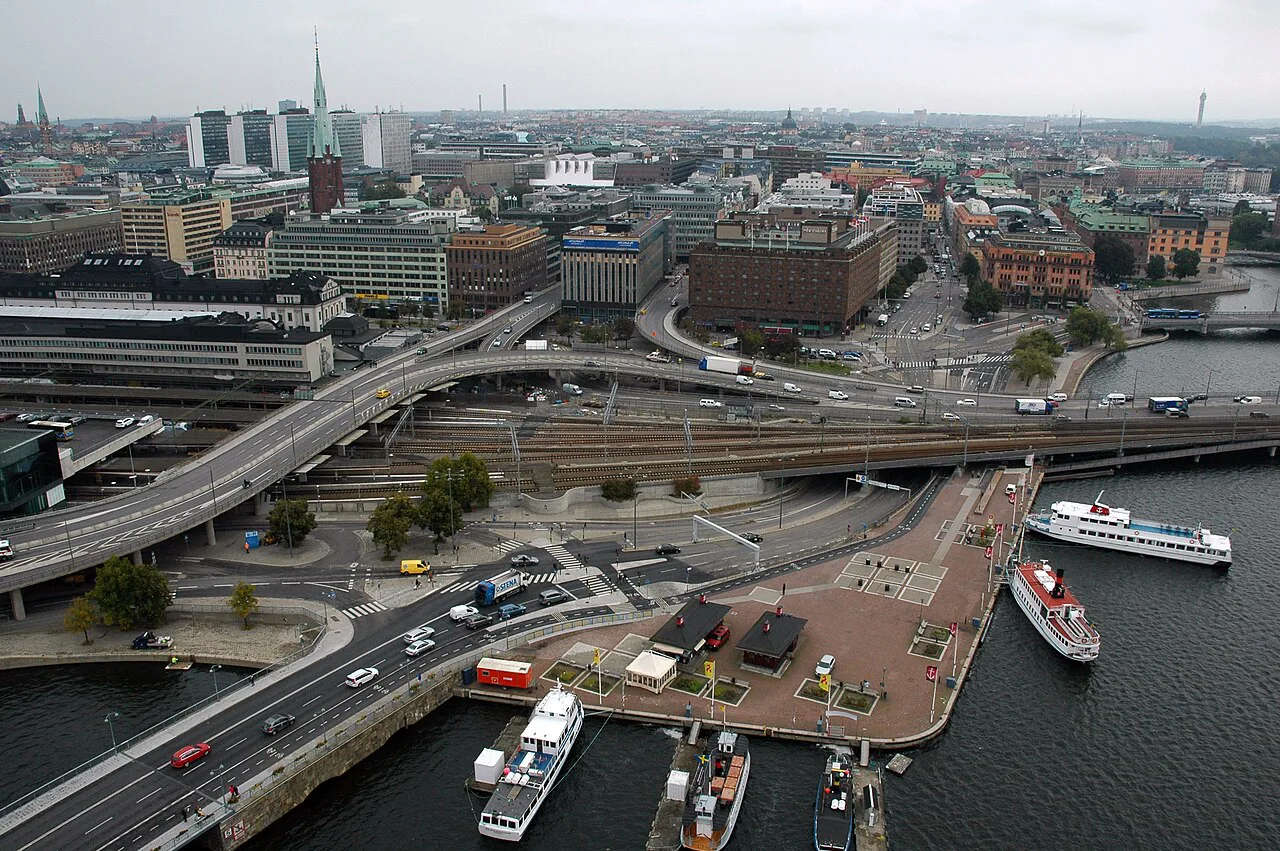
Stockholm Central Station is the obvious arrival point, and the walk from there down Klarabergsgatan to Sergels Torg takes minutes. From Sergels Torg, Hamngatan leads east to the department stores and parks, while the waterfront and Gamla Stan lie south-west. Plan one loop: station, square, parks, waterfront, and back through the shops.
The whole district is flat and walkable, so you rarely need transport within it. Wear shoes you can spend a day in and use the station as a rendezvous point if your group splits up for shopping.
What is within walking distance of Norrmalm: Gamla Stan and Östermalm
Gamla Stan is a short walk south-west over the water, and its medieval lanes make a sharp contrast with Norrmalm's wide modern streets. Östermalm lies immediately east, reached through Kungsträdgården and Berzelii Park. Skeppsholmen and its museums are also close enough on foot, so a Norrmalm base puts several districts within a single day's wander.
If you want a greener, quieter walk, Långholmen offers an island alternative within reach of the centre. Factor one neighbouring district into each day rather than trying to cover all of them.
Is Norrmalm worth your time?
Yes, as the practical spine of a Stockholm break: arrive at Central Station, see Sergels Torg and Saint Clara's Church, eat in a food hall, shop Hamngatan and end at the opera in neighbouring Östermalm. Give it a half-day plus an evening, and spend the rest of your time on Gamla Stan, Skeppsholmen and Östermalm. Check opera prices on the Royal Opera House's own site and confirm market hours before you go.
Explore more Stockholm guides
Frequently Asked Questions
Is Norrmalm the same as Gamla Stan?
No. Norrmalm is the modern district north of Gamla Stan, rebuilt in the 1960s and 70s around Sergels Torg, shopping streets and Central Station. Gamla Stan is the medieval island to the south-west, with narrow lanes and older architecture. They are close enough to walk between.
What is the centre of Stockholm?
For practical purposes, Norrmalm is the city's modern centre, with Central Station, the main shopping streets and Sergels Torg. Gamla Stan is the historic centre. Most visitors use Norrmalm as the transport and shopping hub and Gamla Stan as the sightseeing heart.