Uppsala Old Town: What to See and How to Walk It
Uppsala's old town means the historic centre around the cathedral and river, plus Gamla Uppsala's royal mounds. Here's what to see and how to walk it.
On this page
Uppsala old town is really two places, and knowing which one you mean saves you a wasted morning. The historic centre is compact and walkable, built around Uppsala Cathedral and the river, while Gamla Uppsala sits a short bus ride away with the Royal Mounds and its own museum. This guide separates the two, gives you a route through the centre and explains how long each one earns.
Plan on an afternoon for the centre and a half-day for Gamla Uppsala, and you will have both covered without rushing either. The order matters less than the split: keep the centre for a dry, unhurried walk and give the mounds the time of day when you can linger outside.
What Uppsala Old Town Actually Means
Ask for Uppsala's old town and you may be pointed in two directions. The historic centre clusters around Uppsala Cathedral and the river that runs through the city, and it is where most of a short city break happens. Gamla Uppsala is a separate site to the north, known for its royal burial mounds and the museum beside them.
The distinction matters because the two are not within strolling distance of each other on a tight schedule. The centre you can cover on foot in a few hours; Gamla Uppsala needs a bus ride and a proper time slot. Treating them as one outing usually means short-changing both.
If you only have a day in Uppsala, do the centre first and decide on the spot whether Gamla Uppsala fits. If you have two days, give each its own half-day and you will see both properly rather than skimming.
How the Centre Is Laid Out
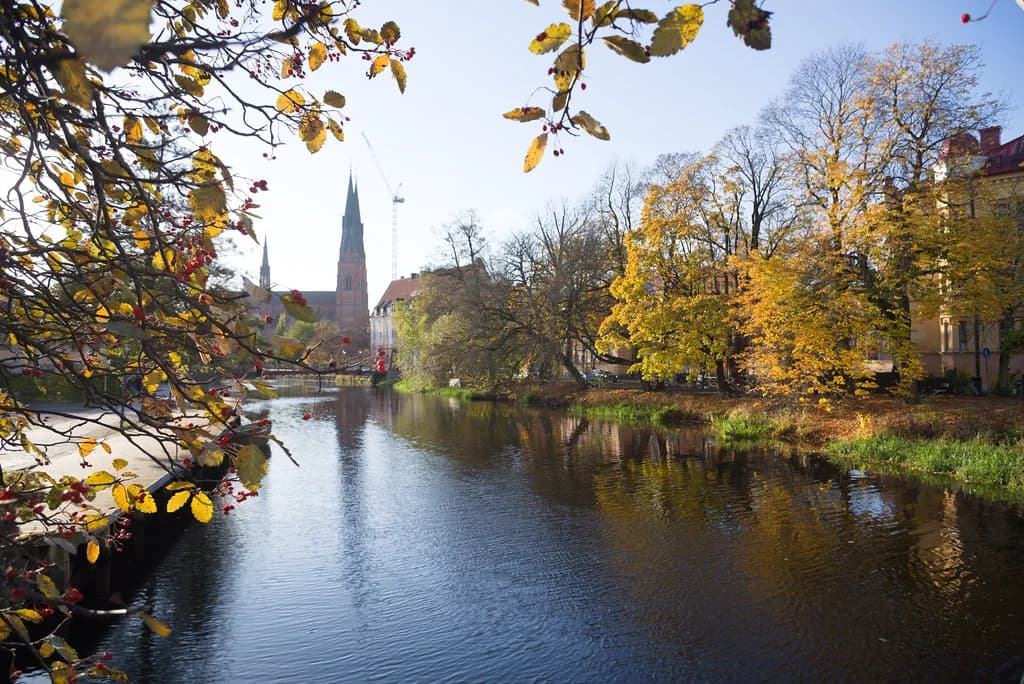
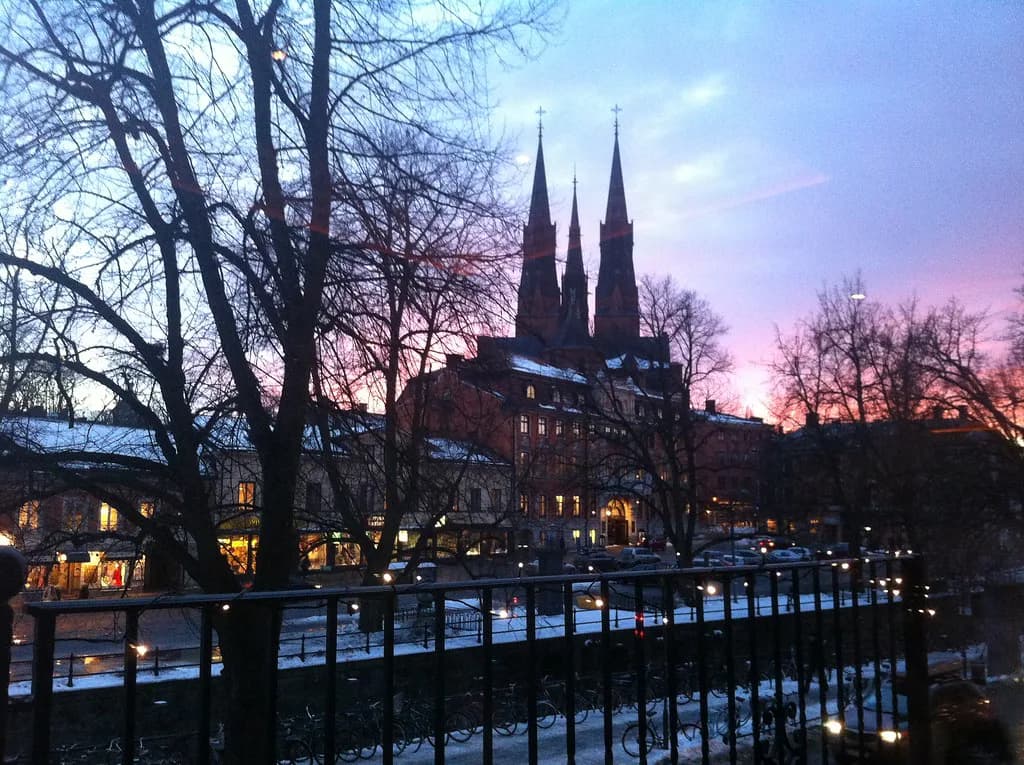
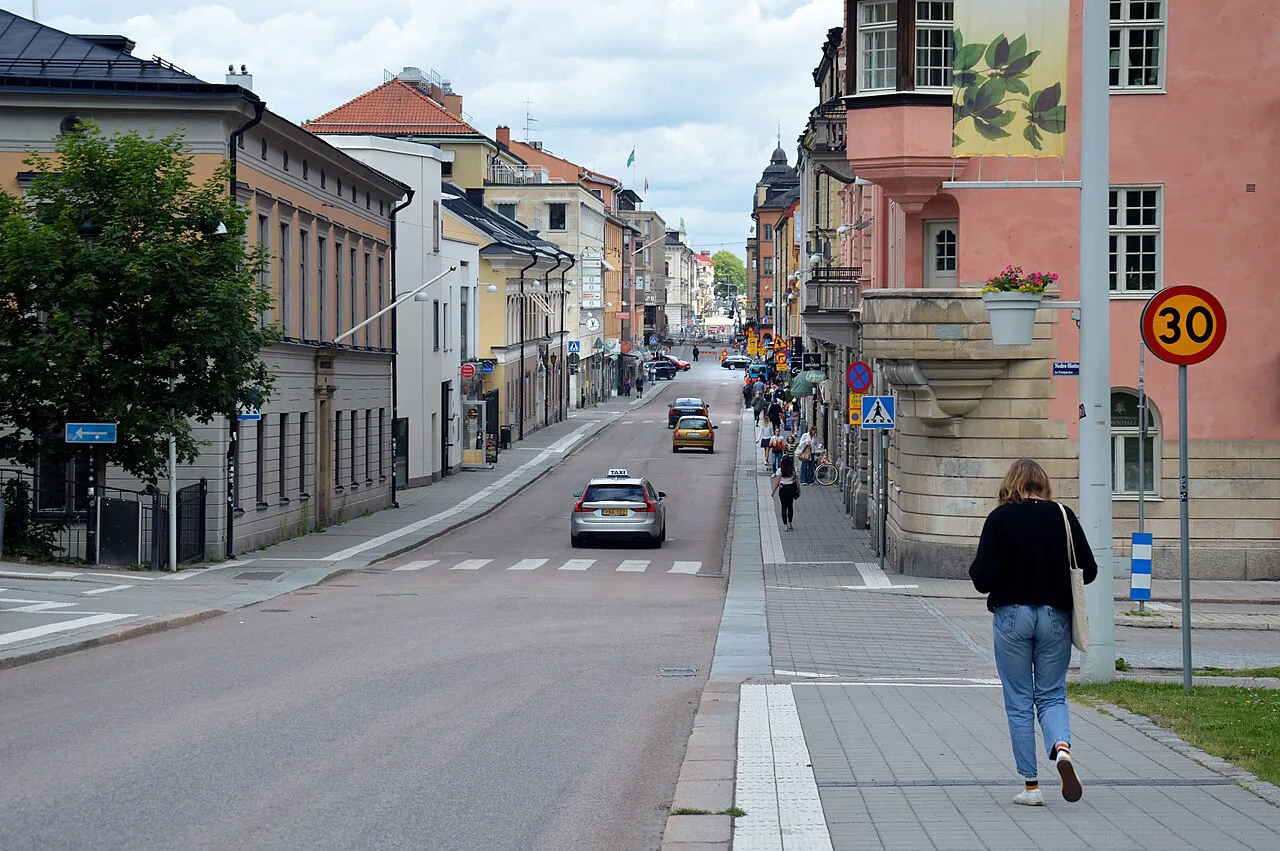
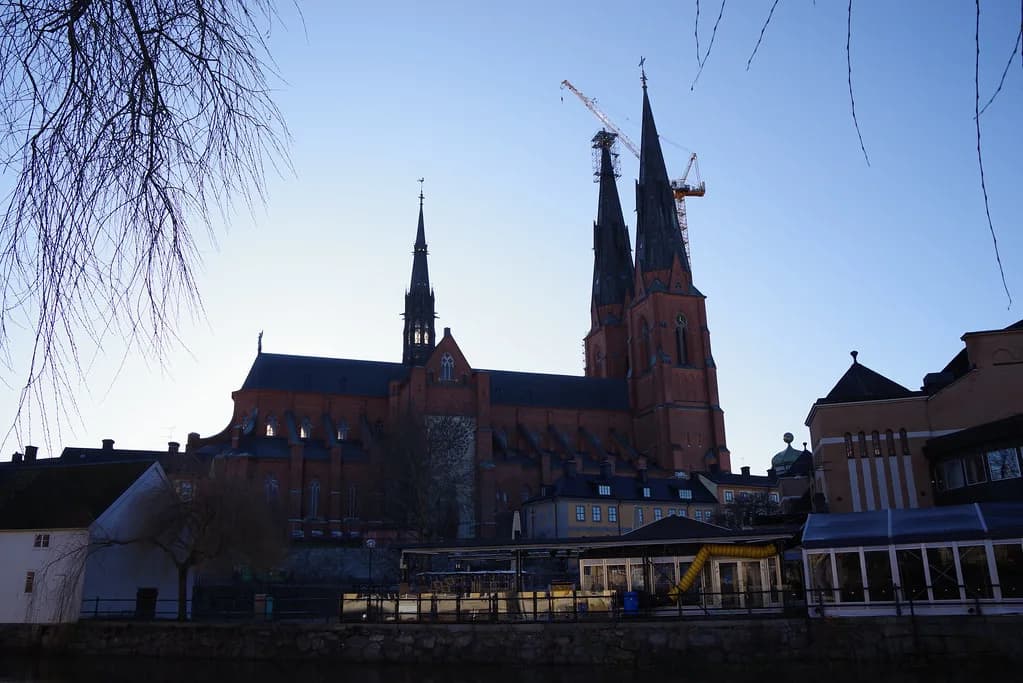
Central Uppsala is small enough to hold in your head after one walk. Uppsala Cathedral is the anchor, and the river gives you a second line to navigate by, with streets running between the two. Once you have walked from one to the other, the grid starts to make sense.
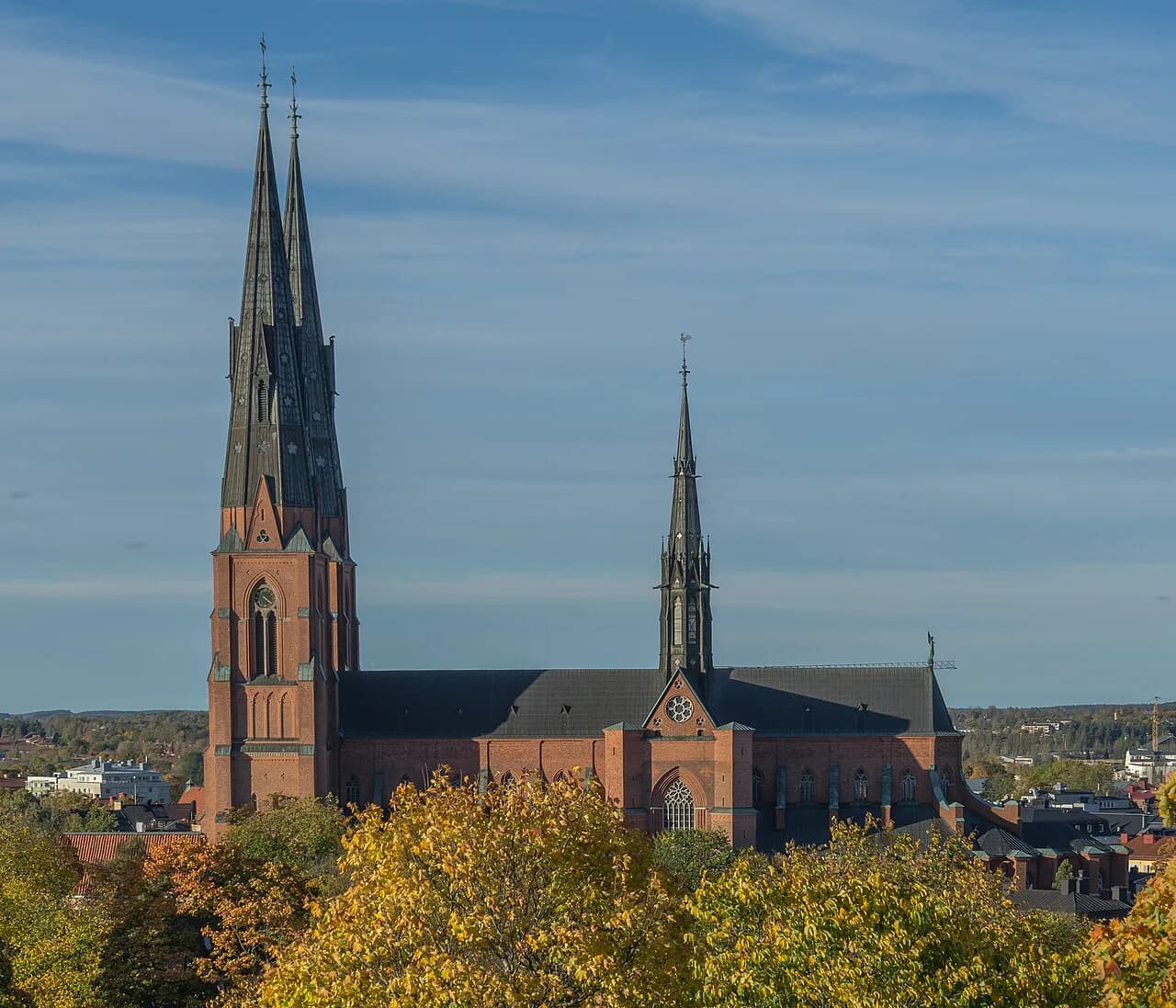
Destination Uppsala describes the cathedral as the largest in the Nordics, which makes it the obvious starting point rather than a stop you squeeze in later. Build the rest of your walk around it and the river rather than the other way round.
Aim to walk the centre in a loop rather than an out-and-back. Crossing the river gives you a different view of the same streets and lets you finish near where you started, which matters if you are heading on to Gamla Uppsala by bus.
Uppsala Cathedral
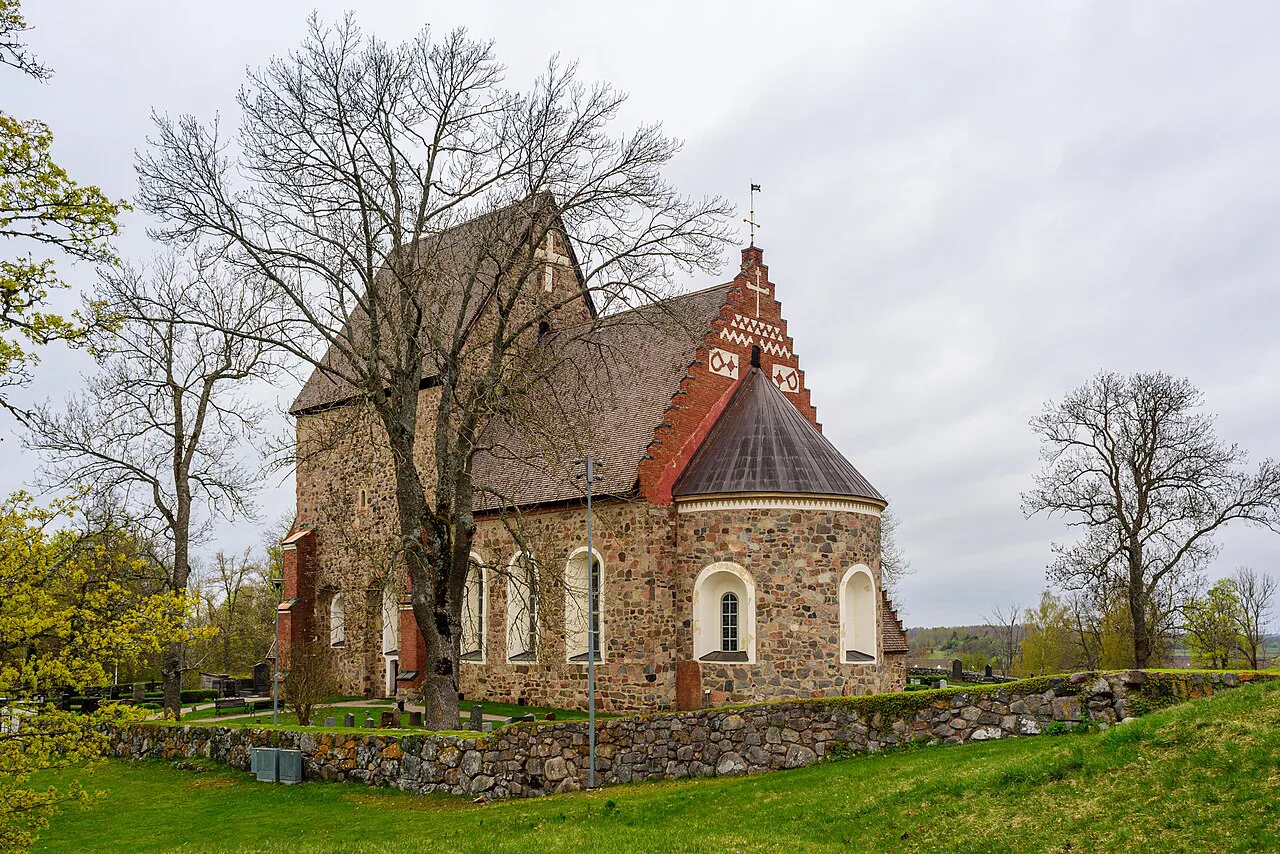
Uppsala Cathedral is the reason many people come to the city, and it earns the billing. As the largest cathedral in the Nordics, it dominates the centre and gives you a fixed landmark to orient yourself by for the rest of the day.
Give it real time rather than a photo stop. Step inside, walk the full length and then come back out to see how the building sits against the streets around it. That pause is what turns the cathedral from a box ticked into the pivot of your walk.
If you want the centre covered with context rather than on your own, a guided walk can put the cathedral and river streets in order for you. Otherwise the route below works without a guide.
Walking the Historic Centre
Start at Uppsala Cathedral, walk down towards the river, cross it and loop back through the streets on the far side. The route is short enough to repeat in reverse if you find something you want a second look at, and the river gives you a natural turning point.
Keep the pace slow. The centre rewards a wander more than a checklist, and a fika stop halfway through is part of how the city works rather than a delay. Even a short pause changes the feel of the walk.
If you want more detail on the streets and stops along the way, the dedicated Uppsala walking tour builds on this loop and takes you further into the centre. For the short version, this loop plus the cathedral is enough to say you have seen Uppsala.
Gamla Uppsala and the Royal Mounds
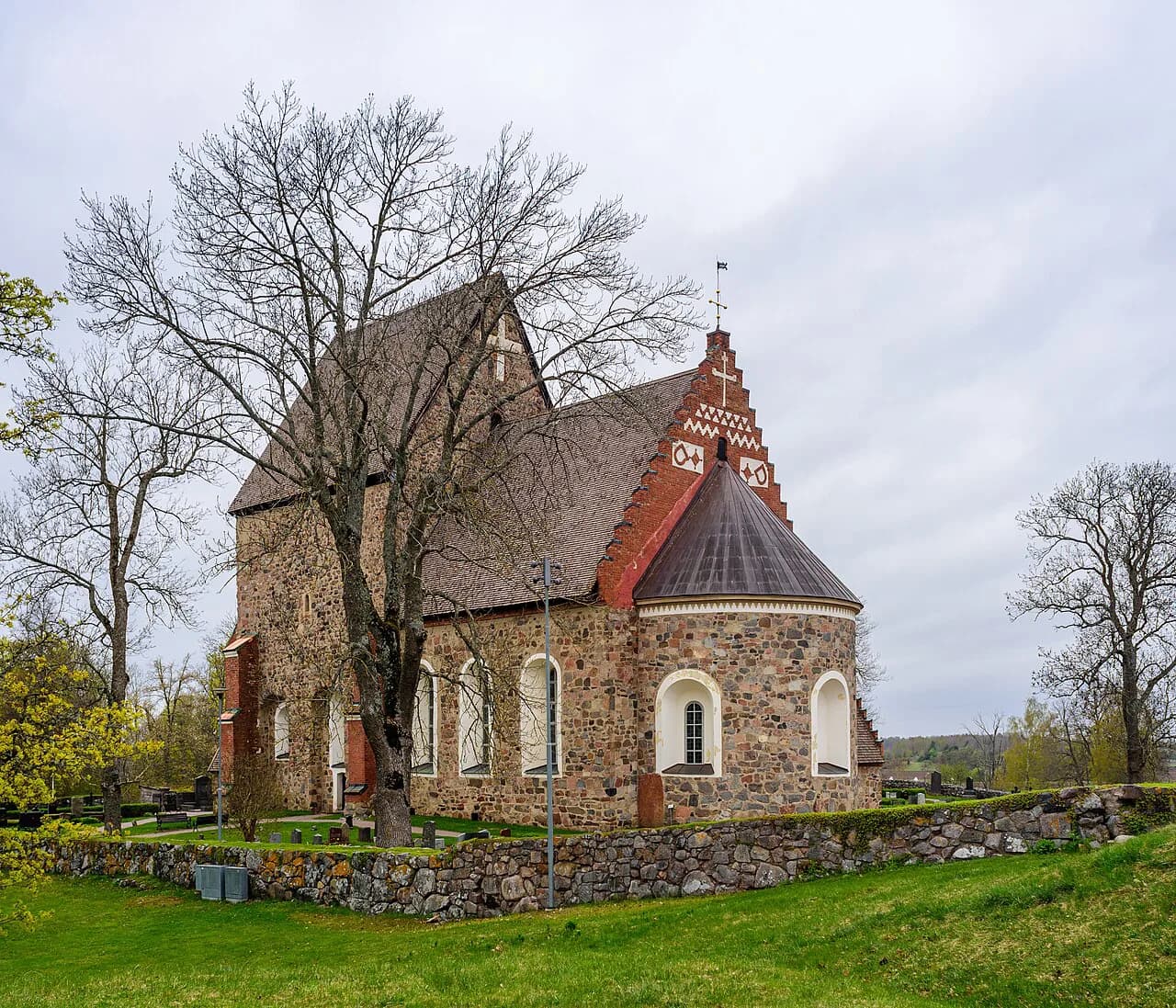
Gamla Uppsala is the historic site to the north of the city, and the Royal Mounds are its centrepiece. Destination Uppsala describes it as one of Scandinavia's most fascinating historic sites, with Viking and Vendel period stories attached to the place, and some of the mounds date back around 1,500 years.
The site is outdoors and exposed, so weather decides how long you linger. On a clear day the mounds alone justify the trip; on a wet one the museum becomes the reason you came. Plan the order accordingly rather than committing to a fixed schedule.
Think of Gamla Uppsala as a half-day rather than a quick detour. The travel out, the walk around the mounds and the museum add up, and squeezing it into a gap between other stops leaves you rushing the best part.
Gamla Uppsala Museum
The museum sits beside the Royal Mounds, and its permanent exhibition holds original artefacts found during excavations at the mounds themselves. The story it tells runs from the small kingdoms of the 6th century and the Yngling kings through pagan gods and Iron Age warriors to the religious transformation of the Viking Age and the building of the cathedral in the 12th century.
Children get their own space in Frej's Hall, an interactive exhibition where they can try on Viking clothing and helmets and work through the displays. Guided tours and family activities are included in the admission ticket, which makes the museum better value for families than it first appears.
On selected dates the museum also runs Viking Days and Vendel Days, with historical camps, markets, crafts and live demonstrations. These are event days rather than a daily fixture, so if they are the reason for your visit, confirm the dates before you travel.
The ticket covers the permanent exhibition and the guided tours and family activities included with admission. As with any seasonal museum, check the current admission price and opening days before you go.
Getting to Gamla Uppsala
Bus 2 runs from central Uppsala and stops directly outside the museum at Kungshögarna, which makes the trip simple without a car. The museum's address is Disavägen 15, and there is parking outside if you are driving.
On site you will find toilets, a café and an InfoPoint, plus step-free access with an accessible toilet and accessible parking. That combination makes it a comfortable half-day even with limited mobility or young children in tow.
Allow more time than the bus ride suggests. The site is spread out, and the walk between the stop, the mounds and the museum is part of the visit rather than dead time.
How Long to Allow for Both
Give the historic centre an afternoon and Gamla Uppsala a half-day, and you will have seen both without cutting corners. If you only have one day, do the centre on foot in the morning and decide about Gamla Uppsala once you have a feel for the weather and your own pace.
The centre is the part you can do without planning; Gamla Uppsala is the part that needs a slot. Building the day that way means the flexible part stays flexible and the fixed part gets its time.
If you want to see more of what Uppsala offers beyond these two, the wider Things to Do in Uppsala guide covers the rest of the city. Use it to fill a second day once the old town and the mounds are accounted for.
Which Half of Uppsala Old Town Comes First
Do the cathedral and river centre first if you have a single day, because it needs no planning and tells you how much energy you have left for Gamla Uppsala. Save the mounds for a second day or a long half-day, with bus 2 to Kungshögarna and the museum as the indoor backup if the weather turns.
Explore more Uppsala guides
Frequently Asked Questions
Is Uppsala's old town the same as Gamla Uppsala?
No. Uppsala's historic centre is the walkable area around Uppsala Cathedral and the river, while Gamla Uppsala is a separate site to the north with the Royal Mounds and Gamla Uppsala Museum beside them. Bus 2 connects the centre to the museum at the Kungshögarna stop.
Where is the Uppsala Temple located?
There is no temple to visit at Gamla Uppsala today. The mounds and the museum tell the story of the site's pagan gods and the Viking Age, so treat the temple as part of that history rather than a standing building you can walk into.
Do I need a guide to walk Uppsala's historic centre?
No. The centre is compact enough to loop on foot from the cathedral to the river and back, and you can cover it in an afternoon. A guided walk adds context to the cathedral and the streets around it if you want the history filled in.
Sources
Notes for your next Swedish city break
Optional updates to our Sweden guides.
You might also like
Continue reading
More guides you'll find useful