
Pildammsparken: Malmö's Largest Park and How to Visit It

Pildammsparken is Malmö's largest park, a 0.45 square kilometre green space south of the historic centre, and it costs nothing to walk into because it is ordinary public ground rather than a gated attraction. Allow roughly an hour to loop the lakes and longer if you have children in tow. This page covers where the park sits, how to reach it on foot from the old town and Triangeln, what you actually see on a circuit, and how to fold it into a short city break.
The honest trade-off is location. Pildammsparken lies beyond the old town's southern canal, so it is not a sight you stumble across between the station and Lilla Torg; you have to decide to go. The reward is space, water and mature trees that the compact medieval core cannot offer, plus a quieter pace after the crowds around Stortorget. Pair it with the neighbouring green belt and the park becomes a sensible half-day rather than a detour for its own sake.
What Pildammsparken is and where it sits in Malmö
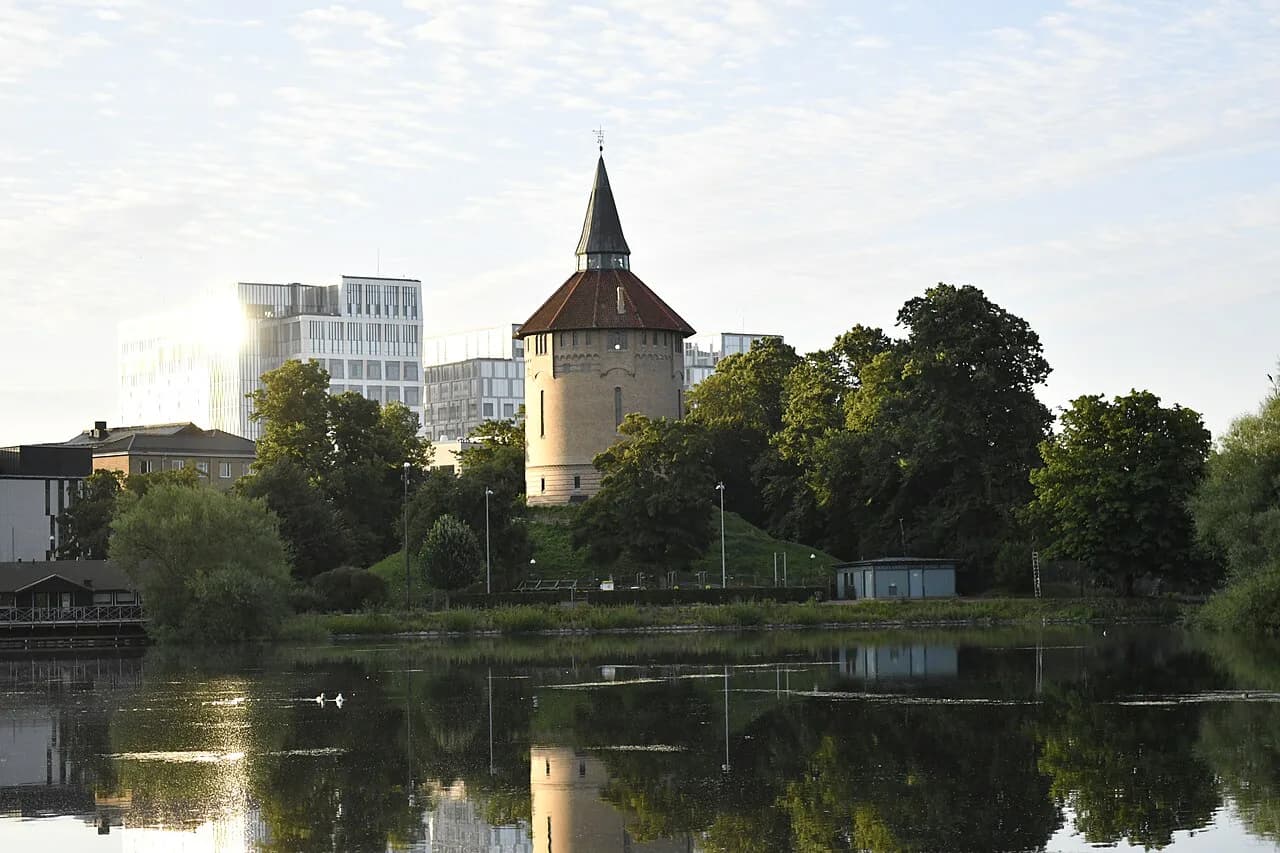
Pildammsparken occupies about 0.45 square kilometres within Malmö, which makes it the city's biggest park by area. It was formerly known as Baltiska parken, a name tied to the Baltic Exhibition that Malmö hosted in 1914, and the park's layout still reads as a planned exhibition landscape rather than leftover woodland. That history explains the formal axes and the sense of a designed, curated green space.
It sits south of the old town and the southern canal, in the part of Malmö that spreads towards Triangeln and the residential districts beyond. Because it is inland rather than on the waterfront, it pairs naturally with Slottsparken and Malmöhus rather than with the Western Harbour. Treat it as the southern anchor of a green walking day.

How big the park is and what that means for a visit
At roughly 45 hectares, Pildammsparken is big enough that you should pick a route rather than wander hopefully. The scale is closer to a landscaped estate than a city square: paths run long distances between water and tree belts, and cutting across the middle takes a good while. Decide on entry and exit points before you set off, otherwise you will spend your time on the perimeter.

Getting there: the walk from the old town and Triangeln
On foot, the natural approach is from the old town: cross the southern canal, follow the pedestrian stretch of Södra Förstadsgatan south towards Triangeln, and the park opens up beyond. From the central station area the walk is longer but straightforward, and Triangeln gives you a second convenient point to rejoin the city. Walking is the sensible way to arrive, since the route itself passes through the shopping streets and squares that make up the modern centre.
Malmö's compact centre means most of the historic sights sit within an easy walk of each other, which is why the park fits neatly onto a walking day rather than needing its own transport plan. If you are coming from further out, check local transport options separately rather than assuming a direct service to a park gate. Build the walk in from Triangeln and treat the park as the reward at the end.
The lakes, the trees and the layout of the park
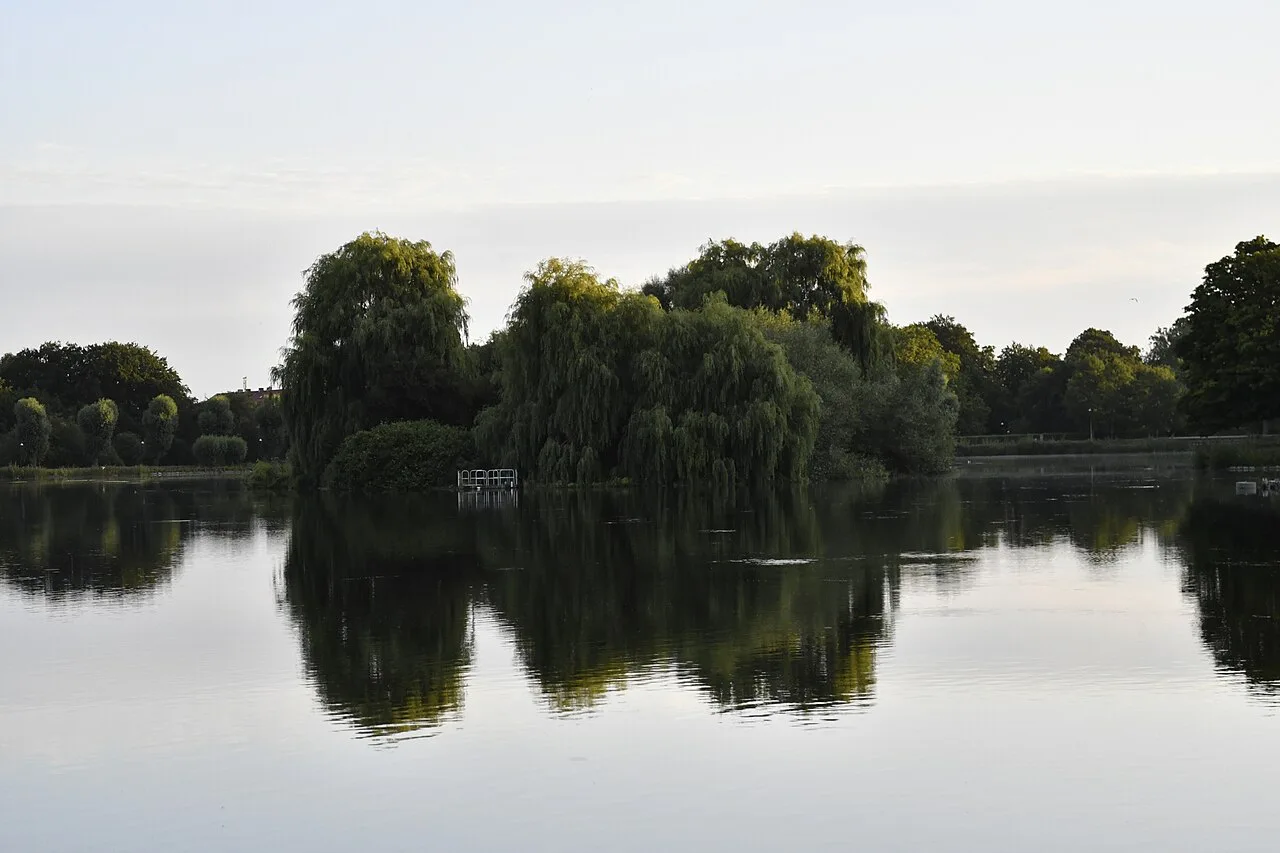
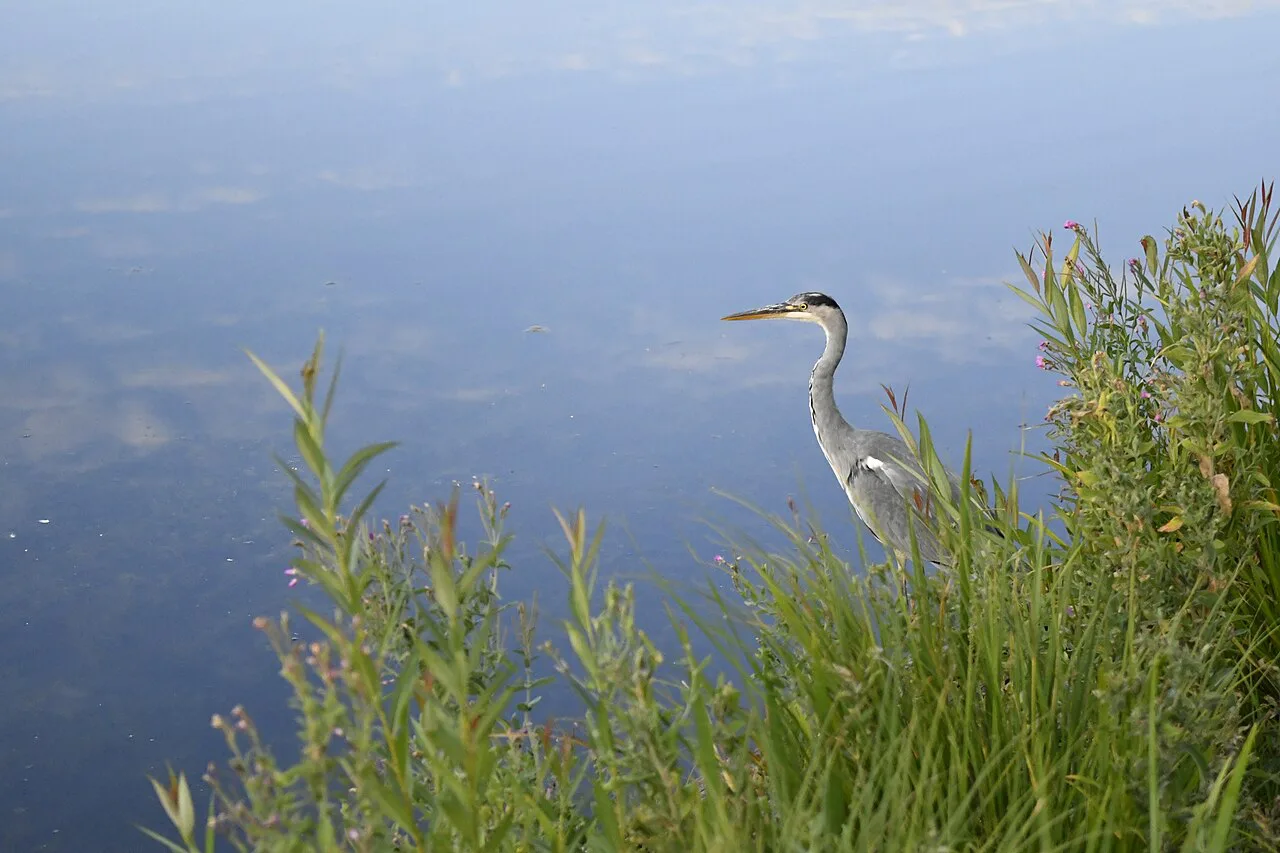
Water is the organising feature. The park holds lakes with birds, and the paths loop around them past huge, well-trimmed trees and open lawns, which is what gives the place its restful character. Because the trees are mature, the park feels shaded and established rather than newly planted, and the lakes give the walk a clear shape.
Flower beds and playgrounds are part of the mix, so the park serves local families as much as visitors. That is worth knowing because it sets expectations: this is a working city park, not a show garden, and its pleasures are the ordinary ones of water, shade and space to sit. Bring a picnic blanket and use the lawns rather than rushing the loop.
What to see on a loop: water, trees, flower beds and playgrounds
A sensible circuit starts at the northern edge near the old town, follows the water, and returns through the tree belts. Along the way you get the lakes and birdlife, the big trees, the seasonal flower beds and the playgrounds, which is the full inventory of what the park offers. Repeat visits at different seasons change the experience more than any single feature does.
The windmill in nearby Slottsparken and the wider green belt give you a reason to extend the loop beyond Pildammsparken's boundary. If you want the contrast of Malmö's newer skyline after all this greenery, head out to the Western Harbour to see the Turning Torso, a completely different kind of modern landmark from the park's landscaped water and trees.
How long to allow and the best pace for a short city break
Budget about an hour for a brisk circuit of the lakes and two hours if you plan to sit, let children use the playgrounds and take photographs. On a one- to four-day Malmö break, the park works best as a half-day combined with Slottsparken and Malmöhus rather than as a standalone outing.
A practical shape for the day is old town in the morning, then the canal crossing and Pildammsparken in the afternoon, finishing back at Lilla Torg for the evening. That sequence keeps the walking logical and avoids doubling back through the same streets. If time is tight, prioritise the lakes over the outer paths.
Facilities, cafés and practical points for a park visit
Pildammsparken is open public ground, so there is no ticket to buy and no opening time to plan around in the way a museum demands. Facilities inside the park vary, so carry water and snacks rather than relying on finding something on site. For confirmed details on what is available, the city's own park information is the place to check before you go.
Restaurants and cafés cluster in the surrounding streets and back towards the old town rather than in the park itself. Sweden is largely a cashless society, so a card or phone payment is the practical default wherever you stop.
Nearby: Slottsparken, Malmöhus and the old town squares
The strongest pairing is with Slottsparken, the central green space on the other side of the historic core, and with Malmöhus, the castle and museum complex beside it. Walking from Pildammsparken through the old town to Slottsparken gives you two very different parks in one afternoon, one formal and watery, the other closer to the castle and the city's museum quarter.
The old town itself supplies the architecture: Stortorget, the Lilla Torg square with its café terraces, and the streets around Jakob Nilsgatan mix centuries of building styles in a compact area. Sankt Petri Kyrka, two blocks from the central station, is a worthwhile stop with its whitewashed interior and heavily decorated altarpiece, and it anchors the northern end of a walking day.
Pildammsparken with children or on a rainy day
Children get the most from the playgrounds and the open lawns, and the lakes give a loop short enough that nobody runs out of patience. On a wet day the park loses its appeal quickly, because there is no shelter and the paths become the whole experience. Shift the plan to an indoor museum instead and keep the park for a drier slot.
Malmö Museum, in the Slottsparken area, is the obvious wet-weather substitute and keeps you in the same part of the city. That way the day's geography survives even when the weather does not.
Is Pildammsparken worth the walk from the old town?
Yes, if you want an hour of water, shade and space and you are happy to walk south of the canal to get it. No, if your Malmö time is down to a few hours and the old town squares and waterfront are still unvisited. The park rewards a deliberate visit rather than a passing one.
Build it into a green half-day with Slottsparken and Malmöhus, start from Triangeln, and leave the playground time flexible depending on who is with you. That is the version of Pildammsparken that fits a short city break rather than stretching it.