Is Visby Worth Visiting? An Honest Answer for a City Break
Yes, Visby is worth visiting if medieval walls, church ruins and a compact walled old town appeal. Here is what it does well and who it suits.
On this page
Yes, Visby is worth visiting. The old town packs a 13th-century ring wall, a dozen medieval church ruins and a Hanseatic street grid into a handful of walkable streets, so a single day delivers more history per step than most city breaks. The wall originally carried 44 towers, many of which still stand. This page separates the walled town you can cover on foot from the rest of Gotland, says who it suits, and explains how many days it deserves.
Is Visby worth visiting? The short answer
Visby repays a visit if you want to walk through history rather than queue for one museum ticket. The whole historic centre is a walled town, and the medieval fabric is the attraction itself: you can trace the wall, step into roofless churches and wander lanes that have kept their layout for centuries. It suits slow walkers, photographers and families with older children who enjoy ruins and stories.
It is less compelling if you want big-city energy, nightlife or modern galleries, and the town is small enough that a fortnight would run thin. Treat Visby as a compact medieval core plus a base for the island, not a capital in miniature. The rest of this guide sets out the specific sights, the walking involved and the seasonal trade-offs.
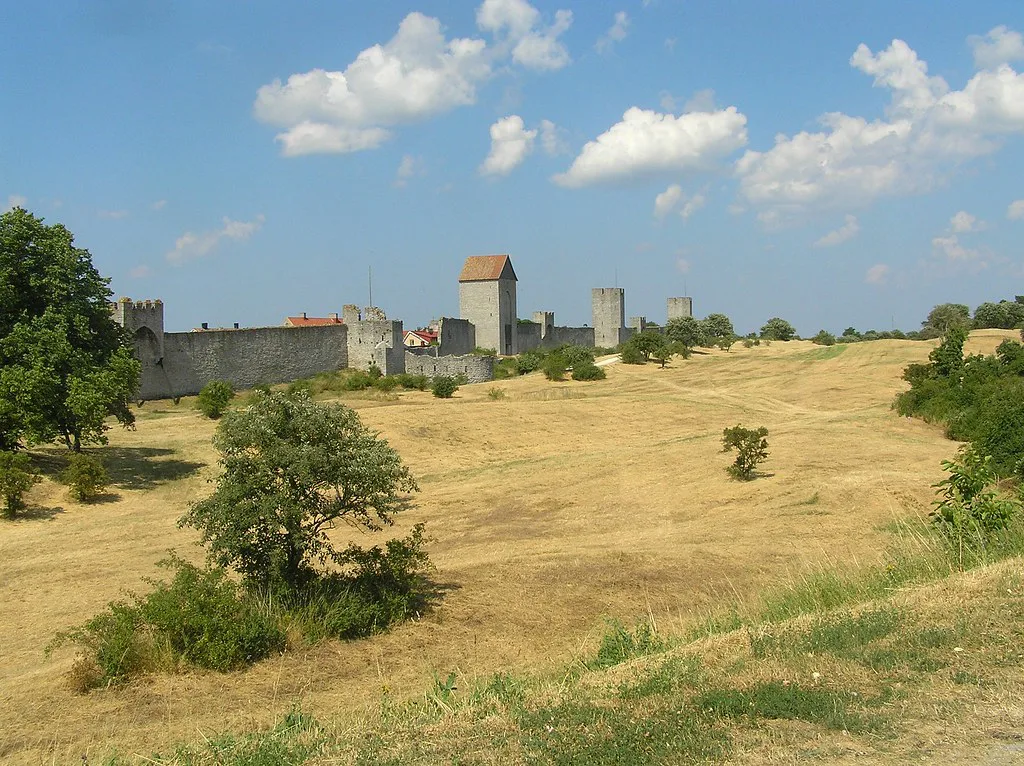
What you actually see: the city wall and its towers
The Ringmuren, or Visby City Wall, encircles the old town and is one of the best-preserved medieval walls in Europe. It was built in the 13th century when Visby was a prosperous Hanseatic port. Walk the outside first to see the full line, then step in through one of the gates.
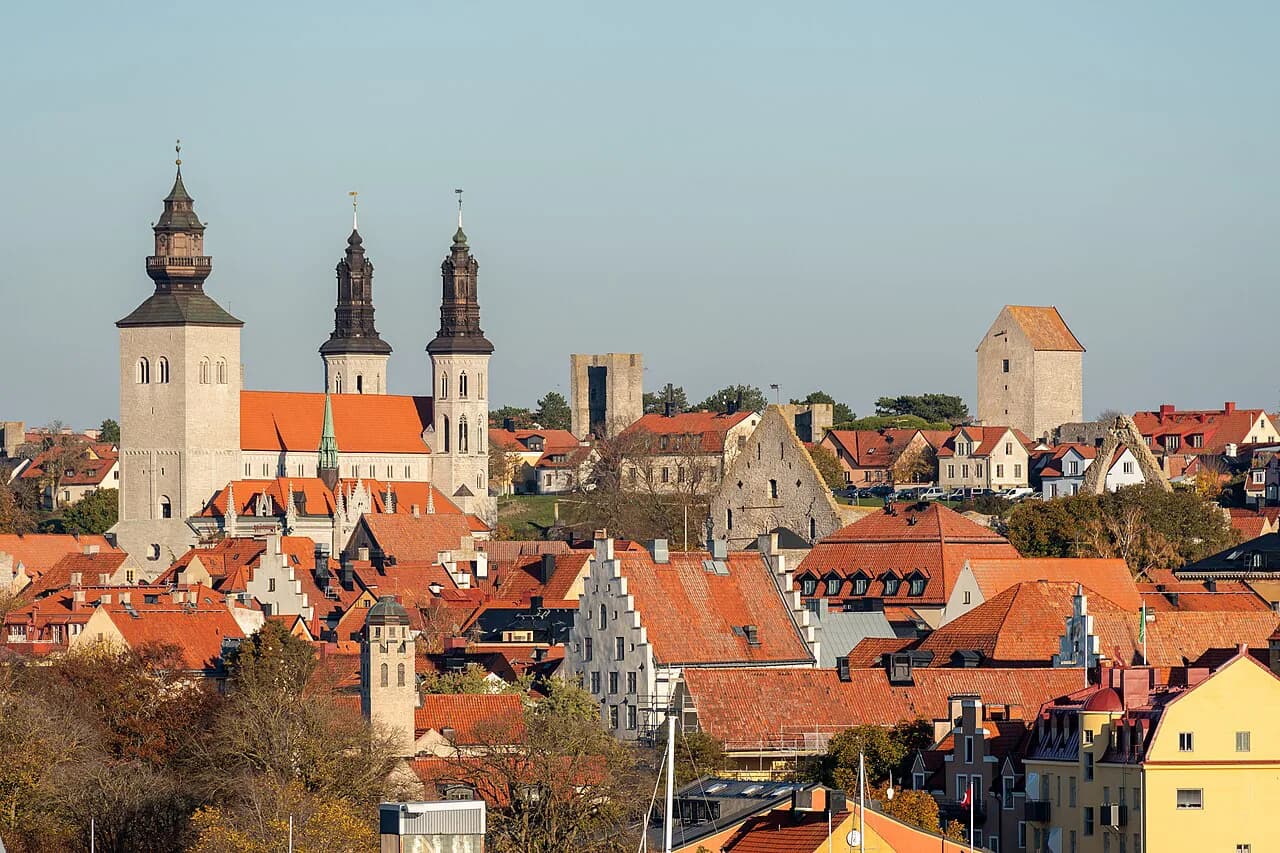
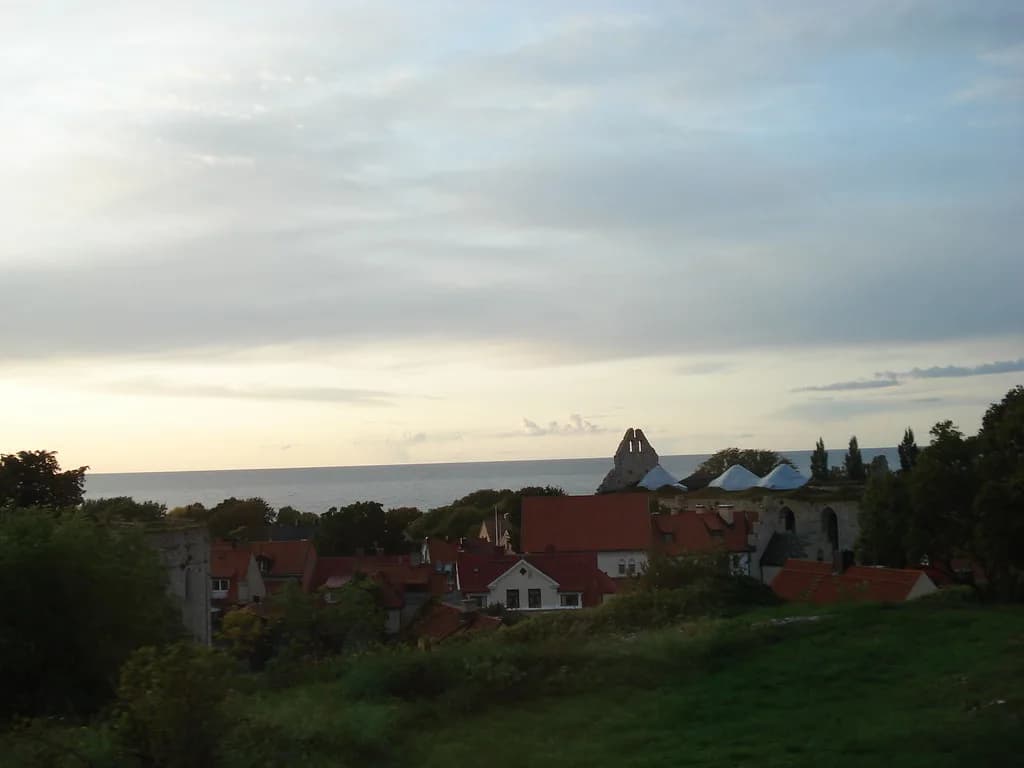
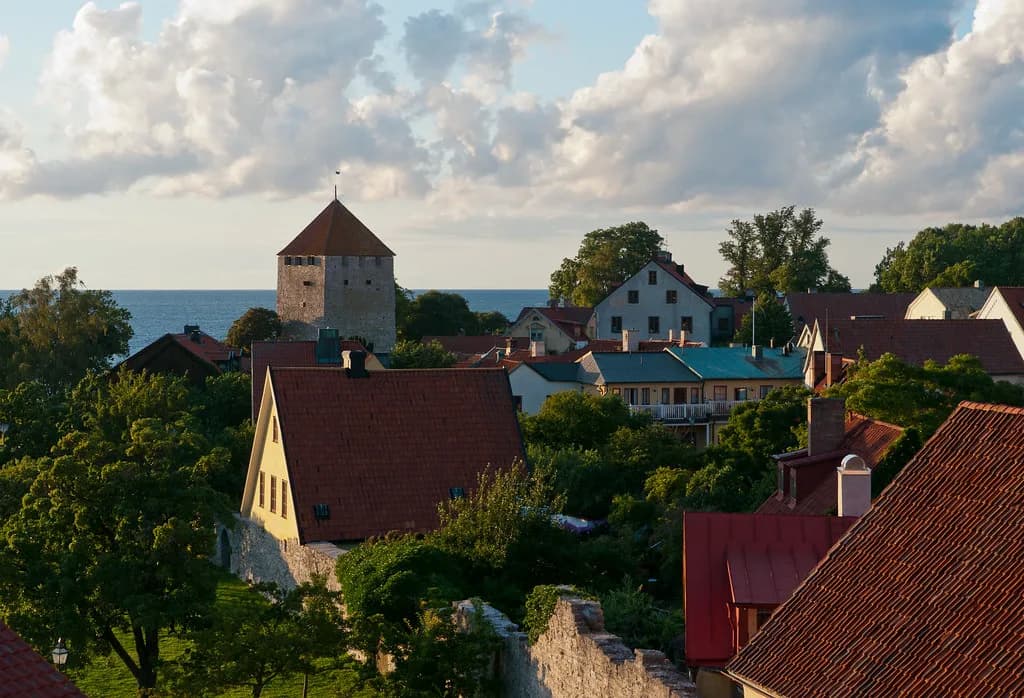
The best rooftop and sea view comes from the stretch above St Mary's Cathedral, where you look over the town's towers, ruined churches and the Baltic beyond. The circuit is short enough to fit around a morning coffee, so save it for clear light. You can plan the wall, gates and lanes around your day with our guide to things to do in Visby.
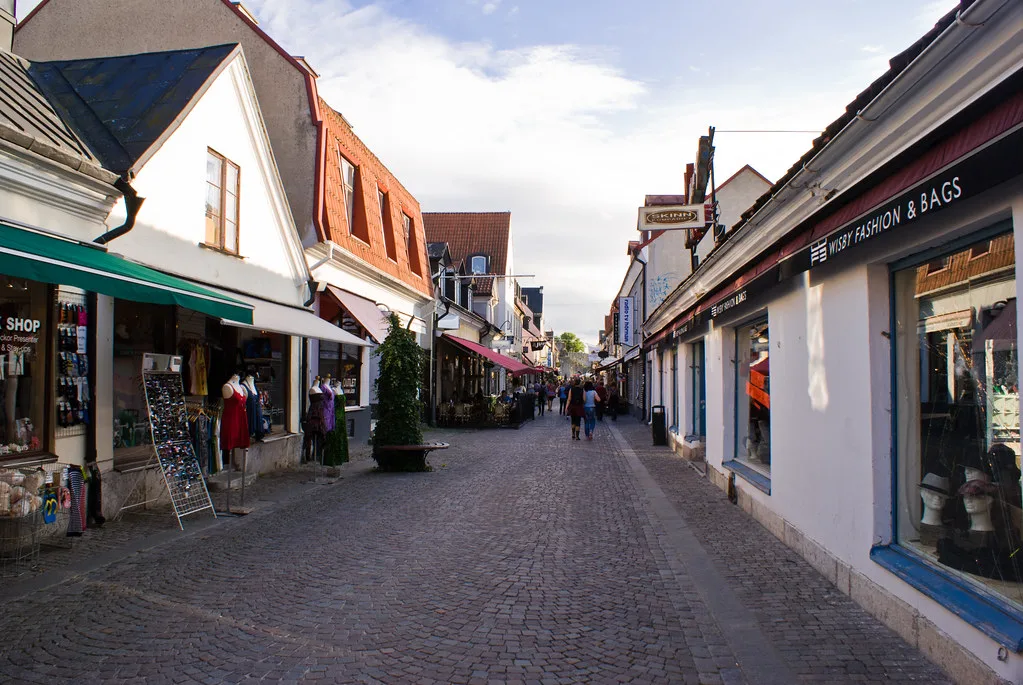
The medieval street grid and the church ruins inside the walls
Inside the wall, twelve medieval church ruins survive, and they are the reason Visby feels unlike any other Swedish town. St Karin's was built by Franciscans in 1233 and its open arches now frame the Great Square, where cafés and shops sit beside the stonework. St Nicolai, a 13th-century Dominican foundation, stands as skeletal arches that host concerts and theatre, while Drottens was raised in 1240 for the town's German residents.
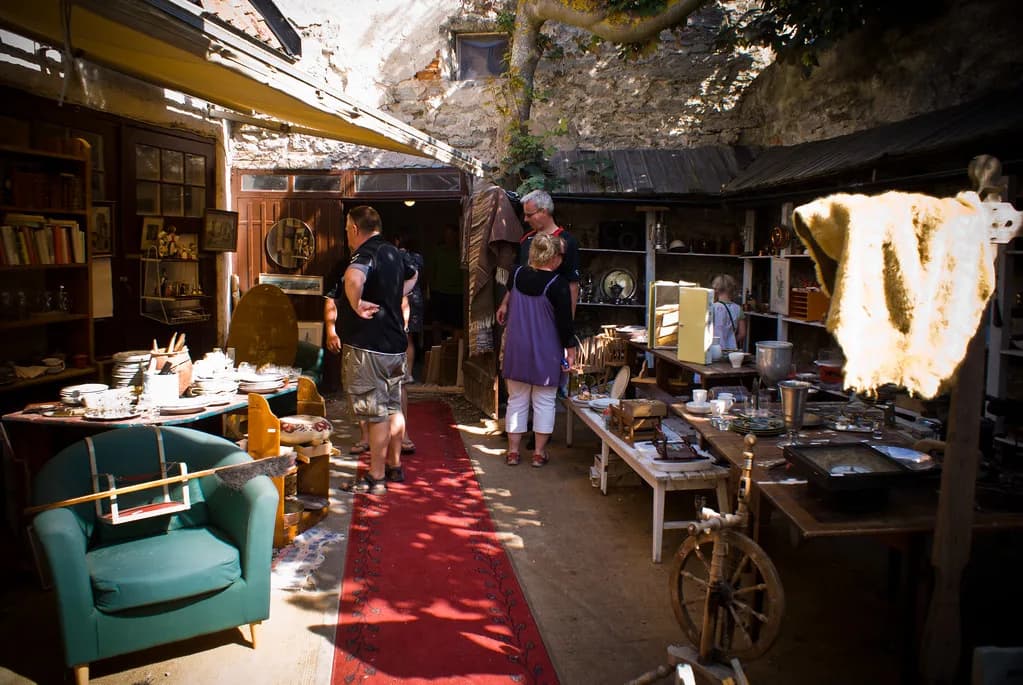
The lanes between them are the second attraction: narrow cobbles, low houses and the old fish market, now a residential lane lined with red roses. Allow time to get lost rather than treating the ruins as tick-box stops. A self-guided route through the lanes and ruins is laid out in our Visby Old Town guide.
If you want a structured order for the lanes and ruins, a short walking route through the old town keeps the day moving without a guidebook in hand. Plan around the wall and squares rather than a fixed schedule, and use our Things to Do in Visby guide to line up the rest.
St Mary's Cathedral and the view over the rooftops
St Mary's Cathedral is the only medieval church in Visby still in use, which makes it the living counterpart to the ruins around it. It dates from the late 12th century, was built by German merchants, and carries a three-towered facade, stained glass and carved stone; the interior rewards a quiet ten minutes. Pair it with the wall view above the cathedral to see the town's skyline in one sweep.
Almedalen Park, the harbour and the Botanical Garden
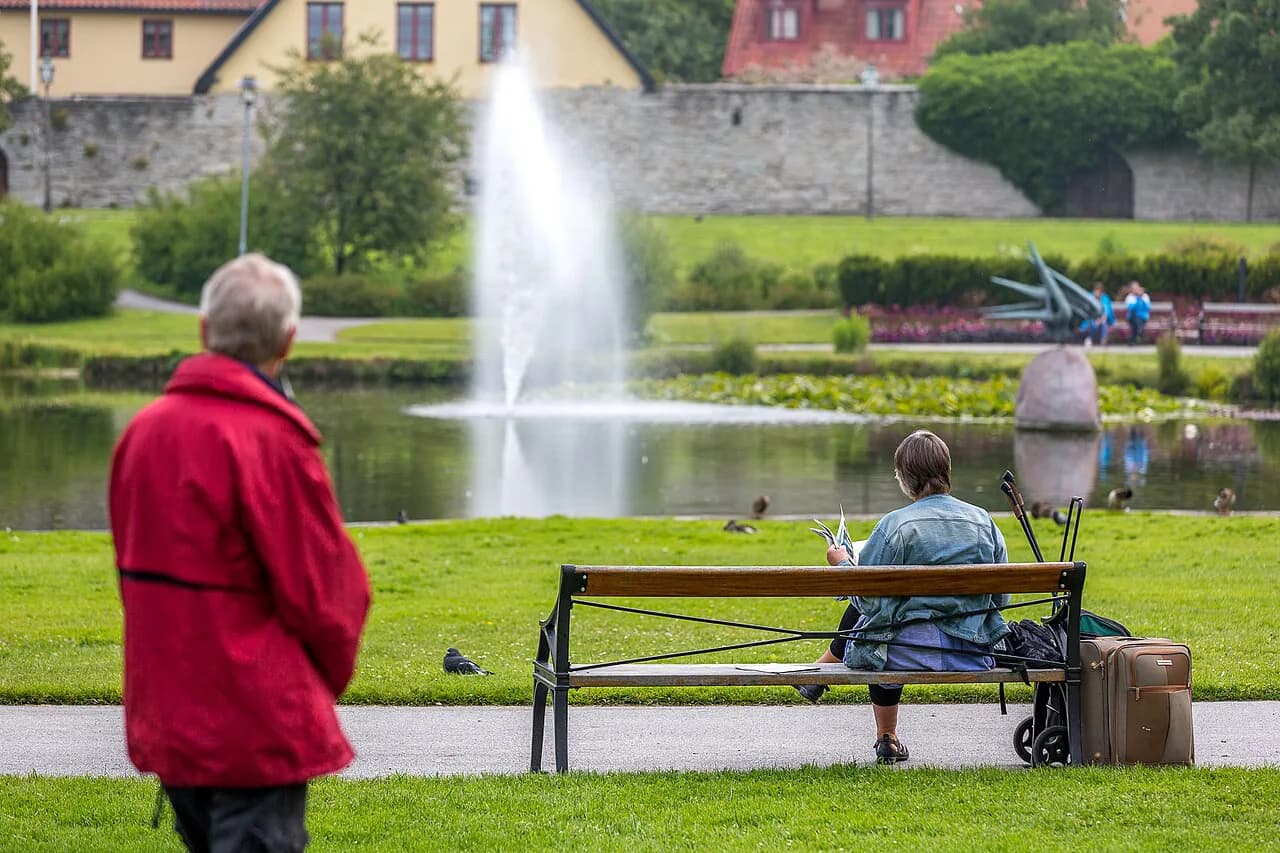
Almedalen Park sits by the harbour on the site of the medieval harbour, now lawns, paths and benches, and it is where Sweden's political festival Almedalen Week takes place each summer. The Botanical Garden, laid out in the 19th century, mixes rose beds and old oaks with medieval ruins inside its grounds. Both are gentle places to slow down between church ruins.
The harbour side also gives you the town's working edge and the best place to sit with a coffee after the wall. If you are arriving by sea, our Visby Old Town guide connects the port end of town to the lanes inside the wall.
Gotlands Museum and the picture stones
Gotlands Museum is the one indoor stop worth building a day around, tracing the island from prehistory through the Hanseatic centuries to the present. Its standout collection is the Bildstenar, or picture stones, carved with mythology and daily life and unique to Gotland, alongside Viking treasures, medieval weapons and runestones. An hour or two here makes the ruins outside legible.
Check the museum's own website for current opening days and ticket prices in kronor before you go, as these change between summer and the rest of the year. Build it into a wet-weather plan rather than squeezing it into a half-hour.
How much walking a day in Visby involves
A day inside the walls is a walking day. The old town is compact enough to cross on foot in under half an hour, but the pleasure is in the detours: wall, ruins, cathedral, park and museum all sit within a short stroll of each other. Wear shoes that handle cobbles and expect broken surfaces around the ruins.
Most visitors will not need a bus inside the walls. Save transport for reaching Högklint or Fårö, which sit outside town. If you plan a longer walk, our guide to Visby ring wall routes and the lanes explains how to link the gates without backtracking.
When Visby is at its best: summer, Medieval Week and Almedalen Week crowds
Summer is when Visby works best. Gotland is the sunniest part of Sweden, and the long days suit the wall and ruins, but ferries book up early, so reserve crossings well ahead. Two summer weeks swell the town further: Almedalen Week, usually week 26, brings Sweden's political forum, and Stockholm Week, usually week 29, brings a party crowd from the capital.
Medieval Week, Medeltidsveckan, takes over the streets every August with re-enactments, markets, jousting and period costume, which is either the highlight of your trip or the week to avoid. Dates shift each year, so check the festival's own programme before booking. Outside those windows, spring and early autumn give you the same walls with fewer people.
How many days Visby needs: one day versus a fuller city break
One full day covers the essential Visby: walk the wall, see St Karin's and St Nicolai, visit St Mary's, cross Almedalen and spend an hour in Gotlands Museum. That is a satisfying day and enough for most short-break travellers. Cruise passengers on a port call can do a condensed version on foot, since the old town clusters near the harbour.
Two to three days lets you slow down, add the Botanical Garden and Högklint Nature Reserve, and take the ferry to Fårö for its limestone stacks and Ingmar Bergman connections. Allow at least four days on Gotland itself if you want the island beyond the town. Ferries run from Nynäshamn, and flights land at Visby Airport, with flights from Stockholm taking around 40 to 45 minutes.
Who Visby suits, and who it does not
Visby suits history-lovers, photographers and families whose children can walk and imagine a medieval port. It suits anyone who enjoys stone, sea light and small streets more than polished attractions. It does not suit travellers chasing nightlife, big museums or beach-resort comfort, and it is a poor fit for anyone who finds cobbles or ruins repetitive.
The honest trade-off is a compact medieval core against summer crowds and two weeks when the town fills with politics or parties. If that balance sounds right, the town rewards you. Our broader Gotland guide helps you decide whether to stay on the island or treat Visby as a day trip.
Should you book the crossing to Visby?
Book Visby if you want a walkable medieval town where the wall, ruins and cathedral do the work. Give it one full day at minimum, add nights if you want Fårö and Högklint, and check ferry and flight capacity before you commit, since summer crossings fill early.
Skip it if you need city scale or late nights; the old town is small and quiet outside festival weeks. For everyone in between, Visby is one of Sweden's most distinctive short breaks, and the medieval core is the reason to go.
Explore more Visby guides
Frequently Asked Questions
Where is Gotland located?
Gotland is a Swedish island in the Baltic Sea, with Visby as its county capital and largest town. You reach it by ferry from Nynäshamn, south of Stockholm, or by air into Visby Airport. About 40 percent of the island's roughly 57,000 residents live in Visby.
Is Gotland worth it beyond Visby?
Yes, if you have the time. The island adds Högklint's cliffs, Fårö's limestone stacks and Ingmar Bergman sites, and open countryside that rewards a few extra days. Allow at least four days on Gotland if you want to see more than the walled town.
What can you do in Visby from a cruise ship?
Walk the Ringmuren, see St Karin's and St Nicolai, visit St Mary's Cathedral, cross Almedalen Park and spend an hour in Gotlands Museum. The old town is compact and close to the harbour, so a port call covers the highlights on foot.
Sources
Notes for your next Swedish city break
Optional updates to our Sweden guides.
You might also like
Continue reading
More guides you'll find useful