Visby City Wall: Walking the Medieval Ringmur
The Visby city wall is a medieval ringmur of towers and gates around the UNESCO-listed old town. Here is what to see on a walk along and inside it.
On this page
The Visby city wall is a long medieval ringmur that still wraps most of the old town, and it is the reason the town reads as one complete medieval place rather than a few isolated ruins. Walk it from the outside first for the towers and the green belt, then pass through a gate and spend the rest of your time among the warehouses, church ruins and cathedral inside. This guide covers the route, the towers and gates, and the sights within the circuit, with an honest time budget for a short visit and a link to the full set of things to do in Visby.
What the Visby city wall actually is
The ringmur is a defensive wall of stone and brick towers that enclosed the Hanseatic trading town on Gotland, an island in the Baltic Sea. Visby grew rich on Baltic trade as the Hanseatic League's main centre in the region, and that wealth paid for the wall and the merchants' houses behind it. The wall and the old town were added to the UNESCO World Heritage list in 1995, which is the recognition most visitors have heard of before they arrive.
The reason so much of it survives is economic rather than sentimental. When the Hanseatic League rescinded Visby's status as a Hanseatic town in 1470, the town's fortunes slid, and nobody had the money to pull down the medieval buildings and put up grander ones. What you walk through today is a frozen version of a wealthy port that stopped being wealthy.
How long the wall is and how that shapes your walk
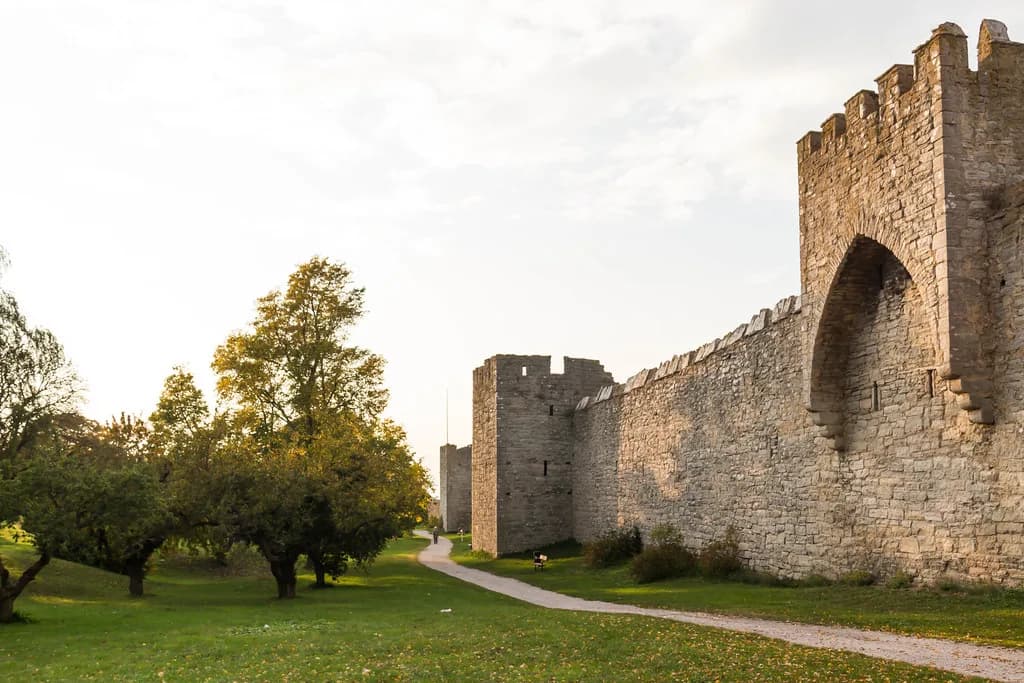
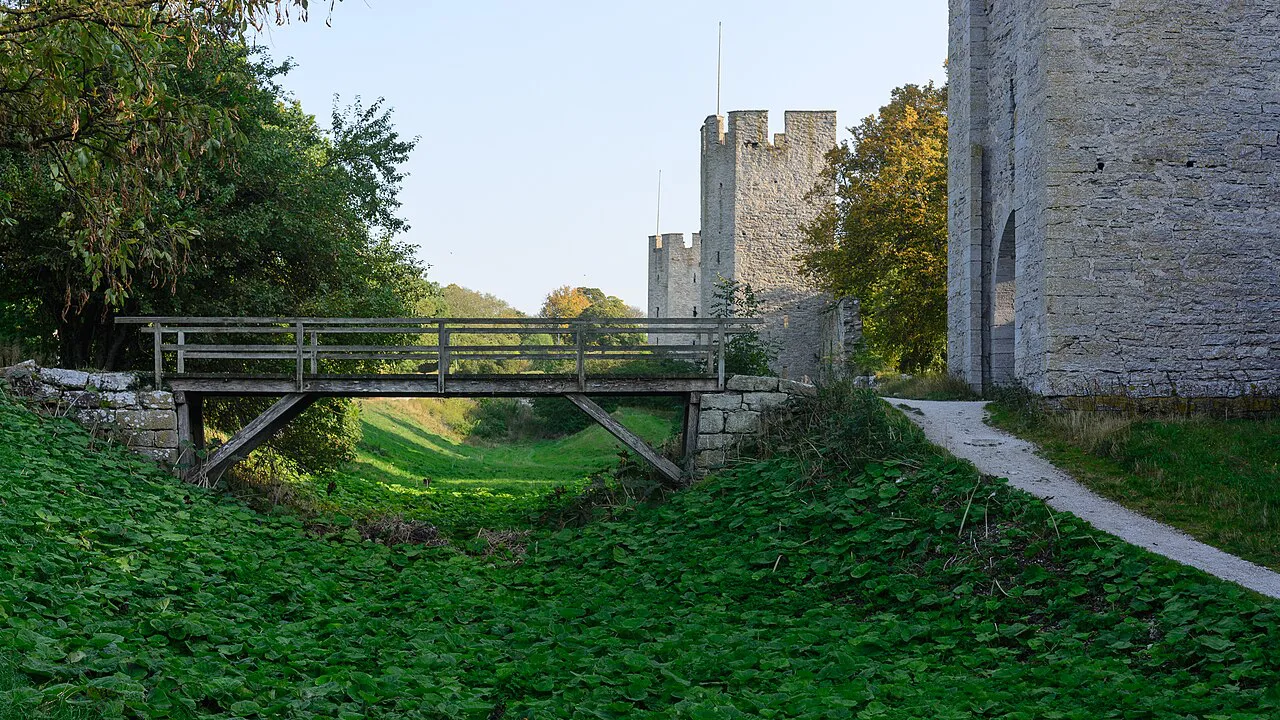
The ringmur runs for several kilometres around the old town, with more than thirty towers punctuating the line, so treating it as a single sight to tick off misses the point. It works best as a loop: pick one stretch for a slow walk outside the wall, then cut in through a gate rather than trying to complete the full circuit and see the town in the same hour. Allow the wall a generous half of your available time and let the old town fill the rest.
The wall is variously described as over two kilometres long by one account and over three kilometres with more than thirty towers by another, so plan by time rather than distance. On foot the outside circuit is a comfortable half-day stroll with stops, not a hike, and the flat ground means most visitors can manage a long section without effort. If your visit is short, choose the stretch nearest your entry point and walk it in one direction.
Towers and gates along the ringmur
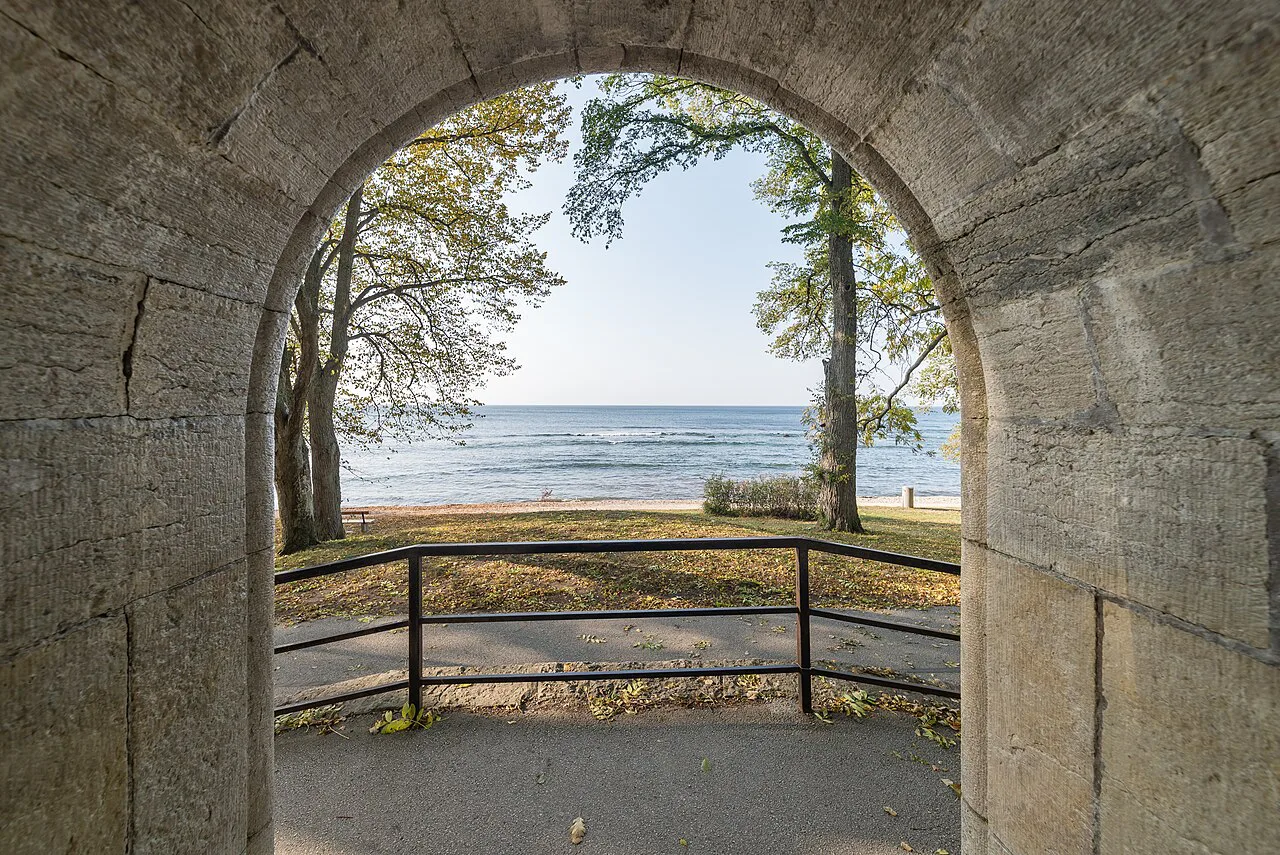
The towers are the detail that rewards walking slowly: each has its own shape and building phase, and the wayside panels along the wall explain which tower is which and when it went up. Many panels carry English as well as Swedish text, along with maps showing each section of the town, so you can match what you are looking at to the street layout inside. Read a couple of them early and the rest of the walk makes far more sense.
The gates are your way in and out, and they are worth choosing deliberately rather than wandering until you find a gap. Note which gate you entered by so you can leave the old town the same way, or head for a different one to vary the approach. The wall is a public monument seen from outside and crossed through its gates, so there is no ticket decision to make before you set off.
Walking the outside of the wall
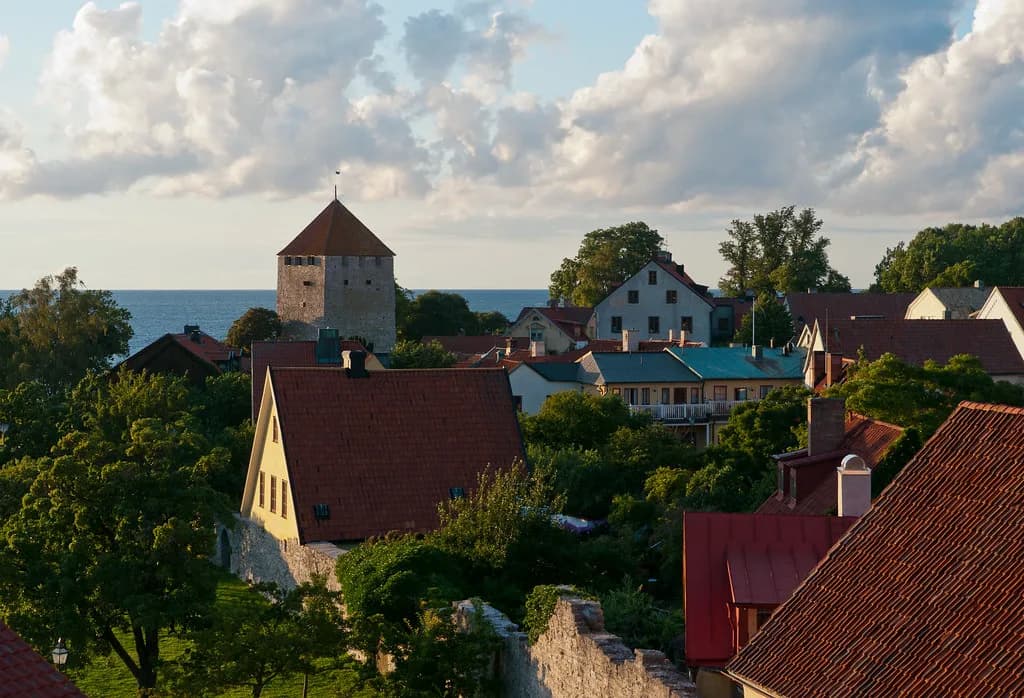
Start outside the wall, where a band of green space runs around the old town and turns the circuit into something closer to a park walk than a fortification tour. You get the full height of the towers against the sky, clear views back over the rooftops and room to see how the wall follows the ground. Walk it early, before the day fills up, and the whole thing takes on a calm that the streets inside rarely have.
The outside route is also the best place to understand the town's medieval defence logic, because you can see how the wall closes against the harbour side and how the towers are spaced. Photographers will want the low morning light on the brickwork. If you would rather have the history narrated as you go, a guided option covers the same ground with context you would otherwise piece together yourself, which is well covered in a wider look at the walking tour options.
Inside the wall: streets, warehouses and merchants' dwellings
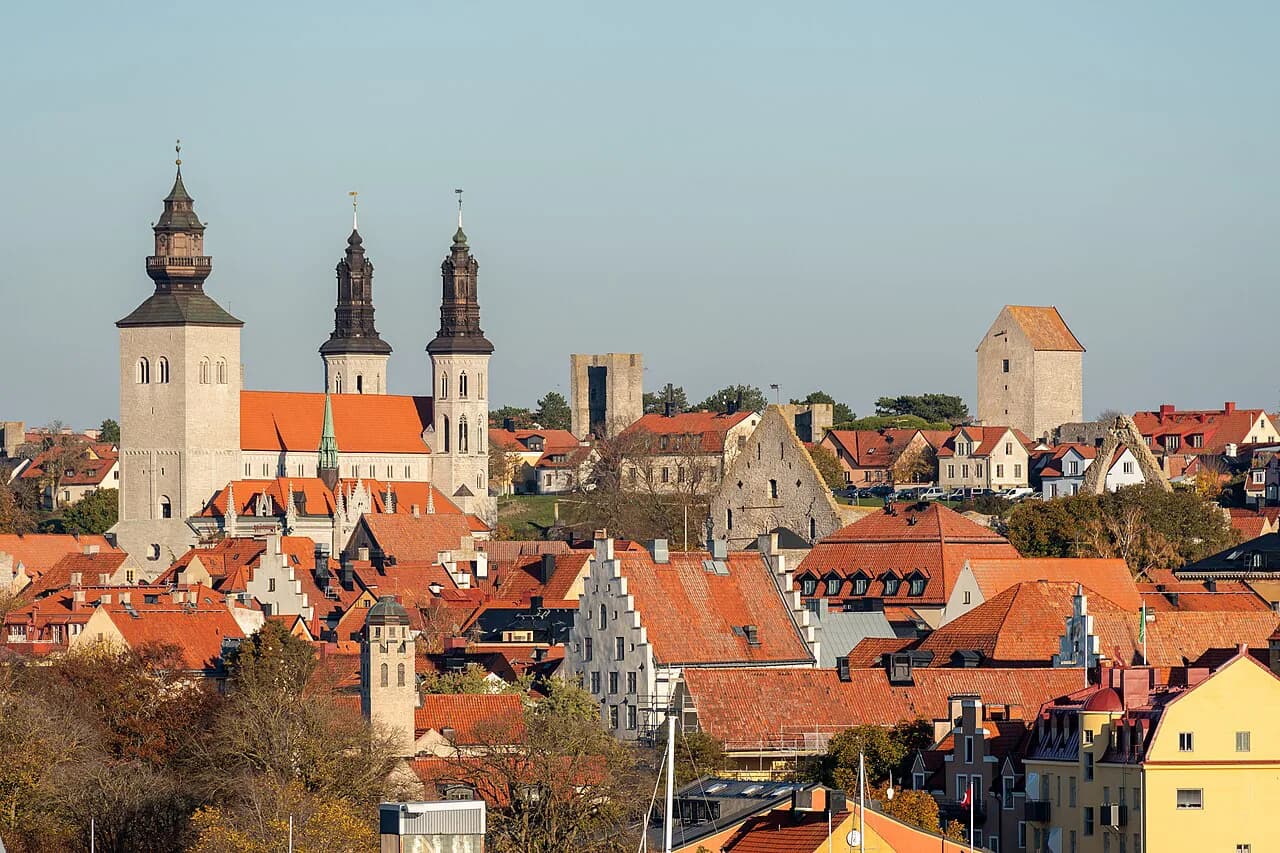
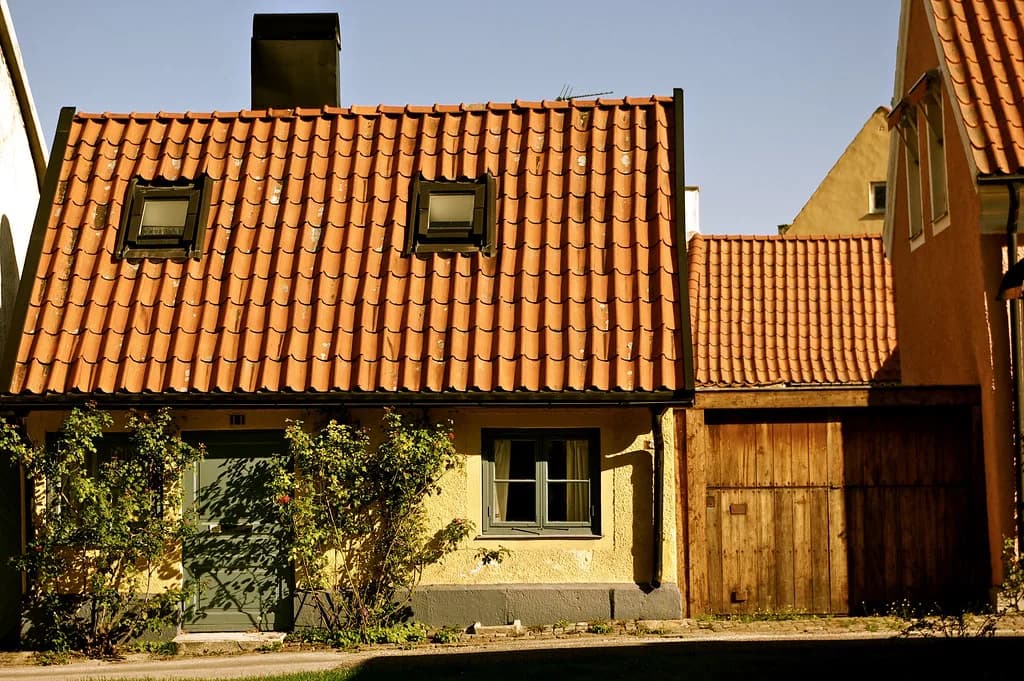
Once through a gate, the street pattern is essentially the medieval one, with more than 200 warehouses and wealthy merchants' dwellings from the same period still standing inside the wall. The buildings have been modernised inside but keep their medieval exteriors, and people still live and work in them, so you are walking through a living neighbourhood rather than an open-air museum. Keep your voice down in the residential lanes and step aside for bikes.
This is the part of Visby that most rewards aimless wandering, and it is where the wall and the town read as a single story. Pick a lane, follow it until it opens onto a square, and repeat. If you want the old town's highlights ordered for you, a focused look at the old town layout is the natural next read after the wall.
The church ruins inside the wall
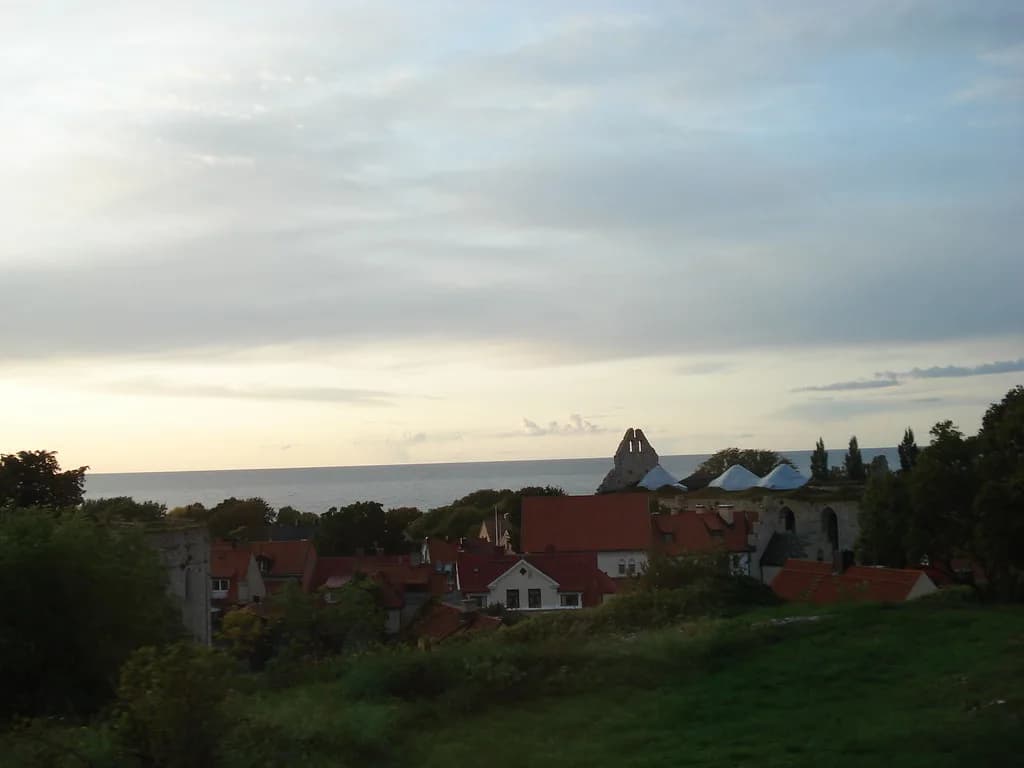
Visby built five churches in its wealthy years, and four of them are now ruins scattered through the old town; only St Mary's is still a working church. St Karin's is the one ruin you can actually enter, with tall walls and arches held steady by cables, which makes it the stop to prioritise if you only have time for one. The others are best seen from the street as you pass between the wall and the squares.
Set aside fifteen or twenty minutes inside St Karin's rather than treating it as a photo stop. The scale of the surviving walls tells you more about medieval Visby's ambitions than any panel, and it pairs well with the wall itself: the same money and the same confidence built both.
St Mary's Cathedral
St Mary's Cathedral was built in the 1100s, reshaped as the town's wealth grew, and reached its current appearance in 1225; it is still in use today. It is modest by the standards of great European cathedrals, and much of its elaborate decoration was stripped during the sacking of 1361 and again at the Reformation. Go in for the sense of continuity rather than spectacle, and note that it is the only one of Visby's medieval churches where you will find a congregation.
Services and visitor access follow the cathedral's own pattern rather than fixed tourist hours, so check the notice on the door or the parish's own information before planning your day around it. Pair it with the ruins nearby: the contrast between the roofless shells and the working church is the clearest single illustration of Visby's rise and long decline.
Gotlands Museum
Gotlands Museum sits on a medieval warehouse and still contains the original storeroom and cellar, so the building is part of the exhibit. Inside, the displays run roughly in chronological order and are the fastest way to fill in the history behind the wall, the ruins and the trade that paid for both. If you have time for one indoor stop, make it this one.
Check the museum's own published opening days and ticket prices before you go, since these change between seasons. For the wider set of indoor options in town, including smaller collections, the museums guide covers what is worth your hours.
How to fit the wall into the rest of Visby
The wall, St Karin's, St Mary's and Gotlands Museum make a coherent half-day circuit on foot, and adding the outside walk pushes it towards a full day with a break. If you have only a few hours, walk one stretch outside the wall, enter through the nearest gate, see St Karin's and finish at the cathedral. That sequence keeps you moving in one direction instead of crisscrossing the old town.
Visby sits on Gotland, so the wall is best treated as the anchor of a longer island stay rather than a single stop. If you are weighing up the wider island, the Gotland guide sets out what else justifies the crossing.
Practical points for the walk
Walking the ringmur itself costs nothing to view, which makes it the cheapest anchor for a day in Visby, while the sights inside set their own admission. The old town's lanes are cobbled and uneven in places, so wear shoes you can walk in for a couple of hours rather than anything with a heel. There is no gate or barrier to plan around: you can start at any tower and stop whenever you like.
Summer is when most visitors come, and it is also when the town is busiest, so an early start on the outside walk buys you quiet before the lanes fill. Weather on a Baltic island shifts quickly, so keep a light layer with you even on a bright morning. The light on the wall is best before midday, and the green belt gives you shade and space if the day turns warm.
Outside the wall or inside it first?
Walk the outside of the ringmur first, then enter through a gate and let the old town take the rest of your time. That order gives you the towers and the green belt in clear light, and leaves the ruins, cathedral and museum for when you want to slow down. The wall is the frame; the town inside is the picture.
If your trip is short, prioritise one stretch of wall, St Karin's and the cathedral, and save Gotlands Museum for a return visit. If you have a full day, do the outside walk in the morning and the indoor stops in the afternoon.
Explore more Visby guides
Frequently Asked Questions
Can you walk on top of the Visby city wall?
Plan your visit around walking along the outside of the ringmur and through its gates rather than along the top. The wall is a preserved medieval structure, and the walkable route for visitors is the green belt outside it and the streets inside.
How long does it take to walk around the Visby city wall?
Allow around half a day if you want the outside walk plus stops at the towers and panels, and a full day if you add St Karin's, St Mary's Cathedral and Gotlands Museum. If time is tight, walk one stretch outside and enter through the nearest gate instead of completing the circuit.
Is there a ticket to see the Visby city wall?
The wall is a public monument you view from outside and cross through its gates, with no admission decision to make before you set off. Sights inside the wall, such as Gotlands Museum, set their own admission, so check each venue's published prices before you go.
Sources
Notes for your next Swedish city break
Optional updates to our Sweden guides.
You might also like
Continue reading
More guides you'll find useful