Lund Architecture: What to See and How the City Fits Together
Lund architecture for a short city break: how the centre fits together on foot, what the university buildings add, and how much time to give the streets.
On this page
Lund architecture rewards a morning rather than a checklist: the centre is compact enough to read on foot, and the buildings that shape it belong to a working university city rather than a museum. Allow two to three hours for a focused walk, or half a day if you want to pause. This guide shows how the streets fit together, where the university sits within them, and how to fold architecture into a one-day visit.
How the centre is laid out
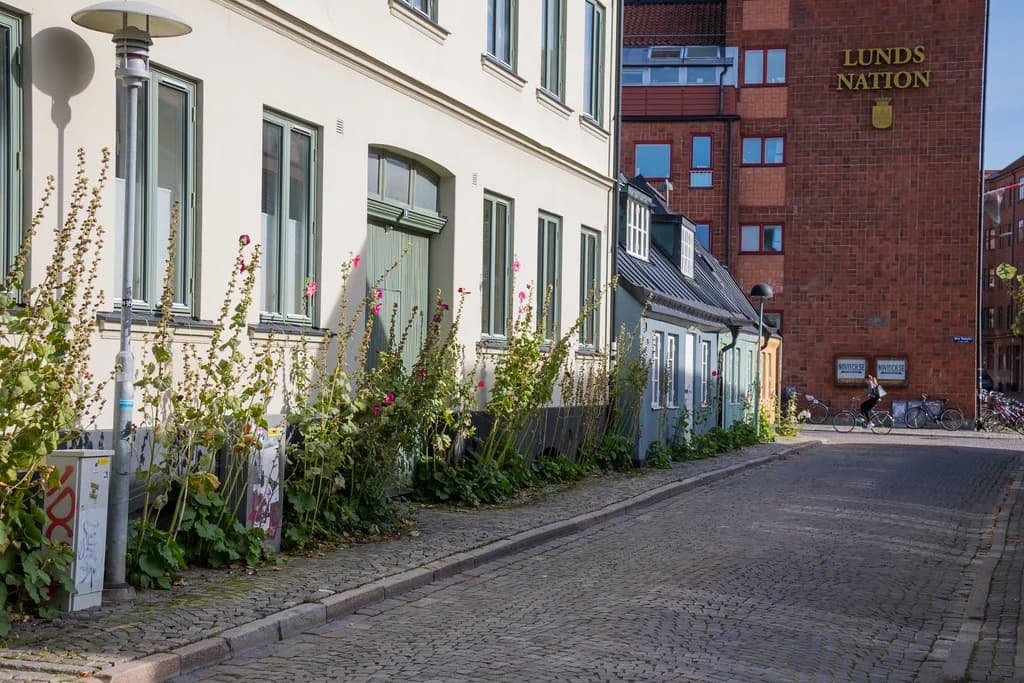
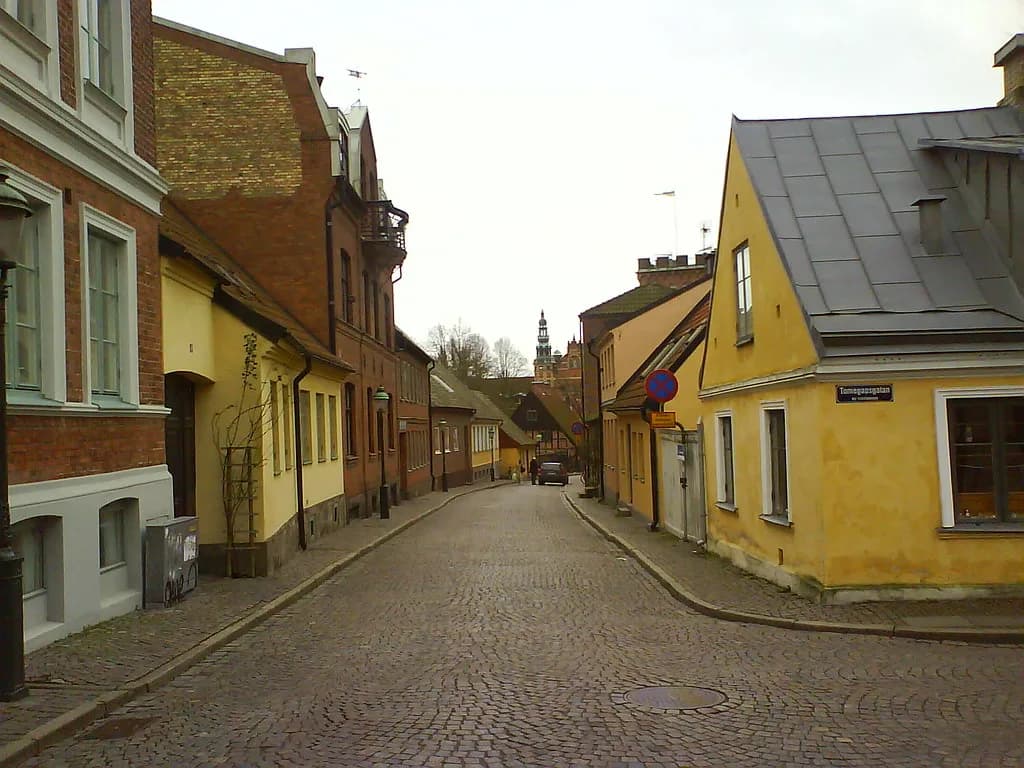
Lund is a low-rise, walkable city, and the historic core is small enough that you can cross it in a single loop rather than planning separate trips. The practical move is to start near the station side and walk in, using the cathedral as your aiming point. That way the first thing you notice is how quickly the streets tighten around you.
Rather than chasing individual addresses, treat the centre as a set of linked streets with the cathedral quarter at the middle and the university buildings layered around it. Shops, cafés and everyday city life run through the same lanes as the historic buildings, which is what makes the centre feel lived in. If you want the wider picture of what else fills the day, the list of things to do in Lund sits comfortably alongside a walk.
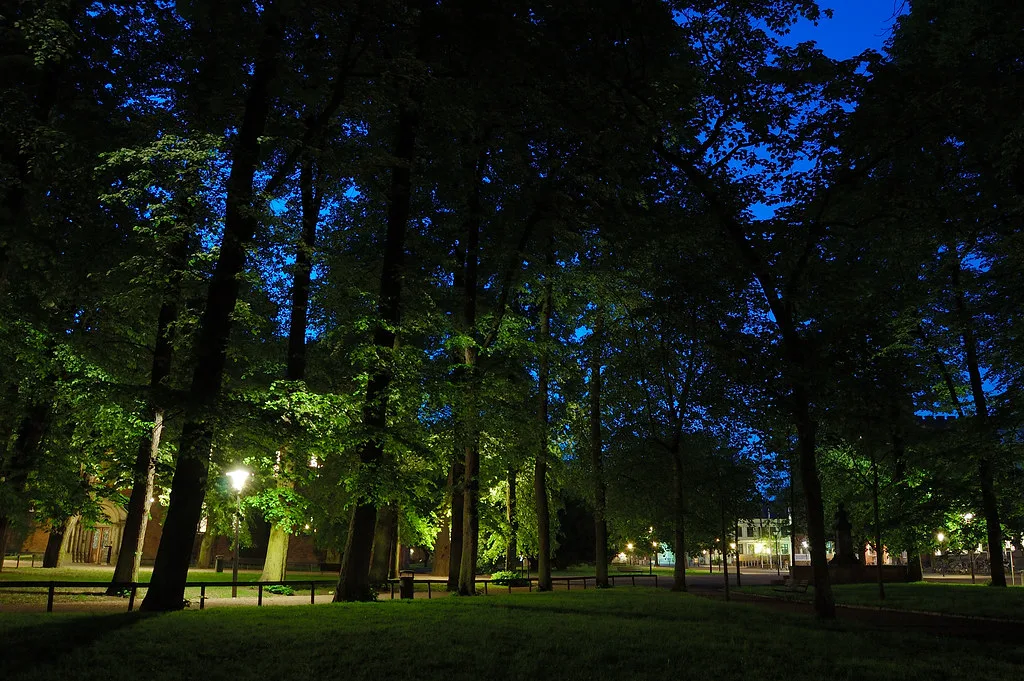
The cathedral quarter as the anchor
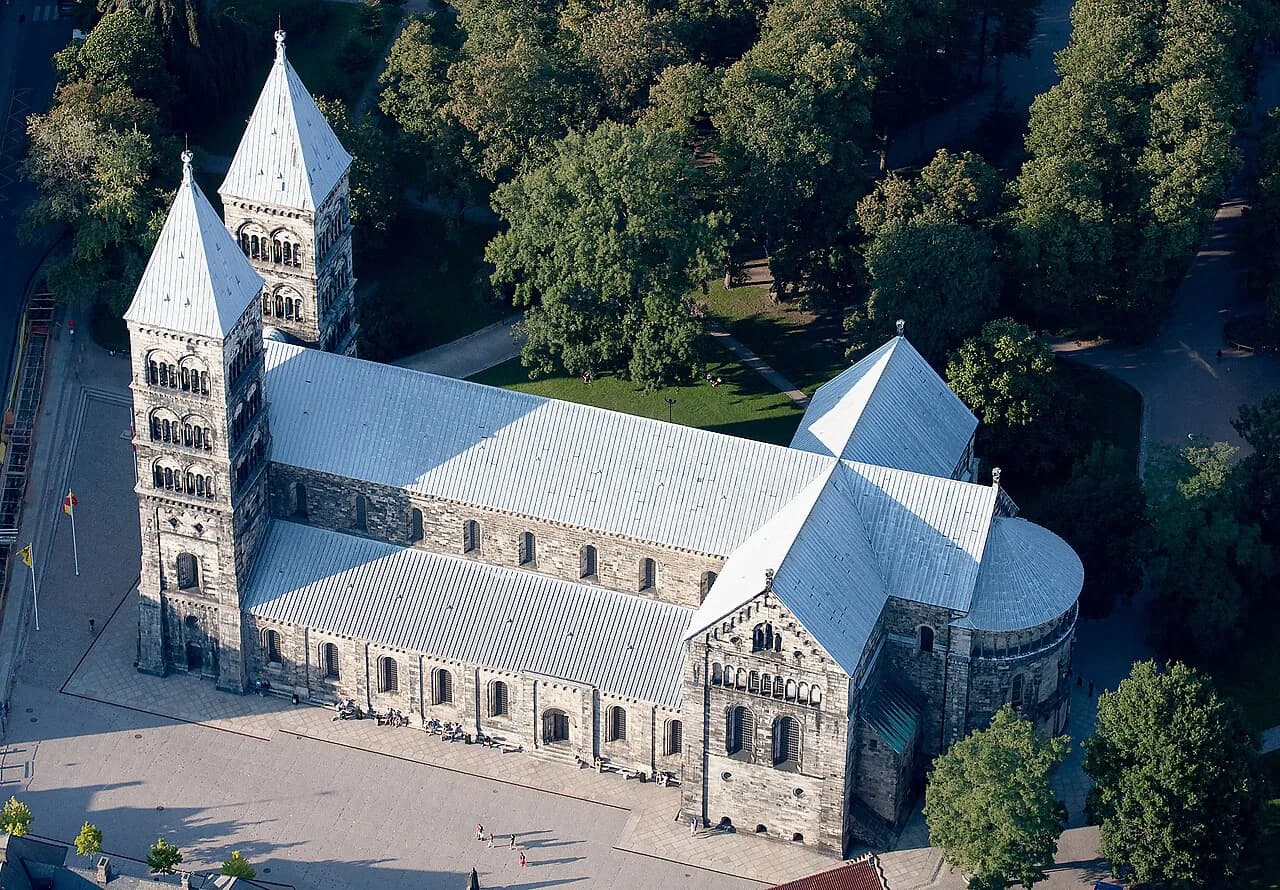
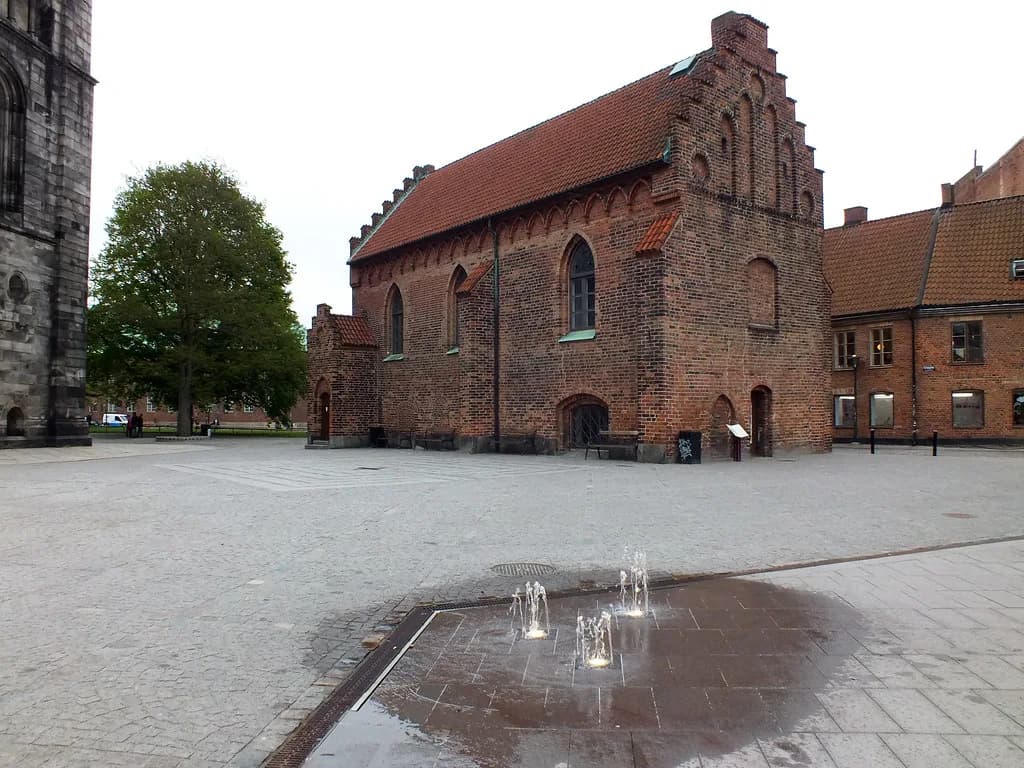
Lund Cathedral is the natural anchor for an architectural walk, and it is the building most visitors have in mind before they arrive. Start outside and work around it before going in, because the setting explains more than the interior alone. The surrounding lanes, the heart of Lund Old Town, are best taken at an easy pace, with a few turns rather than a route.
If you want the walk planned out rather than improvised, a Lund walking tour route keeps the cathedral as the pivot and threads the nearby streets around it. The advantage is that you cover the compact centre without doubling back. The trade-off is that a fixed route can pull you past shop windows and side lanes that are worth a look.
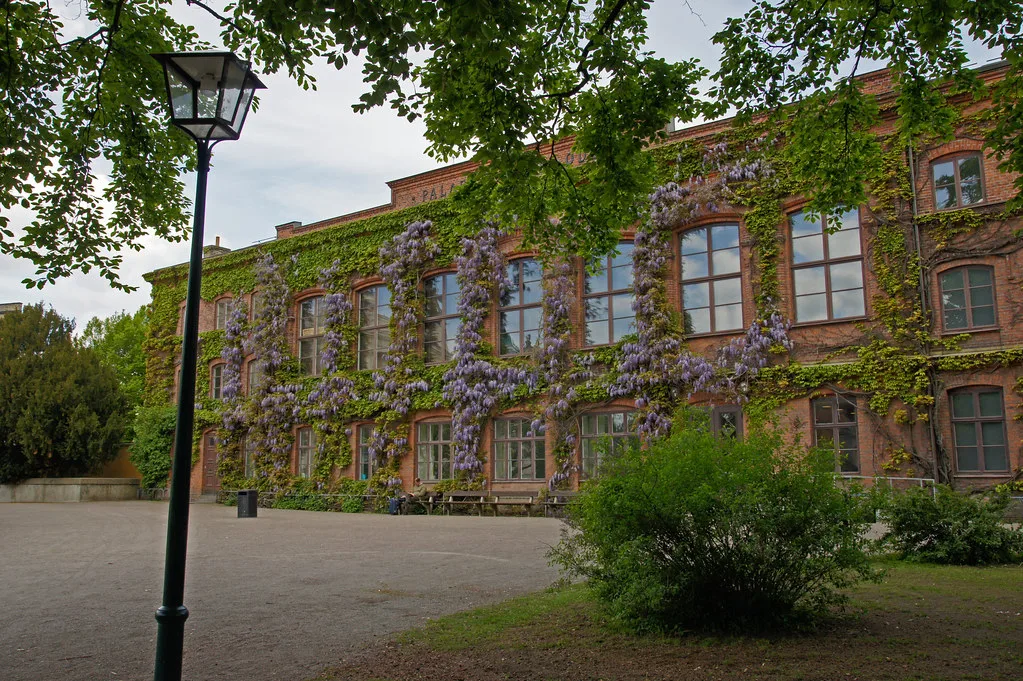
Where the university sits in the city
The university is not fenced off in a separate campus you have to travel to; its teaching and research sit in the centre, so its buildings are part of the streetscape you walk through anyway. That matters for a short visit, because you absorb the academic character of the city simply by moving through it. You do not need to arrange a visit to see how thoroughly the university shapes Lund.
The School of Architecture is part of LTH, the Faculty of Engineering, and teaches a five-year Architecture programme in Swedish alongside three English-taught Master's programmes. Architecture at Lund is taught as both an artistic and an academic discipline, which is a fair description of the buildings you pass: designed to be used, not just admired.
For context on what the city's architectural teaching covers, the university's subject page for architecture and design lists four English-taught Master's programmes: Architecture, Digital Architecture and Emergent Futures, Industrial Design, and Sustainable Urban Design. These are degree programmes rather than visitor attractions, so treat them as background on the city's design culture rather than as a guide to individual buildings.
What periods and building types you will notice
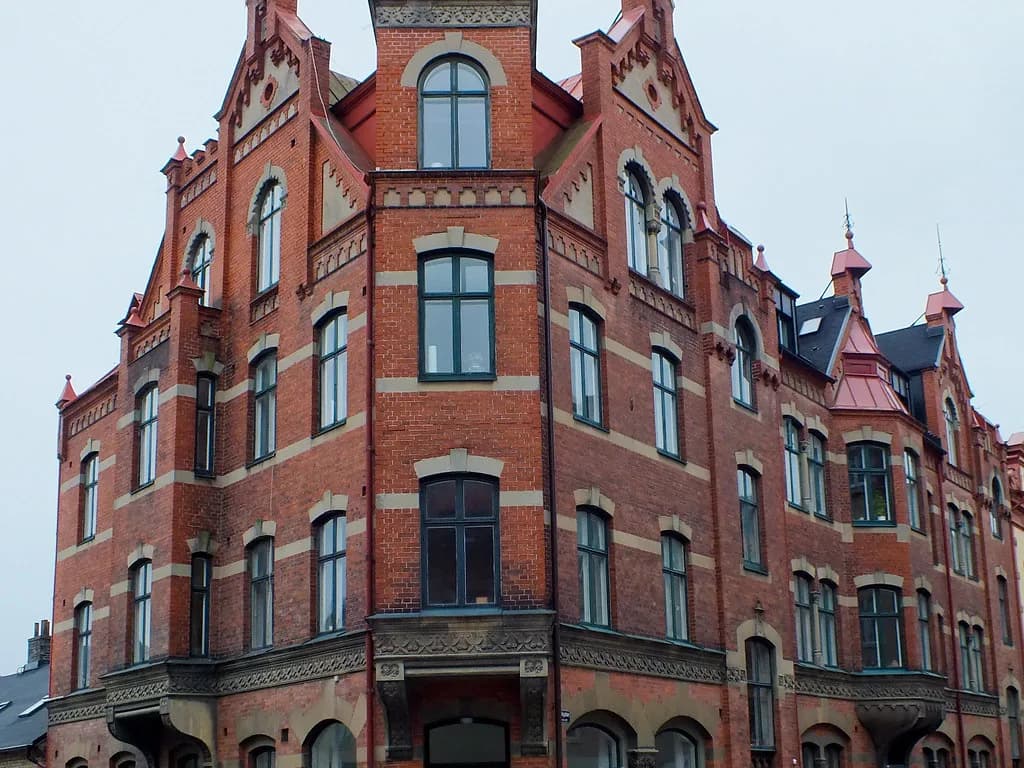
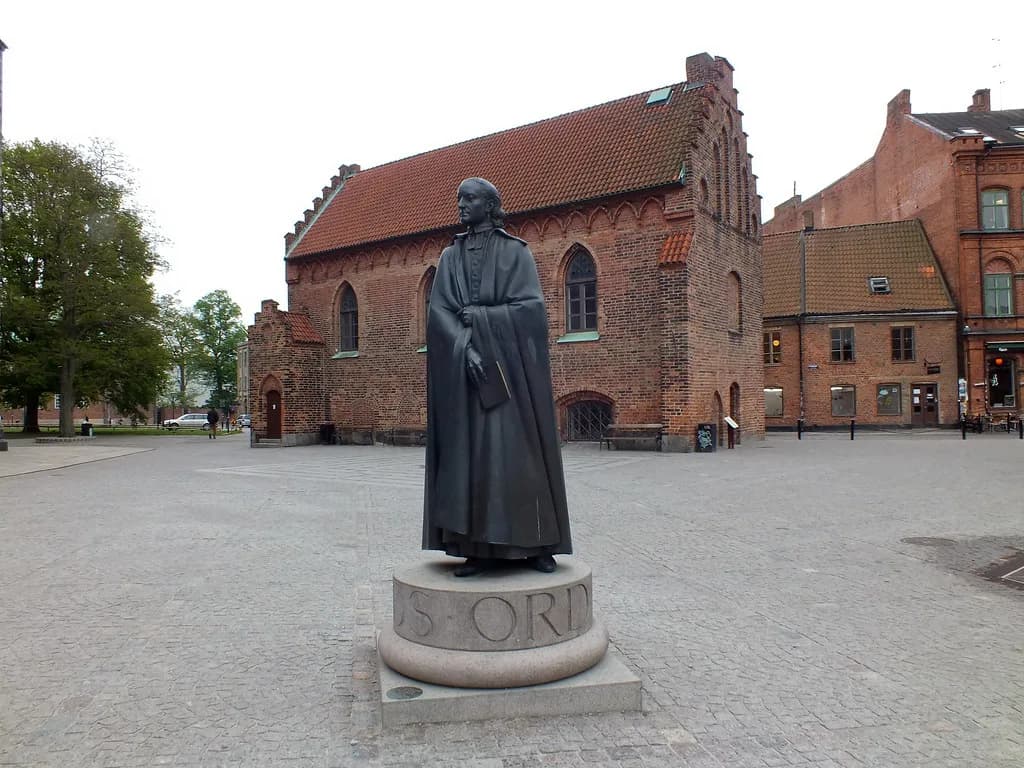
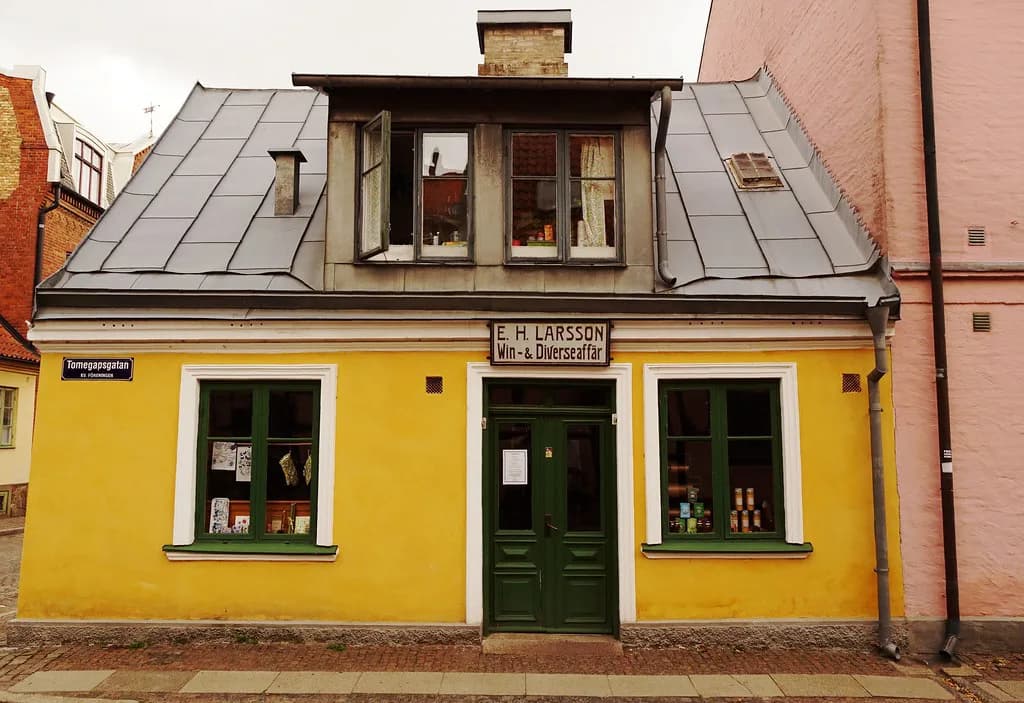
On the street you will register layers rather than a single style: a medieval core around the cathedral, later civic and academic buildings, and modern additions filling the gaps. Because the centre is small, these sit close together and the transitions happen within a few minutes of walking. Reading the city by period is a more honest way in than trying to label each facade.
The Architecture Master's programme frames its work around contemporary challenges such as environmental change, housing shortages and urban segregation. That is programme description rather than a claim about the city itself, but it is a useful lens when you look at newer buildings: ask what problem the building is answering rather than which style it belongs to. That approach suits a short visit, because it gives you something to think about without needing a guidebook.
A half-day architectural walk
Give this route about two and a half to three hours including stops. Begin near the station and walk into the centre, letting the streets narrow towards the cathedral quarter; spend the longest stretch here, circling the building outside before going in. Continue through the lanes around the university buildings, then loop back through the shopping streets so you end where everyday Lund is busiest.
Two practical notes make the loop work: walk it in one direction so you do not retrace steps, and keep the cathedral for the middle of the route rather than the end, when you are ready for a pause. If shopping is part of the plan, save it for the return leg so the architecture comes first. Our shopping in Lund guide covers that stretch separately.
Fitting architecture into a one-day visit
On a single day, aim for one architectural walk in the morning and leave the afternoon for the rest of the city. The centre is compact enough that the walk doubles as orientation, so you are not spending time you could use elsewhere. Build in a fika stop at the midpoint; the café culture here is part of how the city works, and our fika in Lund guide covers where to pause.
If you are still deciding how many days Lund deserves, the honest answer is that one full day covers the centre comfortably and a second day lets you slow down. Architecture alone does not need more than a morning. Is Lund Worth Visiting? What Lund Does Well and Who It Suits sets out the trade-offs for different kinds of traveller.
Trade-offs of a short architectural walk
A half-day loop gives you the shape of the city but not the interior of every building, and it will not take you into the quieter residential streets. That is a fair exchange on a short break: you leave with a sense of how Lund fits together rather than a complete inventory. If architecture is the main reason for your trip, give it a full day and walk the centre twice, once for orientation and once for detail.
There is also a timing trade-off: a rushed circuit in poor weather is worse than a shorter one with shelter stops built in. Pick two or three anchors, such as the cathedral quarter and the university streets, and accept that the rest is for another visit. For going inside individual buildings and for any seasonal changes, confirm current arrangements before you travel.
Should architecture be your first morning in Lund?
Yes, if you are in the city for a day or two: an architectural loop in the morning doubles as orientation and makes everything afterwards easier to place. Start at the cathedral quarter, walk through the university streets, and finish in the shopping lanes. Keep the walk to two or three hours and let the rest of the day happen around it.
Explore more Lund guides
Frequently Asked Questions
Is Lund a prestigious university?
Lund University is a large, well-established institution, and its School of Architecture at LTH teaches both a Swedish-language five-year programme and English-taught Master's programmes. That academic presence is part of why the city centre feels the way it does. The university's own pages are the place to check current programme details.
Is Lund's architecture brutalist?
Style labels get applied unevenly, and the buildings in Lund's centre are better read by period and by what each one is for than by squeezing them into a single category. Look at newer additions with the question of what problem they answer rather than which style they belong to.
How long does an architectural walk in Lund take?
Two to three hours covers the compact centre at an easy pace, including a stop at the cathedral quarter and a pass through the university streets. A half day gives you room for a fika break and a slower look. If architecture is your main interest, a full day lets you walk the centre twice.
Do I need to book anything to see Lund's architecture?
The centre is a working city rather than a ticketed site, so walking the streets and squares needs no booking. For going inside individual buildings, check arrangements before you travel, since access and opening vary by building.
Sources
Notes for your next Swedish city break
Optional updates to our Sweden guides.
You might also like
Continue reading
More guides you'll find useful