Lund Old Town: What to See and How to Walk It
Lund old town is a compact medieval centre you can walk in a few hours. See the cathedral, the Drotten ruins, the botanical garden and Kulturen.
On this page
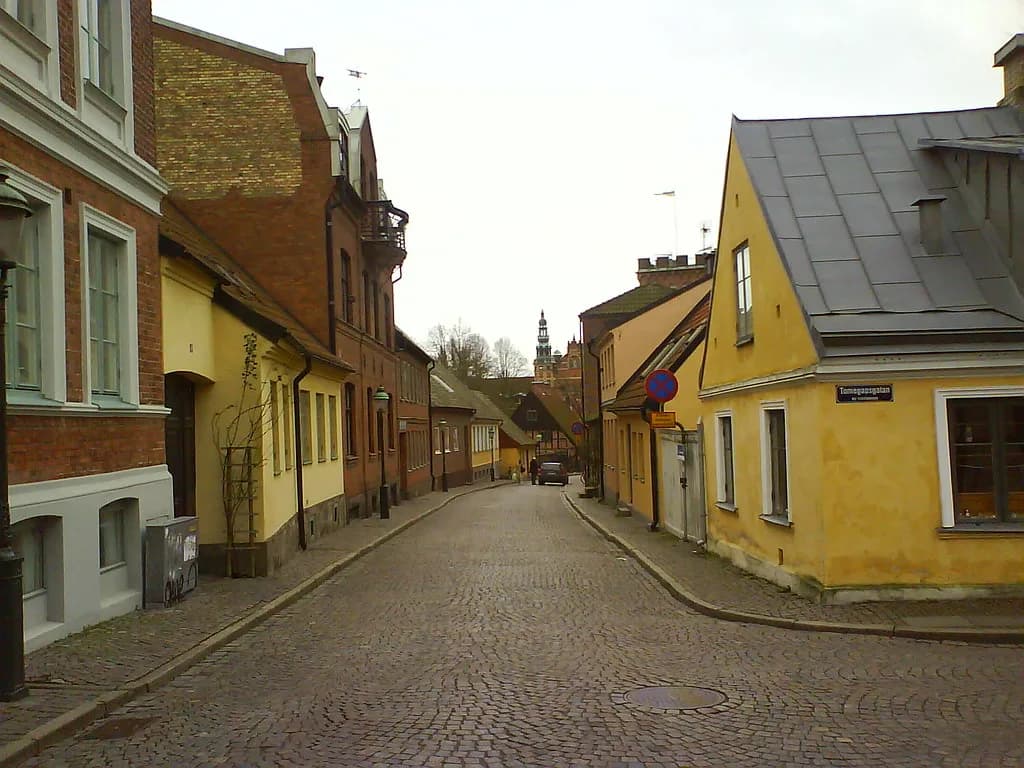
Lund old town needs half a day on foot, or a full day if you add the museums and the botanical garden. The medieval core is compact and centred on the cathedral, so you can see the main streets, the surviving churches and the old moat without any transport at all; this guide covers the layout, a walking order and where the free stops end and the ticketed ones begin.
Lund is one of Scandinavia's oldest cities, and it grew as a Danish religious centre before passing to Sweden in 1658. That history explains the shape of the centre: a cathedral that was once the archbishopric of all Scandinavia, a university founded in the 17th century, and a street plan that still fits inside the line of the old moat.
How the centre is laid out
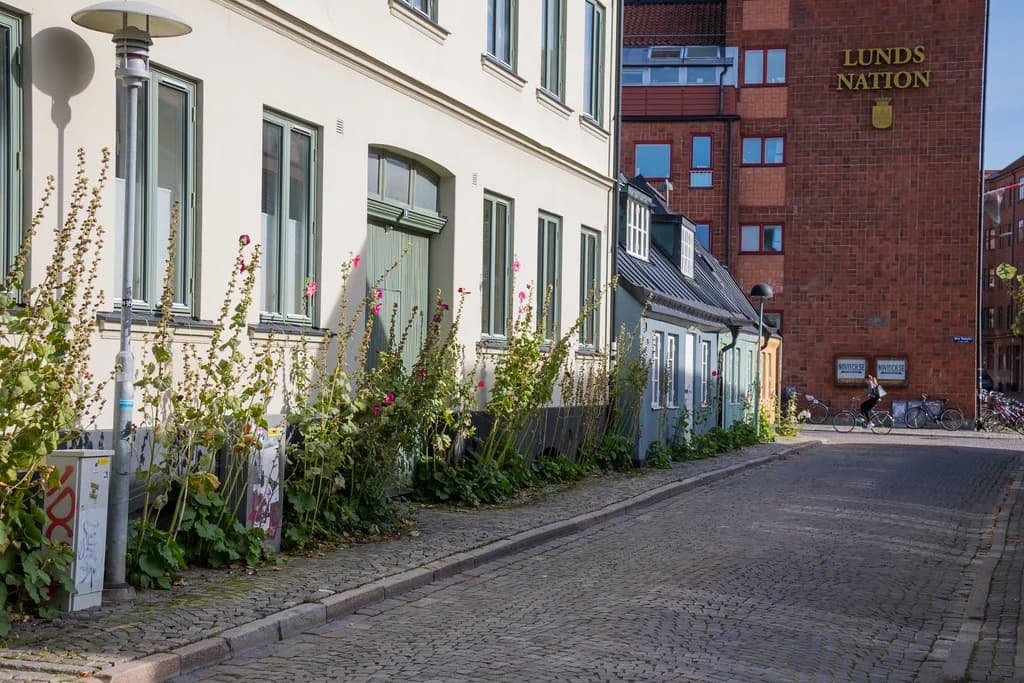
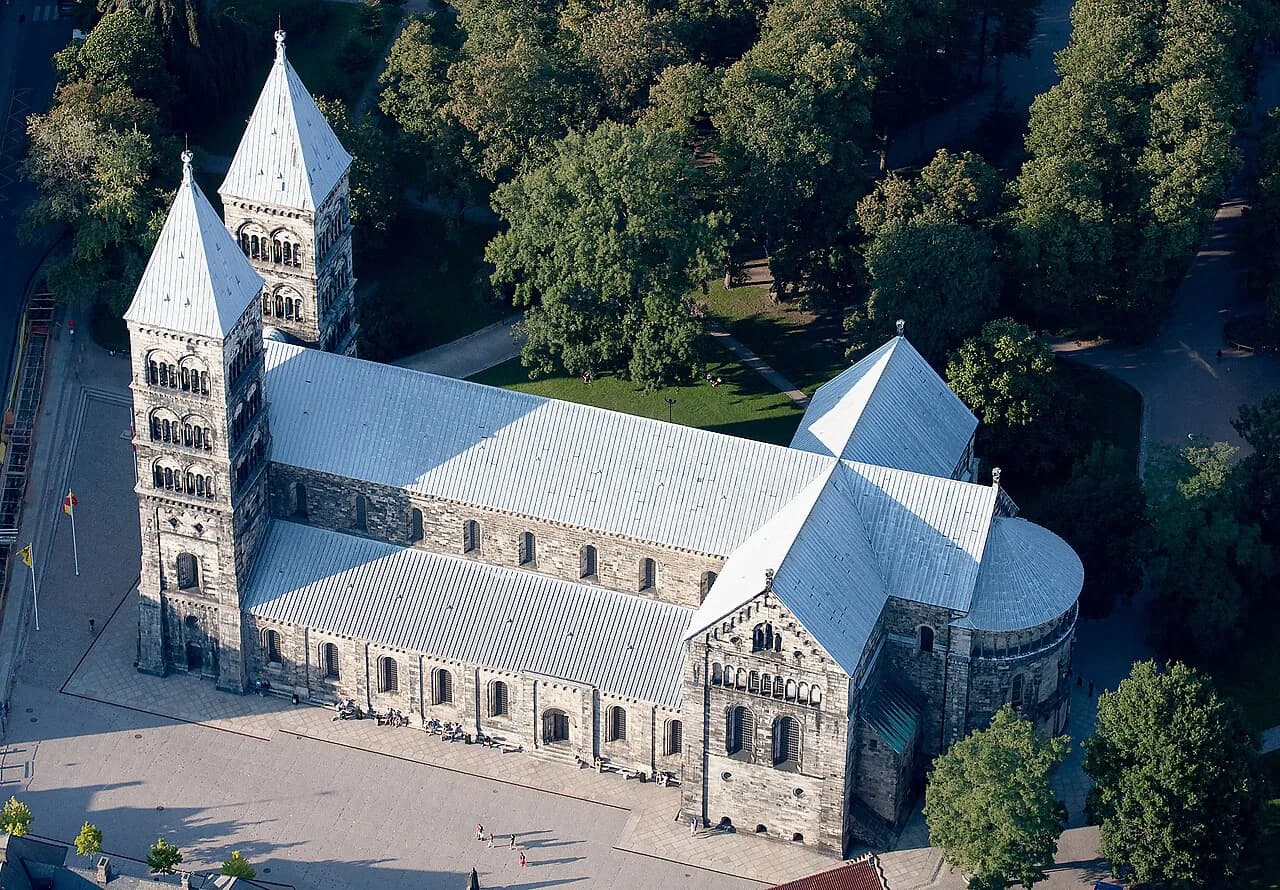
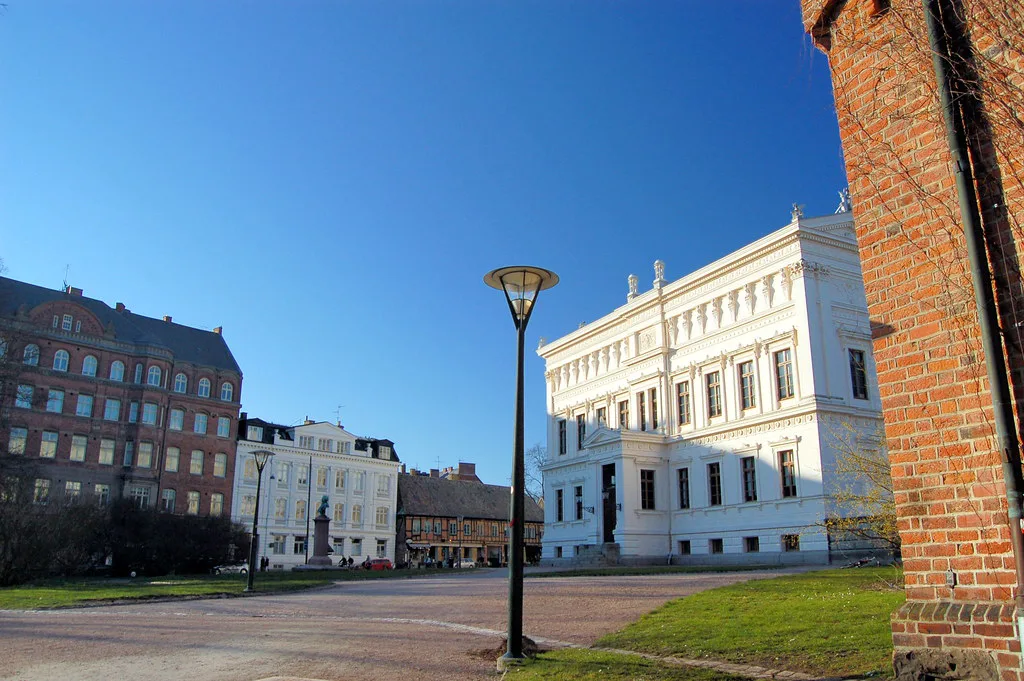
Lund Cathedral sits at the heart of the old town, and almost everything else worth seeing sits within a short walk of it. St Peter's Monastery Church lies to the west, the university buildings and the main shopping streets fill the blocks around the cathedral, and the old moat marks the edge of the historic core.
Treat the cathedral as your fixed anchor and plan a loop rather than a list. Walk west to St Peter's, work back through the centre for the Drotten ruins and the university museum, then finish at Kulturen and the botanical garden before following the old moat round. That order keeps you moving in one direction instead of criss-crossing the same streets.
The city has around 88,000 residents today, but the historic centre feels far smaller than that, largely because the university and its gardens take up so much of it. Archaeology places Lund's founding around 990, when Skåne was part of the Danish kingdom.
Lund Cathedral: the Romanesque heart of the city
Lund Cathedral was begun in the 12th century and completed in 1145, built in Romanesque style after a major donation financed the work. It became the seat of an archbishopric in 1103, originally covering all of Scandinavia, which is why the building is on the scale it is.
Two details justify more than a quick look inside. A visitor account describes the crypt as essentially untouched since 1123, and the 14th-century astronomical clock, the Horologium Mirabile Lundense, is said to put on a small procession of wooden figures twice a day. No published timetable for the procession appears in the visitor material, so time your visit around the cathedral's own notices rather than guessing.
Entry to the cathedral is not a ticketed attraction in the way the museums are, so it works well as the free opening stop of a morning. Give it 30 to 45 minutes if you want the crypt and the clock as well as the nave.
Why so few medieval churches survive
The Reformation explains the gaps in Lund's street scene. In 1536 Christian III abolished the archbishopric and ordered almost every church in the city demolished, sparing only the cathedral and St Peter's Monastery Church to the west.
That is why the Drotten church ruins matter more than their size suggests. Drotten was the second-largest medieval church in Lund, probably built around 1050, and was demolished in the same Reformation clear-out; a visitor account notes that excavations in 1984 uncovered the remains and the underground museum opened three years later.
The ruins sit beneath a street in the centre and, according to a visitor account, make a short, free stop that adds context to the cathedral rather than competing with it. If you only have time for one religious site beyond the cathedral, choose this over a detour to the edge of town.
Kulturen and the university museum
Kulturen is the open-air museum in the middle of Lund, and along with Skansen in Stockholm it was one of the first of its kind in the world. What sets it apart is the location: instead of a park on the city fringe, it occupies a block in the centre, so you can drop in without losing the rest of your walk.
The Lund University Historical Museum is the other heavyweight, founded in 1805 and holding archaeological collections from across Skåne. It suits anyone who wants the deep history of the region rather than reconstructed buildings, and it pairs naturally with Kulturen on the same afternoon.
Ticket prices for both change and are not settled in the visitor material, so check the current SEK price at the door or on each museum's own site before you commit to a combined ticket.
The botanical garden as a walking stop
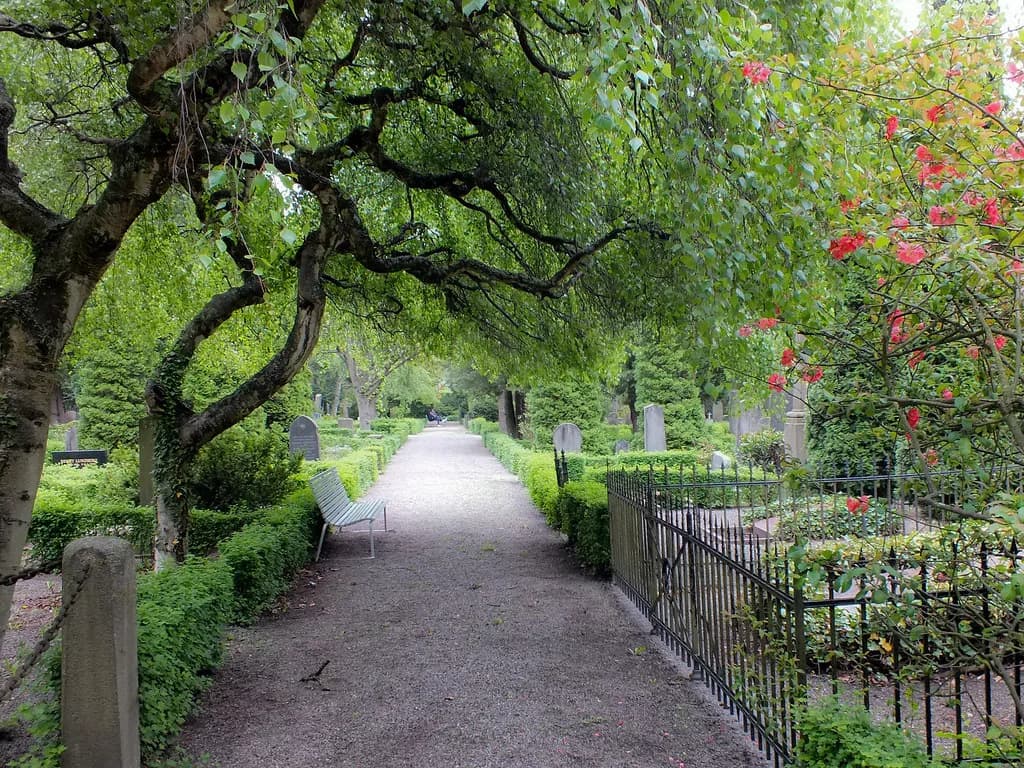
The Botanical Garden was established as a university institution in the 1860s and has been a fixture of Lund life ever since. It holds thousands of plant species, with a collection in the greenhouses as well as the outdoor beds, and entry to the grounds makes a natural breather between the museums and the moat.
Greenhouse access is the variable to plan around. A February visit described the greenhouses as closed while the outdoor garden stayed open, so if the glasshouses are the reason you are going, check the garden's own opening information for your dates rather than assuming they will be open.
A walking route through the old town
Start at Lund Cathedral, see the crypt and the clock, then walk west to St Peter's Monastery Church, one of only two churches to survive the 1536 demolitions. Head back into the centre for the Drotten ruins and the university historical museum, then take in Kulturen before finishing at the botanical garden and the line of the old moat.
The whole loop is walkable in a few hours, and the flat, compact centre means no leg of it needs transport. Save the moat for last: it gives you a green edge to the day and a clear sense of where the medieval city stopped.
If you want the route mapped stop by stop, the Lund walking tour follows the same landmarks in the same order. It is designed for a half-day rather than a full one.
Lund is a natural add-on to a Malmö or Copenhagen trip, but it deserves its own half-day rather than an hour snatched between trains. If you are weighing it against bigger Swedish cities, see whether Lund is worth visiting for a city break.
How long to allow
Half a day covers the cathedral, the Drotten ruins, a walk along the main streets and the old moat. A full day adds Kulturen, the university historical museum and the botanical garden without rushing any of them, which is the better choice if you have come specifically for the history.
Build in slack for the cathedral if the clock procession is a priority, since it runs twice daily and the timing is not published in advance. Otherwise the old town is easy to pace: the distances are short, and the free stops let you break up the ticketed ones.
When to go and what it costs
The greener months give you the gardens at their best and the longest days for walking, while quieter times suit the cathedral, the ruins and the museums without crowds. The trade-off is greenhouse and garden access, which varies by season rather than following the city's opening pattern.
Sweden is largely cashless, so plan on cards or mobile payment for museum tickets and café stops rather than carrying kronor. Confirm the current ticket price in SEK at each museum before you go, because prices change and old figures linger online.
For a wider list of what to see beyond the old core, the things to do in Lund guide covers the city as a whole rather than just the medieval centre.
Is half a day in Lund old town enough?
Half a day is enough to see the cathedral properly, take in the Drotten ruins and walk the old moat, which is the right call if Lund is one stop on a longer Swedish trip. Give it a full day only if Kulturen and the university museum are the reason you came.
Either way, start at the cathedral, keep the museums for the middle of the day and finish at the botanical garden or the moat. That order avoids doubling back and leaves the free stops for when your legs need a break.
Explore more Lund guides
Sources
Notes for your next Swedish city break
Optional updates to our Sweden guides.
You might also like
Continue reading
More guides you'll find useful