Is Lund Worth Visiting? A Candid Guide for a City Break
Lund is worth visiting for its cathedral, medieval streets and university feel, all walkable in a day. Here is who loves it and who should pick Malmö instead.
On this page
Yes, Lund is worth visiting, but treat it as a one-day city rather than a mini-break in its own right. The cathedral, Kulturen, the Historical Museum and the university quarter all sit within a few minutes of each other. This guide covers what Lund does well, who it suits, how long it needs and how to choose between Lund and Malmö for a single day.
The trade-off is straightforward: Lund offers depth in history and museums rather than size, waterfront drama or big-city shopping. Museum-goers can fill a full day, while a half day is enough for anyone here mainly for the atmosphere.
Is Lund worth visiting? The short answer
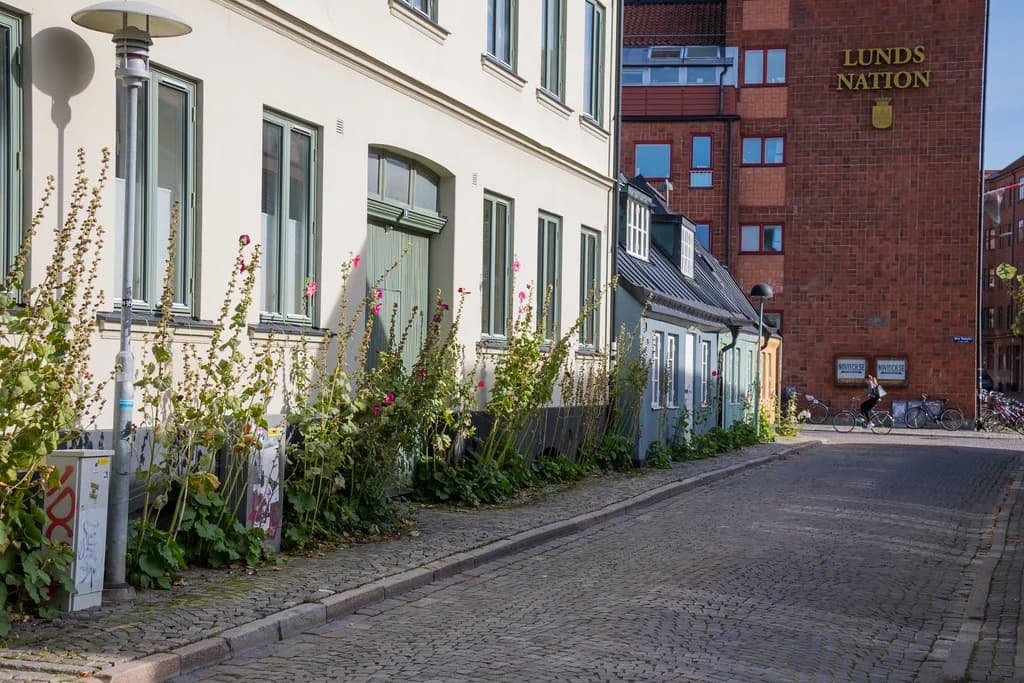
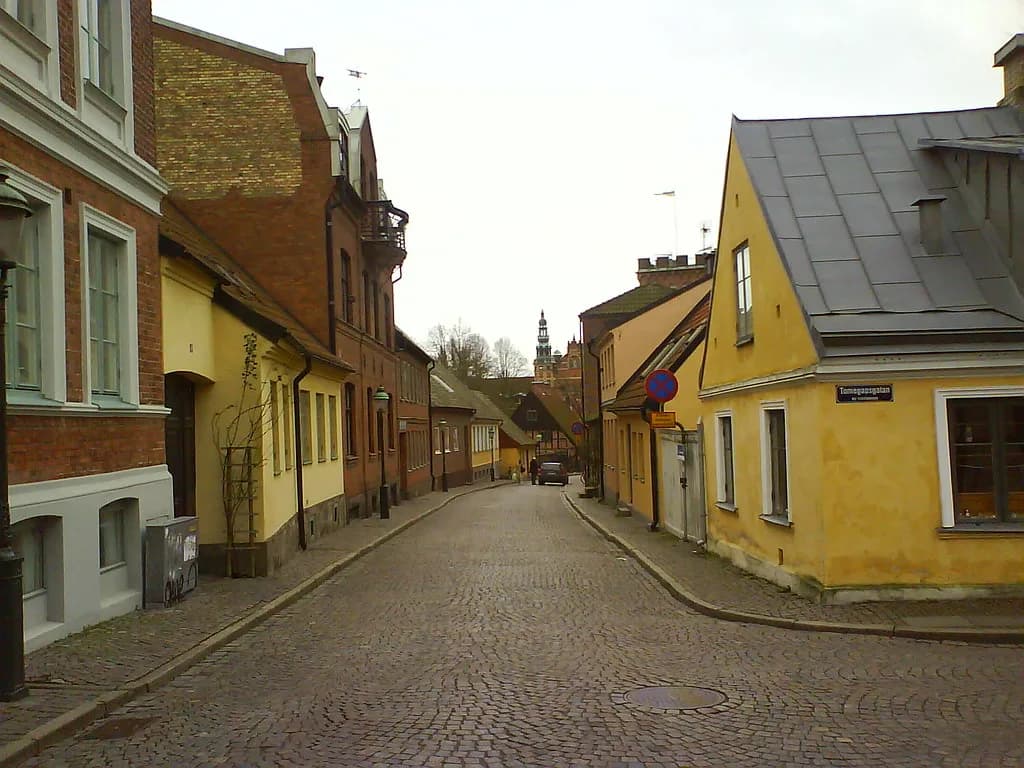
Lund rewards travellers who like medieval street patterns, Romanesque churches and university towns. The city was founded around 990 by the Danish king Sweyn Forkbeard, and the inner-city streets still largely follow that medieval layout, which is why a walk here feels different from a modern Scandinavian city.
It is not a place for beaches, ferries or waterfront promenades, and anyone wanting a big-city break should look elsewhere in Skåne. Come for the cathedral, the museums and the student atmosphere.
What Lund is famous for: cathedral, university and 1,000 years of Danish-Swedish history
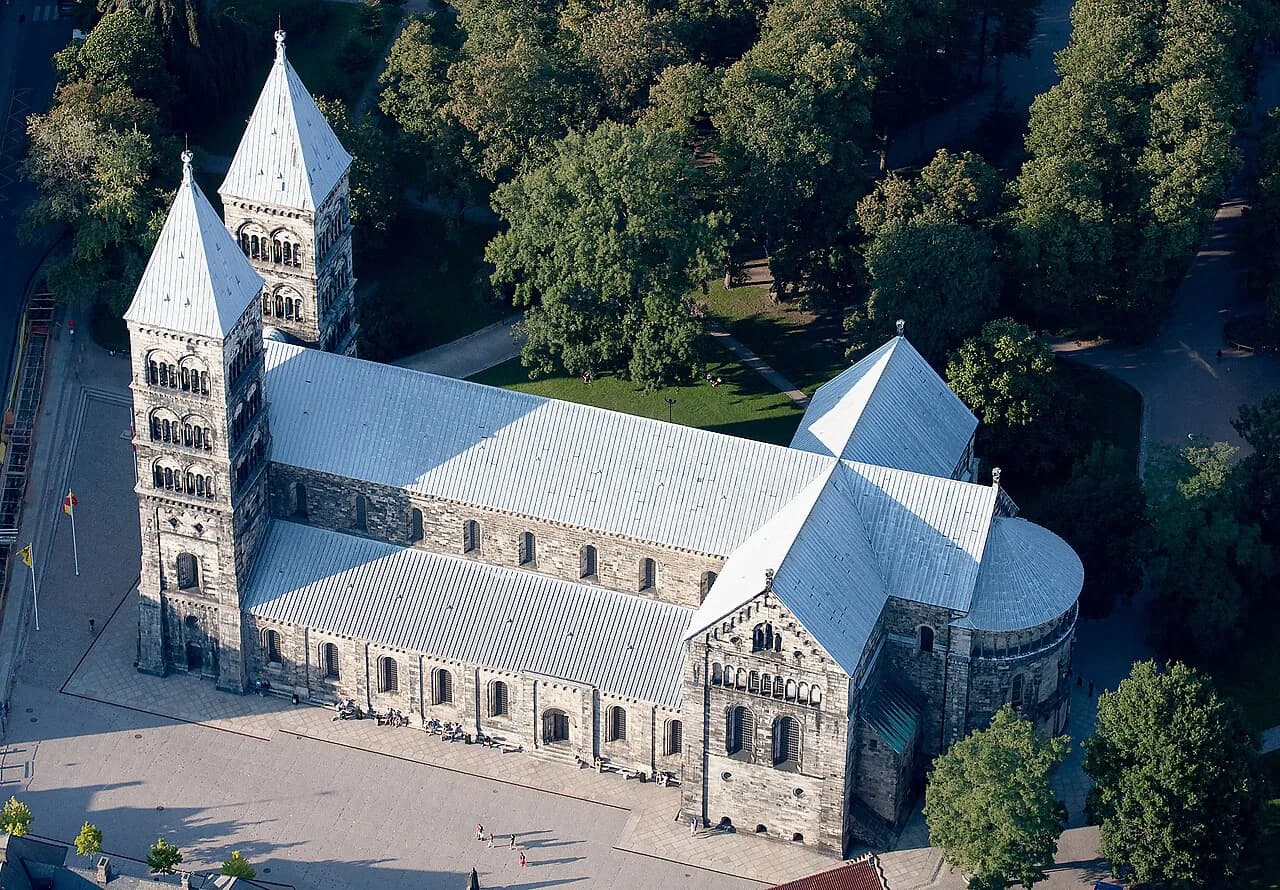
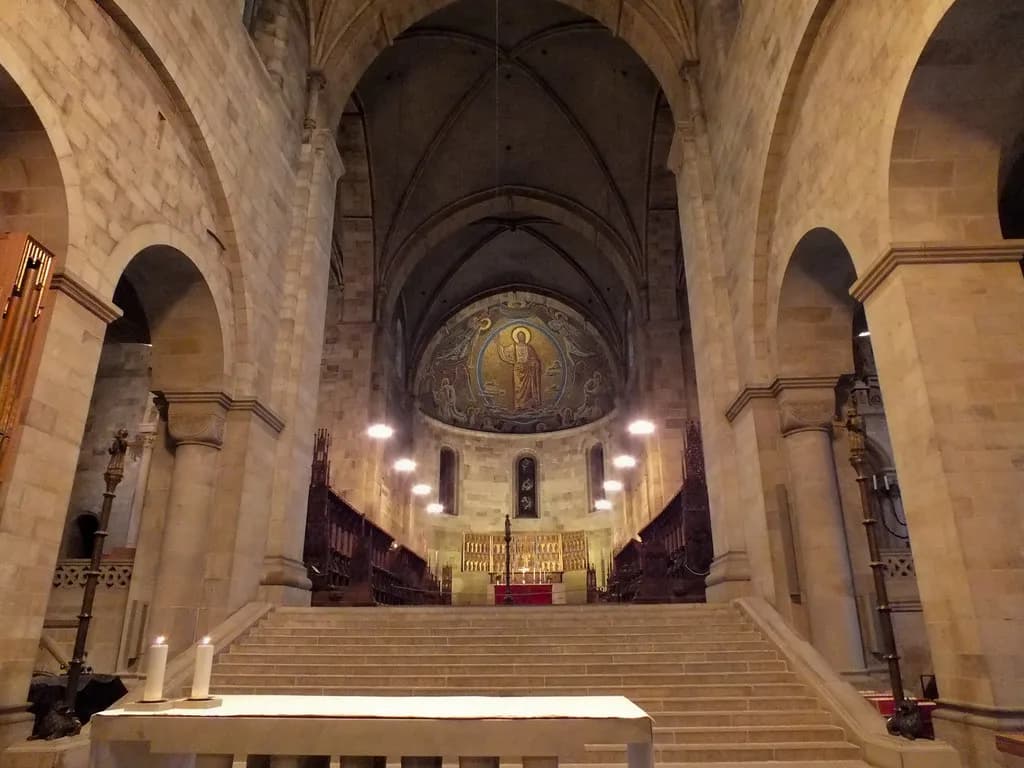
Lund Cathedral is the anchor of any visit. Its oldest parts date from 1085 and the building was completed in 1145 in Romanesque style; inside, the astronomical clock dates from the 1440s and Finn the Giant sits in the crypt. Find it at Kyrkogatan 6.
Lund became an archbishopric in 1103 and, during the 12th century, was Denmark's largest and most important city with an estimated 3,000 to 4,000 inhabitants. The Reformation abolished the archbishopric in 1536 and almost all the city's churches were demolished except the Cathedral and St Peter's Monastery Church, which is why the surviving medieval fabric is concentrated.
Skåne passed to Sweden in 1658 and teaching at the university began in 1668. That Danish-Swedish layering is what gives Lund its character, and it is why a short history read before you arrive pays off.
How compact Lund is on foot: the sixteen-stop city walk from the cathedral to the City Park
Visit Lund publishes a sixteen-stop walking route that doubles as a map of the compact centre. It runs from Lund Cathedral and the Cathedral Forum to the Historical Museum at Kraftstorg 1, the University Site at Sandgatan 2, Hökeriet, the Museum of Life, the University Library, Skissernas Museum, the Botanical Garden and Kulturen, then on through Lunds konsthall, Saluhallen, the Nöden district, the City Park, Drottens kyrkoruin, Apoteket Svanen and the Tegnér museum.
You can cross most of that list on foot in a single day without transport, which is the real argument for visiting. A self-guided version of the same ground is sketched in our Lund walking tour, keeping the cathedral and the old streets at its centre.
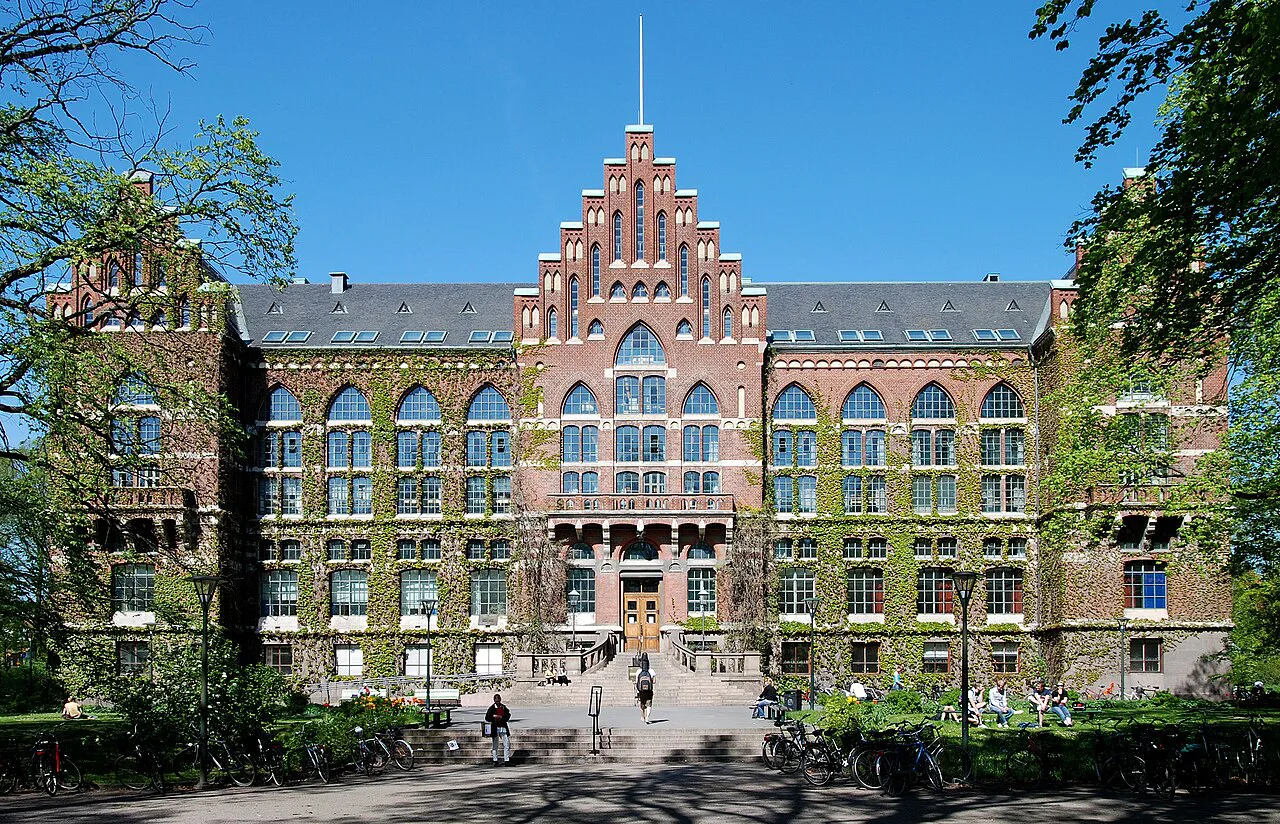
The big sights in a day: Lund Cathedral, Kulturen, the Historical Museum and the Botanical Gardens
Lund Cathedral is Sweden's most visited church, so go early if you want the nave and crypt to yourself.
Kulturen at Tegnérsplatsen 6 occupies two central blocks of historic buildings covering urban and rural life from the Middle Ages to the 1930s, plus around twenty exhibitions; it was one of the world's first open-air museums, alongside Skansen in Stockholm. The Historical Museum at Kraftstorg 1 is Sweden's second-largest archaeological museum, with finds from the Iron Age settlement at Uppåkra.
The Botanical Garden at Östra Vallgatan 20 holds around 7,000 plant species, but its greenhouses are being renovated and Visit Lund expects them to reopen to visitors in May 2027. Plan the garden as an outdoor stop if you travel before then.
Ticketing and opening days vary by museum and season. Treat paid museums as optional add-ons to a day built around the cathedral and the streets.
University town atmosphere: Lundagård, the 1882 university building and the library
The university is woven into the centre rather than fenced off from it. The University Site quadrangle, designed by Helgo Zettervall, links the main university building with the Academic Society opposite, with Lundagårdshuset on its south side and Palaestra et Odeum on its north, all at Sandgatan 2.
The main university building was added in 1882 in a classical style inspired by the Berlin architect Karl Friedrich Schinkel, and the neo-Gothic University Library at Helgonavägen 2 opened to the public in 1907 with more than 100 km of shelving.
Skissernas Museum, the Museum of Artistic Process and Public Art at Finngatan 2, holds the university's collection of sketches and models for public art. Student traffic keeps the cafés busy, which is reason enough to build a fika break into the middle of the day.
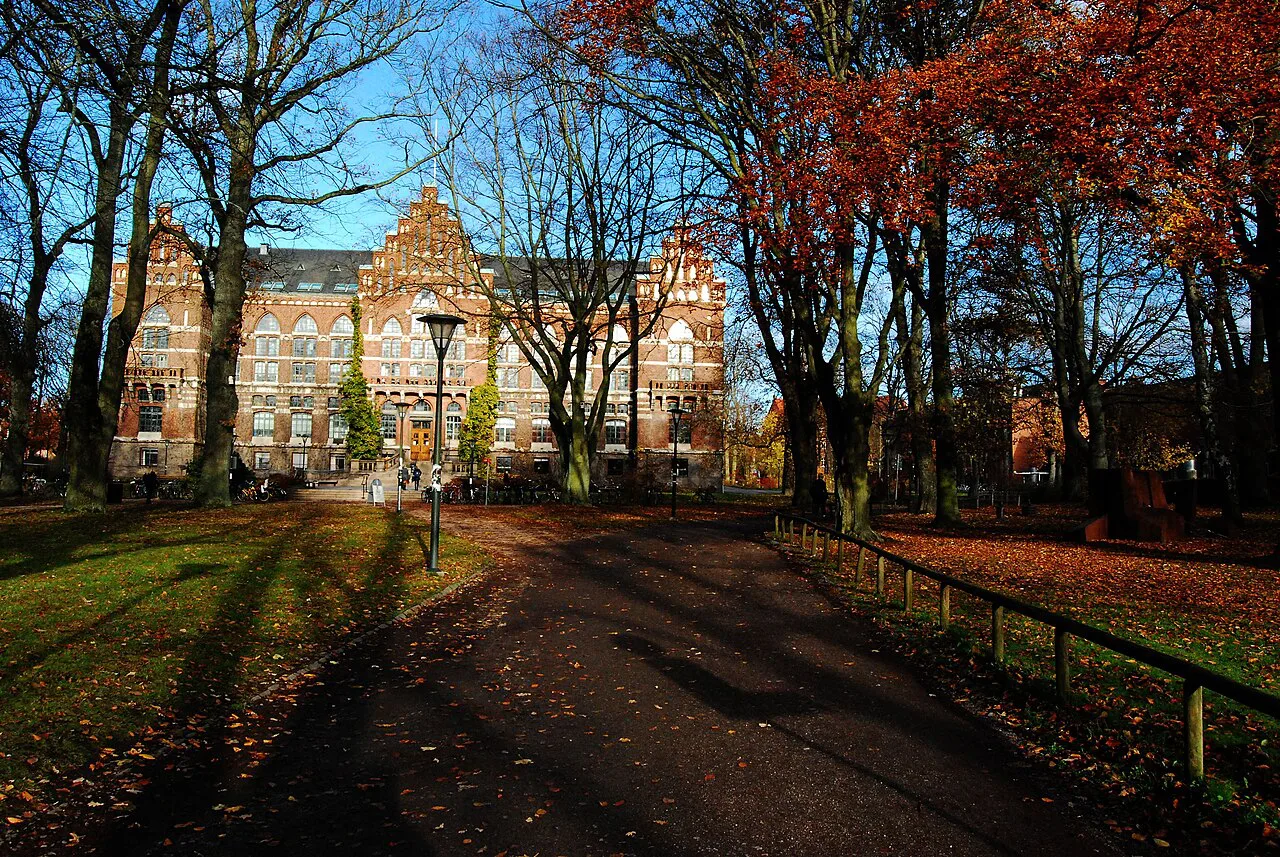
What is free or low-cost: strolling the medieval street pattern
The cheapest way to spend a day in Lund is to walk the medieval core and look. The street pattern from the Danish period survives, Drottens kyrkoruin preserves the ruins of the city's second-largest medieval church from 1050, and Apoteket Svanen on Kyrkogatan has stood on the same site since the mid-17th century.
Treat museums as the variable cost. Entry charges and opening days are published by each venue, so budget by picking two paid sights rather than trying to see everything.
Who will love Lund and who may not
Lund suits travellers who enjoy cathedral towns, university quarters, archaeological collections and open-air museums, and who are happy to spend a day largely on foot. It also works well for anyone combining Skåne with Copenhagen or Malmö, since the compact centre makes a short stop productive.
It suits less well anyone who wants a waterfront, a big-city buzz or a full evening out, and travellers who have seen many northern European cathedral towns may find the centre familiar. If your ideal city break is scale and variety, visit Lund as an afternoon instead.
How many days Lund needs: a half day, a full day, or a base for Skåne
A half day covers the cathedral, the old streets and one museum comfortably. A full day lets you add Kulturen, the Historical Museum and the Botanical Garden, plus a proper lunch at Saluhallen on Mårtenstorget, which has been the city's market hall since 1909.
Two days in Lund is generous unless you use it as a base for the wider region. The city is compact enough that a second day is about depth, not coverage.
Is Lund expensive?
Lund's costs depend on how many museums you enter, not on getting around: the centre is walkable, so there are no city transport fares to budget. The free pleasures, the cathedral, the medieval streets and the parks, keep the floor low.
Ticket prices change, so check the cathedral's own visitor information and each museum's page for current prices in Swedish kronor before deciding how many paid sights to include.
Lund or Malmö: which to pick if you only have one day
Pick Lund for medieval streets, a Romanesque cathedral and museums in a small, walkable centre. Pick Malmö if you want a larger city with a waterfront and more variety across a full day. The two are close enough by train that travellers staying in either city can visit the other.
With one day and no clear preference, ask what you want from it: focused history and atmosphere point to Lund, scale and a bigger city feel point to Malmö. Trying to do a morning in Lund and a full day in Malmö shortchanges both.
Lund practicalities: cashless Sweden and seasonal opening hours
Attractions here keep their own calendars, and some, including the Botanical Garden greenhouses, close for works, so check the specific venue before you travel. Otherwise the practicalities are simple: a walkable centre and a card in your pocket.
The city also runs a busy events programme, with the Heja Lund! initiative supporting events in future years, including Open Art Lund in February and March and the European Pinball Championship in May; check the city's event calendar for what falls in your dates.
If you want a guided introduction, Visit Lund lists recommended local guides who work in English, Swedish and other languages and can tailor a walk to a group's interests.
Should you put Lund on your itinerary?
Yes, for one day, if you want a compact city of cathedral, museums and university atmosphere. If you want a big-city break with a waterfront, give your day to Malmö and keep Lund for a half-day stop or a later trip.
To plan the detail, work through the individual sights in our things to do in Lund guide and build your day around the cathedral, one museum and a slow walk through the old town.
Explore more Lund guides
Frequently Asked Questions
Do you need a car in Lund?
No. The sights on Visit Lund's sixteen-stop walking route are all in the centre, so a car is a hindrance rather than a help for a short visit.
Sources
Notes for your next Swedish city break
Optional updates to our Sweden guides.
You might also like
Continue reading
More guides you'll find useful