
Gamlestaden, Gothenburg: What to Expect from This District

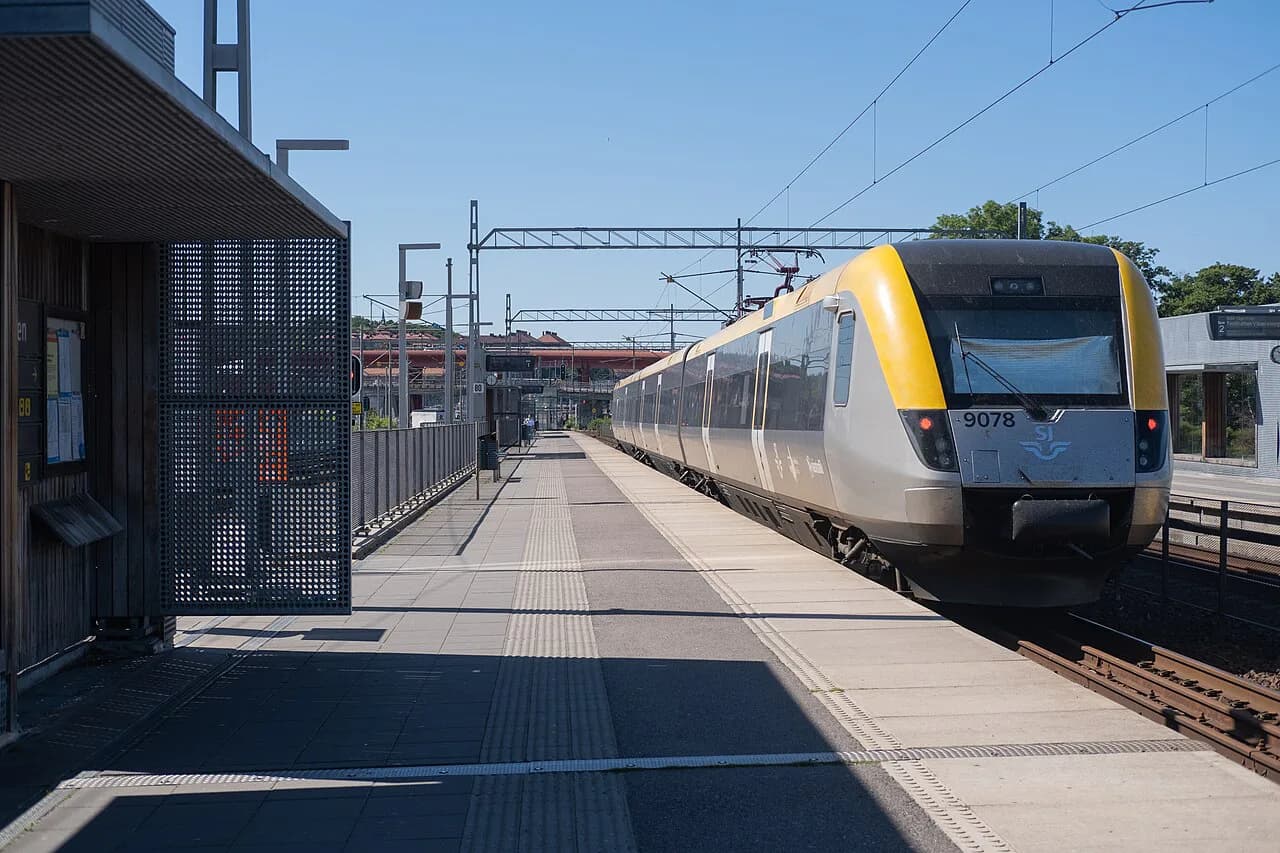
Gamlestaden is a developing residential district about 15 minutes from central Gothenburg by tram, and a few minutes from Göteborg Centralstation by train. It is a place to base yourself rather than a sightseeing quarter, so treat it as somewhere to sleep and commute from, not as an afternoon's itinerary. This guide covers where the district sits, how to reach it, who it suits and what is actually mapped within it.
What Gamlestaden is and where it sits in Gothenburg
Gamlestaden is a stadsdel, or district, on the north-eastern side of Göteborg, tagged in local housing data as affordable, developing and modern. Its housing stock is newer than the historic quarters nearer the centre, and the neighbourhood is described as up-and-coming with amenities still improving. That combination of newbuild flats and an evolving street scene is the district's defining feature.
For visitors, the useful way to picture it is as a residential counterpart to the central districts. The historic weight of the city sits elsewhere, around Inom Vallgraven and the canals, while Gamlestaden is where people live and commute from. A comparison with the central areas makes the difference obvious before you book.
Its second-hand one-bedroom rents run about kr11,200 to kr12,800 a month, while first-hand contracts sit lower at kr8,800 to kr10,200. Those figures describe what residents pay, not what a short-stay visitor pays, so do not read them as holiday accommodation prices. They are useful mainly as a signal that this is a more affordable district than the city median, sitting roughly 11% below it in January 2026 data.

Getting to Gamlestaden from the city centre
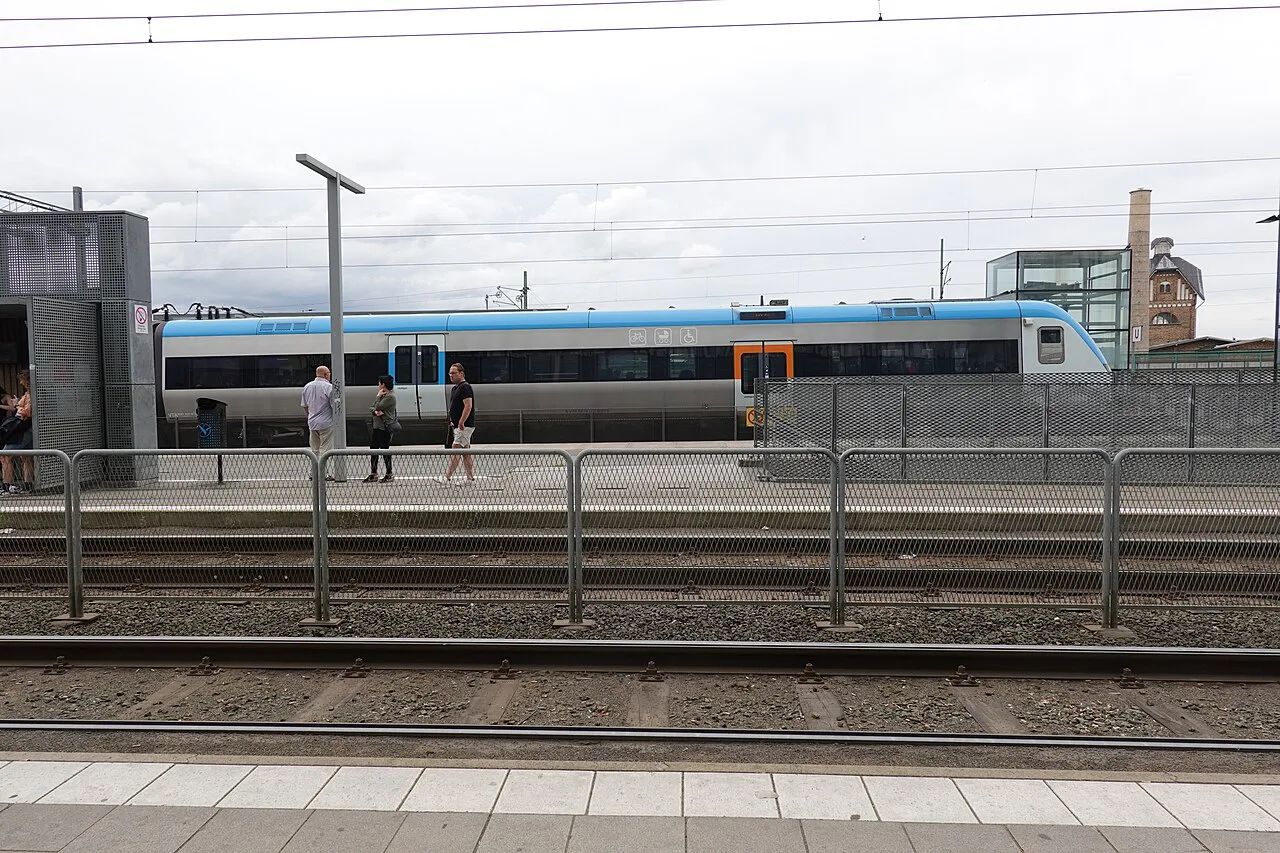
Västtrafik runs a train from Göteborg Centralstation to Gamlestaden station roughly every 20 minutes, with a journey of about 4 minutes. That makes the district one of the quickest hops out of the centre on the rail network, and it puts the whole central sightseeing area within easy reach for a day out. The tram alternative takes around 15 minutes, which is the figure to plan around if you are staying here and travelling in each morning.
The practical point is that the train is fast enough to make Gamlestaden feel close to the centre, while the tram is the slower but still workable option. If you are weighing up bases, the train is the quickest option described in the available evidence for a district outside the centre. Pair it with the wider picture in the Gothenburg Neighborhoods: 8 Area Guides overview before you commit to a booking.

The character of the area and who it suits
Gamlestaden suits travellers who want newer, quieter housing and a genuine residential atmosphere within a short commute of the centre. It works well for a city break where the district is a base and the days are spent elsewhere in Gothenburg, and for anyone who prefers modern buildings to historic streets. The mapped amenities within about 700 metres include cafés, restaurants, a supermarket, a pharmacy and a school, which makes everyday logistics straightforward.
The district also sits comfortably alongside its neighbours for a change of scene. Haga, with its historic streets and cafés, and Linnéstaden, with its student and café culture, are both about 10 minutes from the centre and give you a very different Gothenburg to explore. Majorna, artsy and relaxed, is roughly a 15-minute tram ride from the centre and adds another option for an afternoon out.
Who Gamlestaden does not suit
If your idea of a Gothenburg break is stepping out of the door onto cobbled streets, canals and the city's main sights, Gamlestaden will frustrate you. The central sights are a tram or train ride away rather than on your doorstep, and the district itself has no mapped sightseeing attractions of the kind that fill a guidebook. Travellers on a short one- or two-day trip who want to walk everywhere should base themselves centrally instead.
It is also a poor match for anyone who wants an established food and drink scene on the doorstep. The mapped cafés and restaurants form a general cluster near the reference point, but no individual venue is named, so you cannot plan an evening around a specific place in advance. If eating out is central to your trip, a district like Avenyn, with its central shopping and dining streets, is the better fit.
What is in the district: station, square and local shops
The concrete anchors in Gamlestaden are few but useful. Maps mark Gamlestaden as the nearest rail stop, Sten Johanssons Plats as nearby green space, and Coop Gamlestaden as the closest supermarket to the district's reference point. A pharmacy and a school are within walking distance, and many cafés and restaurants are mapped within about 700 metres, according to OpenStreetMap-derived data.
No visitor opening hours or ticket details are published for these places in the available mapping, so plan around them loosely rather than building a schedule on them. The supermarket is the practical one to know about for self-catering, while Sten Johanssons Plats gives you a patch of green without leaving the district. Beyond that, the district's appeal rests on its housing and transport rather than on sights.
Eating and drinking in Gamlestaden
Cafés and restaurants are mapped in reasonable numbers within roughly 700 metres of the district centre, which suggests everyday eating is possible without leaving the area. No individual venue is named in the available mapping detail, so the honest advice is to arrive and look rather than book ahead. For a wider choice, the central districts and the food halls there serve the city's eating scene.
If you want a destination meal as part of your trip, plan it in the centre and take the train or tram back afterwards. The roughly 4-minute train from Göteborg Centralstation makes a late-ish return to Gamlestaden genuinely quick. Haga's café culture, about 10 minutes from the centre, is another option worth building into a day.
Staying in Gamlestaden: what the neighbourhood offers visitors
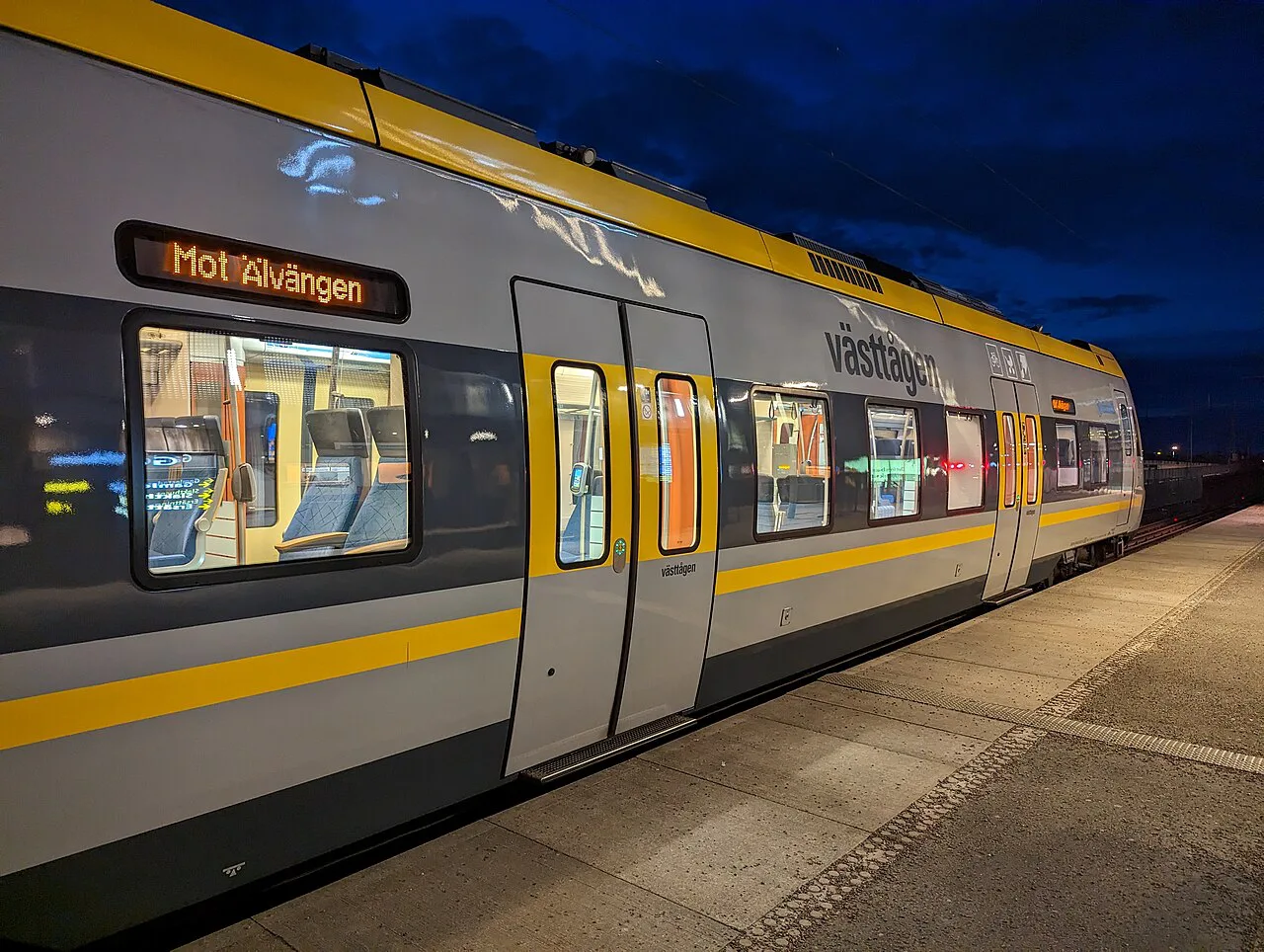
Visitors are not the district's main market, so expect a residential stay rather than a hotel strip. Its strength as a base is the transport: the Västtrafik train into the centre takes about 4 minutes, and the tram about 15. That makes it a workable choice if you want newer, quieter accommodation and do not mind commuting to the sights each day.
Compare it with districts that put you closer to the action. Nordstaden is the central shopping and transport district, and Haga gives you a historic neighbourhood within walking distance of the centre. Across the river, Lundby offers its own perspective on the city, while the Gothenburg Neighborhoods: 8 Area Guides overview shows how the districts differ. Gamlestaden's trade-off is clear: a short commute in exchange for a quieter, more modern setting.
Walking distances and nearby green space
Gamlestaden is compact enough to walk: the mapped amenities, including the station, supermarket, pharmacy, school and square, all sit within walking distance of the reference point. Sten Johanssons Plats gives you a green space inside the neighbourhood, and cafés and restaurants cluster within about 700 metres. That makes the district easy to navigate on foot for everyday needs.
For larger green spaces and the city's waterfront walks, you will need to travel. Slottsskogen, Majorna's parkland, is in the city's western districts rather than on Gamlestaden's doorstep. For a fuller picture of what the city offers, the Gothenburg Attractions guides cover the main parks and sights, and you can plan green-space time as part of a day out in the centre or west of the city rather than as something on your doorstep.
Practical points: paying and getting around
When you use the Västtrafik train or tram, buy a ticket rather than expecting to pay on board in cash; the journey from Göteborg Centralstation to Gamlestaden is short but ticketed. The specific fares for each journey should be checked with Västtrafik before you travel. Budget for transport as part of each day rather than assuming the district's lower rents translate into cheap travel.
One caveat on journey planning: the roughly 4-minute and roughly 15-minute figures are indicative, from a journey-planning comparison and a housing survey respectively, not a timetable. Confirm times and services for the day you travel. If you are weighing which district to stay in, the comparison pages for Gothenburg set out the alternatives side by side.
Should you base yourself in Gamlestaden?
Choose Gamlestaden if you want a quieter, modern base with a fast rail link into the centre and are happy to commute for the sights and restaurants. Skip it if your trip is short and you want to walk to the main attractions. Its main advantage is the roughly 4-minute train from Göteborg Centralstation, not anything within the district itself.