
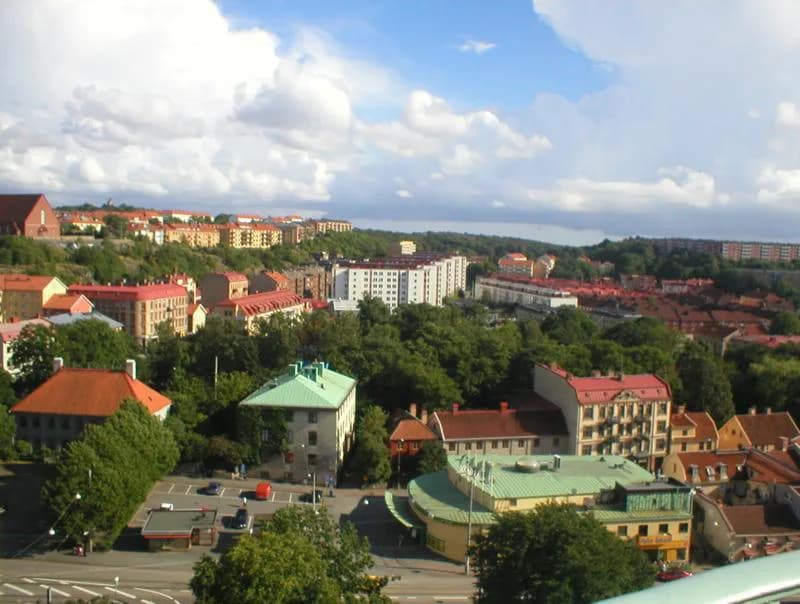
Majorna: Gothenburg's Landshövdingehus Quarter

Majorna is worth a half-day of a Gothenburg city break if you like old residential streets, independent shops and cafés more than ticketed attractions. It is a large district west of the centre, made distinctive by the low landshövdingehus buildings that line its streets and by a cultural scene centred on Stigbergstorget and Mariaplan. This guide breaks the area into its parts, names the shops and cafés you can build a route around, and explains how to get there.
Expect a lived-in neighbourhood rather than a sight-dense old town. The trade-off is real: there is no single must-see monument here, so the reward comes from walking the streets between Stigbergstorget, Mariaplan and the Göta älv waterfront and stopping often.
What Majorna is and where it sits in Gothenburg
Majorna is a residential area in Gothenburg and part of the Majorna-Linné borough, lying west of the city just outside the historic centre. It is geographically large, so treat it as several small districts rather than one square: Stigberget around Stigbergstorget, the historic Klippan area by the Göta älv river, and the streets running out towards Mariaplan and Majvallen.
That size matters when planning. A sensible route works west from Stigbergstorget along Älvsborgsgatan and the streets around Mariaplan, then drops to Klippan if you want the waterfront. If you are comparing west-side districts, Haga and Lundby are the other neighbourhood guides to read alongside this one, and Majorna's feel is distinct from both.
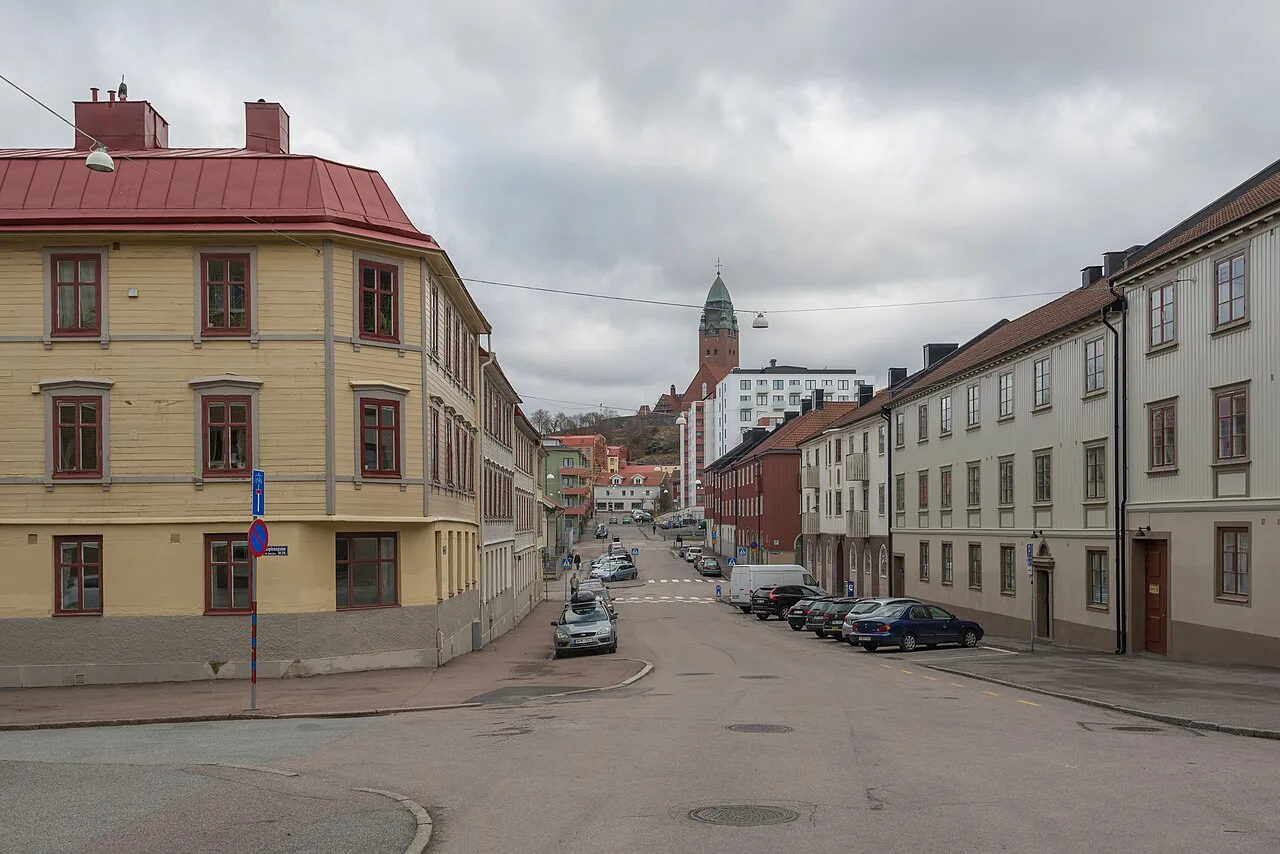

The landshövdingehus streets that give Majorna its character
The buildings that make Majorna look like Majorna are landshövdingehus, the typical Gothenburg house type that lines the streets here. Majorna holds the largest collection of preserved landshövdingehus, so the architecture is the sight: brick lower storeys under a wooden top floor, repeated street after street.
Walk rather than navigate. The pleasure is in the side streets off the main tram corridor, where the repetition of the house type becomes obvious, and the best approach is to pick a stretch and wander it rather than plot a checklist of individual buildings.
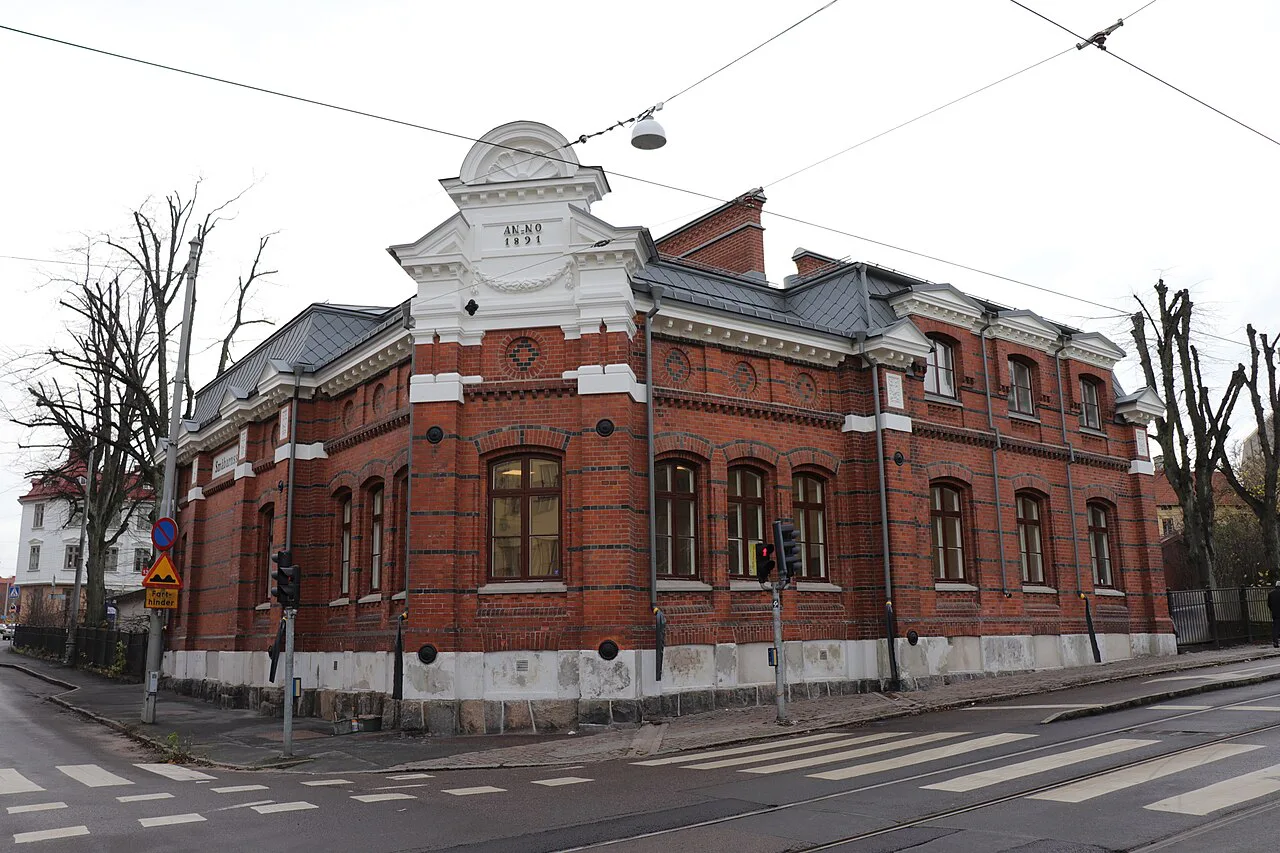

Stigbergstorget and Stigberget: squares, music venues and restaurants
Stigbergstorget is the square at the heart of Stigberget, and the area around it now works as a meeting place for people drawn to the city's food and music scene. It is the natural place to start a Majorna walk, with independent shops, outdoor space and historic surroundings packed close together.
Stigberget is the part of Majorna with the densest concentration of concert venues and restaurants, so it suits an afternoon that turns into an early evening. If you want a broader shortlist of city sights before you commit a day here, the Gothenburg attractions hub is the place to compare.
Klippan and the Göta älv waterfront
Klippan is the historic corner of Majorna down by the Göta älv, and it gives the district its waterfront dimension. It is the quietest end of a Majorna day, best reached on foot from Stigbergstorget rather than treated as a separate outing, and it works well as the closing stretch of a walk before you head back to the tram.
Do not expect a promenade of attractions here. The appeal is the change of scale, from tight residential streets to open water, and a slower pace than the shopping streets further east.
Independent shops and vintage between Stigbergstorget and Majvallen
The shop crawl runs between the tram stops Stigbergstorget and Majvallen, where several vintage shops sit in a row. Patinaverket focuses on retro furnishings and gadgets, while Lilla Patinaverket covers clothes and accessories. Porslinspojken sells Scandinavian porcelain, ceramics and glass, and Fabriken stocks selected vintage furniture and interior design from 1900 onwards.
Record buyers have two stops on the same stretch: Skivhallen Majorna carries rare and classic albums, and Avart Records on the other side of Älvsborgsgatan leans towards punk, metal and indie. On Kungsladugårdsgatan, Dukat bord sells glass, porcelain, interior design and cooking utensils.
All of these are small-scale operations with varying opening hours, so check each shop's own website or social media before you set out and keep your order flexible. That is the one practical risk of a Majorna shop day: a fixed plan can lose an hour to a closed door.
Around Mariaplan: thrift shops and the restaurant cluster
Around Mariaplan the mix shifts towards thrift and vintage, with Välkommen åter and Majornas saker från förr both offering large selections of chosen furnishings and furniture. Because stock turns over, these are shops worth revisiting on a second visit rather than rushing through.
The square also anchors the district's restaurant cluster, which keeps growing, and Robb on Mariagatan serves Neapolitan pizza and natural wines. Mariaplan is therefore the better finishing point for an evening: you can shop, then eat, without crossing the district again.
Fika in Majorna: bakeries and cafés worth planning around
Majorna has plenty of cafés for a traditional Swedish fika, and the bakery Cum Pane on Mariagatan is the anchor for bread: an organic artisan bakery with stone-oven sourdough and classic cinnamon rolls, selling to take away or eat in.
For a sit-down break, Matería on Mariagatan has a large, sunny outdoor terrace with specialty coffee, lighter fika and simple lunch dishes. Wærnet Majorna on Godhemsgatan pairs freshly baked bread and breakfast with a café-and-kitchen-showroom setting, and further down Älvsborgsgatan the café Me and the Goat shares premises with the urban commercial garden Växtverket.
Me and the Goat opens at weekends and serves a generous breakfast buffet, so it suits a Saturday or Sunday start rather than a weekday. Whichever you choose, go before the mid-afternoon lull and treat the café stop as the point of the walk, not a pause in it.
Where to eat: Neapolitan pizza, small plates and more around Mariaplan
Eating in Majorna is concentrated around Mariaplan and Stigbergstorget, with Italian, Japanese and tapas among the options the district's restaurant scene covers. Robb is the straightforward pick for Neapolitan pizza and natural wines, and the surrounding streets are best explored by walking the square at dinner time and choosing from what is open.
Menus and prices change between venues, so check the individual restaurant's own menu before you decide where to commit an evening. If you would rather eat centrally, Inom Vallgraven and Avenyn give you more choice within a short walk of the hotels.
Staying in and around Majorna
Majorna is a residential district rather than a hotel quarter, so most travellers base themselves centrally and visit for a half-day. If you want to stay in the area, search current listings for the neighbourhood rather than expecting a dedicated hotel on the door.
How to reach Majorna by tram
Majorna is served by trams, with Stigbergstorget, Majvallen and Mariaplan the stops that structure a visit: start at Stigbergstorget for the square and shops, and use Majvallen for the Älvsborgsgatan stretch. From the city centre you ride west into the district, and the stops are close enough together that you can walk between them and pick up a tram to return.
Plan your day around the stops rather than a loop, since Majorna's streets run roughly east to west and retracing steps costs time. If you want a second neighbourhood day, the wider Gothenburg neighbourhoods guide sets out the other districts.
Who Majorna suits and who it does not
Majorna suits travellers who have already seen the central sights and want a few hours of ordinary Gothenburg life: old houses, independent shops, cafés and a relaxed dinner. It is especially good for vintage and interior shoppers, because the shops cluster along two or three streets rather than being scattered across the city.
It does not suit anyone with a short first visit and a list of headline attractions to clear, or anyone wanting a compact old-town stroll where every corner holds a sight. Come here to wander rather than to tick things off.
How much time Majorna needs in a Gothenburg city break
Allow half a day, roughly three to four hours, and stretch it to a full day only if you plan to eat here as well as shop. A workable shape is Stigbergstorget first, the shops along Älvsborgsgatan and around Mariaplan next, a fika stop in the middle, and Klippan or dinner at the end.
If you are building a longer itinerary, pair Majorna with a central afternoon rather than with another residential district, and use the wider things to do in Gothenburg list to fill the days either side. Two full neighbourhood days back to back tends to blur them together.
Is Majorna worth the tram ride west?
Yes, if you want a relaxed half-day of landshövdingehus streets, vintage shops, a good bakery and an easy dinner around Mariaplan. No, if this is your first Gothenburg trip and you have not yet covered the centre; do that first and slot Majorna into a second or third day.
Decide in advance whether you are shopping or eating, because the district is spread out and trying to do both in one sweep means a lot of walking. Then check the shops' own websites and social media for the day, since their hours vary.
Explore more Gothenburg guides
Frequently Asked Questions
What is a landshövdingehus?
It is a Gothenburg house type with brick lower storeys and a wooden upper storey. Majorna has the largest collection of preserved examples, which is what gives its streets their distinctive look.
Is Majorna worth visiting in Gothenburg?
It is worth half a day if you enjoy old residential streets, independent vintage shops, fika cafés and a neighbourhood restaurant cluster around Mariaplan. It is not a sight-dense district, so it suits slow wandering rather than ticking off major attractions.
How do I get to Majorna from central Gothenburg?
Trams connect the centre with Majorna, with Stigbergstorget, Majvallen and Mariaplan serving different parts of the district. Start at Stigbergstorget for the square and shops and walk west from there.