

Lundby, Gothenburg: A Candid Guide to the District
Lundby is a northern district of Gothenburg rather than one of the city's showpiece visitor quarters, and its one genuinely distinctive claim is a dollhouse company that took the district's name. The firm Lundby of Sweden was established after the Second World War by Axel and Grete Thomsen in the northern part of Gothenburg and later settled on 1947 as its official start-up year. This guide covers what the district is, who it suits, the dollhouse story and how to fit a Lundby stop around the rest of a Gothenburg break.
What and where Lundby is in Gothenburg
Lundby sits in the northern part of Gothenburg, on the side of the city away from the central waterfront and the main visitor streets. The area is best treated as a real residential district with its own everyday life rather than as a stop on a sightseeing circuit.
Its second identity is industrial heritage. The Lundby dollhouse firm was set up by Axel and Grete Thomsen in the northern part of Gothenburg after the Second World War, and the company's own name came from a village called Lundby. It moved on to Lerum in 1948, so the district's name is carried on by the toys rather than by a factory in the area today.
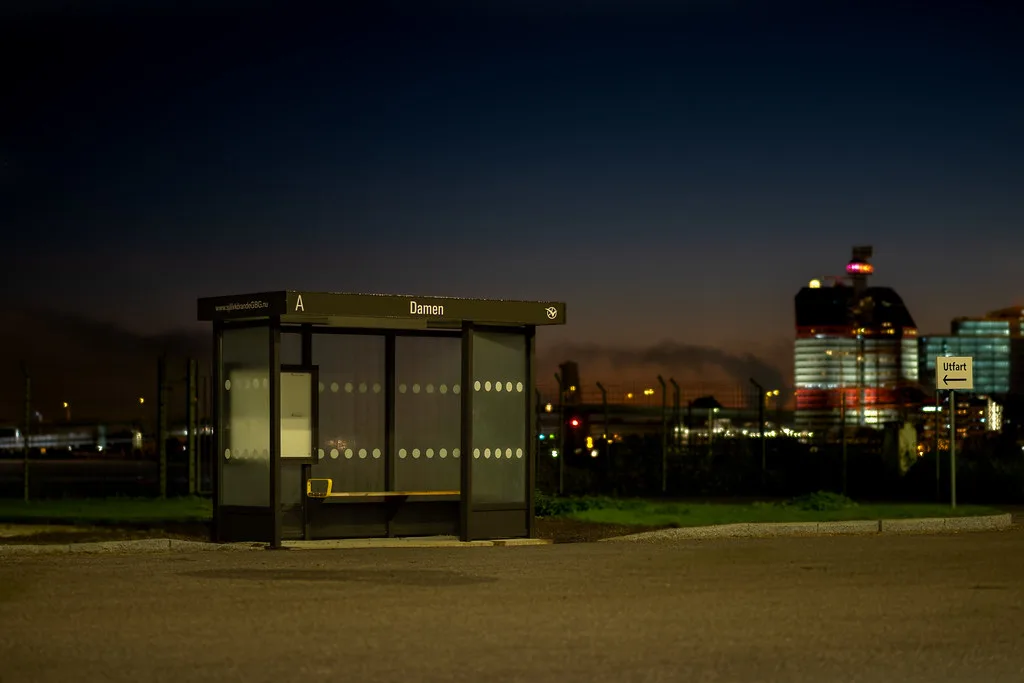
The district's character and who it suits
Lundby suits travellers who have already seen the city centre and want to understand how Gothenburg is put together beyond it, and it appeals to anyone with an interest in Swedish design and toy history. It does not suit a first-time visitor with a single day who wants churches, squares and waterfront walks within a few hundred metres.
Think of it as a half-day at most, taken at a slow pace. If your break is short, the central neighbourhoods, where the sights are packed closer together, will give you more to see per hour.
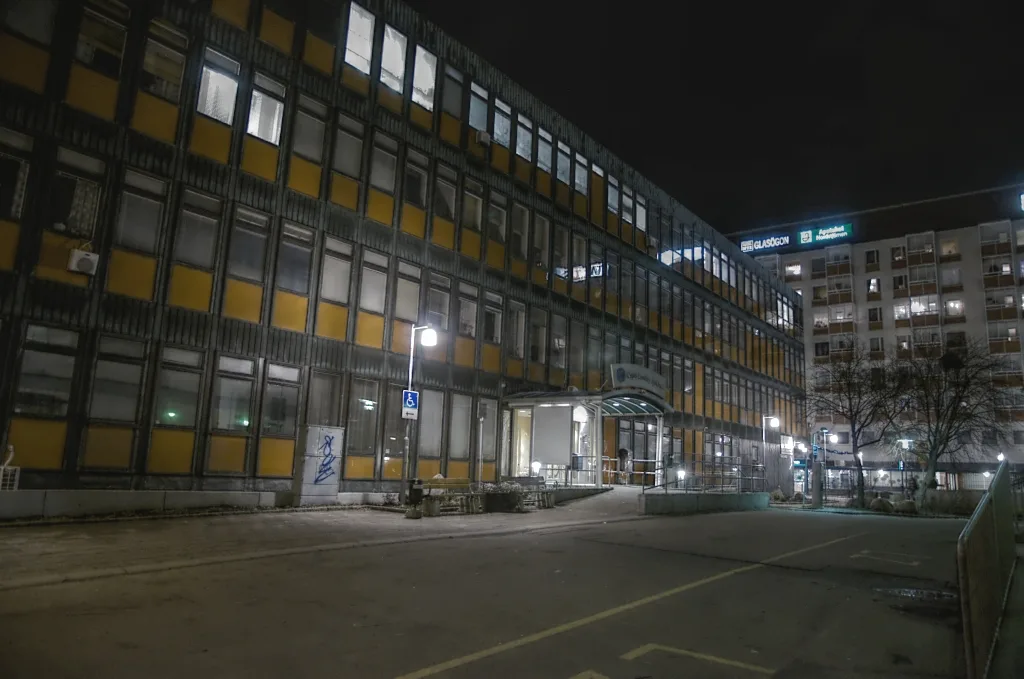
Lundby's place in Swedish design history: the Lundby dollhouse firm
Grete Thomsen made dollhouse furniture for her niece, starting with an armchair upholstered with a scrap of curtain fabric, and Axel Thomsen began selling it. The first order came from the Gothenburg department store Ferdinand Lundquist, later NK. Before Lundby folded, the museum in Vänersborg bought a set of dollhouses covering the entire producing period for a symbolic SEK 1,250.
The furniture and houses were built to a scale of 1:15 to 1:18, and today's houses are made at 1:18. Output reached 35,000 dollhouses in Lerum in 1967, and Micki Leksaker bought the production rights in 1997.
For a visitor, the story matters because it explains why the name Lundby appears on toy shelves far more often than in Gothenburg travel itineraries. The toy connection is the district's cultural hook; the physical sights of the neighbourhood are a separate question.
What to see and do in the district
Treat Lundby as a wander rather than a checklist. The district's interest lies in its everyday streets, its distance from the tourist core and its place in the city's northern spread, so a simple walk and a look at the setting will take less time than a museum quarter would.
If you want a second neighbourhood with a stronger sightseeing pay-off, Majorna and Haga both sit closer to the centre and give you historic streets and a well-known fika stop within a short walk. Pairing Lundby with one of those makes a more balanced day than Lundby alone.
Where to eat and drink in Lundby
No venue in Lundby appears in the available material, so this guide will not name cafés or restaurants in the district. For a proper fika stop with a known address, head south to Haga, where the pedestrian Haga Nygata is lined with cafés.
If you are staying in Lundby, plan your meals around the centre or stock up locally and eat in. Use the local shops you find on arrival to sort breakfast and picnic food, then spend your food budget in the central neighbourhoods where you have more choice.
Where to stay in Lundby
This guide will not recommend hotels in Lundby, because no accommodation in the district is supported by the sources behind this page. Base yourself centrally instead: Inom Vallgraven, Nordstaden and Linnéstaden all put you within walking distance of the main sights.
A Lundby base makes sense only if you have a specific reason to be north of the river, such as visiting people or a longer stay with your own transport. For a one-to-four-day city break, a central address saves time and tram changes.
Getting there and getting around
Lundby is reached from central Gothenburg by tram or bus across the river, and the exact routes and journey times are worth confirming with Västtrafik before you travel. Once in the district, walking is the sensible way to get a sense of it.
Sweden is largely cashless, so a card or phone payment works for most purchases, and you should keep your travel ticket on your phone rather than relying on coins. Getting around the centre on foot is easy, which makes a central base practical even if you spend an afternoon in Lundby.
How long Lundby needs and how to fit it into a Gothenburg break
Allow an afternoon, not a day. On a three- or four-day break, slot Lundby into a morning and keep the afternoon for a central neighbourhood or a waterfront walk, so a district with little conventional sightseeing does not eat into the parts of the city you came to see.
On a one- or two-day trip, skip Lundby unless you are specifically following the dollhouse story. The central streets around Lilla Torget and the main shopping and museum areas will give you more per hour.
Is Lundby worth the detour?
Lundby is worth a detour only if the Lundby dollhouse firm interests you, or if you want a look at a Gothenburg district that is not on the visitor trail. For most short breaks, spend the time in the centre, in Haga or in Majorna instead.
Explore more Gothenburg guides
Frequently Asked Questions
Is Lundby worth visiting in Gothenburg?
It is worth an afternoon if the Lundby dollhouse story appeals to you or you want to see a northern residential district. For a short first visit, the central neighbourhoods deliver more sights per hour. Treat it as an optional extra rather than a headline stop.
What is Lundby known for?
It is known as the northern Gothenburg district that gave its name to the Lundby dollhouse firm, which was founded after the Second World War by Axel and Grete Thomsen and later moved to Lerum. The toys carry the name further than the district itself does.