Stockholm in July: Weather, Daylight and What to Do
Plan a Stockholm city break in July with typical temperatures, long daylight hours, Gamla Stan and Djurgården walks, plus museums for a rainy day.
On this page
July is the best month to see Stockholm outdoors, because the days are long and the evenings stay light well after most museums close. Expect mild to warm days and changeable skies rather than a reliable heatwave, and build your plan around the water, the old town and the green island of Djurgården. This guide covers typical July conditions, how the daylight changes a one-to-three-day trip, and which sights and museums to hold in reserve for a grey day.
What July is like in Stockholm
July is the warmest month in the Swedish capital, with average highs in the mid 70s Fahrenheit and lows in the upper 50s, alongside roughly eight days of rainfall across the month. Treat those as typical averages rather than a forecast: a July week can bring bright, shorts-and-sunglasses afternoons and a cool, wet morning within the same break. Pack layers you can add and shed, and keep one waterproof layer at the top of your bag.
The weather is less dependable than in southern European cities, but Stockholm compensates with warm-enough days and a huge amount of daylight. If you are weighing up which month suits a city break, The Best Time to Visit Stockholm, Season by Season compares the seasons and their trade-offs. Rain rarely wipes out a whole day, because so much of the centre is walkable and the main museums sit close together.
How long the days are in July and what the light does to your day
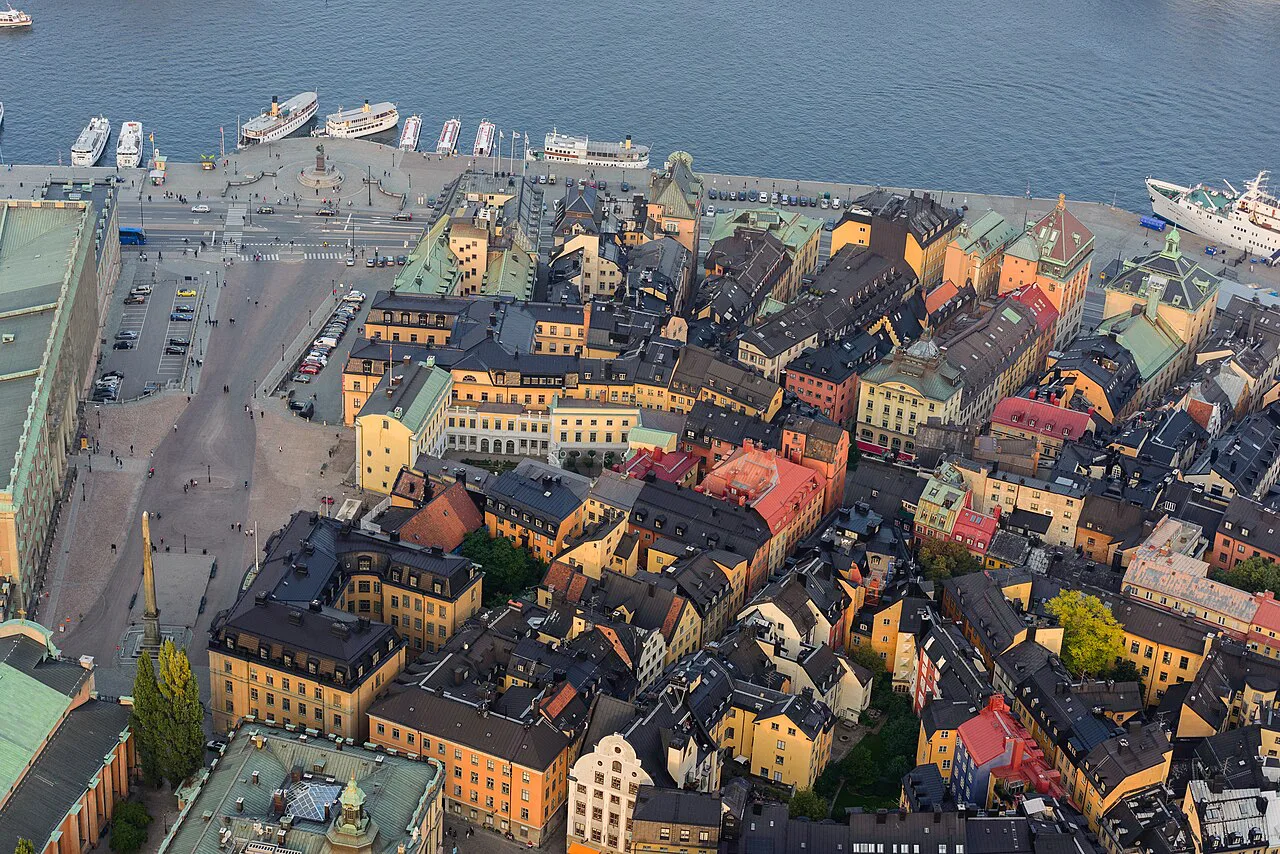
In early July, close to Midsummer, the sun does not set until about 10pm and never properly goes dark before rising again around 3am. That near-endless light is the real reason to come in July: parks, the harbour, the coastline and Gamla Stan all stay open long after museum doors close. Hotels are used to it and fit blackout blinds, so the light should not cost you sleep if you draw the curtains.
The long evenings reshape how you should plan. Rather than cramming everything into a museum-heavy morning, you can leave the old town and the waterfront for late afternoon and evening, when the low light makes the facades and water look their best. You should plan at least one evening with no fixed booking, so you can eat outside and walk the harbour as the light lingers. For more on the season as a whole, see Stockholm in summer.
What to see and do outdoors: Gamla Stan, Djurgården, the harbour and the archipelago
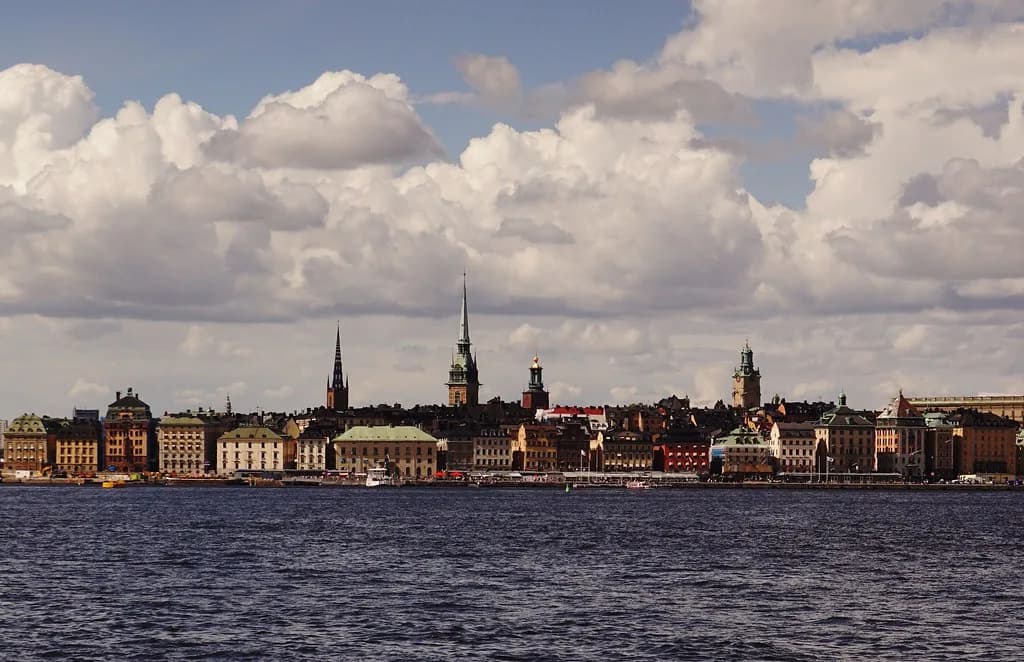
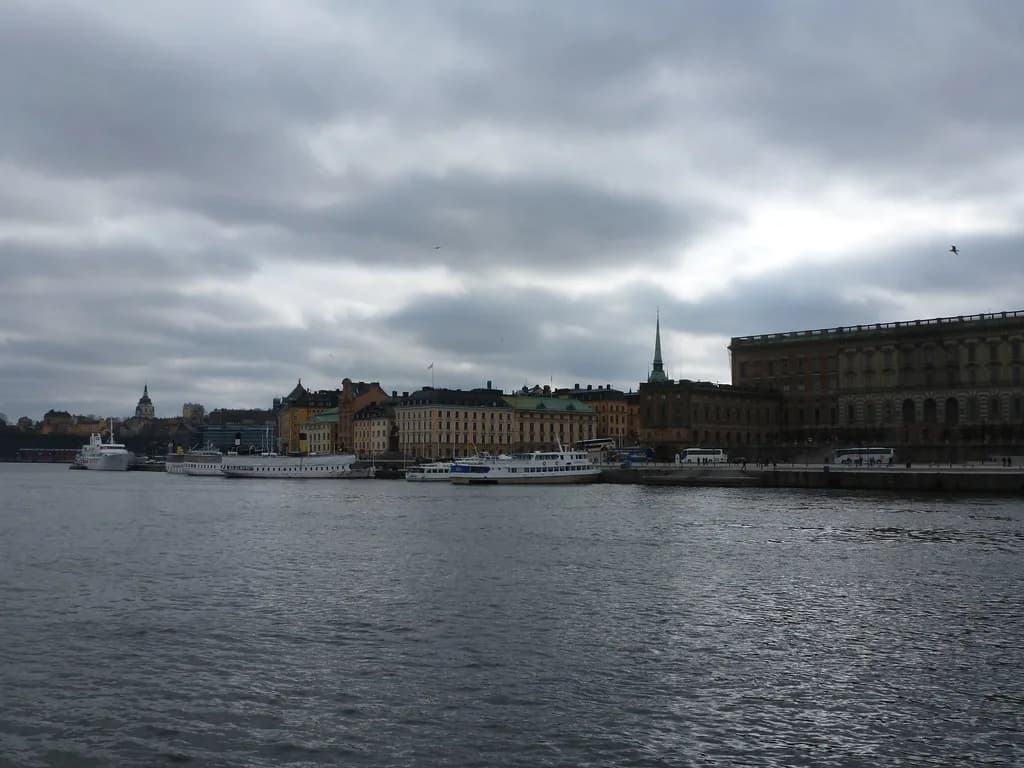
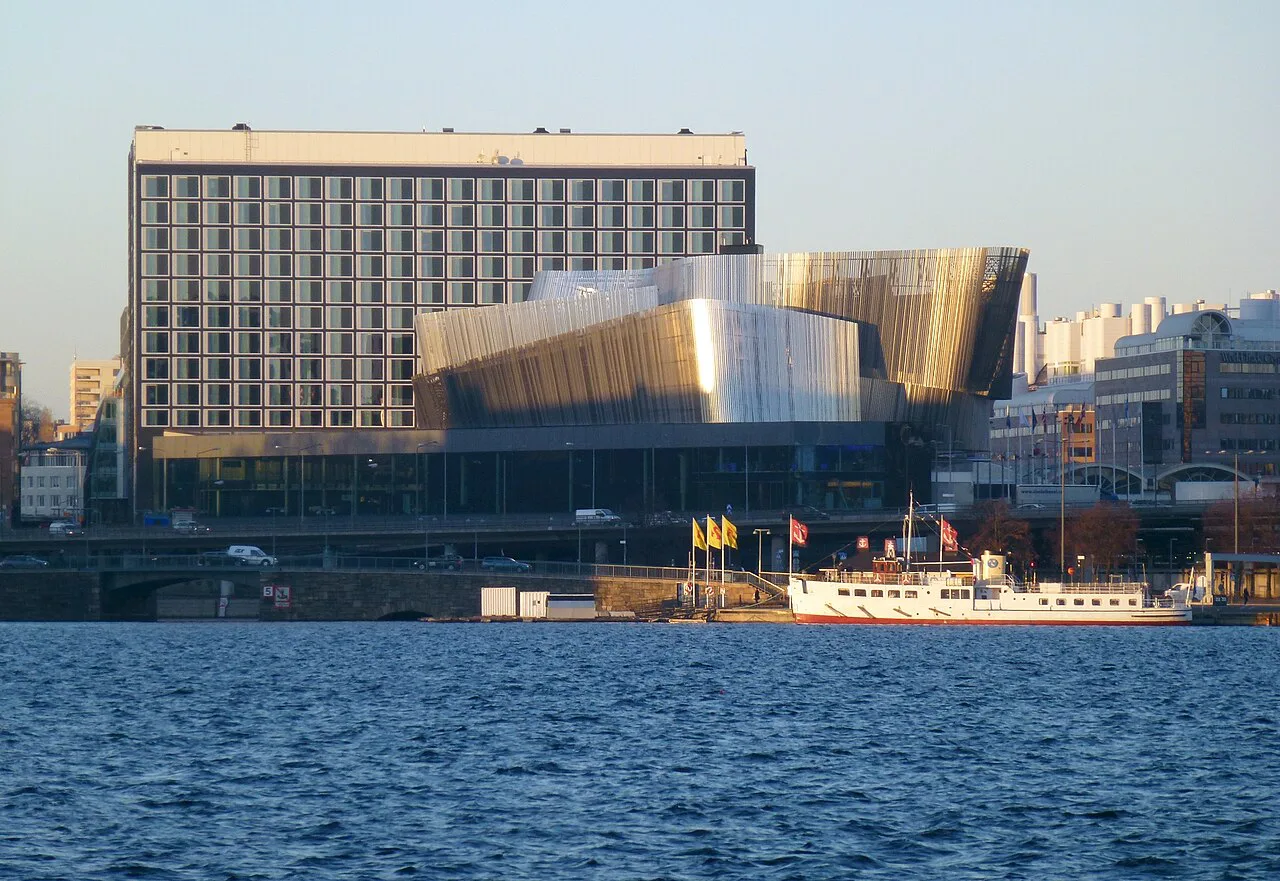
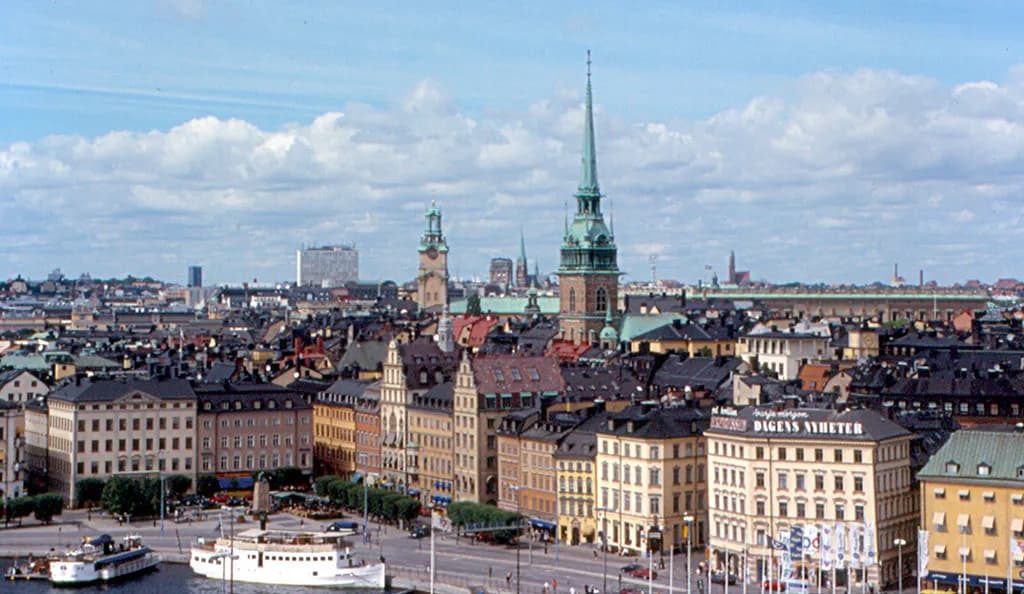
Start in Gamla Stan, the old town, where narrow lanes, the main square and the royal palace area reward a slow wander rather than a rushed checklist. It is compact enough to cover on foot in a couple of hours, and the surrounding waterfront gives you long views across to Skeppsholmen and the islands beyond. Use it as your first morning anchor, then let the rest of the day follow the water.
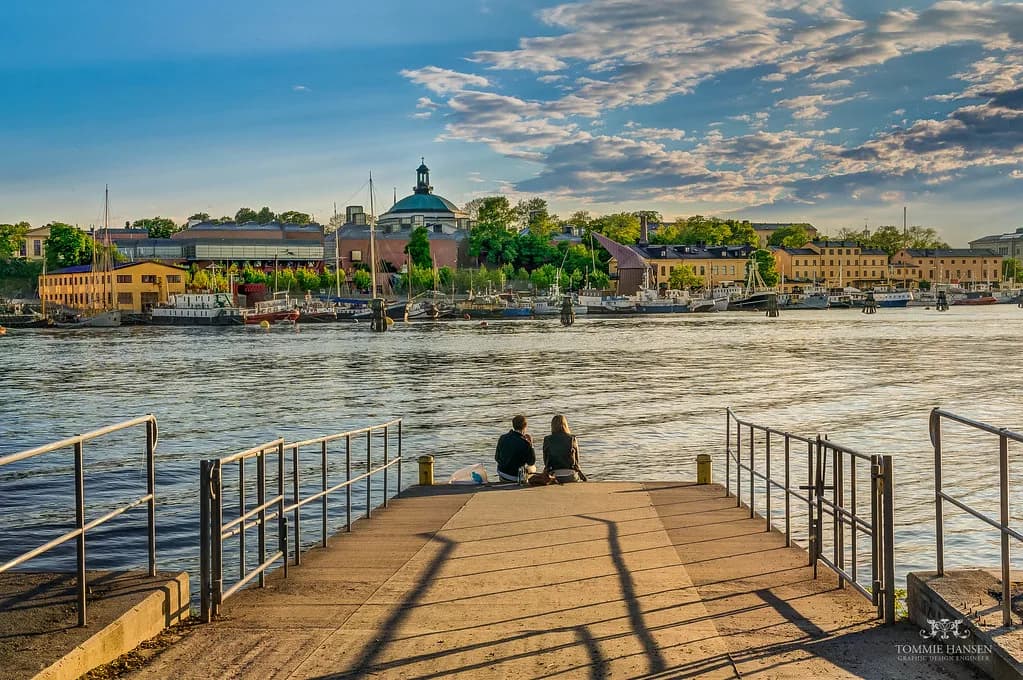
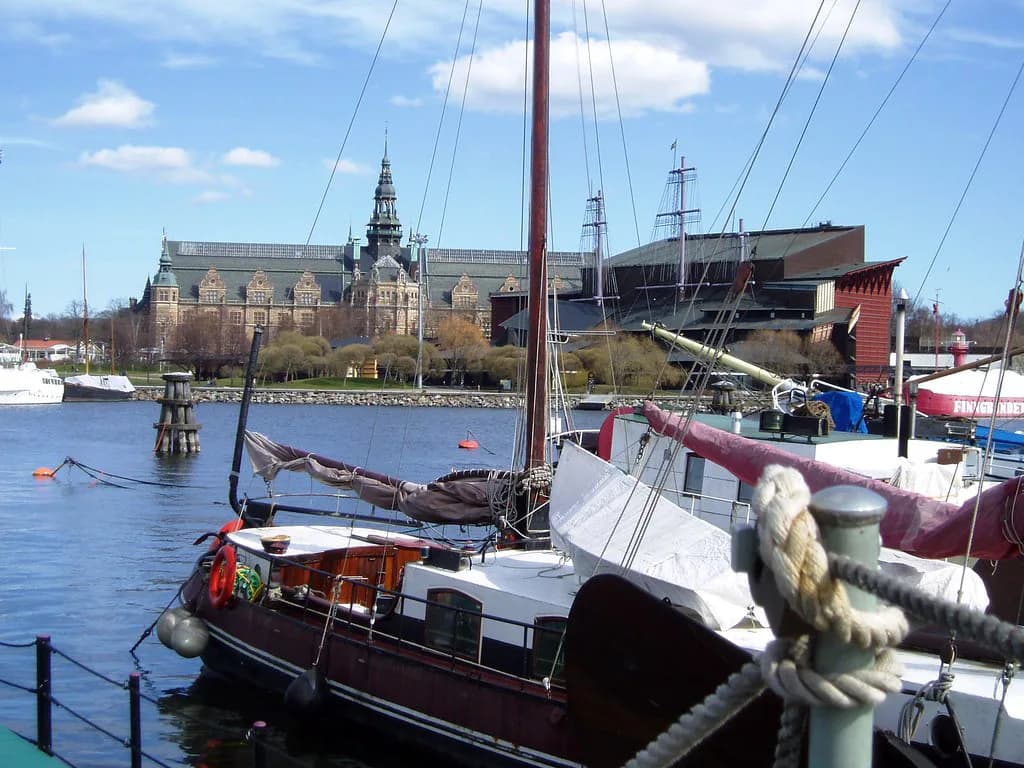
Djurgården is the green island across the water, home to the Vasa Museum, the Nordic Museum and a network of paths along the shoreline. Walk it, or take the short ferry, and you get a park-and-museum day without ever needing a bus. In April the city is generally quieter and cooler, which suits some travellers better; see Stockholm in April.
The Stockholm archipelago stretches east as a spread of thousands of islands, and you can see its edges on ferry and cruise routes that take a few hours or a full day. Even without leaving the city, the harbour, the waterfront paths and the Baltic views give you a taste of that island landscape. If you have only a day or two, keep the archipelago as a half-day option rather than the centrepiece.
For a broader shortlist of named sights and neighbourhoods, see the Stockholm attractions guide covering the city's main visitor draws. Use it to choose one or two extras, not to build a crammed itinerary.
Museums for a wet or cloudy day: Vasa Museum, Nordic Museum, Fotografiska and ABBA The Museum
The Vasa Museum displays the warship Vasa, which sank on its maiden voyage in 1628 and was salvaged more than 300 years later, preserved by the brackish Baltic water. You can walk around the hull and study the carved timbers, which makes it a strong pick for a rainy afternoon. Just across the courtyard, the Nordic Museum covers the everyday lives of Swedes, from Sami culture and traditions to design and fashion, so the two pair naturally.
Fotografiska is a contemporary photography gallery in a former customs house by the water, with changing exhibitions and a top-floor café that is one of the city's best sunset spots. ABBA The Museum is fully interactive and traces the band from Eurovision onwards through pictures, memorabilia and music. Both make good wet-weather anchors.
Most museums close around 5pm, so treat them as daytime stops and leave the evening for the streets and water. Opening days and any seasonal changes are published by each museum, so check the official page for the venue before you build a day around it.
How many days July allows: one, two or three days in the city
With one day, keep it simple: Gamla Stan in the morning, a ferry or waterfront walk at lunchtime and Djurgården and the Vasa Museum in the afternoon. With two days, add Fotografiska or ABBA The Museum and save a long evening for the harbour and the old town. Three days lets you take a half-day archipelago cruise and still keep the pace relaxed.
The long daylight means a two-day July trip does not feel rushed, because you can keep going into the evening rather than losing hours after dinner. Build the plan so each day has one indoor anchor and one outdoor stretch, and you can swap them if the weather turns. If your dates are fixed around a particular event, Events in Stockholm Through the Year lists what is on across the calendar.
Early July is also the time of year when the city stays light late, so a late-afternoon arrival still gives you usable hours. That flexibility makes July forgiving if your flight or train is delayed. It also means you can leave the most famous sights for a quieter slot.
How to fill a long summer evening
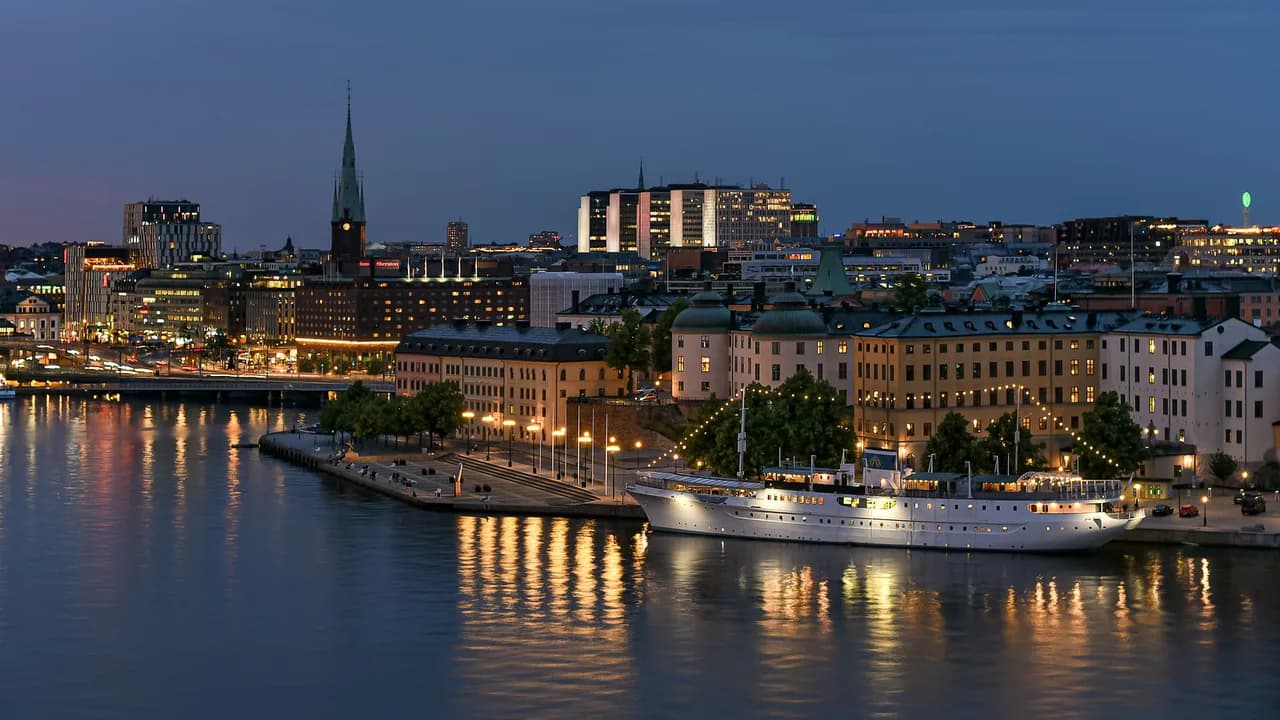
The best use of a July evening is a walk along the water and through Gamla Stan once the day-trippers thin out. Stockholm's restaurants spill onto the streets in summer, so an outside table and a slow dinner fit the long light. Keep the evening light on plans rather than bookings, and you can follow whatever the weather does.
If you want a structured evening, a short archipelago cruise or a ferry crossing gives you the islands at golden hour without committing a full day. Have a second option in mind in case of rain, and one indoor backup leaves you free to be spontaneous when the sky clears.
Practical notes: layers, cashless payment and museum closing times
Pack for changeable weather: a light waterproof layer, a warm mid-layer for evenings and comfortable walking shoes. Layers are more useful than a heavy coat in July, and they let you add or shed clothing as the day warms and cools.
Museums and shops publish their own hours, and these can shift between summer and the rest of the year, so confirm on the venue's official page before you travel. If you are comparing months, Stockholm in June and Stockholm in August sit either side of July and differ in light and crowding.
How July compares with June and August
June has the longest days and a festive mood around Midsummer, while July brings the warmest temperatures. August keeps much of the warmth but the evenings shorten noticeably and some visitors find the city busier. For a quieter, cooler version of the same city, Stockholm in May and Stockholm in September are worth a look.
If you are weighing a different season entirely, Stockholm in October shows the city in autumn colour with fewer crowds. The Best Time to Visit Stockholm, Season by Season sets the months side by side so you can match the trip to your priorities.
Is July the right month for your Stockholm break?
Choose July if long, light evenings and warm-enough days matter more to you than guaranteed sunshine, and build the trip around Gamla Stan, Djurgården and the water rather than a museum queue. Keep one or two indoor options in reserve, such as the Vasa Museum or Fotografiska, so a wet morning does not derail the plan. For more on the city's trade-offs between months, see The Best Time to Visit Stockholm, Season by Season.
Explore more Stockholm guides
Frequently Asked Questions
What is the prettiest place in Stockholm in July?
Gamla Stan and the Djurgården shoreline are strong picks, especially in the evening light. The old town's lanes and the waterfront views across to Skeppsholmen are classic images of the city, and both are best explored on foot.
Is everything open in Stockholm in July?
July is high summer, so the outdoors — Gamla Stan, Djurgården, the harbour and the archipelago routes — is there to be used. Museums and shops publish their own hours, which can differ from the rest of the year, so check the venue's official page before building a day around it.
Sources
Notes for your next Swedish city break
Optional updates to our Sweden guides.
You might also like
Continue reading
More guides you'll find useful