Stockholm in Summer: Long Days, Islands and What to Do
Plan a Stockholm summer break around long daylight hours, the island geography, Gamla Stan and Djurgården, with candid notes on crowds and pacing your days.
On this page
Stockholm in summer means very long daylight and mild, changeable weather rather than guaranteed heat, so plan a loose skeleton of outdoor time and keep one indoor museum up your sleeve for a grey afternoon. The season runs roughly from late spring into early September, with Midsummer landing in late June and the warmest weeks typically falling in July. This guide covers what summer feels like, when to come, how the fourteen islands and their bridges fit together, and how to fill one, two or three days. It also flags the honest trade-off of peak-season crowds against those long, light evenings.
What summer in Stockholm is actually like
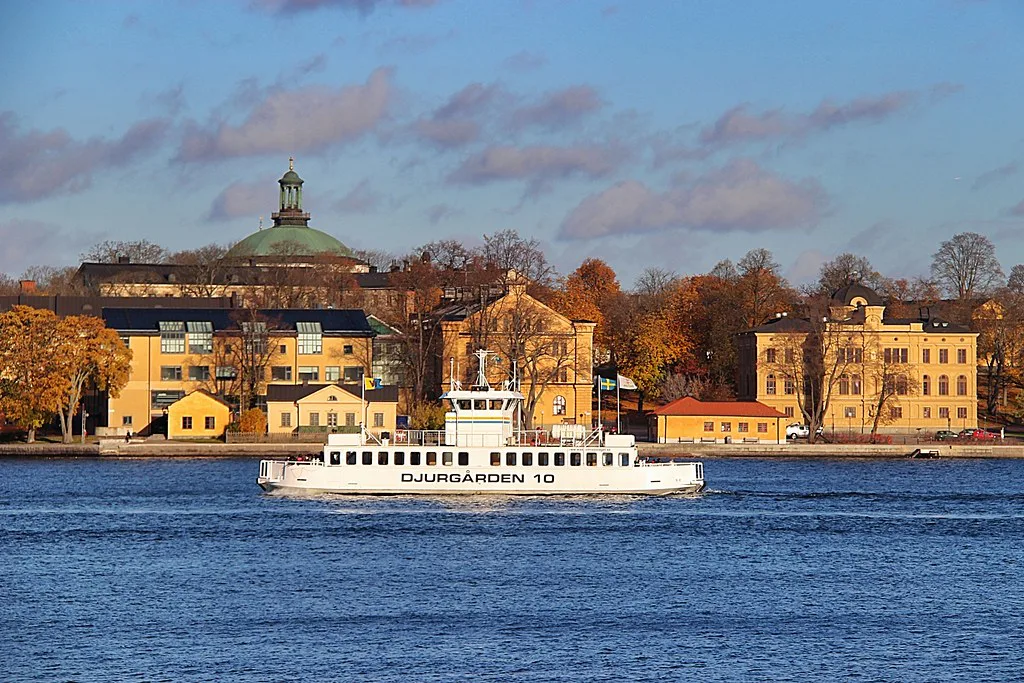
Stockholm sits where the Baltic meets a vast archipelago, and summer there is a northern summer: daylight stretches deep into the evening, while temperatures stay mild rather than Mediterranean. Locals treat the light as the main event, spilling onto café terraces and waterfront paths the moment the sun appears, even if a jacket is still needed. Treat any given day as unpredictable and build your plan around a mix of outdoor wandering and museums you can duck into.
Because the season is short, the city leans into it. Stockholm has long promoted itself as roughly one-third water, one-third parkland and one-third buildings, and summer is when that balance matters most: you can walk between neighbourhoods along the water, cross bridges between islands and end the day watching the light on the harbour rather than sitting inside.
When summer starts and ends, and how Midsummer affects the city
For planning purposes, think of the Stockholm summer as stretching from late May to early September, with the absolute peak in late June through July. Midsummer falls in late June and is the country's most family-centred public holiday, so the city empties somewhat as residents head to summer houses and collective celebrations. If you want a lively city, avoid the Midsummer weekend itself and the days around it; if you want quiet streets, that is precisely the window to book.
Before and after the peak, you get most of the daylight with noticeably thinner crowds. A plan for Midsummer in Stockholm is worth reading before you commit to those dates, since the practical effect is fewer people in the centre and some venues running holiday hours. If your dates are fixed, build in flexibility and confirm what is open on the day.
If your trip lands later in the season, the same broad logic applies. Check the forecast before you leave and lean on indoor options.
The warmest month and what that means for a short break
The warmest weeks of the Stockholm year typically fall in July, which is also the month most likely to combine the longest days with the busiest streets. For a one- to four-day break, that means two things: book the indoor anchor of your trip in advance, and put your longest outdoor walk in the evening when the light is best and the day-trippers have thinned out. Do not expect a specific temperature; treat any figure you see as a climate average, not a forecast for your dates.
That said, summer in Stockholm is not a beach holiday and the water stays cold enough that most visitors will be content to look at it rather than swim. The practical lesson is to pack for changeable weather and plan a mix of outdoor and indoor stops, rather than betting the whole trip on sunny days.
How Stockholm is laid out: 14 islands, bridges and where the water sits
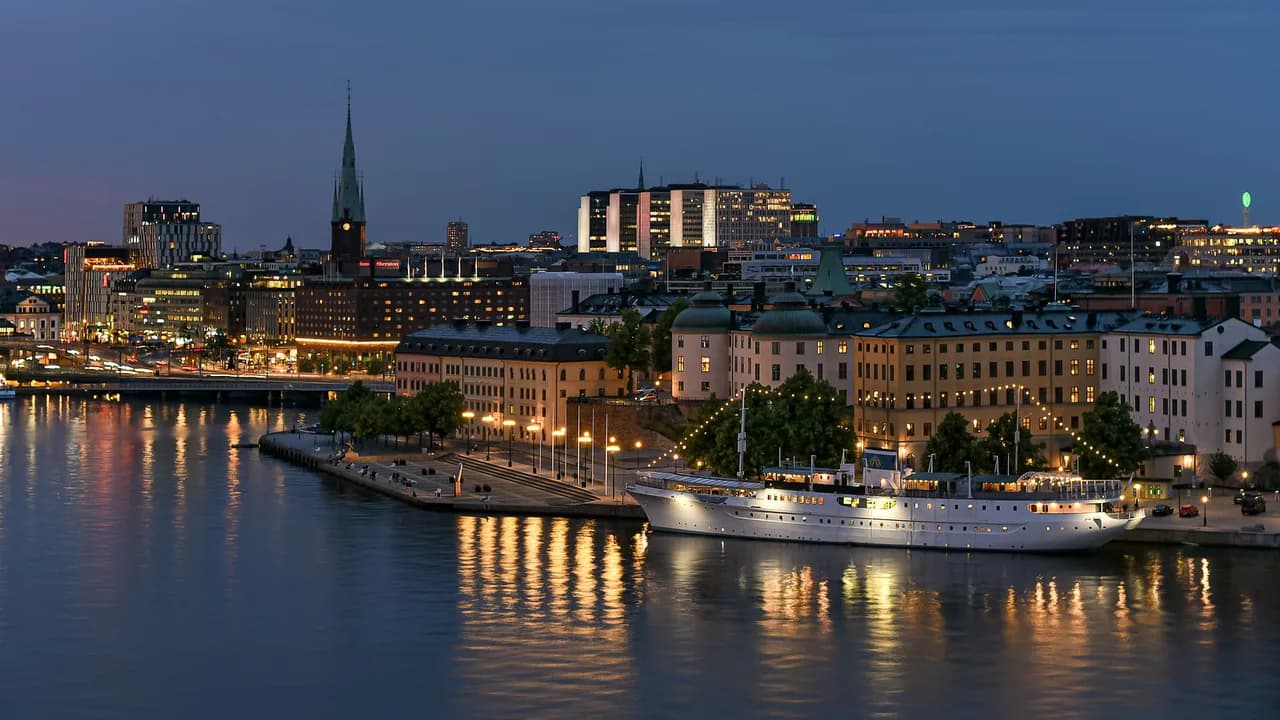
Stockholm is built across fourteen islands on the edge of a huge archipelago, stitched together by dozens of bridges, and understanding that geography is the single biggest thing you can do to make a short break feel unhurried. Gamla Stan, the old town, sits on its own island in the middle, with Norrmalm and the central station to the north, Södermalm to the south and Djurgården to the east. Once you know which island you are on, distances shrink and walking becomes the default way to get around.
Most of the classic sights sit within a comfortable walking loop, and the water is never far away. Rather than trying to cover the whole city, pick one side of the centre per half-day and let the bridges do the work. If you are weighing up when to visit more broadly, The Best Time to Visit Stockholm, Season by Season sets summer against the other seasons.
Gamla Stan and Stortorget: the old town on foot
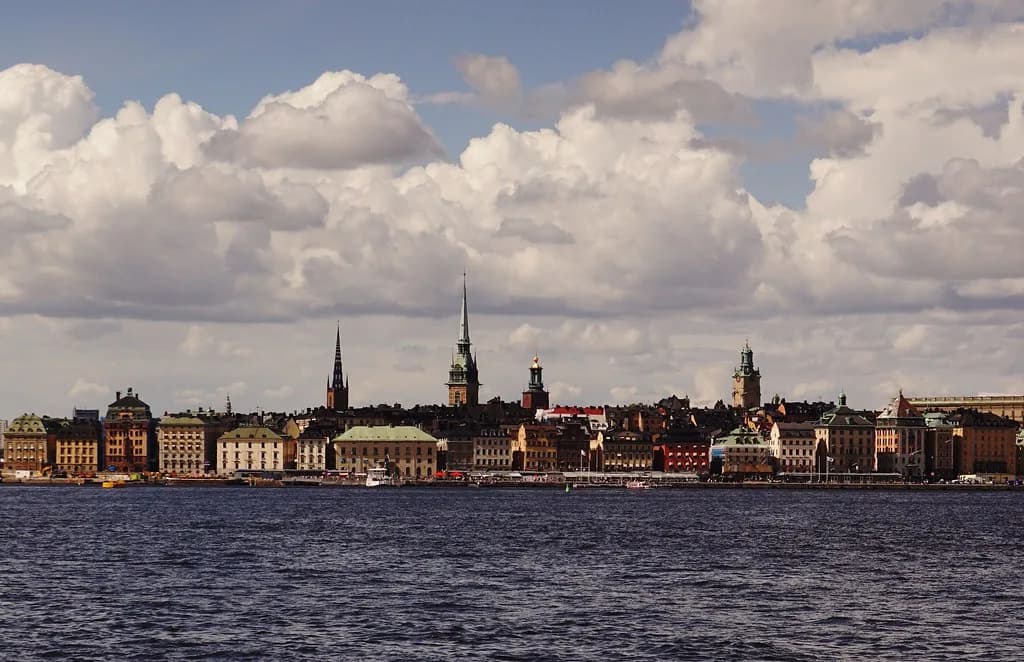
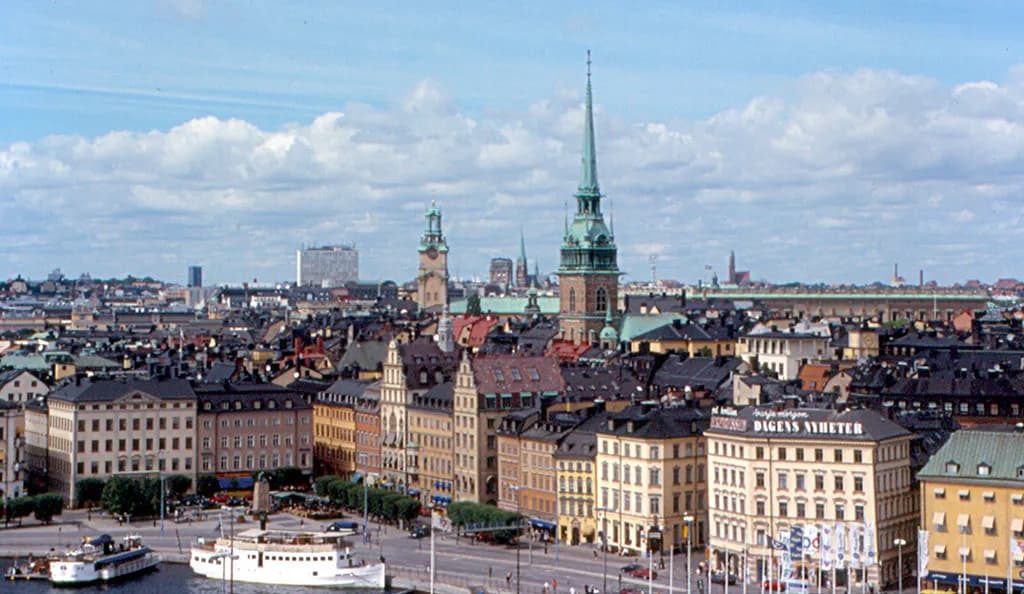
Gamla Stan is where Stockholm began more than eight centuries ago, and the old town still works best on foot: narrow cobbled lanes, tall buildings in ochre, rust and pale pink, and the main square of Stortorget at its heart. The lanes are at their best early in the morning before the tour groups arrive, and the square itself is a natural place to pause. Give it half a day at most, and treat the side streets as the point rather than the main square alone.
At the northern end of the old town sits the Royal Palace, the official royal residence and one of the largest palaces in Europe, with tours available for visitors. It is a sensible anchor for a Gamla Stan morning, since it sits close to the water and the bridge routes onward. Around the corner, Kungsträdgården, the former royal garden, offers a shady pause before you head back out.
If you are comparing seasons, Gamla Stan in October has a very different, quieter feel from its summer self, which is worth knowing if you are flexible on dates.
Djurgården: the green island and its museums
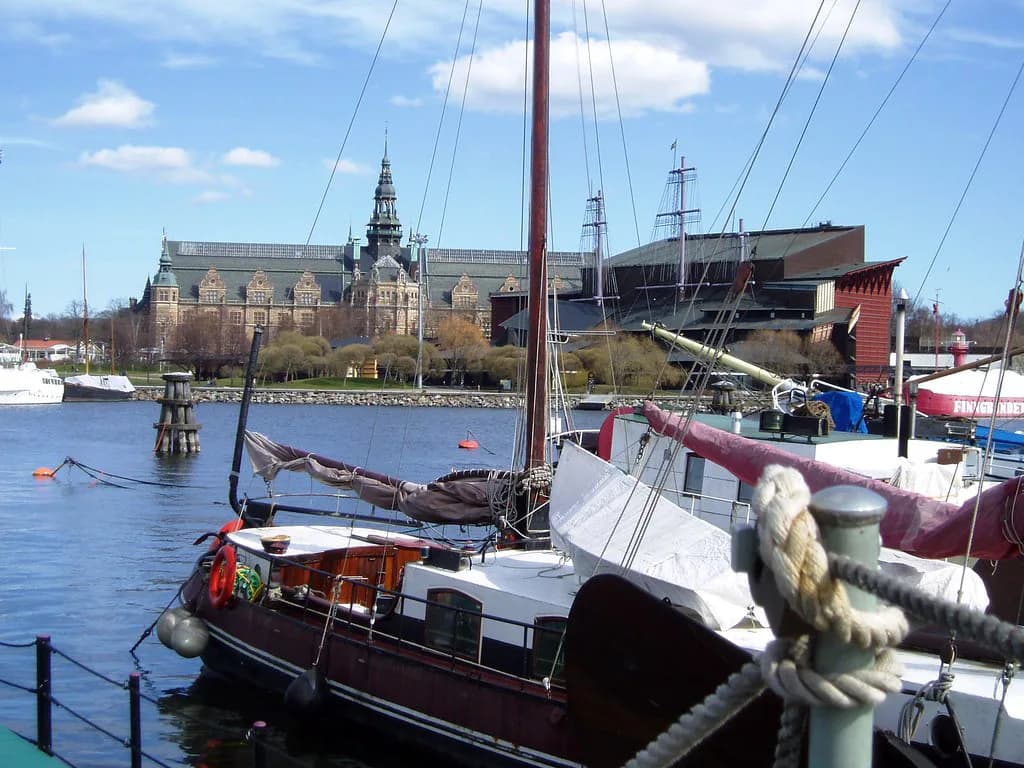
Djurgården is Stockholm's green island, home to several of the city's best-known museums and a good amount of parkland, and it is one of the easiest places to spend a whole summer day. The Vasa Museum, built around the raised seventeenth-century warship, is the headline attraction, and the island also holds the Viking Museum and the ABBA Museum among others. In summer, the combination of museum time and open green space is what makes Djurgården work: you can alternate between the two without long transfers.
The practical trade-off is that Djurgården's big museums draw the biggest queues of the year in July, so pick your must-see and go early, then spend the afternoon outdoors. Walking the island's paths is free and pleasant, and you can reach it on foot from the centre or by tram. If you are travelling with children, the density of attractions here makes it the obvious pick.
If your dates fall in late spring, Stockholm in May and Stockholm in June are useful comparisons for how crowded Djurgården and the ferries get before the peak.

Södermalm and waterfront walks with views back over the city
Södermalm rises south of the old town and gives you the best free views in Stockholm: from its high points you look back across the water at Gamla Stan's spires and the Royal Palace. The neighbourhood itself is a grid of streets with cafés and independent shops, and the waterfront paths along the island's edge are the most rewarding way to move between them. Set aside a couple of hours for a walk that climbs to a viewpoint and drops back to the water.
The classic lie of the land rewards anyone willing to take a bridge instead of a metro. Walk south across from Gamla Stan, follow the water, and loop back. It is also the cheapest good afternoon in the city, which matters in a season when everything else is at its most expensive.
Kungsträdgården and the city-centre green spaces
Kungsträdgården, the King's Royal Garden, sits between the old town and the modern shopping streets, and in summer it fills with office workers and visitors taking a break under the trees. It is not a destination in itself, but it is a useful hinge between Gamla Stan and Norrmalm, and a good place to sit with a coffee before or after crossing the water. Pair it with a walk along the waterfront rather than treating it as a separate stop.
Filling one day, two days and three days in summer
With one day, concentrate on Gamla Stan and the waterfront: start early at Stortorget, walk the lanes, see the Royal Palace, cross to Södermalm for a viewpoint and finish along the water in the evening light. With two days, give the whole of the second day to Djurgården and its museums, walking the island and returning to the centre for dinner. With three days, add a slow morning in Kungsträdgården and Södermalm's streets, and leave the afternoons free so the long evenings do the work.
Three days is not too much for Stockholm in summer, but only if you build in slack. The mistake is to schedule four sights a day and spend the trip on bridges in a hurry. Choose one anchor per day, keep the rest loose, and let the daylight give you a longer, gentler evening than you would get in most European cities.
If you are comparing months, Stockholm in July is the fullest expression of the season, while August and September trade a little daylight for thinner crowds.
Crowds, daylight and pacing: honest trade-offs for a summer visit
The trade-off is simple: summer gives you the longest days and the best chance of warm, dry weather, and it also gives you the most visitors of the year. The big museums and Gamla Stan's main square are busy in July, and the difference between a good trip and a tiring one is usually timing rather than sight selection. Go early, go late, and treat the middle of the day as a slower interlude.
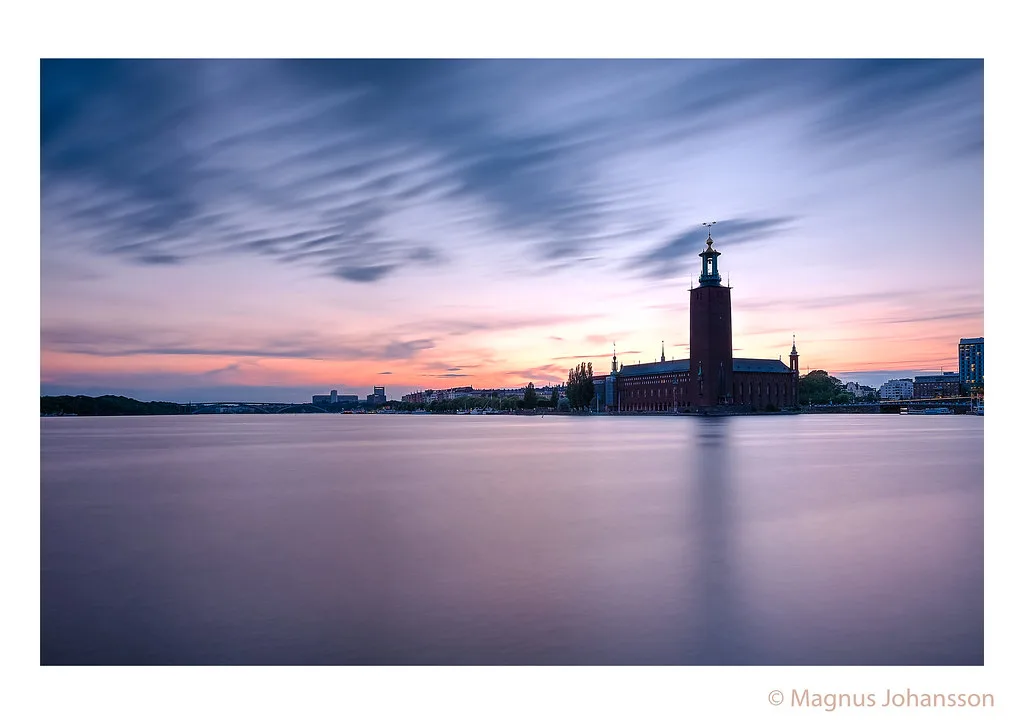
The compensation is real. An evening walk in late June or July happens in daylight, so you can eat late and still see the city at its best. If you want the events calendar to shape your dates, Events in Stockholm Through the Year lays out what happens when.
What to keep in mind about opening days and cashless payment
Sweden is a largely cashless society, and card or mobile payment is the norm in Stockholm's shops, cafés and museums, so travelling with a card rather than a wallet of cash is the practical default. Opening days and summer hours do vary between venues, so check the individual museum or palace website before you build your day around it. That is especially worth doing around Midsummer, when some places run reduced hours.
Should you choose Stockholm in summer or shoulder season?
Choose summer if long daylight and warm-evening wandering are the point of the trip, and accept that July brings the biggest crowds and the highest pressure on the headline museums. Choose late May or early September if you want most of the light with fewer people and more breathing room in Gamla Stan and on Djurgården. Either way, anchor each day on one sight and let the water and the bridges fill in the rest.
For the wider comparison across the year, The Best Time to Visit Stockholm, Season by Season sets summer against spring, autumn and winter so you can see the trade-off plainly.
Explore more Stockholm guides
Frequently Asked Questions
What is the warmest month in Stockholm?
July is typically the warmest month of the Stockholm year, which is also when the city is busiest with visitors. Treat any temperature figure as a climate average rather than a forecast, and pack for changeable weather even in Midsummer.
Is three days in Stockholm too much in summer?
Three days is a comfortable length in summer, because the long daylight lets you spread outdoor time into the evening without rushing. Use the extra day for Södermalm walks and a slower Djurgården visit rather than adding more museums to the first two days.
Sources
Notes for your next Swedish city break
Optional updates to our Sweden guides.
You might also like
Continue reading
More guides you'll find useful