The Best Time to Visit Stockholm: A Season-by-Season Guide
The best time to visit Stockholm depends on whether you want long summer days, dry spring weather or quiet winter streets. Here is how each season compares.
On this page
For most visitors the best time to visit Stockholm is late May to early September, when summer temperatures can reach 25C and occasionally 30C, the sun sets late into the evening and boat trips into the archipelago become the main event. If you would rather have dry weather than hot weather, March to May is the driest stretch of the year, though spring can still throw snow or gloomy, chilly days at you. This guide runs through each season with typical monthly temperatures and rainfall, then matches the calendar to what you actually want to do on a one to four day break.
The short answer: which season suits which trip
Summer is the obvious pick for a first visit: long daylight, warm air and the widest choice of things to do on the water. It is also when the city is at its liveliest, with temperatures that can hit 25C and the sun setting late into the evening. The trade-off is that summer is the busiest period, and parts of July feel quieter for a specific reason covered below.
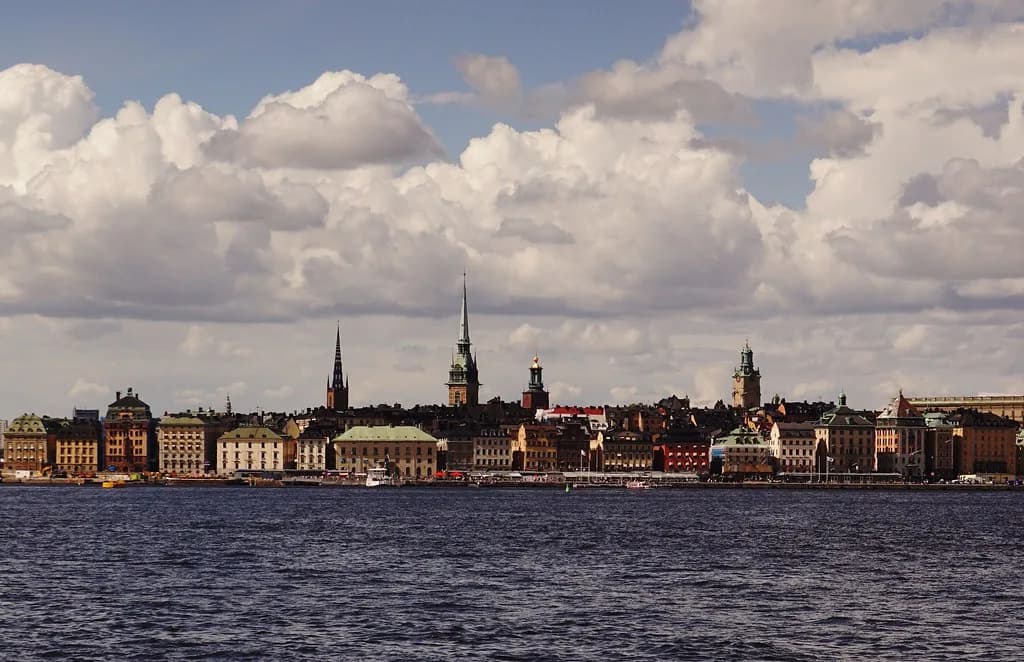
Spring and autumn are the compromise seasons: fewer people, cheaper-looking flights outside peak weeks and enough daylight to walk the whole centre. Spring is the driest time of the year in Stockholm, with bars and cafés opening their terraces even though blankets and heaters are usually still needed. Autumn gives you red and golden leaves against the ochre and terracotta apartment blocks, and there is still plenty of light between early September and early November.
If you want the seasonal rhythm in more detail, our Stockholm in Summer guide covers the long days, boat trips and outdoor life that make the late May to early September window the best choice for a first visit.
Spring (March to May): dry spells, cherry blossom and cold snaps
March to May is the driest time of the year in Stockholm, which matters if you plan to spend your days walking Södermalm's streets or following the water around Gamla Stan. The catch is that spring weather is fickle: snow can still appear, and some days are gloomy and chilly even as the terraces reopen. Pack layers and treat any warm afternoon as a bonus rather than a guarantee.
Two spring highlights are worth timing a trip around. The pale-pink cherry blossoms fill Kungsträdgården park, and Kulturnatt, a free annual celebration of music, art and literature, typically takes place a few weeks after Easter. Neither has a fixed date you can plan around months ahead, so check the organiser's programme before booking.
April is a month where the weather can swing between a cold snap and the first genuinely pleasant afternoons, so build flexibility into your plan rather than booking a fixed outdoor activity for every day. If you want the detail on what to expect and what is running, our Stockholm in April guide sets out the month's character.
Summer (late May to early September): long days and boat trips
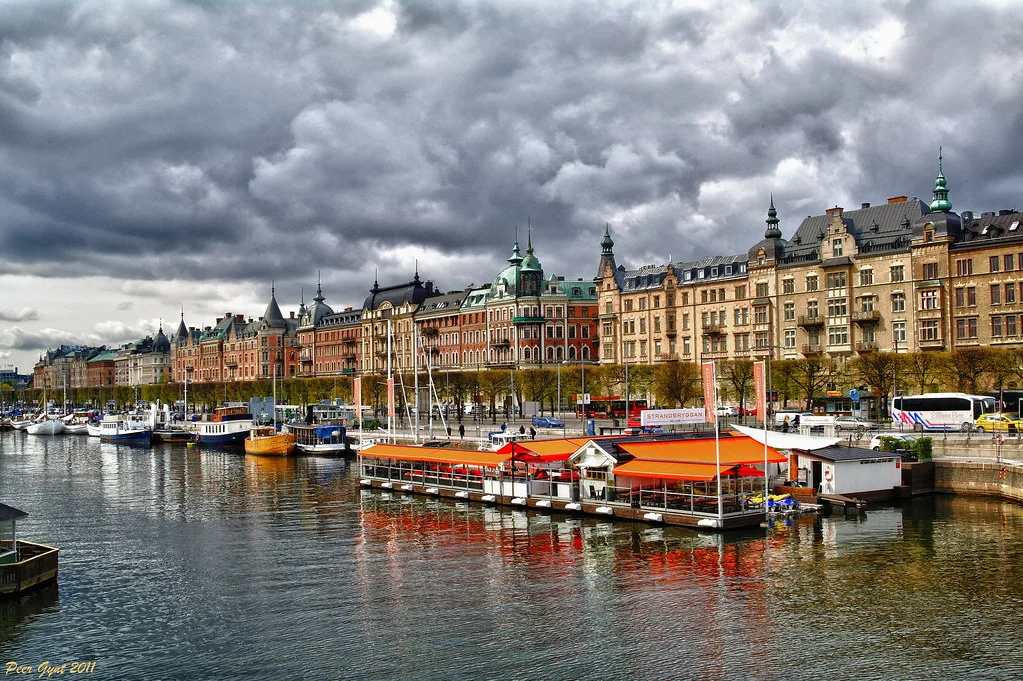
Summer is Stockholm at its most sociable. Temperatures can reach 25C and occasionally 30C, the sun sets late into the evening, and locals head out to floating bars, sail, hike and barbecue in the archipelago at weekends. The city is at its liveliest between the end of May and the beginning of September, which is exactly when you should come if boat trips and long walks are the point of the trip.
Midsummer, around the summer solstice at the end of June, is the biggest national festival of the year, with flower crowns, maypoles and schnapps. Many people leave for summer cottages for the celebrations, and some stay away from the capital for up to a month, which is why July is not the best time to mingle with locals. Our guide to Midsummer in Stockholm explains how the holiday changes the city's rhythm.
If you want long daylight and maximum choice of things to do, plan around late May to early September and keep at least one day free for the water. Our Stockholm in summer guide covers the season's rhythm in more detail, and the same window is the one to aim for if Gamla Stan's alleys and Djurgården's green spaces are high on your list.
Autumn (September to early November): golden leaves and cosier evenings
Autumn is the city's most photogenic season in a quiet way. Between early September and early November there is still plenty of light, and the red and golden leaves along the tree-lined walkways set off the ochre and terracotta apartment blocks. As the sun goes down earlier, apartment windows begin to glow with candles and log fires, and the city shifts into a cosier register.
For a short break, early autumn is a good compromise: enough daylight for a full day of walking and a viewpoint or two, but with fewer people than in August. The catch is that the light fades noticeably as October progresses, so front-load outdoor plans into the mornings and keep museums and indoor sights for the afternoons. Our Stockholm in September guide covers the month in detail, and Stockholm in October picks up once the leaves are down and the evenings draw in.
Winter (November to March): short daylight and Christmas lights
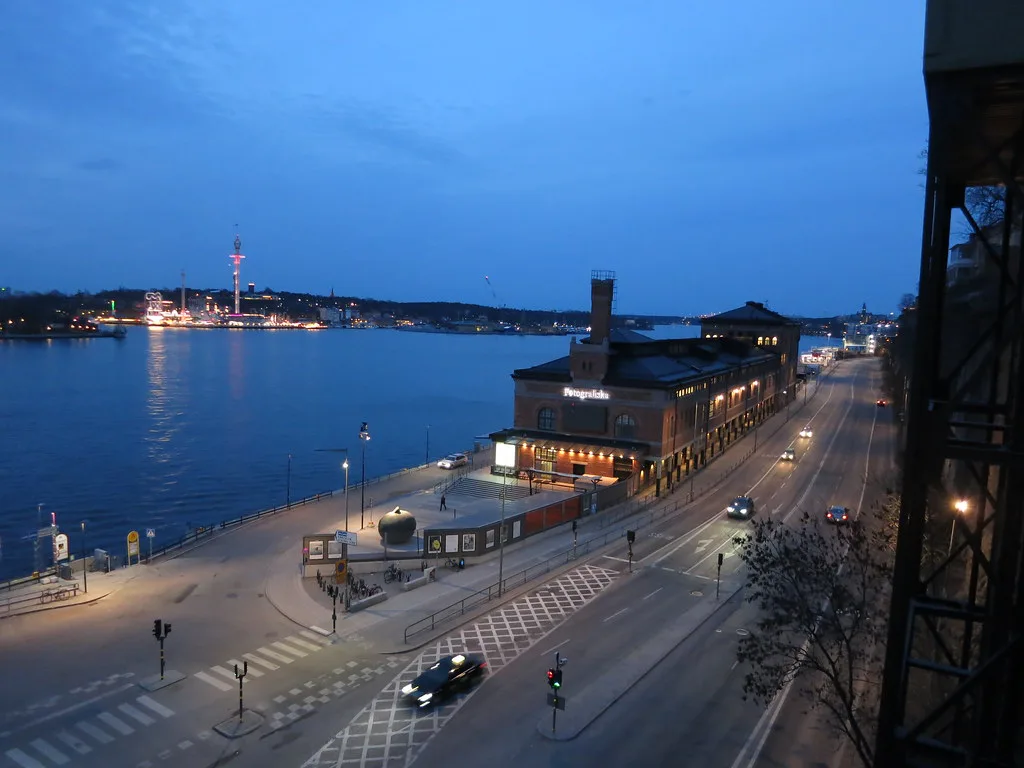
Winter in Stockholm means short days, cold temperatures and, around December, the city's most atmospheric weeks. Temperatures drop to around -3°C in winter, so wrap up properly, and expect darkness outside to be offset by Christmas lights in people's windows and the classic advent lights that appear in homes across the city. Snow is not guaranteed in December, but it adds a lot to the atmosphere when it falls in the run-up to Christmas.
The Christmas markets in and around the city are popular, with the ones at Skansen and in Gamla Stan drawing the most attention. The trade-off is that winter daylight is short enough to compress a walking itinerary, so plan fewer outdoor stops per day and use the long evenings for indoor sights. Our Events in Stockholm Through the Year guide covers how the calendar fills out across the seasons.
Crowds and timing: July empties out, August fills the parks
Crowd patterns in Stockholm do not follow the simple rule of summer equals busy. Midsummer sends many locals to summer cottages, and some stay away from the capital for up to a month, so July can feel quieter than you would expect for a peak-season month. August then fills up again as al fresco social events, from park gigs and theatre performances to cinema screenings, make it the busiest month of the year for outdoor culture.
That leaves you with a genuine choice. If you want quiet streets and a slower pace, aim for July and accept that some of the local energy is elsewhere. If you want lively parks and something happening most evenings, aim for August and expect more company. Our Stockholm in July and Stockholm in August guides cover each month's character, and the same July-to-August shift is worth knowing if you are travelling around Sweden more widely, including the best time to visit Malmö.
Typical temperatures and rainfall month by month
These are climate averages, not a forecast. January has a minimum of -5°C and a maximum of 0°C with 37mm of rain; February runs -5°C to -1°C with 27mm; March -3°C to 3°C with 24mm; and April 1°C to 8°C with 30mm. Rainfall dips in late winter and early spring before climbing through the summer.
May runs 6°C to 15°C with 29mm, June 11°C to 20°C with 45mm, July 13°C to 22°C with 64mm and August 13°C to 20°C with 61mm. September falls to 9°C to 15°C with 52mm, October 5°C to 10°C with 47mm, November 1°C to 5°C with 50mm and December -3°C to 1°C with 44mm. Read the table as a guide to how warm or wet a month usually is, then check a short-range forecast closer to your trip.
Daylight: 18-hour summer days against dark winter afternoons
Daylight is the factor that shapes a Stockholm break more than temperature. Summer brings warm temperatures and 18-hour days that pull everyone outside and beyond the city limits, which is what makes an evening walk or a late ferry trip realistic. Winter is the opposite, with early darkness turning afternoons into evenings almost without warning.
For a one to four day trip, that difference is decisive. In summer you can fit a museum morning, a long walk through Södermalm and a boat trip into the same day and still have light left for a viewpoint at Monteliusvägen. In winter, plan two substantial activities per day and leave room for a fika stop rather than trying to tick off a long list.
Matching the season to what you want to do
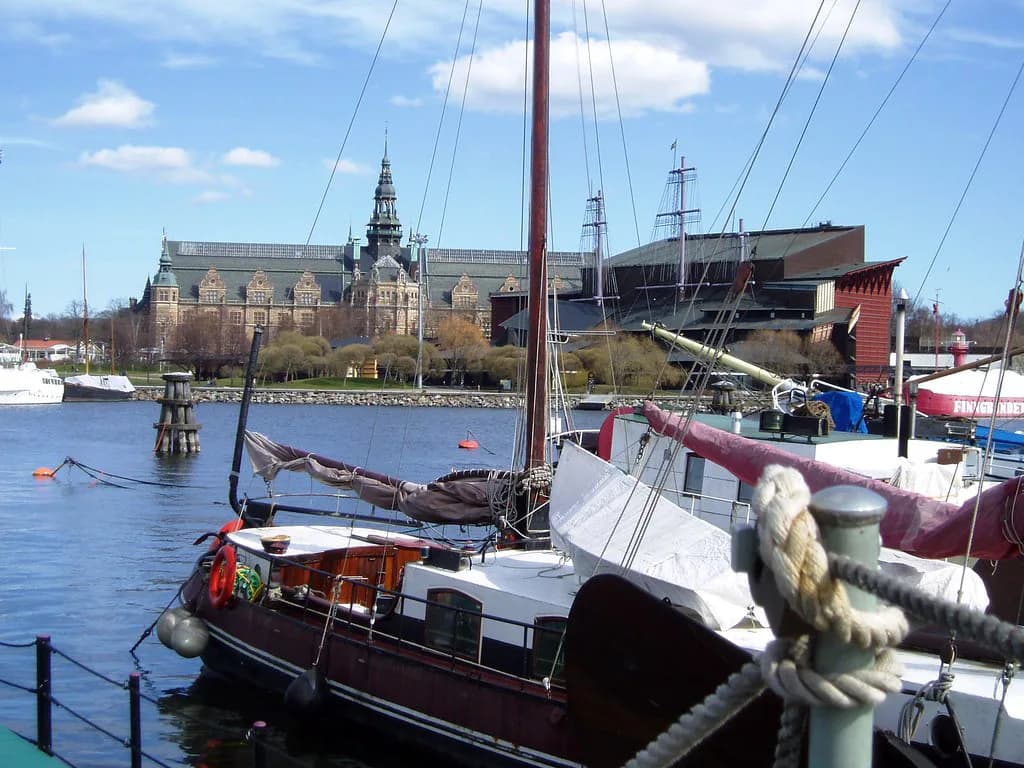
For museums, the shoulder and winter months work well because you are indoors anyway. Djurgården holds the Vasa Museum, which is outstanding, plus Rosendahls Trädgård and the Ecopark, and Skansen's open-air museum sits in a lovely setting on the same island. In summer you can pair a museum morning with an afternoon outside; in winter, treat the museum as the main event and the walk as the bonus.
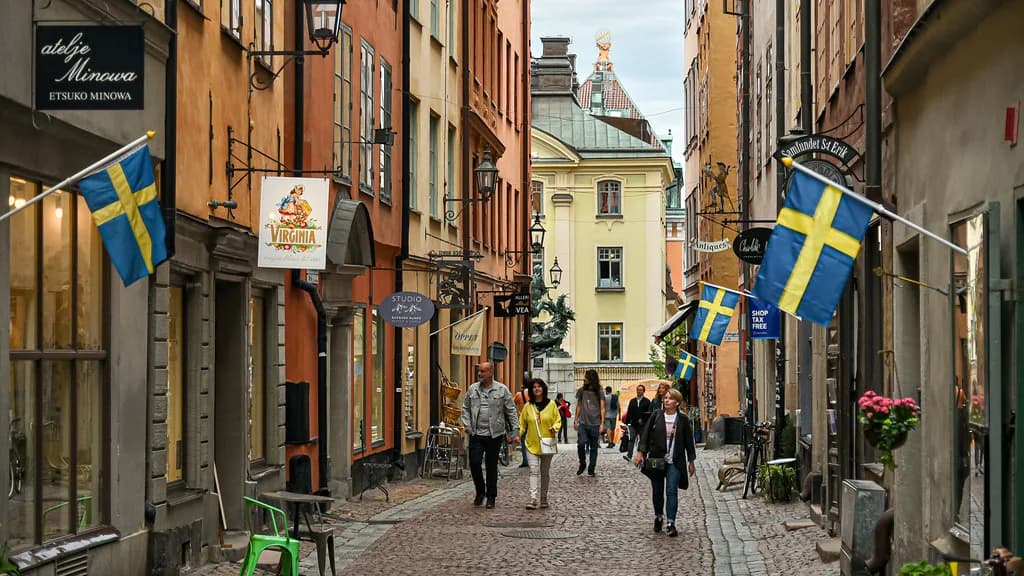
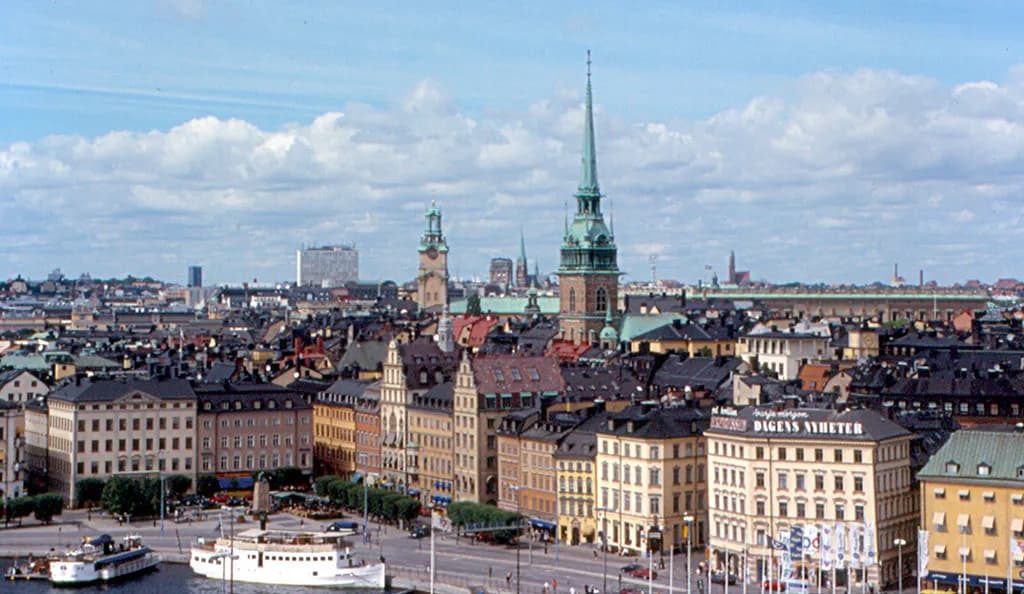
For walking, spring and early autumn give the best balance of dry weather and comfortable temperatures. Gamla Stan's small alleys and Söder's streets reward a slow wander, and Monteliusvägen offers views of Lake Mälaren from a quarter-mile path. In high summer, start early to avoid the warmest part of the day, and keep the middle hours for shade or a ferry.
For ferries and island hopping, summer is the season. Any of the thousands of islands is a boat journey away, and the long days mean you can go out and back without losing the evening. Outside summer, the water is still there but the appeal of spending hours on it drops sharply, so shift your plans towards the city's streets and indoor sights.
What the seasons mean for a one to four day city break
On a short break, the season decides how much you can pack in rather than which sights are worth seeing. A summer visit supports a full day on Djurgården, an evening in Gamla Stan and a boat trip without feeling rushed, because the light lasts. A winter visit supports the same sights but at half the pace, with an early dusk forcing you back indoors.
If your dates fall in April, May, June, July, August, September or October, the month-specific guides will tell you what to expect in more detail, and Stockholm in May covers the point where spring starts to feel like summer. The wider Stockholm attractions hub is the place to match a season to specific sights.
Which month should you book?
Book late May to early September if long days, boat trips and outdoor life are the point of the trip, and accept that July will be quieter than August. Book March to May or September to early November if dry weather, fewer people and comfortable walking matter more than swimming and sailing. Book December if you want Christmas lights and markets and can live with short days and temperatures around -3°C.
Explore more Stockholm guides
Frequently Asked Questions
How many days do you need in Stockholm?
Two full days cover Gamla Stan, Djurgården and a walk through Södermalm with a viewpoint, while three or four days add a boat trip and a slower look at the museums. In summer the long daylight lets you fit more into each day, so a three-day trip feels generous. In winter, plan fewer activities per day because darkness arrives early.
Which is the best month to visit Stockholm?
July has the warmest typical maximum at 22°C and the most daylight, but many locals leave for summer cottages, so the city is quieter than you might expect. June and August are close behind on temperature and keep more of the local life in town. If dry weather is your priority, March and April are the driest months on the climate chart.
Sources
Notes for your next Swedish city break
Optional updates to our Sweden guides.
You might also like
Continue reading
More guides you'll find useful