3 Days in Stockholm: A Day-by-Day Itinerary for First-Timers
Plan three days in Stockholm with a day-by-day route through Gamla Stan, Djurgården and Södermalm, plus the museums, ferries and fika stops worth your time.
On this page
Three days in Stockholm is enough to see the old city, spend a full day on Djurgården and walk Södermalm without rushing, provided you group each day by area instead of criss-crossing the water. This itinerary gives you a day-by-day route with the museums, ferries, viewpoints and fika stops that fit naturally into each one.
The shape is simple: Gamla Stan and the islands on day one, Djurgården on day two, Södermalm on day three, with the evenings kept low-key and close to wherever you finish. A Stockholm city break of this length rewards a slower pace in one district over a tick-box dash between them.
How three days in Stockholm breaks down
Stockholm spreads across islands, and the seven central districts each have a distinct character, from Södermalm's laidback feel to Djurgården's green surroundings and the busier big-city life on Norrmalm. That layout is why a day per area beats a list of sights: you cross water once, in one direction, and spend the rest of the day on foot.
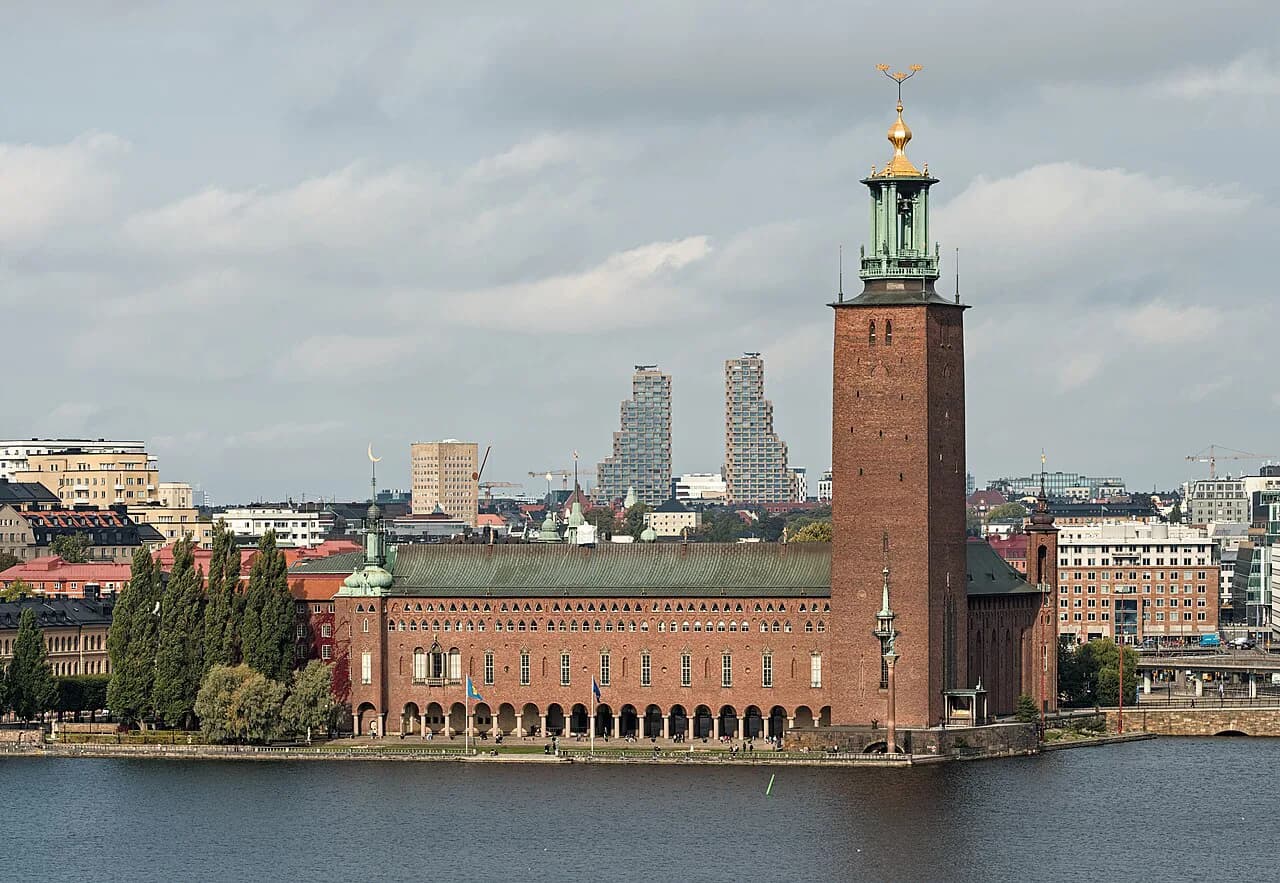
Day one covers Gamla Stan, Riddarholmen and Skeppsholmen on foot. Day two takes the ferry to Djurgården for one museum plus the parkland. Day three is Södermalm, from the waterfront up to the viewpoints, ending on the island rather than backtracking into the centre.
If you only have one day, cut Djurgården to a single museum and skip the parkland walk; the One Day in Stockholm plan shows how to compress the same areas.
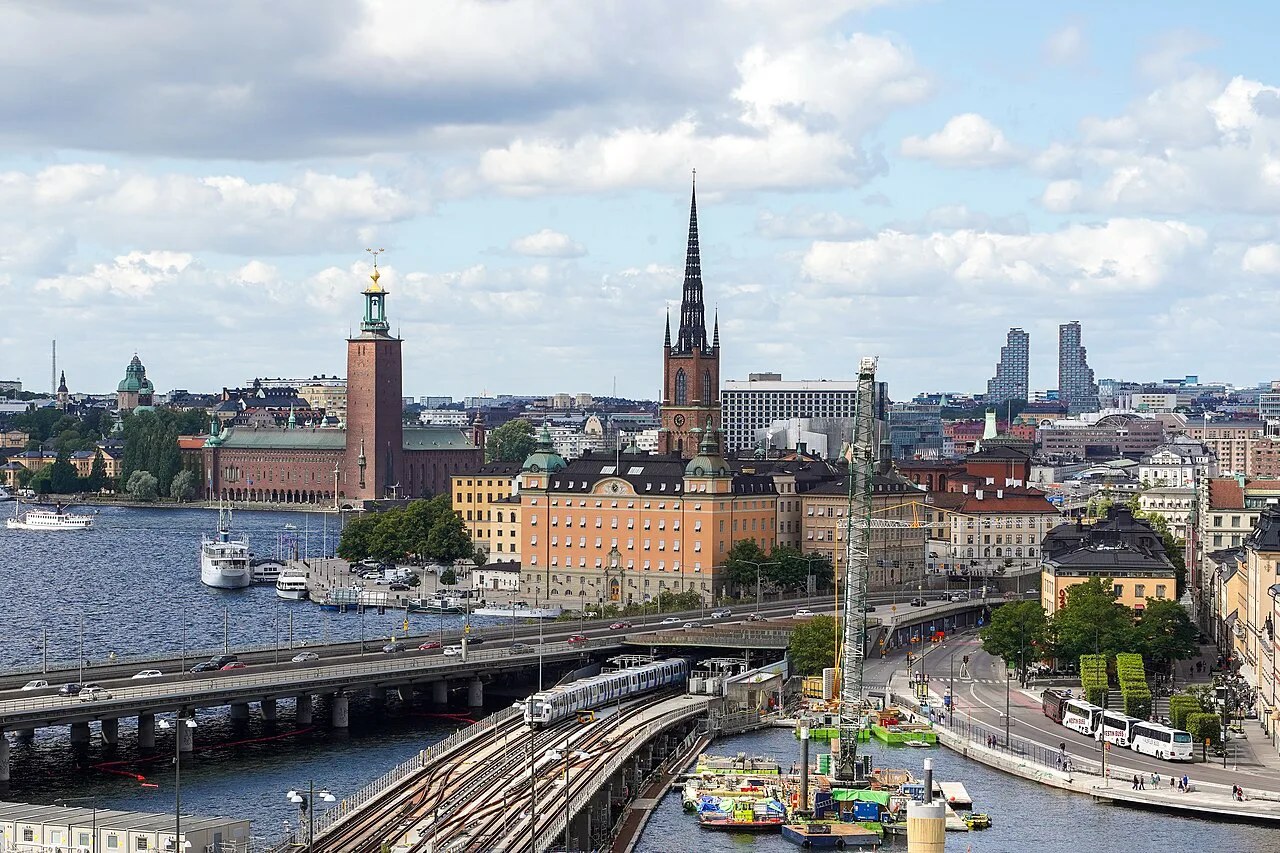
Day 1 morning: Gamla Stan on foot
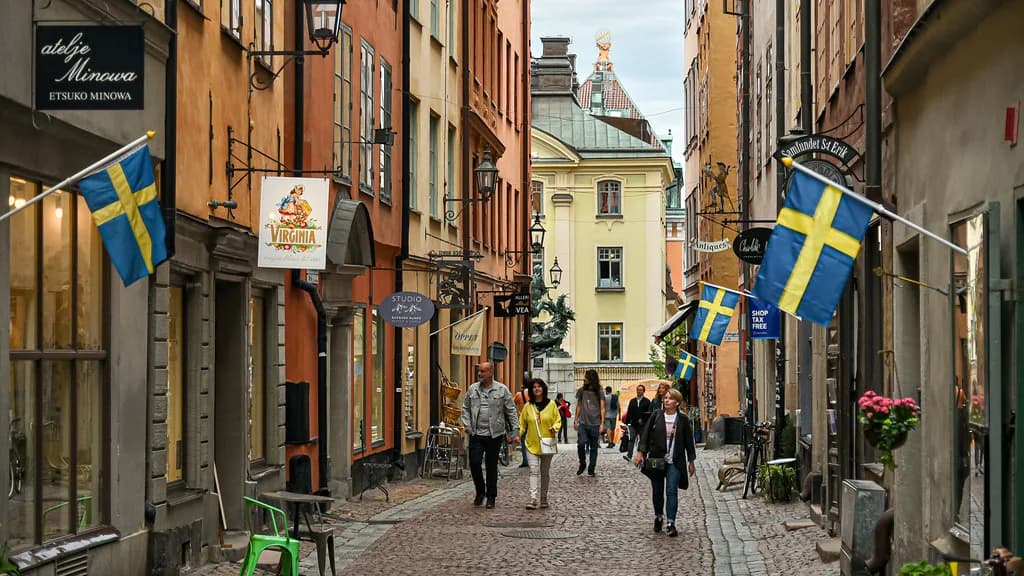
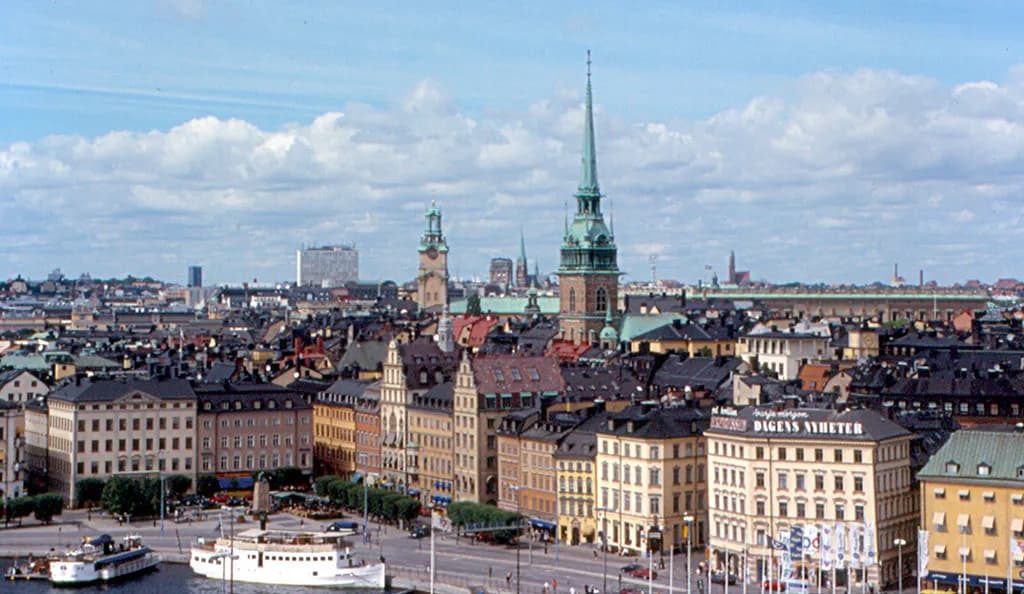
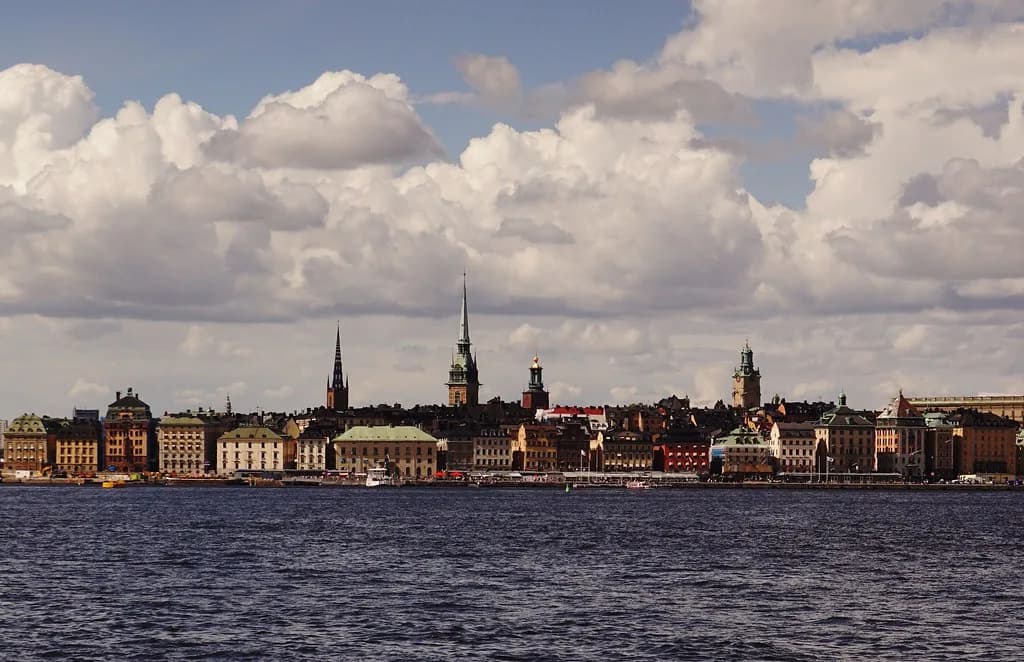
Start in Gamla Stan, the old town, and walk rather than plan stops: the pleasure is the lanes between the Royal Palace area, Stortorget and the narrow streets that run off it. Stortorget is the square most photographs of Stockholm are taken from, and it makes a natural orientation point before you wander.
Keep the morning unstructured. The palace area, the square and the surrounding lanes fill two to three hours at an easy pace, and cobbles make this slower walking than the wide streets of Norrmalm.
Sweden is largely cashless, so a card or phone covers coffee and entry tickets; carry a little cash only as backup rather than planning around it.
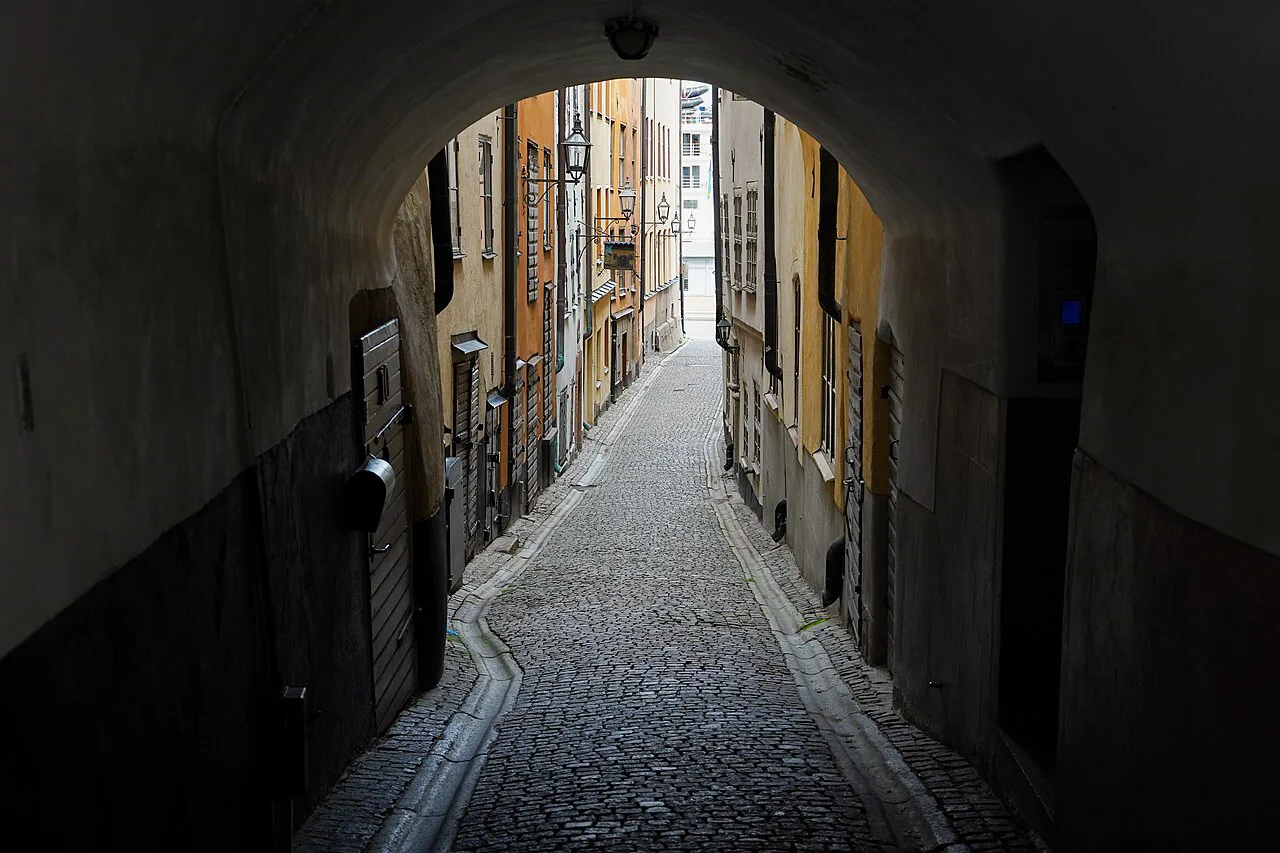
Day 1 afternoon: Riddarholmen and Skeppsholmen
From Gamla Stan, walk west to Riddarholmen for the waterfront view back across the water, then cross to Skeppsholmen. Doing the two in this order means one continuous loop instead of returning through the old town, and Skeppsholmen holds Moderna Museet, one of northern Europe's largest collections of modern and contemporary art, with sculptures and installations in the grounds.
If modern art is not your thing, Skeppsholmen still earns the walk for the water views and quiet, and you can cut straight back to the old town.
Day 1 evening: low-key in Gamla Stan or by the water
End day one where you started, in Gamla Stan, or along the water on the edge of the old town. After a walking day the appeal is proximity: somewhere within ten minutes of your last sight rather than a journey across the city.
Keep the evening short and use it to plan day two, because Djurgården rewards an early start and one clear museum decision.
Day 2: Djurgården by ferry and on foot
Take the ferry to Djurgården rather than the bus: the crossing is short and puts you at the island's edge, ready to walk. Group the museums at the start of the day and leave the parkland for the afternoon so you never cross the island twice.
Djurgården is technically part of central Stockholm but holds enough attractions and museums to justify a day of its own. Pick your museum before you board the ferry; deciding on the island wastes the morning.
Which Djurgården museum to pick when you have one slot
With one museum slot, the choice comes down to what you want from the day. Vasa is the obvious first-timer pick; ABBA The Museum suits music fans; Liljevalchs Konsthall, which opened in 1917 and added the Liljevalchs+ annex in 2021, is the gallery choice, with its annual Spring salon as the highlight.
Prince Eugen's Waldemarsudde is the former home of the art-loving prince, gifted to the Swedish government in his will and opened as a museum in 1948, while The Thiel Gallery is a former private residence whose Edvard Munch collection is among the world's largest. Both are further into the parkland and take longer to reach, so they suit a slower day rather than a tick-box one.
Check ticket prices and opening hours for your chosen museum on its own site before you travel, as they change by season and exhibition.
Day 2 afternoon: parkland and a fika stop
After the museum, walk through Djurgården's parkland rather than heading straight back to the ferry. The island's green surroundings are the reason it feels like an escape from the city, and the paths let you loop back towards the water without retracing your route.
Fit in a fika stop: coffee and something sweet is a short cultural custom rather than a meal, and it breaks the afternoon nicely. Cinnamon buns and princess cake are the classic choices, and the official city guide covers where fika fits in Stockholm.
Take the ferry back in the late afternoon so the evening stays free, or stay on the island for an early dinner if the weather keeps you out longer.
Day 3 morning: Södermalm and the viewpoints
Start on Södermalm's waterfront at Fotografiska, the photography centre that opened in Stockholm in 2010 and has since expanded with satellites in Tallinn, Shanghai and Berlin. From there, walk uphill through the neighbourhood streets towards the viewpoints rather than taking transport, as the climb is short and the streets are the point.
Treat Södermalm as a walking morning with viewpoints, not a shopping afternoon. The reward is looking back across the water at Gamla Stan and the islands you covered on days one and two.
Day 3 afternoon: Kulturhuset, metro art or Moderna Museet
For the afternoon, pick one indoor stop. Kulturhuset Stadsteatern is one of Stockholm's most important cultural hubs, with several smaller exhibition halls alongside its libraries, cinema and theatre.
Alternatively, look at the art in the metro, which the city guide lists as a sight in its own right, or return to Skeppsholmen for Moderna Museet if you skipped it on day one.
Nationalmuseum, with its collection of 670,000 objects spanning paintings, sculpture, furniture, pottery and design, is the other strong option if Swedish art and design appeals. Its opening hours and holiday exceptions are published on its own page, so check the day you plan to visit rather than assuming a standard timetable.
Day 3 evening: ending on Södermalm
Finish on Södermalm rather than heading back into the centre, so the day ends where your last sight left you. The neighbourhood's laidback character makes it a natural place to slow down after three walking days.
If you are weighing Stockholm against another Scandi city for a future break, the same three-day shape applies elsewhere, and the Gothenburg itinerary and Malmö itinerary give useful comparisons on the west and south coasts.
How much three days in Stockholm costs
Museum tickets are the main variable cost, and prices differ by museum and exhibition, so budget from the ticket pages of the one or two museums you actually plan to visit. Entry to many sights, including Gamla Stan's lanes, Stortorget and the waterfront walks, costs nothing beyond the transport you already need.
Check what is on at Nationalmuseum before you go, as temporary exhibitions can change the ticket you need.
Is Stockholm expensive compared with other European cities?
Stockholm has a reputation for high prices, and museum entries and sit-down meals are where a short break adds up fastest. The counterweight is that much of the appeal is outdoors and unscheduled: the old town's lanes, the waterfront and the parkland are there to walk without a ticket.
If the budget is tight, concentrate on free sights and one paid museum rather than three, and use the ferries as transport you were taking anyway.
When to go: summer days versus the rest of the year
Summer gives long daylight and the fullest choice of ferries, museum hours and outdoor time on Djurgården and Skeppsholmen. Outside summer, expect shorter days and check individual museum opening pages, because hours and holiday exceptions vary by venue and season.
Check what is on during your dates before you travel, since programmes change through the year and seasonal openings vary.
How many days you actually need, and what to cut with two
Three days covers the old city, Djurgården and Södermalm at a comfortable pace. With two days, cut the Södermalm walking morning and fold its viewpoints into day one's waterfront route, keeping Djurgården intact as the full second day.
With one day, follow a compressed shape: Gamla Stan in the morning and a single Djurgården museum in the afternoon, skipping parkland and Södermalm. The One Day in Stockholm plan sets out the same areas in a single day.
Fika as a short Stockholm custom, and where it fits
Fika is a coffee break with something sweet, taken properly rather than on the move, and it fits naturally into the mid-afternoon of each day. Slot it into day two on Djurgården and day three on Södermalm, when a sit-down pause breaks up the walking.
If you are travelling with children, shorter walking stretches and frequent fika stops make the same three-day shape workable, and the Stockholm with Kids guide has the practical detail for families.
Which day would you cut first?
With three days, keep the plan as it stands: Gamla Stan and the islands, Djurgården, then Södermalm. If you have to trim, cut Södermalm first and keep Djurgården whole, because the island takes the longest to reach and rewards a full day.
Before you book, check the ticket pages for the one museum you have chosen, confirm its opening day, and decide on flights to Stockholm if you have not already.
If you are still deciding whether the city justifies a trip, the honest answer for a city break is worth reading before you commit to three days.
Explore more Stockholm guides
- Flights to Stockholm from the UK
- How many days do you need in Stockholm?
- Is Stockholm Expensive? Real Costs in SEK for a City Break
- Is Stockholm Worth Visiting? What a Short City Break Really Gives You
- One Day in Stockholm
- Stockholm City Break
- Stockholm vs Copenhagen
- Stockholm on a Budget
- Stockholm with Kids
Frequently Asked Questions
Do you need cash in Stockholm?
Sweden is largely cashless, so a bank card or phone payment covers almost everything a short break involves, including museum tickets and café stops. Carry a small amount of cash as backup, but do not plan your budget around it.
Can you see Stockholm in three days without a car?
Yes. Every day in this plan runs on foot plus one ferry crossing to Djurgården, and the central districts are compact enough to walk between the old town and the water. Save car hire for trips beyond the city.
What should you skip on a first visit?
Skip crossing the city twice in one day, which is the main time-waster in Stockholm. Also skip adding a second and third Djurgården museum to day two, because the island's spread means each extra stop costs a walk.
Sources
Notes for your next Swedish city break
Optional updates to our Sweden guides.
You might also like
Continue reading
More guides you'll find useful