
Vasa Museum: Visiting Stockholm's 1628 Warship

The Vasa Museum is worth half a day, not a quick photo stop: the 1628 warship fills a purpose-built hall and the surrounding exhibitions, guided tours and films reward two to three hours. The ship sank on her maiden voyage on 10 August 1628 and stayed under Stockholm's water for 333 years before being raised in 1961, and she is now the centrepiece of a museum on Djurgården. This guide covers what you are looking at, how to get there, what the ticket covers and how to fit the visit around the rest of your Stockholm days.
What the Vasa Museum actually is
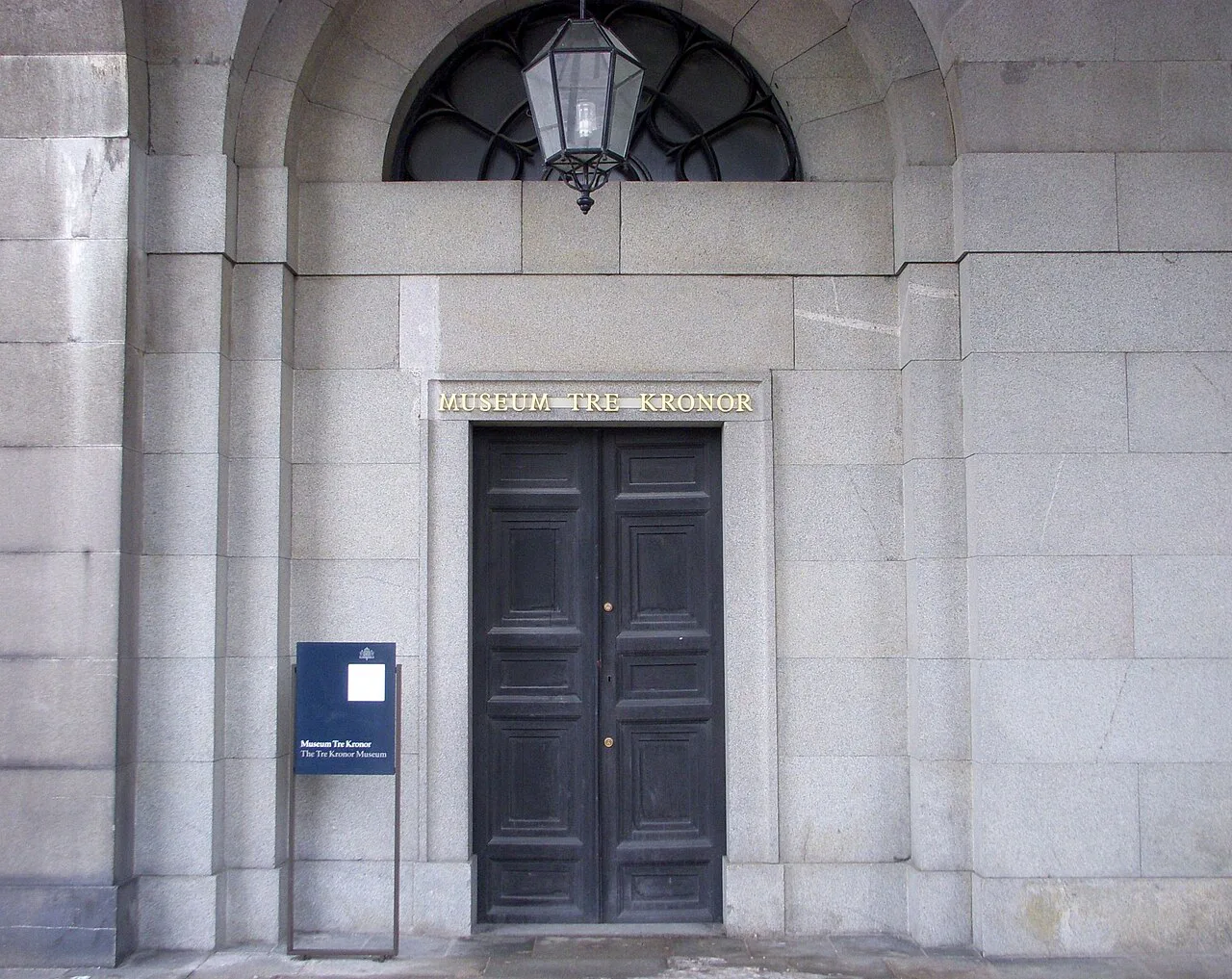
Vasa was a warship ordered by King Gustav II Adolf and built in Stockholm from 1626 by around 400 workers. She carried three masts and 64 guns and was meant to be a showpiece of the Swedish navy. On 10 August 1628 she left her mooring below Tre Kronor Castle, took a gust, heeled over and sank in the harbour with roughly 150 people aboard.
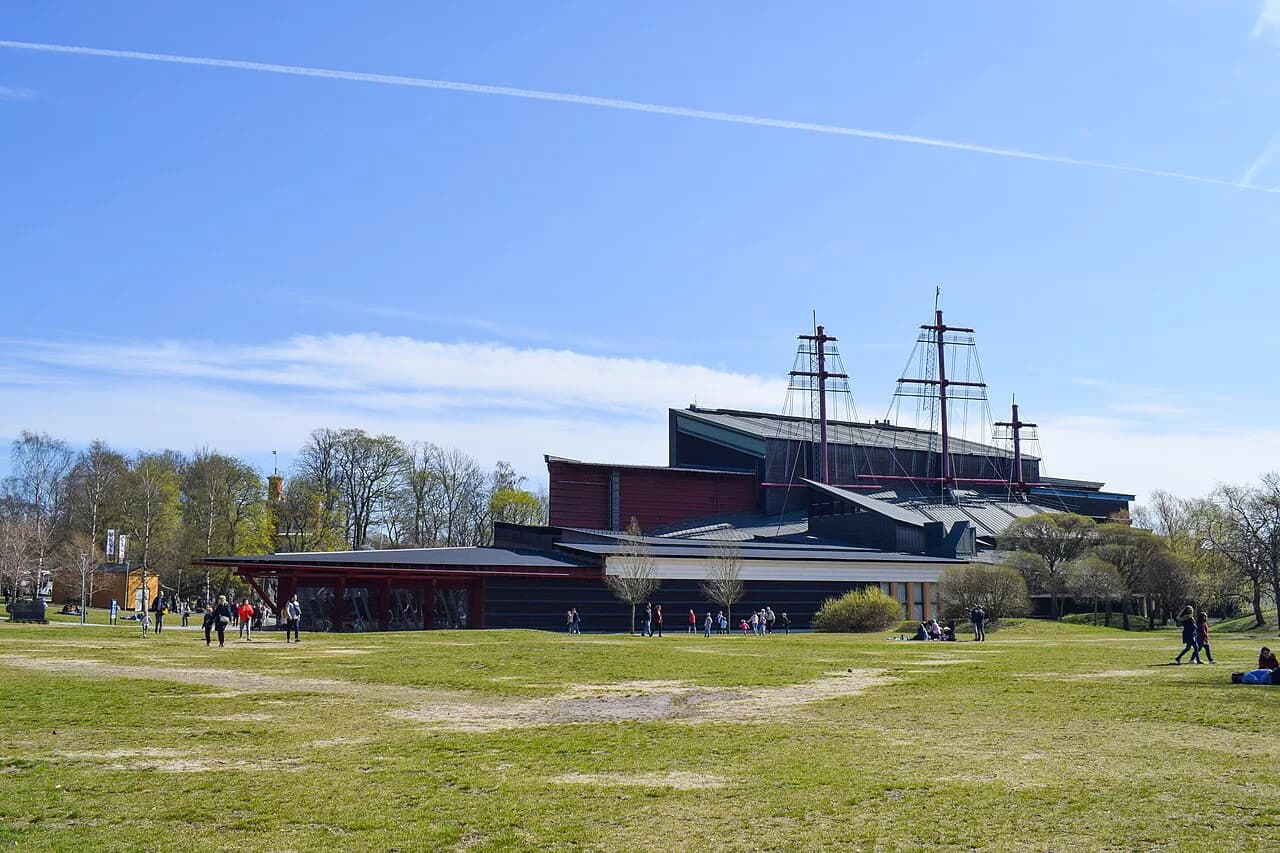
The wreck was located in the Stockholm archipelago in the 1950s and raised on 24 April 1961 along with more than 14,000 loose wooden pieces. Conservators treated the ship and its parts one by one and refitted them, which is why the hull on display is 98 per cent original material. The museum building was purpose-built around the ship, so the vessel is the room rather than an exhibit in a case.
Hundreds of carved wooden figures decorate the ship, and several exhibitions around the hall explain the short life of the vessel, the people on board and the long conservation work that continues today. Guided tours in English run several times a day and are included in admission, as are audio guides in multiple languages. There is also a shop and a restaurant on site, useful if you want to break up a longer Djurgården day.

Why Vasa sank
In plain terms, Vasa was top-heavy. Heavy guns were placed on two decks, and in the 1620s there were no theoretical models for calculating a ship's stability, so builders worked from experience and trial. When a gust pushed her over, the upper part of the hull was too heavy for her to right herself, water poured through the open gun ports and she went down within minutes of setting sail.
That engineering failure is the story the museum tells well, and it is the reason the visit is more than a look at an old hull. If you are travelling with children or with someone who expects a quick maritime display, the sinking explanation and the film screenings give the hall a narrative spine.
Where the museum is and how to reach it
The address is Galärvarvsvägen 14 on Djurgården, the island east of central Stockholm. On foot from the city centre the walk takes about 20 minutes, or roughly 10 minutes by bike, which makes it an easy add-on to a day based around the harbour. Trams, buses and ferries all serve Djurgården; the local transport operator SL publishes the timetables and routes, so check those before you set out.
Driving is the weakest option. Djurgården has very little parking, and the larger car parks sit before the Djurgården bridge and along Strandvägen and Narvavägen. If you do drive, two accessible spaces are directly outside the museum's main entrance.
Many visitors combine the museum with the rest of Djurgården, and the walk back towards the centre passes close to the harbourfront museums. Nationalmuseum Stockholm at Södra Blasieholmshamnen sits across the water and makes a natural second stop if you are pacing a museum-heavy day.
Tickets, prices and opening hours
Adult admission is priced between 195 and 240 kronor depending on the time of year, and entry is free for visitors aged 18 and under. The ticket covers the ship, the exhibitions, the English guided tours, the audio guides and the films, so there is no reason to budget for add-ons inside. Prices change, so confirm the current figure when you book.
Opening hours vary through the year and are set by the museum rather than by any fixed tourist schedule. The official Vasa Museum site publishes the current hours, the restaurant's own hours and the ticket options, so use that page for the day you plan to visit rather than relying on a printed guide.
Visitors with disabilities pay the standard admission, companion tickets are free, and assistance dogs are welcome. Two accessible parking spaces sit directly outside the museum's main entrance.
How long to allow inside
Budget two to three hours if you want the ship, one or two exhibitions, a guided tour and a film. The guided English tours run several times a day and last long enough to give the sinking story real shape, while the audio guide lets you move at your own pace around the hall. Families often find the children's film and the children's audio guide a better use of time than reading every panel.
If you are short on time, go straight up to the ship, walk the viewing levels around the stern, then take one tour before leaving. The rest of Djurgården can absorb whatever time remains, and the museum's central hall is compact enough that you will not spend an hour lost in corridors.
Practical points inside the museum
The hall is kept at 18–20°C to protect the timber, so it can feel chilly on a warm summer day. Bring an extra jumper rather than planning to warm up outside halfway through. Large bags and wheeled luggage are not allowed inside; handbags and small backpacks carried with you throughout the visit are fine, but bags must not be left unattended.
Photography and filming are permitted for private use only, so leave the tripod and the commercial shoot at home. The museum also screens a film about Vasa and a children's film daily in several languages, which is a useful way to rest your feet without leaving the building.
Nearby on Djurgården and beyond
Djurgården holds enough for a full day, and the walk back towards the city gives you options in every direction. Moderna Museet Stockholm, on Skeppsholmen, is a short hop across the water for modern and contemporary art, and it pairs well with a morning at Vasa.
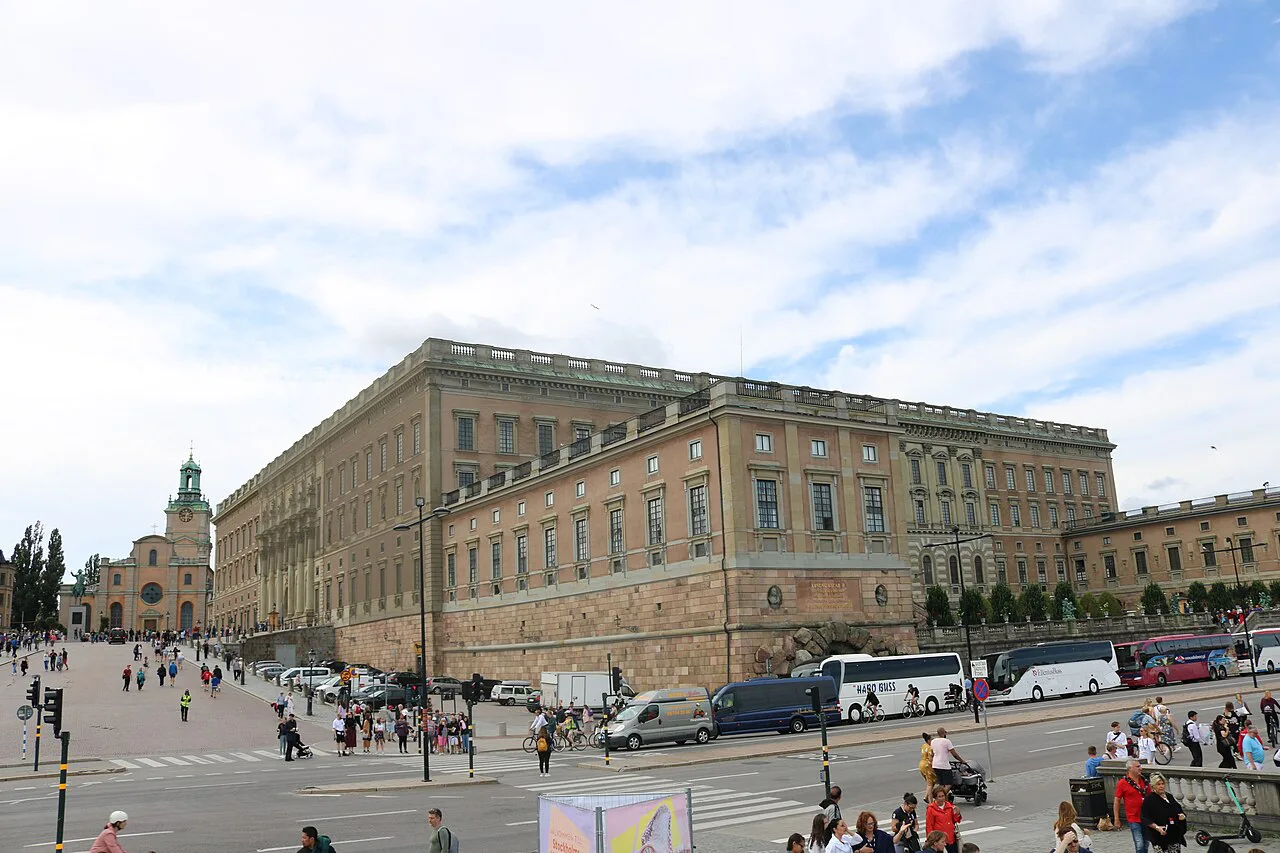
If you prefer historic interiors, cross to Gamla Stan and look at Riddarholmen Church, the burial church of Swedish monarchs, or the Stockholm Palace nearby. Both are in the old town and work as a half-day contrast to the maritime museum.
For a lighter pop-culture stop, ABBA The Museum is also on Djurgården and is easy to combine with Vasa if you plan the two in one afternoon. Our Stockholm Attractions: 29 Visitor Guides page lists the rest of the city's sights if you want to build a full itinerary.

Is the Vasa Museum worth the time?
Yes, if you give it two to three hours and treat it as the anchor of a Djurgården day rather than a quick stop. The ship is the reason to come, and the guided tours, films and exhibitions turn a remarkable object into a story about ambition, failure and conservation. For the rest of your city plan, the Stockholm Attractions: 29 Visitor Guides collection covers what to pair with it.
Explore more Stockholm guides
Frequently Asked Questions
How long does the Vasa Museum take?
Allow two to three hours for the ship, one or two exhibitions, an English guided tour and a film. If you are short on time, go to the ship first and take one tour before leaving.
When did the Vasa sink?
Vasa sank on 10 August 1628, on her maiden voyage, after a gust pushed her over and water poured through the open gun ports. She lay on the seabed for 333 years before being raised in 1961.
Is the Vasa Museum free for children?
Entry is free for visitors aged 18 and under. Adults pay a seasonal rate, and companion tickets for visitors with disabilities are free.