
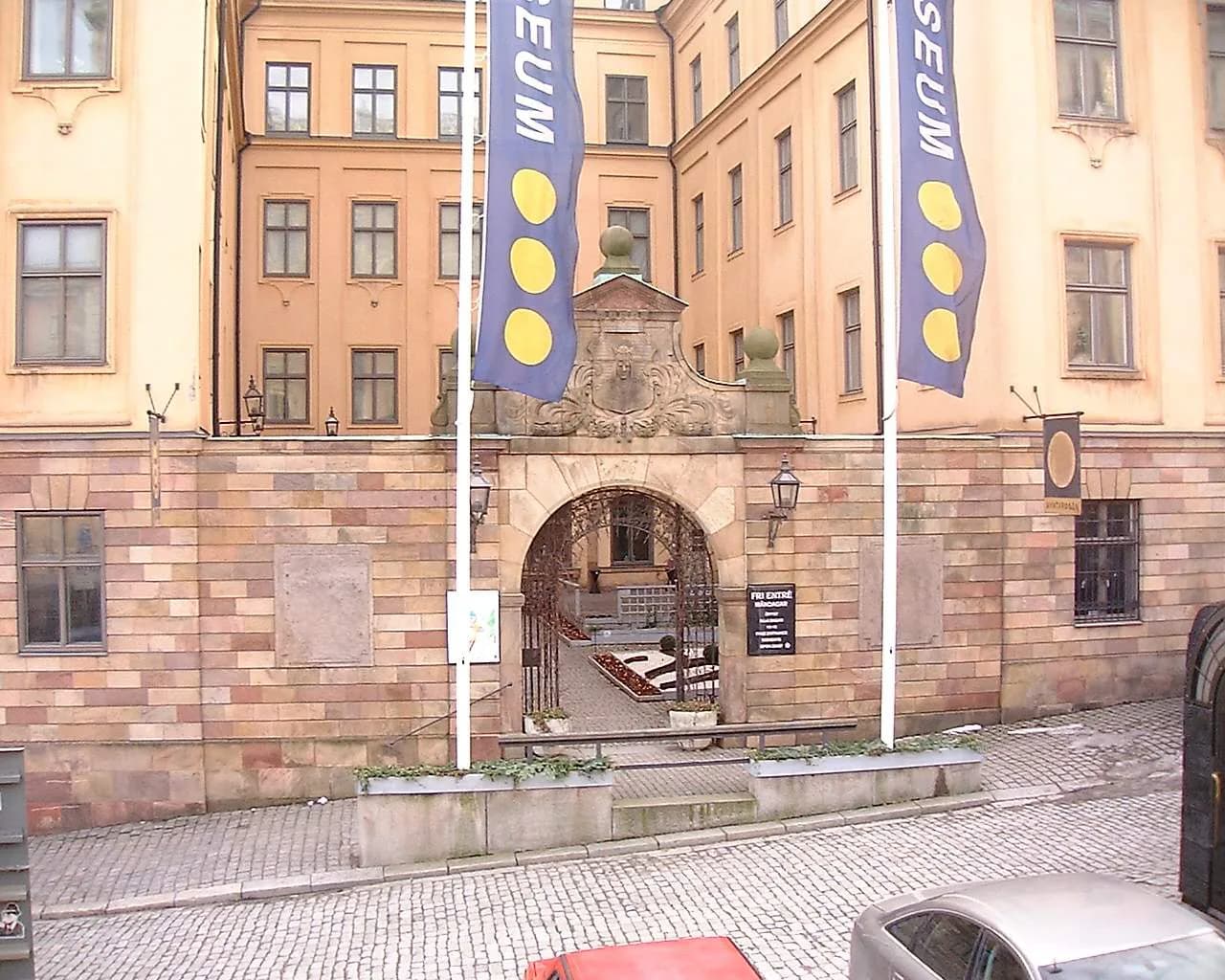
Royal Coin Cabinet Stockholm: What to See at the Economy Museum

The Royal Coin Cabinet is the Economy Museum, and it sits on Narvavägen in Stockholm's Östermalm, sharing a building and an entrance ticket with the Swedish History Museum. That single ticket is the main practical reason to plan both collections in one visit rather than treating this as a quick add-on.
This page covers the name change, the transport stops at the door, what the MONEY! exhibition holds, the family-friendly Economy Lab and the museum's own suggestions for a 30-minute, one-hour or full-day visit. It also sets out the café, the shop and what a ticket does and does not include.
Royal Coin Cabinet or Economy Museum: what the name means
Search for the Royal Coin Cabinet and you will land on a museum that now calls itself the Economy Museum, still often credited in full as Economy Museum – Royal Coin Cabinet. It belongs to National Historical Museums, the agency that also runs the Swedish History Museum, the Royal Armoury, Hallwyl Museum, Skoklosters Castle, Tumba Papermill Museum and the Swedish Holocaust Museum. Knowing the parent body matters because a ticket or membership arrangement is tied to that group, not to a loose network of separate attractions.
The visiting address is Narvavägen 17 in the 114 84 Stockholm district of Östermalm, a short walk from Djurgårdsbron and the metro at Karlaplan or Östermalmstorg. The building is shared with the Swedish History Museum, so the two collections are literally under one roof rather than a short walk apart.

How to reach Narvavägen by metro, bus or tram
Bus 67 stops at Historiska museet on Narvavägen next to the museum, which makes it the most direct option if you are coming from central Stockholm. Bus 69 and 76 and tram 7 all stop at Djurgårdsbron, a short walk away, and the metro brings you to Karlaplan or Östermalmstorg with a similar walk from either station. Pick the metro if you are coming from the central stations, and the tram or bus 67 if you are already on the Djurgården side.
Östermalm itself is a grid of wide streets and late nineteenth-century apartment blocks, so the walk from either metro station is straightforward and mostly flat. If you are combining this with a Djurgården day, approach from Djurgårdsbron and you arrive at the museum before you reach the island's bigger attractions.
Opening hours and the weekly closing day
The museum closes on Mondays and opens Tuesday to Sunday, with a late evening on Wednesdays and standard daytime hours on the other open days. The published timetable for the week of 19 October 2026 shows Monday closed, Tuesday, Thursday, Friday, Saturday and Sunday open 11:00-17:00, and Wednesday open 11:00-20:00. Treat that pattern as a guide to the shape of the week rather than a fixed rule, since the museum publishes its timetable week by week.
Because opening hours are published week by week, build the museum into your plan around a Tuesday-to-Sunday slot and confirm the specific day on the museum's own visit page before you travel. A Wednesday evening is the obvious choice if you want the MONEY! exhibition with time left for the Swedish History Museum afterwards.
What one ticket covers
Your ticket gives access to both the Economy Museum and the Swedish History Museum, which share a building on Narvavägen, so you are paying once for two collections. Plan the order deliberately: start with MONEY! if coins and economic history are your reason for coming, then move into the history collections while the ticket is still valid.
The ticket does not extend to the other National Historical Museums sites, so the Royal Armoury, Hallwyl Museum and Skoklosters Castle are separate visits. Adult admission and any advance booking are set by the museum, so check the admission and tickets page on the museum's own site for the current figure before you commit a budget.
Children and young people aged 0-18 get in free, which changes the arithmetic for a family: two adults pay, children do not. If you are travelling with teenagers, that makes the Economy Lab and the history collections a low-risk way to fill a wet morning.
Inside MONEY!: Viking silver, coins and banknotes
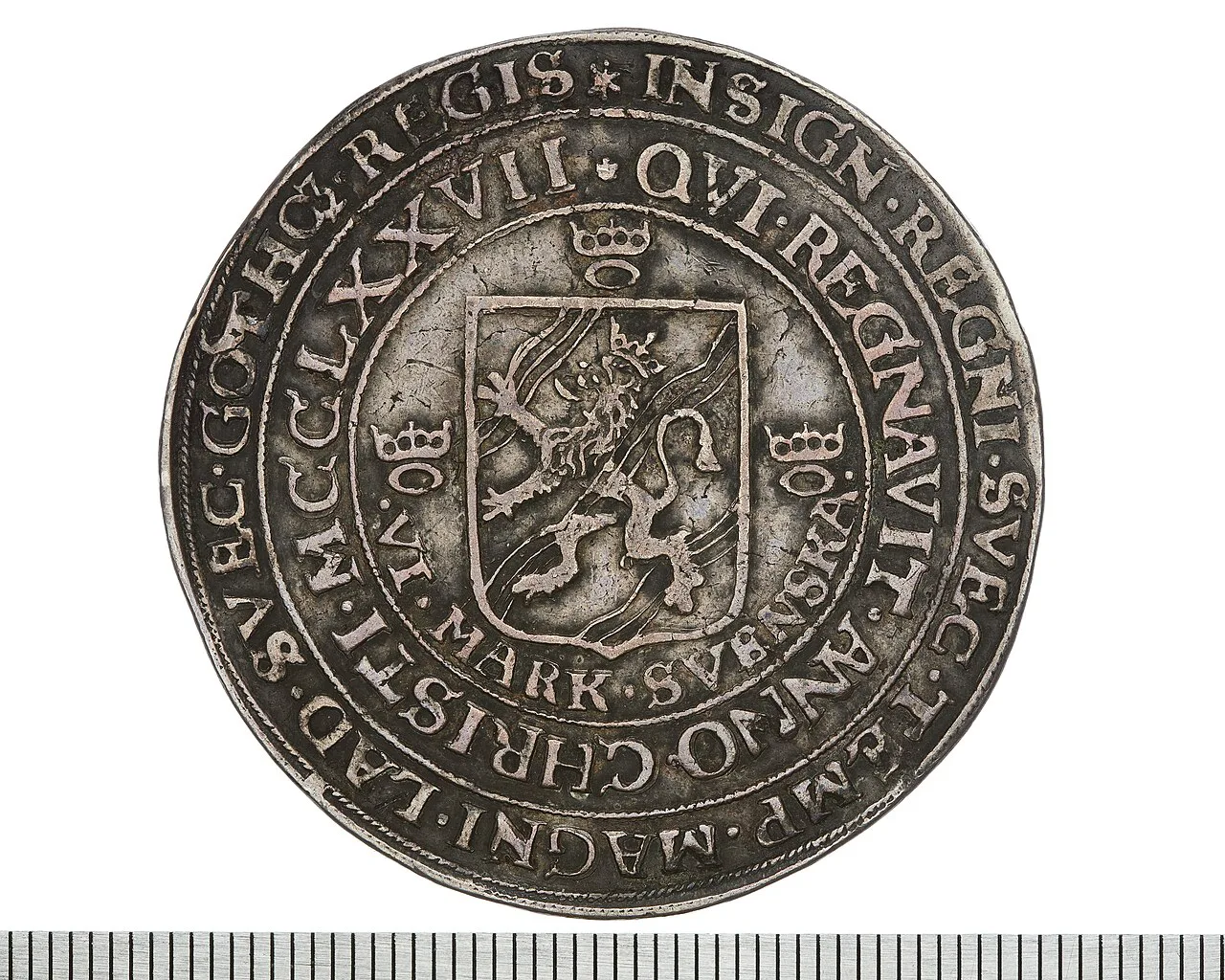
The main exhibition, MONEY!, traces how money and economics changed Swedish society and people's everyday lives. It holds Viking Age silver treasures alongside coins and banknotes, so the collection runs from early hoards to modern notes rather than treating currency as a single period. An audio guide for MONEY! adds depth if you want the stories behind individual objects.
The museum's own suggested way to use a short stop is to take a quick overview of MONEY! and try a few of the interactive stations rather than attempting every display case. Skip the audio guide if you are short of time and save it for a longer return visit instead.
The Economy Lab for families
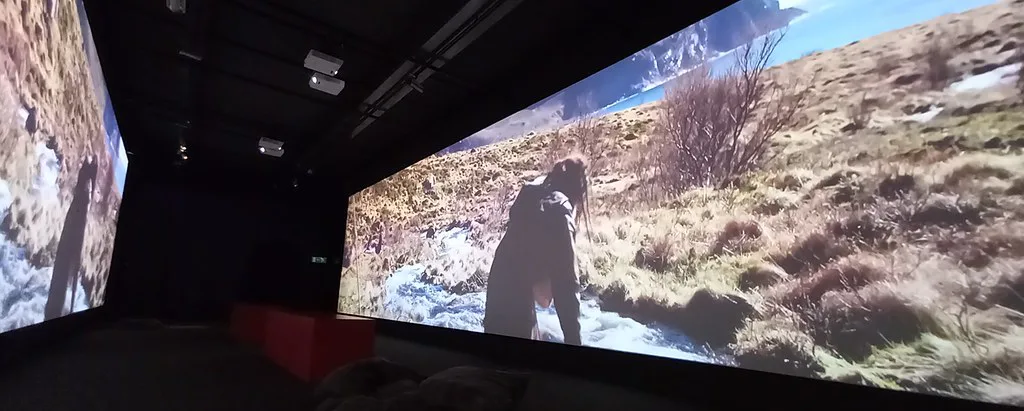
The Economy Lab is the museum's second exhibition, built around dilemmas and interactive stations for exploring how the economy works today. It suits parents and children working through questions together rather than reading labels in silence, and stations such as an enlarged coin and a weight-balance challenge give younger visitors something to handle. A board game called The Money Matrix lets players uncover agents hidden across different historical periods.
There is also a shared workshop with the Swedish History Museum, and the entrance desk holds the current craft offerings and their opening hours. Ask there on arrival rather than building your day around a specific activity that may not be running.
How long to allow: 30 minutes, an hour or a full day
The museum sets out three time budgets. Thirty minutes covers a quick overview of MONEY! and a few interactive stations, finishing with a takeaway coffee; an hour adds the Economy Lab; a full day takes in both exhibitions, the audio guide, a break at Restaurant Rosengården and a look at the Swedish History Museum on the same ticket.
For a one to four-day city break, an hour is the honest minimum, because 30 minutes leaves no room for the history collections you have already paid for. If you only have half an hour, come for MONEY! alone and accept you will not do the ticket justice.
Restaurant Rosengården and the museum shop
Restaurant Rosengården serves lunch, coffee and wine and is described by the museum as a meeting place, so it works for a sit-down break between the two collections. It is also where the museum suggests finishing a short visit with a takeaway coffee.
The museum shop carries literature, piggy banks, board games and locally produced souvenirs and sweets, along with books on economics and numismatics. Entry to the shop is free, which makes it an easy stop even if you are only passing through the building.
Accessibility, bags and buggies
The museum publishes practical information covering accessibility, bags and strollers before you visit. Read that page if you are bringing a pushchair or need step-free access, since the entrance arrangements are specific to the shared Narvavägen building rather than generic.
Nearby: Djurgårdsbron, Östermalm and the waterfront
Djurgårdsbron is a short walk from the museum door, and crossing it puts you on Djurgården with its parkland and museum cluster. Staying on the Östermalm side keeps you among the wide streets and apartment blocks around Narvavägen, Karlaplan and Östermalmstorg rather than in the island's crowds.
If you want a second art collection on the same trip, Nationalmuseum Stockholm sits on Södra Blasieholmshamnen, a manageable walk or short metro ride from Östermalm. Treat that as a separate morning, since it carries its own ticket and its own collection to work through.
For a change of register, the medieval Riddarholmen Church on its small island off Gamla Stan is a short metro ride away and pairs well with a half-day in the old town. It is not part of the Economy Museum ticket, so plan it as a distinct stop on your Stockholm itinerary, and the wider Stockholm Attractions: 29 Visitor Guides can help you sequence the rest.
Is the Economy Museum worth an hour of your trip?
Yes, if you have any interest in coins, Viking silver or how money shaped Swedish society, and especially because the ticket also opens the Swedish History Museum next door. It is a weaker choice if you only want a headline Stockholm attraction and have a single free afternoon.
Build it into a morning from Tuesday to Sunday, arrive at Narvavägen 17 by bus 67 or on foot from Karlaplan, and give it at least an hour before moving into the history collections. Check the week's timetable and the current adult admission on the museum's own site before you go.
Explore more Stockholm guides
Frequently Asked Questions
Is the Royal Coin Cabinet the same as the Economy Museum?
Yes. The museum now presents itself as the Economy Museum, often in full as Economy Museum – Royal Coin Cabinet, and it is part of National Historical Museums. The old name still brings visitors to the Narvavägen site, so you are looking for the same building either way.
Do I need to book tickets in advance?
Your admission covers both the Economy Museum and the Swedish History Museum, and private guided tours for groups are booked separately through the museum. Check the museum's admission and tickets page for current prices and any booking arrangement before you travel.
How long does a visit take?
The museum publishes three time budgets: 30 minutes for a quick pass through MONEY!, an hour to add the Economy Lab, and a full day including the audio guide, a break at Restaurant Rosengården and the Swedish History Museum on the same ticket.