Malmö in September: Weather, Daylight and What to Do
Malmö in September means cooler days, shorter evenings and a city back in its normal rhythm. See what the month is like and how to plan a short break.
On this page
September is a sensible month for a Malmö city break if you want the old town without peak-summer weight, but plan around shorter daylight and a real chance of rain. The city slips back into its normal rhythm, which suits a compact one- to two-day visit built around Gamla Staden, the parks and the western harbour. This guide sets out what the month feels like and which named sights fit a mild day or a wet one.
Expect a mix: bright, mild afternoons for walking Stortorget, Lilla Torg and Jakob Nilsgatan, and cooler, wetter spells that make an indoor museum or a market hall the better call. Keep one indoor pick in reserve and move the harbour walk to whichever afternoon looks brightest.
What September is like in Malmö: shorter days, cooler air and a normal city rhythm
September sits in the shoulder season, when Malmö is no longer in holiday mode but is still comfortably walkable. The old town is compact enough to cover on foot in a few hours, and the main sights cluster around the station, the canals and the pedestrian streets. That compactness matters: you can dodge a shower in a café and resume the same walk without losing the day.
The month also brings earlier evenings, so treat late afternoon as precious. A good rhythm is outdoor walking from mid-morning to mid-afternoon, an indoor stop when the light fades or rain sets in, and a short waterside stroll before dark. If you are weighing September against other months, the Best Time to Visit Malmö comparison sets out how the seasons differ.
Because September is a normal working month for residents, the city feels less like a tourist stage set and more like itself. That is the main gain: the same streets and squares with thinner crowds and a calmer pace. The trade-off is that you cannot rely on long, lazy evenings outdoors.
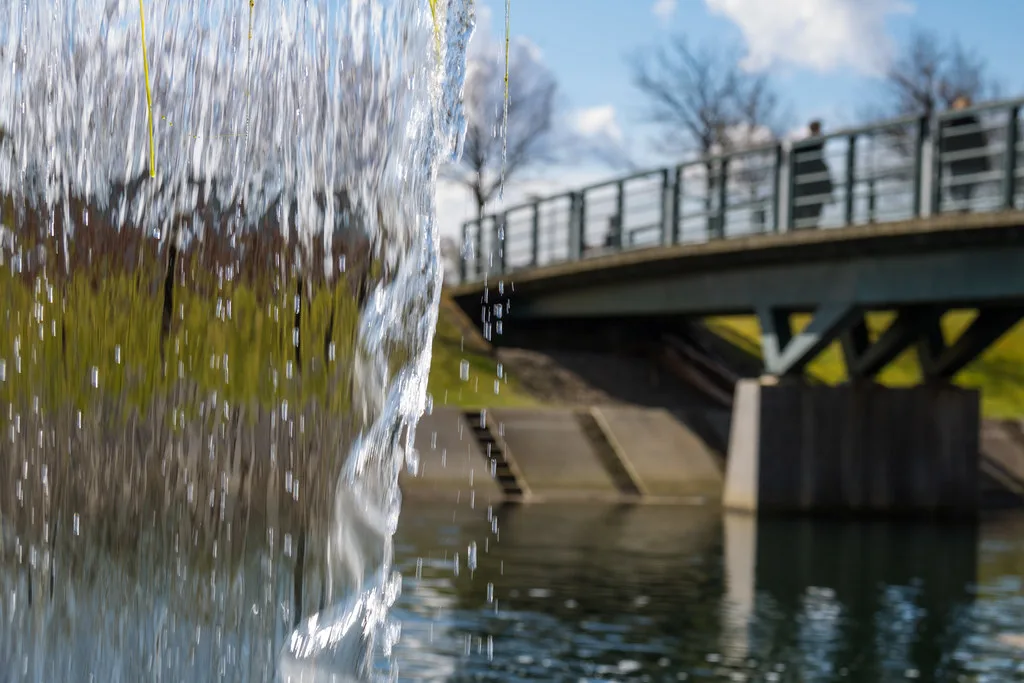
Typical September temperatures and rainfall, and how to dress
September in Malmö typically brings cool-to-mild conditions, with average temperatures spanning the higher single figures to the mid-teens Celsius and more rain than in high summer. Autumn in Malmö runs from September to November and can still be quite mild early in the month, with more variable weather as it goes on. Treat those as climate averages, not a forecast: they tell you to pack layers and a waterproof rather than to expect a fixed week.
Dressing for a mix means thinking in layers you can shed indoors. Museums and churches are comfortable places to pause when a shower passes, and a waterproof layer lets you keep walking the old town rather than retreating to your room. A September Malmö day often feels like a cool British autumn day with brighter intervals.
How much daylight you get in September and why it changes your plan
Daylight shortens noticeably across September, so the evenings arrive earlier than they did in July and August. That does not ruin a short break, but it does mean you should front-load the outdoor sights and save museums or the market hall for later in the day. A late-afternoon walk still works early in the month; by the end of September you will want to start it sooner.
The practical result is a simple rule: put the longest walk, the one out towards Västra Hamnen and the Turning Torso, in the middle of the day when the light is best. Keep the compact old-town loop for a morning or an early afternoon. That way a grey sky costs you less.
A September day in the old town: Stortorget, Lilla Torg and Jakob Nilsgatan on foot
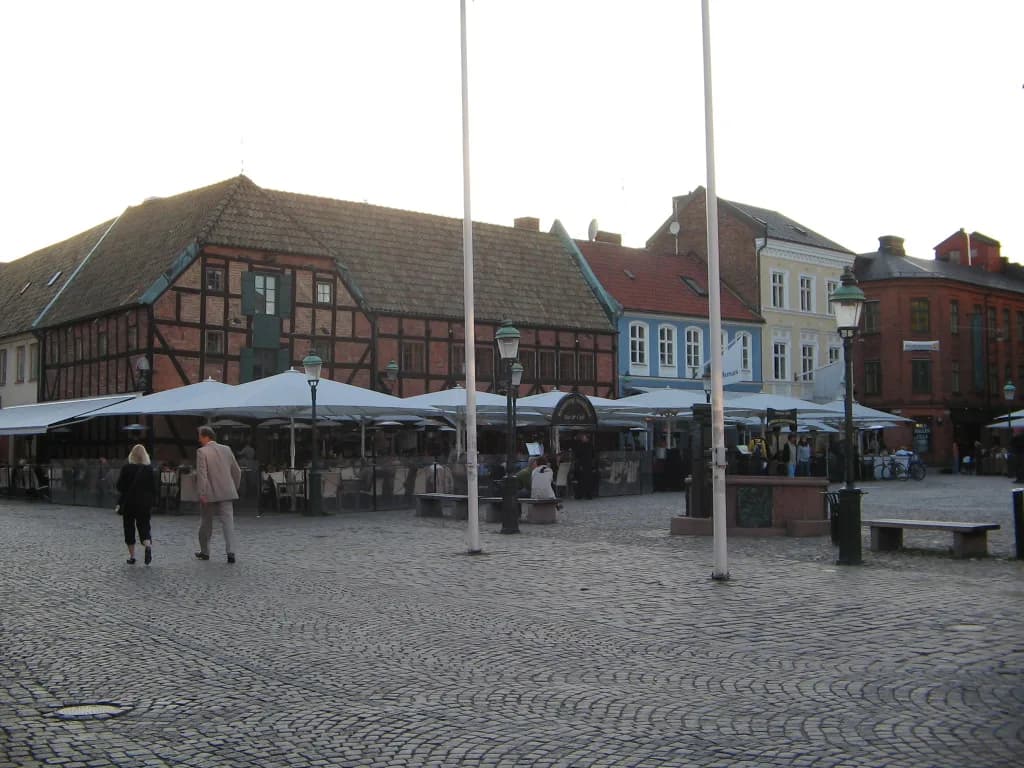
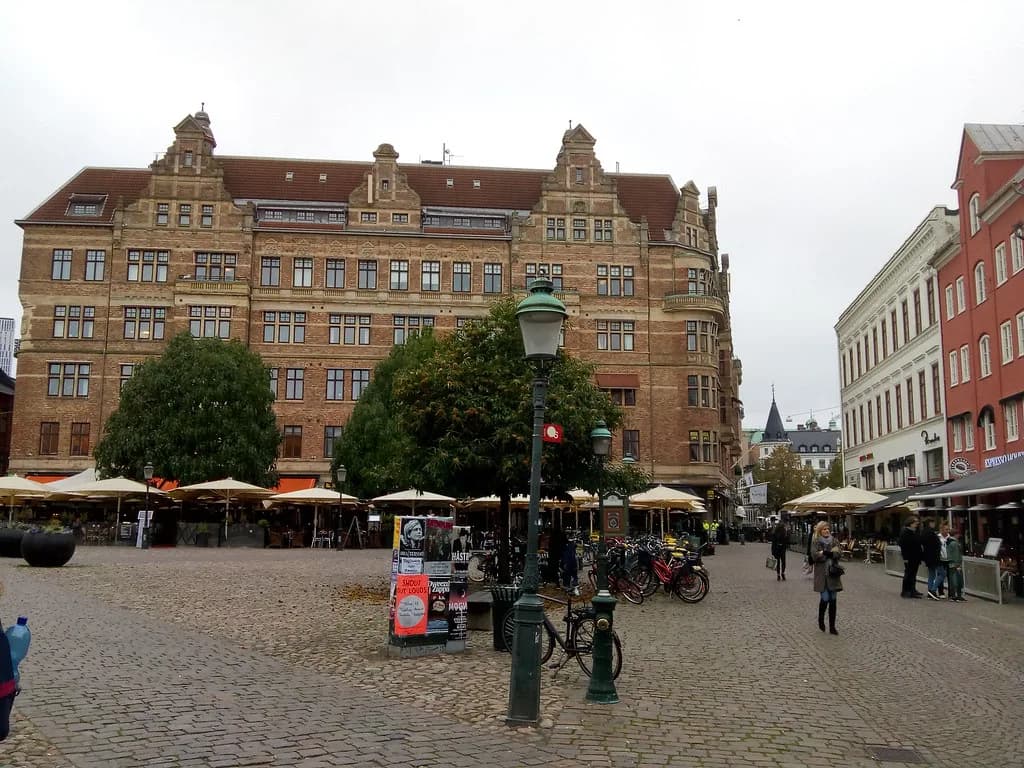
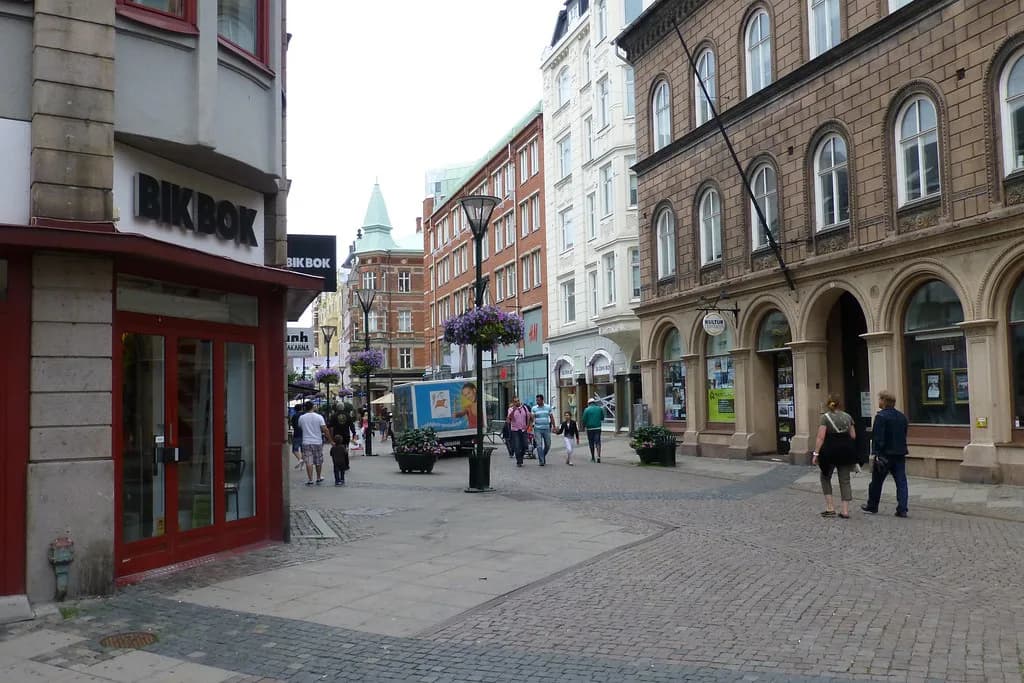
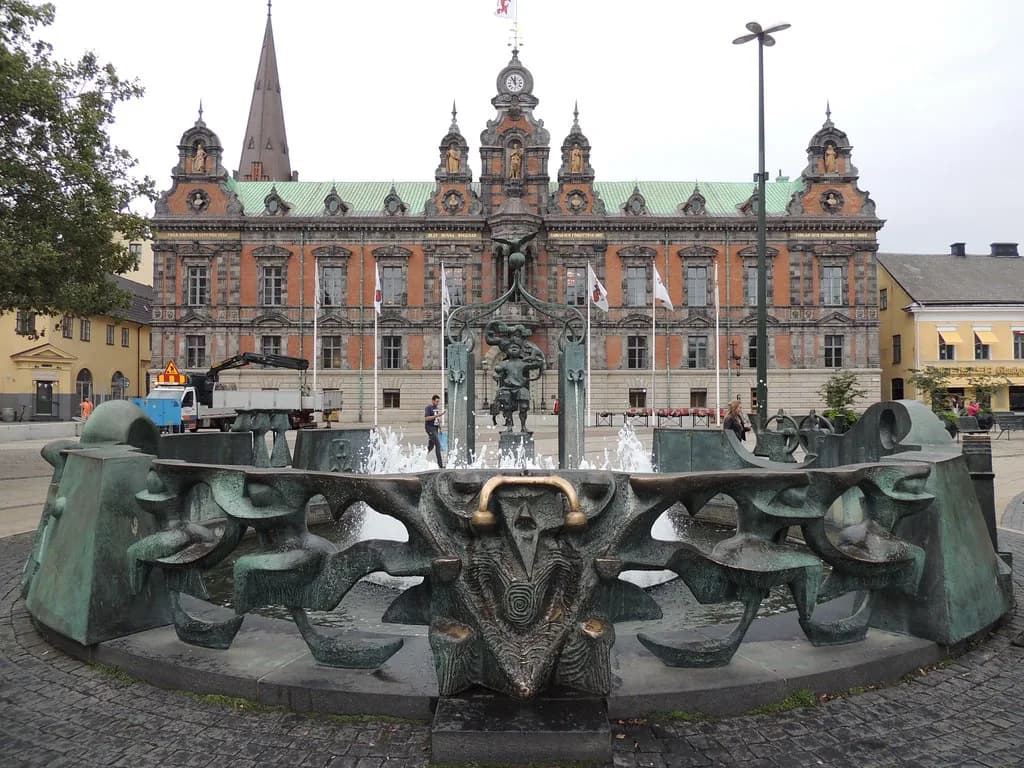
Start at Malmö Central Station and cross the canal into Gamla Staden, the historic core that holds most of the sights a short-break visitor wants. The route is straightforward: Stortorget for the broad civic square, Lilla Torg for the smaller, intimate square with its old-world feel, and Jakob Nilsgatan for street-level architecture that mixes centuries. This compact loop is the piece of the trip you can cut short if the weather turns.
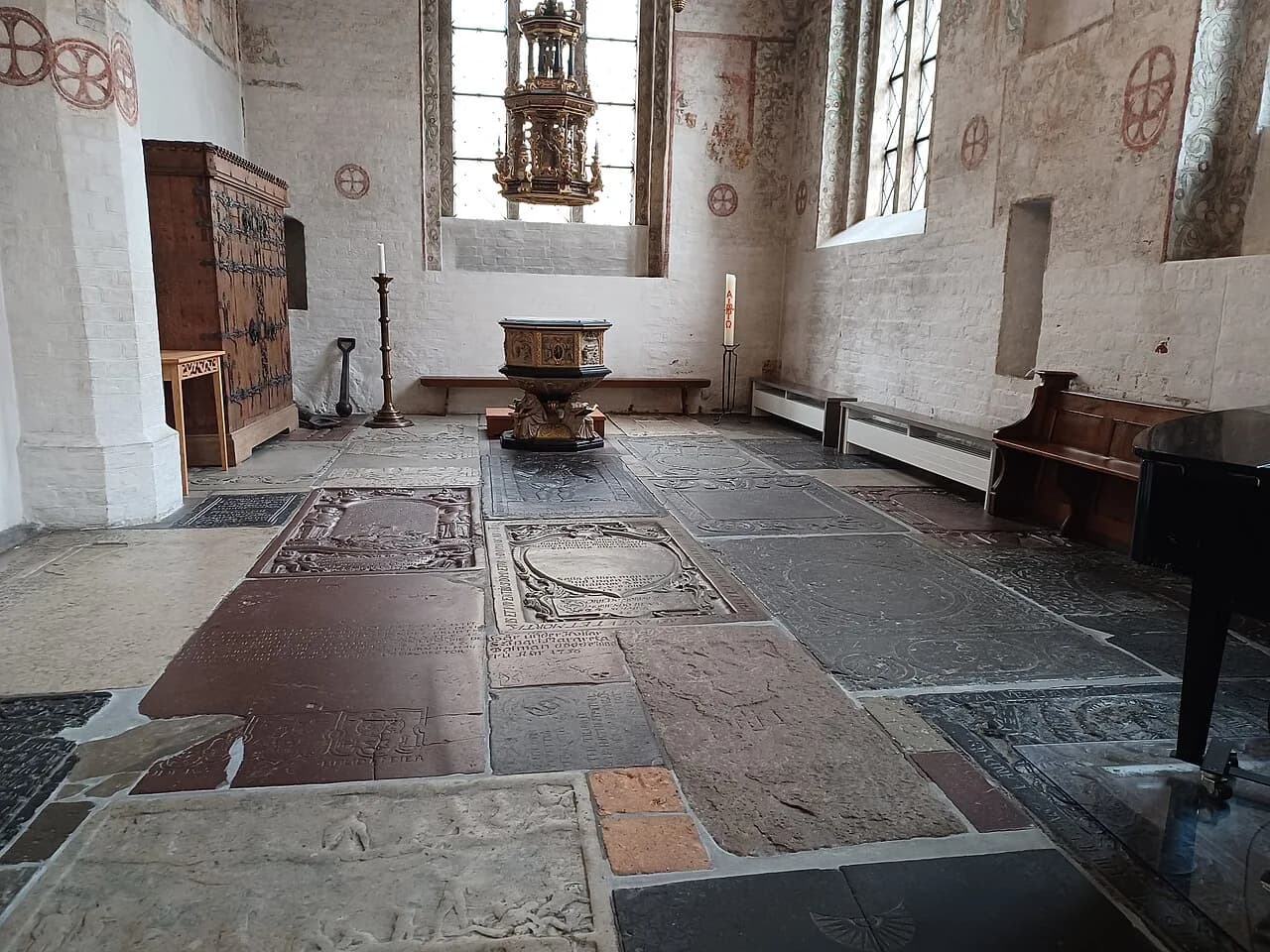
Sankt Petri Kyrka sits close to the station, two blocks from the centre, and makes an easy first or last stop. The interior mixes plain Protestant walls with richly decorated baroque altars, which is reason enough to step in even on a dry day. From there you can carry on to Stortorget and down to Lilla torg without any transport at all.
If you want a longer old-town wander, the Malmö in April guide shows how the same streets work in an earlier-spring month, when temperatures are cooler and rain more likely to interrupt a square-by-square walk. September gives you a generally gentler version of the same compact loop. Either way, the centre rewards slow walking rather than a checklist.
Indoor picks for a wet September day: Sankt Petri Kyrka, Malmöhus Castle and Moderna Museet Malmö
When rain settles in, keep three indoor options in mind: Sankt Petri Kyrka near the station, Malmöhus Castle and Moderna Museet Malmö. The church is the easiest to slot in because it sits on the old-town route. The castle and the modern art museum give you a fuller wet-weather half-day, so check each venue's own page for current opening days and ticket prices in kronor before you commit.
Do not assume a fixed timetable across the month. Opening days can differ between the summer period and the rest of the year, so confirm on the venue's own website on the morning you plan to visit. A quick check also tells you whether a temporary exhibition changes the price. That is one of the few details worth verifying on the day.
Green and waterside stops in September: Slottsparken and the walk to Västra Hamnen
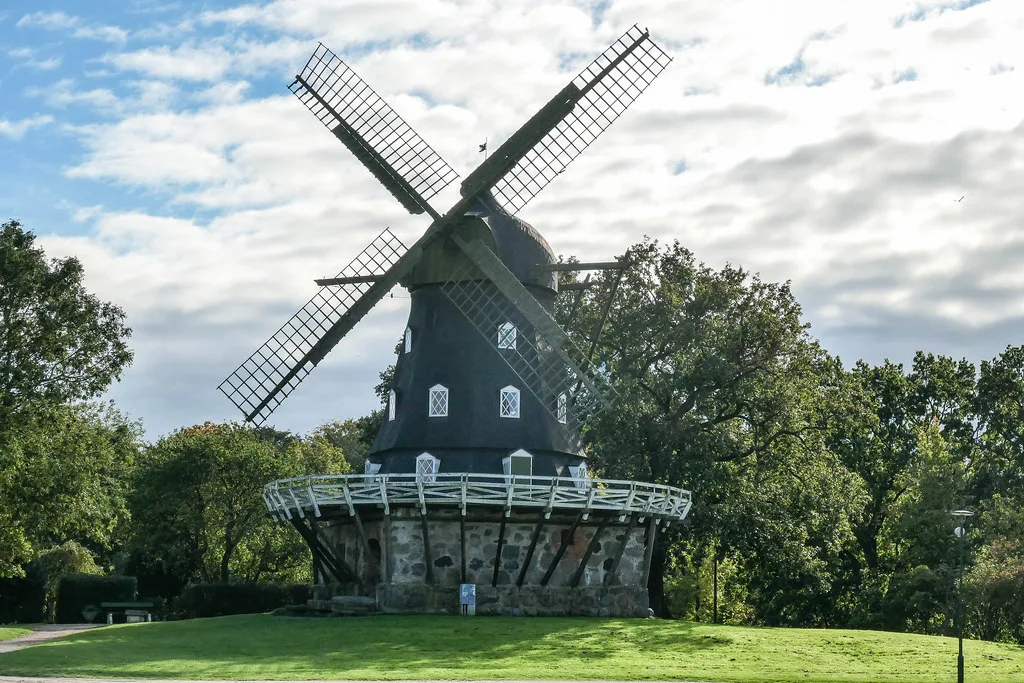
Slottsparken is one of central Malmö's biggest green spaces, just across from the historic old town. In September the paths are quieter, the trees are turning, and the windmill makes a good photo stop. Slottsträdgårdens Kafé inside the park is a natural pause for a drink, and the city garden's small micro-settings reward a slow wander.
For the longer walk, head out towards Västra Hamnen and the Turning Torso, the twisting residential tower that has become Malmö's modern landmark. Treat the tower as something you see from the waterfront rather than somewhere you visit. The harbour district gives you wooden piers, open water and a view back towards the Öresund Bridge, which is at its best in clear September light.
This western walk is the part to drop if the day is wet or you are short of time. It takes longer than the old-town loop and has fewer indoor boltholes. If you are here in the warmer months, Malmö in Summer shows how the same harbour area behaves when the days are long and the piers are busy.
Malmö Saluhall and a fika stop when the weather turns
Malmö Saluhall is a restored warehouse turned indoor food market, which makes it a reliable September refuge when a shower arrives. Stalls sell Swedish cheeses, chocolates, sourdough bread and prepared food, so you can eat lightly or put together a proper lunch without leaving the building. It is a practical stop rather than a grand sight, and that is exactly why it works on a mixed-weather day.
Fika, the Swedish coffee-and-something-sweet pause, fits naturally into a September afternoon. Pair a coffee with a bakery item at a café in the old town or the market hall, and use the time to let the rain pass. In Malmö, a café stop is not lost time; it is how you pace a short break when the light is limited.
How many days September needs: one compact day versus two
One day covers the compact centre: Malmö Central Station, Gamla Staden, Sankt Petri Kyrka, Stortorget, Lilla Torg and Jakob Nilsgatan. Add a short detour into Slottsparken if the weather holds. That is a satisfying September day if you are arriving from Copenhagen or stopping briefly on a longer trip, and one independent account of a single day in the city follows much the same loop.
Two days let you add the western harbour walk to Västra Hamnen and the Turning Torso, plus a slower park or market-hall stop. The second day is also your buffer for rain: if day one is wet, shift the harbour walk to day two and use the first day for the church, the castle or Moderna Museet Malmö. If you are deciding between seasons, the Best Time to Visit Malmö guide helps you compare September with spring and summer.
Trade-offs: what you gain from thinner crowds and what you lose in daylight
The gain in September is a calmer city: shorter queues at the main sights, easier walking on the old-town streets, and a sense of local life rather than peak-season bustle. The loss is daylight and certainty. You will not get the long, bright evenings of Midsummer, when the city celebrates around the solstice; Midsummer Malmö covers that very different kind of trip.
September also sits outside the main festival season, so do not build a break around a specific event unless you have checked a listing. For an overview of what happens across the year, Malmö Festivals and Events Through the Year is the place to look. If your dates are fixed, build in flexibility: September weather is variable enough that a rigid plan is the thing most likely to cost you a day.
Which September shape suits your break?
Choose the one-day centre loop if you have a single day and want the old town, Sankt Petri Kyrka and a park without committing to the harbour. Choose the two-day version if you want the Västra Hamnen walk and the Turning Torso view, and accept that one of those days may be wet. In both cases, front-load the outdoor walking and keep an indoor pick in reserve.
Check opening days and ticket prices on each venue's own page before you travel, since they can vary by season. Then build the day around light and weather rather than a fixed schedule. That is the difference between a rushed September visit and a comfortable one.
Explore more Malmö guides
Frequently Asked Questions
Is Malmö worth visiting in September?
Yes, if you want a calmer city and are happy to plan around shorter daylight and possible rain. The compact old town works well on foot, and you can keep an indoor museum or the market hall in reserve for wet spells.
What is the weather like in Sweden in September?
September in southern Sweden is typically cool to mild, with a higher chance of rain than in high summer. Treat any figure as a climate average rather than a forecast, and pack layers plus a waterproof.
What is Malmö famous for?
Malmö is known for its compact historic centre, the Turning Torso tower in Västra Hamnen, and the Öresund Bridge. The old town's squares, Sankt Petri Kyrka and the nearby Slottsparken fit comfortably into a short break.
Sources
Notes for your next Swedish city break
Optional updates to our Sweden guides.
You might also like
Continue reading
More guides you'll find useful