Parks in Stockholm: Green Spaces Worth Your Time
A practical guide to Stockholm's parks, from Kungsträdgården and Hagaparken to Djurgården, with what each offers and how to fit them into a city break.
On this page
Stockholm's parks split into two useful groups: the ones you cross without planning, and the ones you travel to on purpose. Kungsträdgården and Berzelii Park sit in the middle of everything, while Kungliga Djurgården, Hagaparken and Bergius Botanic Garden reward a deliberate half-day. This guide gives each green space a job inside a one-to-four-day city break.
The trade-off is always time against scenery. A city-centre garden gives you statues, lunchtime footfall and a five-minute stop between sights; a royal landscape gives you meadows and lakeside views but eats an afternoon. Pair every park with the sight or neighbourhood beside it and you can see what the visit really costs you.
What Stockholm's parks add to a short city break
Green space changes the rhythm of a sightseeing day rather than adding another tick on a list. Stockholm's former royal hunting grounds and estate gardens now function as public parks, and many sit directly beside the museums and palaces worth visiting.
That means the sensible move is to attach a park to a sight you were already going to see, not to schedule it as a separate outing. Walk through Kungsträdgården on the way between Gamla Stan and the shops, or let Djurgården frame a museum morning.
Two of the city's parks need real travel: Hagaparken to the north and Bergius Botanic Garden. Treat those as an afternoon or a morning, not a detour, and only when the weather is doing its bit. Stockholm's other great green asset, the archipelago, is a boat trip rather than a park and a different kind of day out.
Kungsträdgården: the central park you will walk through anyway
Kungsträdgården is Stockholm's most central historic park, a long garden in the middle of the city known as an urban hub as much as a green space. The statue of Karl XII stands in its southern section, and the park's role is civic: concerts, crowds and a shortcut between streets.
Do not budget time for it as a destination. It works as a pass-through between Norrmalm's shops and the water, or a bench while you work out your next move. Its cherry blossom is the one moment people do plan around, and that depends on the season rather than any published schedule.
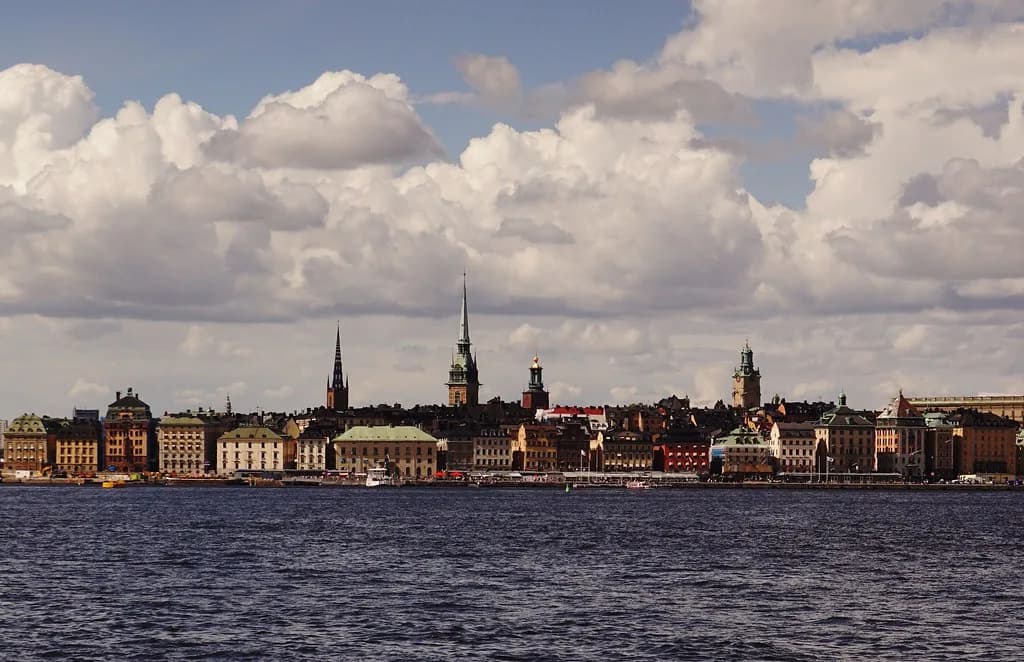
Because it sits on the way to Gamla Stan, the park slots neatly into a morning that ends among the old town's lanes. A structured route through the centre saves you from criss-crossing the same streets.
Djurgården: the island park that pairs with Skansen and the museums
Kungliga Djurgården is the island park that makes a whole day easy, because it wraps around Skansen, the Nordic Museum and Prins Eugens Waldemarsudde. Rosendals Garden also sits within this green island, so a wander between sights is part of the day rather than an extra.
The honest trade-off is scale. Distances on Djurgården are longer than they look on a map, and walking from one end to the other adds real time. Pick two sights and let the park fill the gaps between them instead of trying to cover the island on foot.
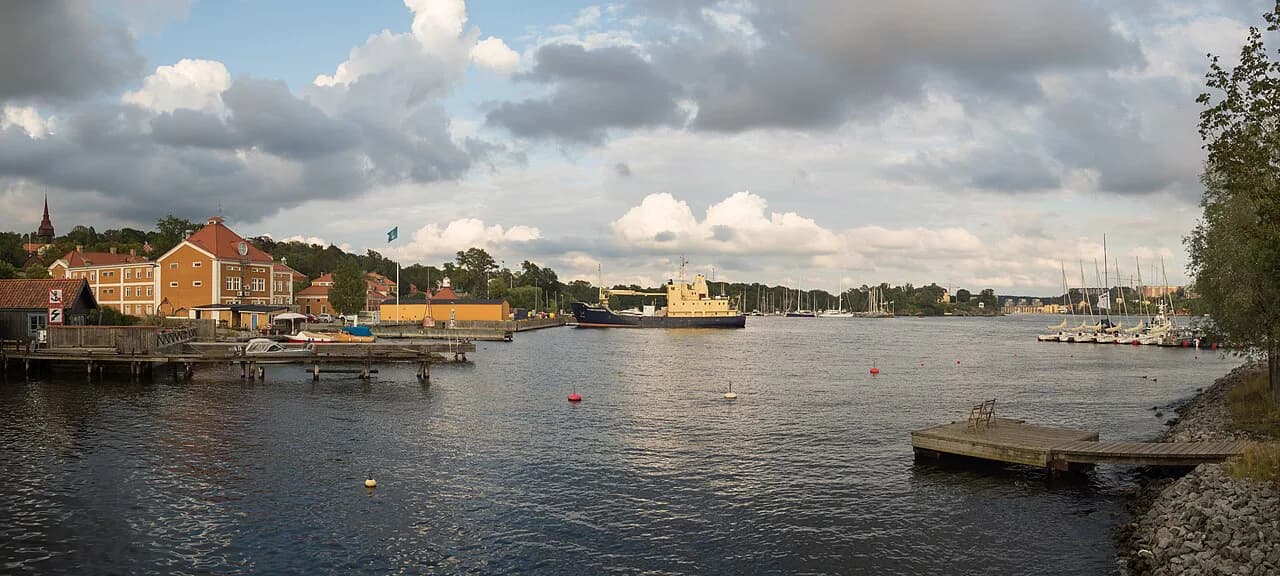
Getting there by boat or tram turns the journey into part of the outing, and the water approach is the one most visitors remember. Pair the island with a ferry or boat crossing to give the day two halves.
Hagaparken: the royal landscape north of the centre
Hagaparken, usually anglicised as Haga Park, is a sweeping royal landscape of meadows, lakeside views and the English park design associated with Gustav III. Gustav III's Pavilion stands within the park and gives the walk a destination beyond the greenery.
This is the clearest case of a park that costs you travel. It lies north of the centre, so it belongs in a half-day rather than a lunch break, and the reward is space and water views that central Stockholm does not offer.
Build the visit around the pavilion and a lakeside loop, then return to the city for the afternoon. If your trip is two days or shorter, leave it out and keep Djurgården instead; three days gives you room for both.
Bergius Botanic Garden: a planted garden rather than a meadow
Bergius Botanic Garden is a botanical collection rather than open parkland, so the visit is about plants, glasshouses and planting design. It suits travellers who want something cultivated and quieter than the royal meadows.
Because the garden's interest changes with the season, the timing of the trip matters more here than at a park built around open grass. Check what is in bloom before committing an afternoon, and treat a rainy day as a reason to choose the city's indoor sights instead.
The garden also works as a slower pause between heavier sightseeing. Stockholm's art and design side is easy to overdo in a short break, and a planted garden resets the pace.
Smaller central green spaces: Berzelii Park, Humlegården and Vasaparken
Berzelii Park sits in the centre of the city with a statue of Berzelius at its middle, close enough to the main streets to work as a passing pause. Humlegården and Vasaparken do the same job in different neighbourhoods, giving locals and visitors a bench between errands.
None of these justifies a special journey on a short break. Their value is as punctuation: a sit-down after a food hall lunch, or a breather while you walk between districts.
If you are spending a day in the city's main shopping streets, Berzelii Park and Humlegården are the obvious places to pause without losing time.
Which park suits a rainy day, a family afternoon or a long walk
Rain changes the answer completely. Open meadows and lakeside lawns lose their appeal, so shift to a museum and use the central gardens only as a covered shortcut; Djurgården's museums make it the best island for wet weather.
For a family afternoon, Djurgården does the most work because the park and Skansen sit together and children can move between the two. Hagaparken's space suits running about but the travel makes it a longer commitment.
A long walk is where Hagaparken earns its trip, with meadows and water rather than city streets. Inside the city, a riverside and old-town loop gives you the architecture and lanes instead of a rural afternoon.
How to combine a park with the sights around it
The reliable method is to name the sight first and the park second. Bergius sits beside the museum quarter, Kungsträdgården beside the shops and the route to the old town, Djurgården beside Skansen and the Waldemarsudde collection, and Hagaparken beside Gustav III's Pavilion.
In Gamla Stan, the lanes between the Royal Palace and the Nobel Prize Museum give you a compact half-day with no park needed. Save the greenery for the parts of the trip where you are crossing districts anyway.
Cycling covers Djurgården and the waterfront faster than walking, though you need to lock up whenever you stop. It is the better choice if the park is one part of a longer day rather than the whole point of it.
Fitting parks into one, two or three days
On a one-day trip, forget the travel-heavy parks. Walk through Kungsträdgården on the way to Gamla Stan and let the old town carry the day, because that is where the density of sights is highest.
With two days, give the second day to Djurgården and its museums, with the park as the connective tissue. That leaves no room for Hagaparken, which is the right call: better one island properly seen than two rushed.
Three days opens up Hagaparken or Bergius as a half-day, plus a fika stop to break up the walking. Four days lets you add a boat trip or a slower wander without dropping anything from the list.
Pick your park before you pick your day
Choose the park from the shape of your day, not the other way round. If you are already on Djurgården, the park is open scenery between museums; if you have a spare half-day and good weather, Hagaparken is the one worth travelling for. For the wider spread of sights that pairs with these green spaces, see Things to Do in Stockholm.
Skip anything that forces a journey for a bench. The central gardens are there when you pass, and the time you save goes into the old town's lanes and the city's museums.
Explore more Stockholm guides
Frequently Asked Questions
How much does it cost to park in Stockholm?
Parking charges vary by street and by operator, and none of the reliable figures here cover them. Check the signs at the kerb or the operator's app on the day, and remember that Stockholm is largely a cashless city, so payment is usually by card or phone.
Is Stockholm a big city?
Stockholm is compact enough to cross much of the centre on foot, which is why a central garden like Kungsträdgården can be a pass-through rather than a destination. Djurgården and Hagaparken are the exceptions that need a tram, boat or bus.
Are there national parks near Stockholm?
The national parks promoted for Sweden, including Ängsö, Gotska Sandön and Skuleskogen, are not city parks and lie well beyond Stockholm. Treat them as separate trips, not as an afternoon in the city.
Sources
Notes for your next Swedish city break
Optional updates to our Sweden guides.
You might also like
Continue reading
More guides you'll find useful