Stockholm Architecture: The Buildings and Streets Worth Planning Around
Stockholm's architecture runs from medieval Gamla Stan to the museum cluster on Skeppsholmen. Here are the districts and buildings to plan a walk around.
On this page
Plan Stockholm's architecture around five districts rather than individual star buildings: Gamla Stan and Riddarholmen for medieval streets, Norrmalm and Östermalm for the modern centre, Södermalm for neighbourhood streets and viewpoints, Skeppsholmen for the Moderna Museet and ArkDes cluster, and Djurgården for former residences turned galleries. A two-day trip comfortably covers three of these on foot; the rest rewards a longer stay. This guide groups the buildings and streets by district, adds the museums worth prioritising and explains the trade-offs; for a broader plan see Things to Do in Stockholm.
The city is compact enough that architecture and sightseeing overlap: the waterfront walk between the old town and Skeppsholmen is itself the attraction, and the metro doubles as a place to see art between districts. Use this page to decide which districts earn your limited time, then slot in the museums that match.
Gamla Stan and Riddarholmen: medieval streets, colour and waterfront views
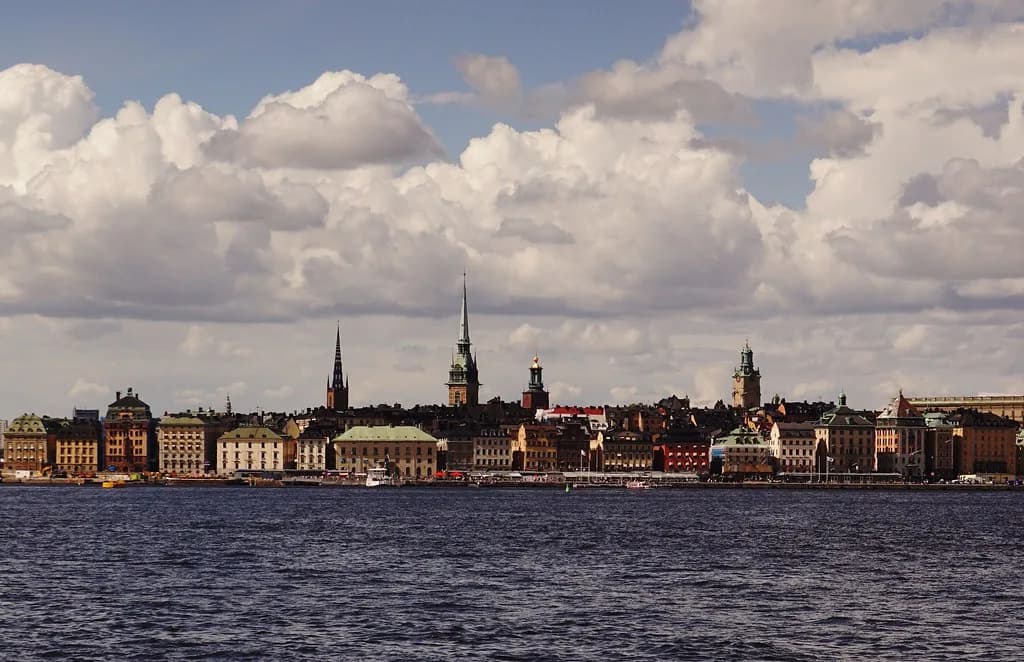
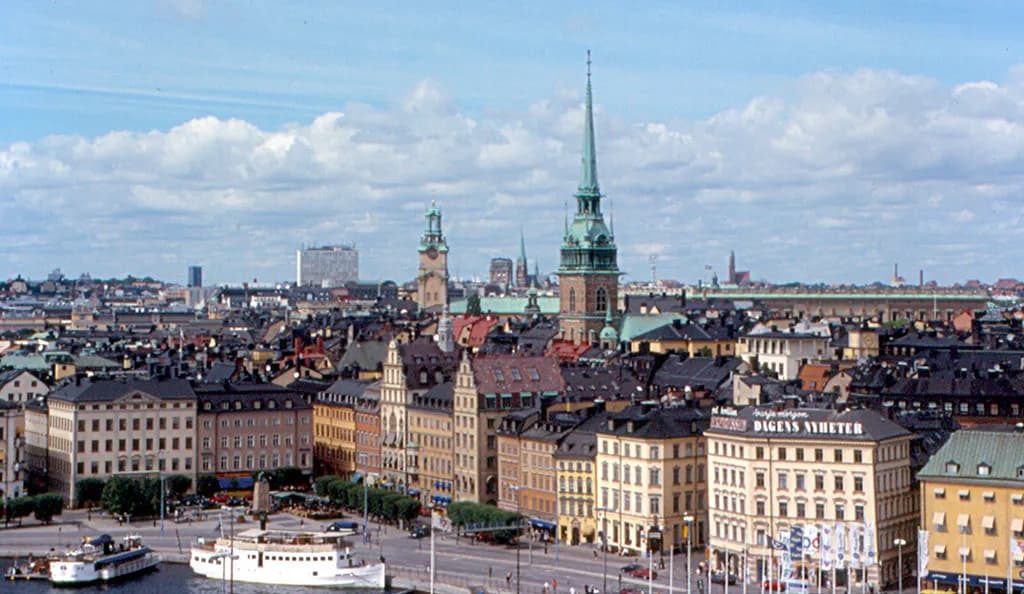
Start in Gamla Stan, Stockholm's old town, where the appeal is the street pattern itself: narrow lanes, painted façades and small squares that reward slow wandering rather than a checklist. Riddarholmen, the small island attached to it, gives you the waterfront views back towards the city and the lake. Set aside half a day here and treat the specific sights as stops along the way rather than the reason for coming.
Two bigger draws sit within the old town, the Royal Palace and the Nobel Prize Museum, and both eat into walking time, so decide before you arrive whether you are there for interiors or for the streets. If you want the interiors, build a dedicated old-town day rather than squeezing them between other districts; our Gamla Stan guide covers the lanes in detail.
Walking is the only sensible way to cover Gamla Stan and Riddarholmen; distances are short but the cobbles slow you down. A guided route helps you avoid doubling back on the tangle of lanes, and leaving the old town on foot towards the water gives you the classic view of the city's skyline without any transport.
Norrmalm and Östermalm: where Stockholm's modern city centre sits
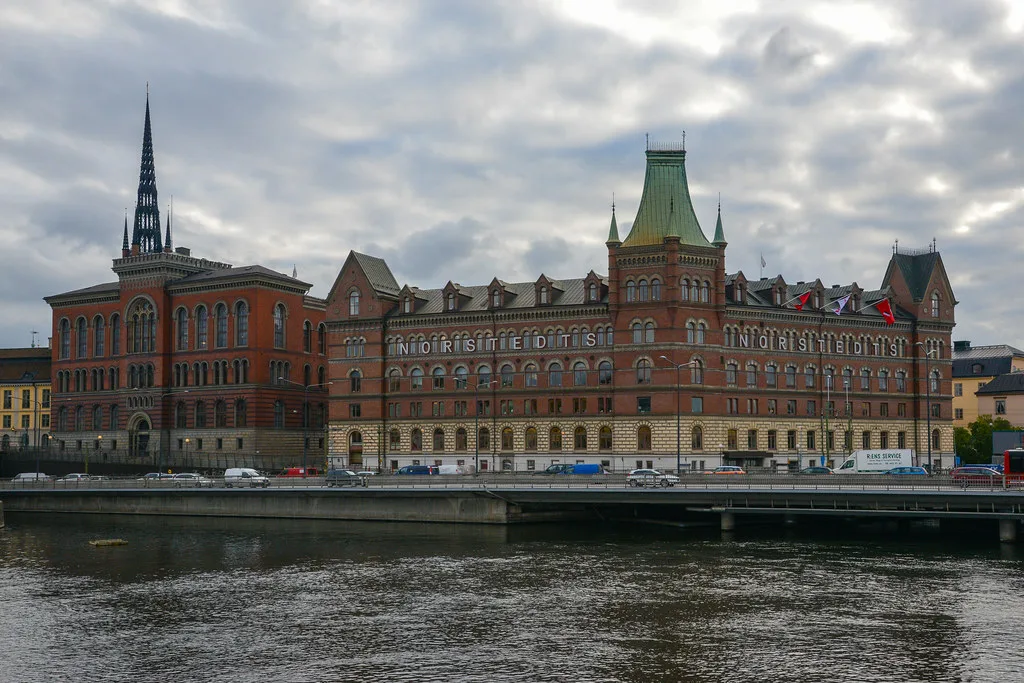
Norrmalm is the busy commercial heart and Östermalm the grander residential grid beside it, and together they show the city's modern face: broad streets, department stores and formal apartment blocks. The official city guide treats these as part of central Stockholm alongside Södermalm, Vasastan and Kungsholmen, so plan them as a single continuous walk rather than separate outings.
This is the district for shopping streets and food halls rather than monuments, and it fills a rainy morning well. If you are browsing rather than buying, walk the grid between the two districts and finish at a food hall for lunch before crossing to the water.
Architecture here is best seen at street level and on foot: the width of the boulevards, the stone façades and the scale of the squares only make sense as a sequence. Give Norrmalm and Östermalm two hours if you are only passing through, or a half day if shopping and a food hall are on the agenda.
Södermalm: neighbourhood streets and viewpoints above the water
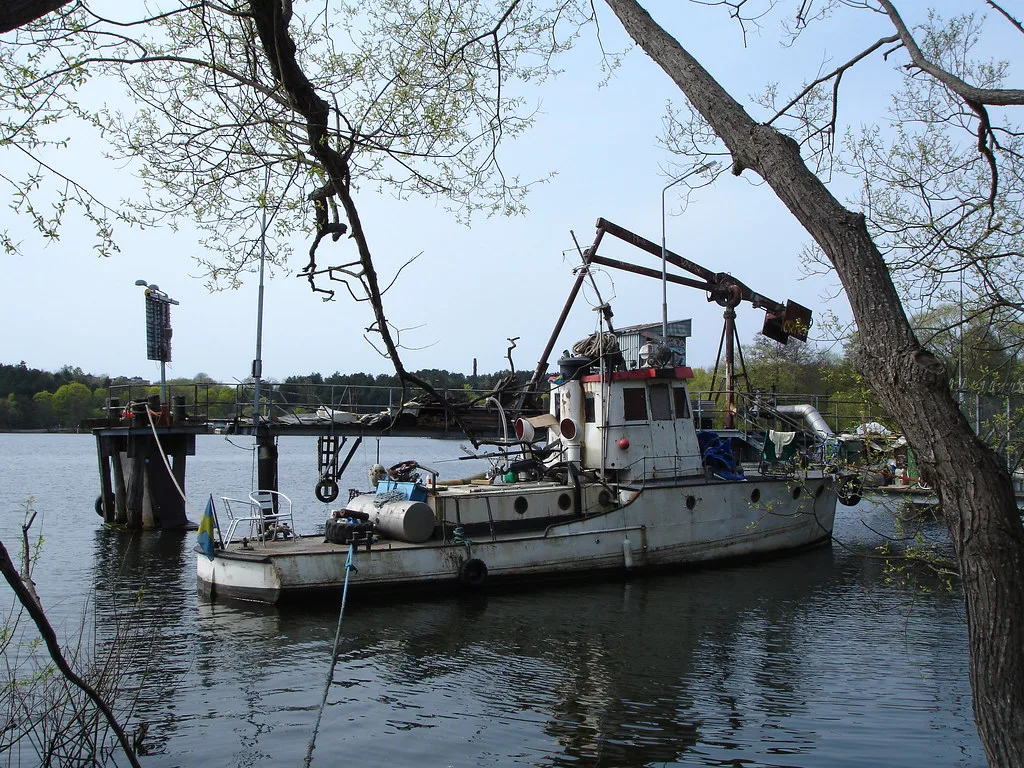
Södermalm is where you see how Stockholm actually lives: ordinary streets, small squares and long views back over the water to the old town and the centre. The official guide describes it as the laidback district of the central seven, which is a fair summary of its pace. Come here for the walk and the viewpoints rather than for a single building.
The practical reason to include Södermalm is the panorama: the height gives you the whole city in one frame, which no museum can match. Pair a slow wander through the streets with a climb to a viewpoint, and finish with a coffee so the district does not become a rushed photo stop.
Skeppsholmen: Moderna Museet, ArkDes and the architecture cluster
Skeppsholmen is Stockholm's architecture and art island, and it is the single best place to see how the city thinks about design. Moderna Museet holds one of northern Europe's largest collections of modern and contemporary art, and sculptures and installations are placed around the museum's surroundings on the island, so the building and its setting are part of the visit.
ArkDes, the National Centre for Architecture and Design, sits in the same cluster and is the obvious stop if buildings rather than paintings are your reason for coming. Together with Moderna Museet it makes Skeppsholmen a half-day rather than a detour, and the walk between them is short.
Check which days each museum opens and what entry costs in kronor before you commit the afternoon, because a closed door on a small island wastes a chunk of a short trip. The safe plan is to confirm both on the museum's own site the week you travel.
Djurgården: former residences turned galleries, including Waldemarsudde and Thiel
Djurgården's art museums differ from a standard gallery because several are former homes. Prince Eugen's Waldemarsudde was the painter's residence, gifted to the state in his will, with the museum opening in 1948 and showing his own work alongside his private collection; the Thiel Gallery is a former villa sold to the government in 1924 and opened as a museum in 1926, with one of the world's largest Edvard Munch collections. Seeing art in the rooms it was collected for changes how you read the building itself.
Liljevalchs Konsthall, which opened in 1917, is the other reason to cross to Djurgården: it is a gallery rather than a home, with a contemporary annex, Liljevalchs+, that opened in 2021. Pick two of the three and leave the rest, because the green island slows you down more than the map suggests.
The Stockholm metro as a place to see art on the way between districts
Stockholm's metro is not just transport between the districts above: the official guide counts the art in the subway as part of the city's art scene. That makes a ride across town a legitimate stop rather than dead time, which matters on a short break when every hour is spoken for.
Treat the metro as the connective tissue of your architectural walk: ride between the old town and the modern centre, or between the centre and Södermalm, and look properly at the stations you pass through. It costs nothing extra beyond the ticket you already need, and it keeps you out of the weather.
Reading the city by period: Renaissance to national romanticism to contemporary
Stockholm layers its periods visibly. The official guide dates buildings in the old town back to the late thirteenth century, describes Swedish national romanticism and Renaissance masters in the art collections, and cities contemporary work as part of the mix, so a single day can move from medieval lanes to twenty-first-century additions.
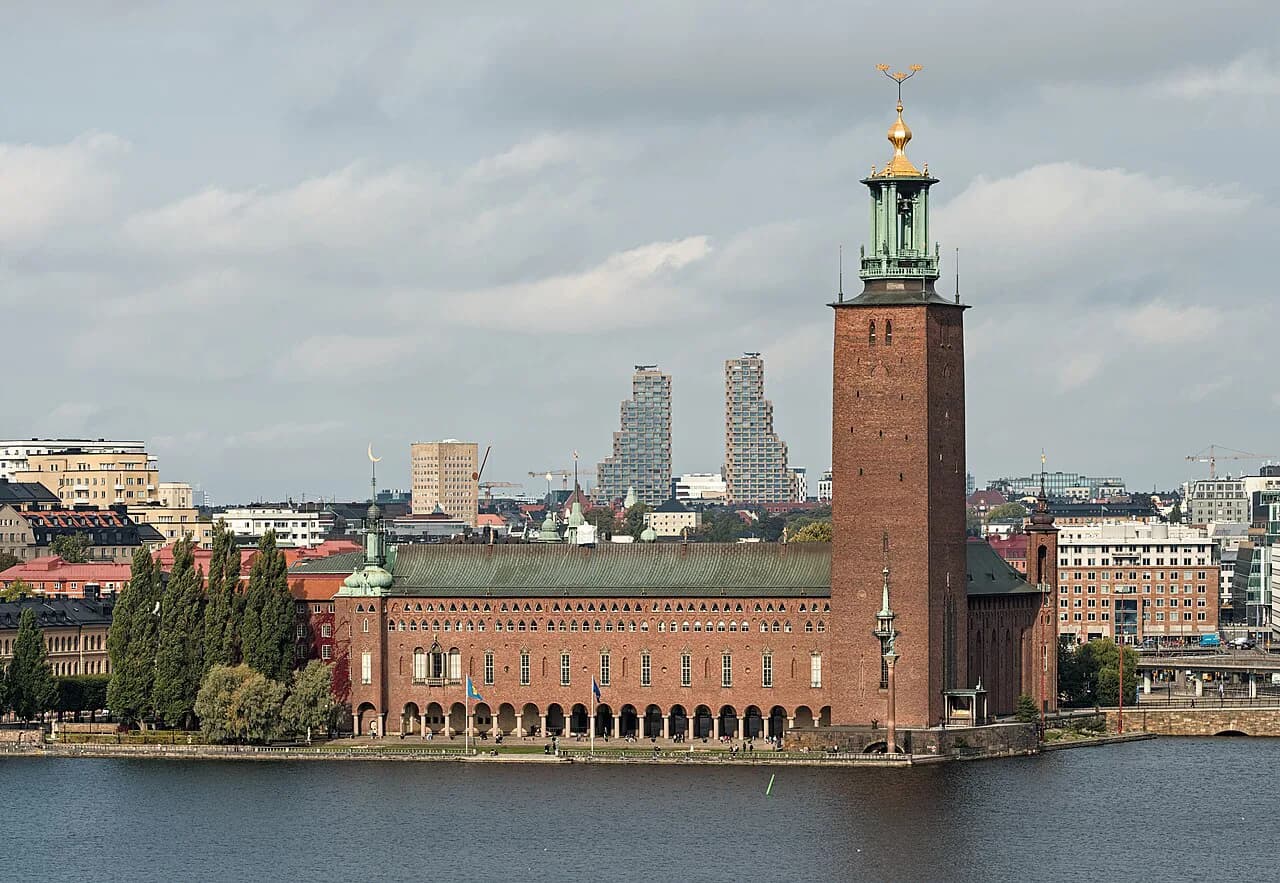
Contemporary architecture in Stockholm is described as a blend of innovation, sustainability and respect for historical context, which is the most useful frame for what you will notice on the street: new buildings sitting directly against old ones rather than separated into districts. Watch for that contrast as you cross from Gamla Stan to the modern centre, and browse our Gamla Stan guide for the old-town streets.
Which art and architecture museums to prioritise when time is short
With one day for museums, take Skeppsholmen: Moderna Museet and ArkDes together give you both art and architecture in one walk, with the sculpture outside included in the visit. With two days, add Djurgården for Waldemarsudde or the Thiel Gallery, where the buildings themselves are half the point.
Nationalmuseum, on the water at Blasieholmen, is the place for Swedish art and design, with a collection of 670,000 objects of which only part is ever on display. Its own site is the place to confirm opening days and ticket prices in kronor before you go, and its calendar lists temporary exhibitions and events so you can time a visit around them.
Fotografiska, the photography centre in central Stockholm, opened in 2010 and is the liveliest option if you want something contemporary and quick rather than encyclopaedic. Choose it over a large collection when you have ninety minutes and want one strong show.
Walking a route on foot versus crossing water by ferry
Distances in central Stockholm are small enough to walk, and the waterfront routes are the best architecture you will see all day, but the water splits the city and can double your time if you insist on staying on land. Use ferries and the metro to hop between the old town, Skeppsholmen and Djurgården, then walk within each district rather than between all of them.
The trade-off is simple: walking gives you the streets and the close-up detail, while crossing water buys back time for a museum. If you have only two days, pick one water crossing that earns its keep, usually to Djurgården, and walk everything else.
How many days Stockholm's architecture needs
Two days covers Gamla Stan, Riddarholmen and Skeppsholmen on foot with one museum, which is the minimum for a first visit. Three days adds Djurgården's residences or a proper Södermalm wander with viewpoints, and four days lets you take in Nationalmuseum, the metro art and a slower pass through Norrmalm and Östermalm without rushing. For more ideas on filling the days, see Things to Do in Stockholm.
The honest trade-off is that interiors cost more time than exteriors: each museum stop swallows two hours or more once you include the walk there. If buildings rather than collections are your interest, keep to one museum and spend the rest on streets.
Practical constraints: opening days, ticket prices in SEK and the cashless norm
Opening days vary by museum and seasonal timetables change, so confirm each venue's own page for the week you travel rather than relying on a printed guide. Nationalmuseum publishes its regular opening hours and any holiday exceptions on its site, and that is the pattern to expect elsewhere too.
Prices are published in Swedish kronor by each museum and are not uniform across the city, so budget per venue instead of assuming one ticket price covers the cluster. Check the museum's ticket page when you book, since temporary exhibitions sometimes carry their own charge.
Prices and opening days are set by each museum, so check the venue's own ticket and visit pages before you travel and budget per venue in kronor rather than assuming one ticket covers the cluster. Temporary exhibitions sometimes carry their own charge, and holiday timetables can differ from the regular pattern.
Which districts earn your day?
Build the trip around Gamla Stan and Skeppsholmen first, because together they give you the medieval city and the architecture-and-art cluster within a short walk and a single crossing. Add Djurgården if former residences appeal more than another gallery, and Södermalm if you want the viewpoint and the neighbourhood streets.
Leave Norrmalm and Östermalm for the gaps: a shopping morning, a food hall lunch or a rainy hour, rather than a dedicated day. Confirm opening days and kronor prices on each museum's own page before you fix the order, then walk as much as possible and use the water only where it saves real time.
Explore more Stockholm guides
Frequently Asked Questions
Can you see Stockholm's architecture without entering any museums?
Yes. The old town's lanes, the Riddarholmen waterfront, the boulevards of Norrmalm and Östermalm, the Södermalm viewpoints and the walk around Skeppsholmen are all outdoor architecture, and the metro adds art between districts. Museum interiors add context but are not required to read the city's periods.
Is one day enough for Stockholm's architecture?
One day gives you Gamla Stan, Riddarholmen and either Skeppsholmen or Djurgården on foot, if you keep museum time to a single stop. Two days lets you add a second district properly; longer stays let you reach Södermalm's viewpoints and the metro art without rushing.
Sources
Notes for your next Swedish city break
Optional updates to our Sweden guides.
You might also like
Continue reading
More guides you'll find useful