Best Views in Stockholm: 9 Viewpoints Worth the Walk
The best views in Stockholm, from Monteliusvägen and Skinnarviksberget to Fjällgatan and the City Hall tower, with how to reach each and when to go.
On this page
The best views in Stockholm come in two kinds: the cliff-top lookouts on Södermalm, where the whole skyline of Gamla Stan and Riddarholmen sits below you, and the bridge-and-waterfront spots where you look back up at the city instead. Monteliusvägen is the one to pick if you only have time for a single panorama, because the walk is short and the payoff is the classic postcard skyline. This guide covers nine viewpoints, how hard each is to reach and which ones link together on foot, and our Things to Do in Stockholm guide covers the streets below.
The best views in Stockholm: the quick answer
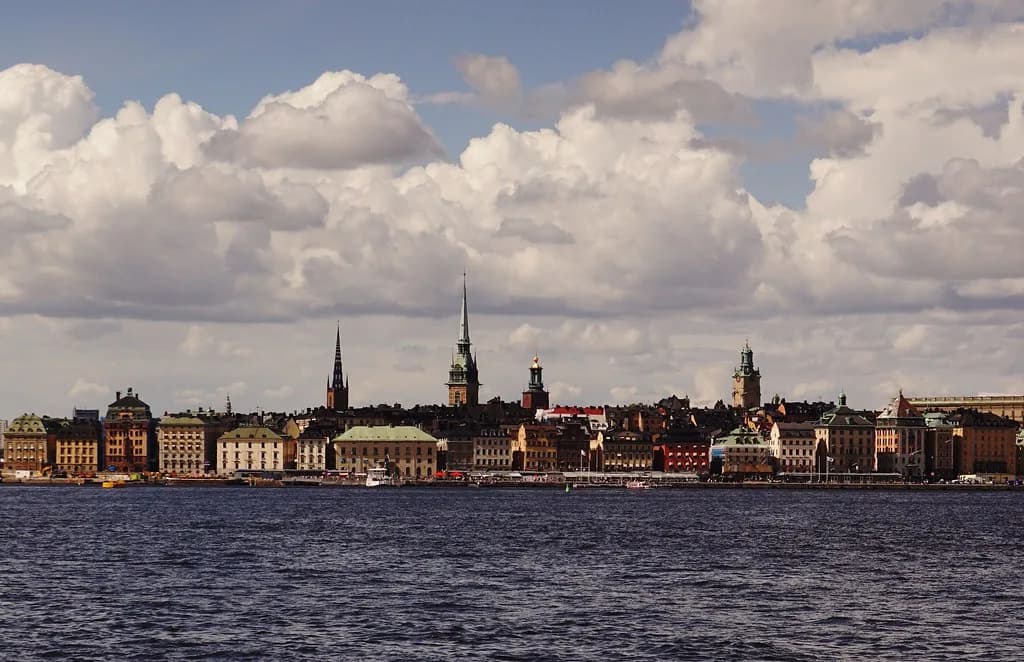
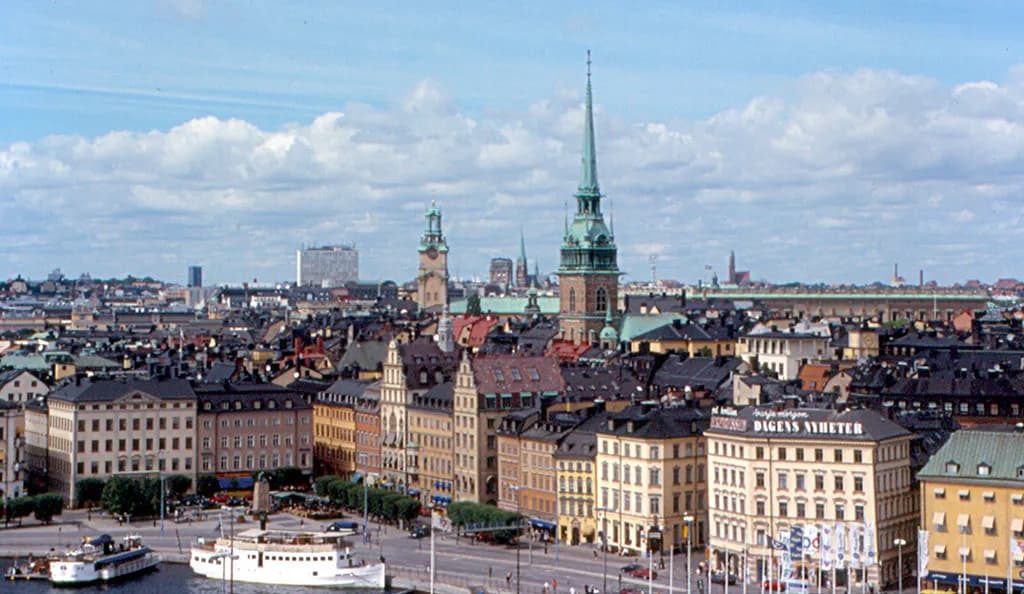
For the classic panorama of City Hall, Riddarholmen and Gamla Stan, head for Monteliusvägen on Södermalm; it runs 416 metres along the ridge and is lined with terraces and benches. For a higher, rawer view of the same skyline, Skinnarviksberget sits just above it and is the highest natural point in the city. The easiest big view with almost no effort is Fjällgatan, the historic balcony street on Södermalm's eastern edge.
If you want to be up high with the whole city around you, the City Hall tower gives a full circle; if you would rather stay at water level, Skeppsholmsbron and Strömkajen put Gamla Stan in front of you across the harbour. Park-based views at Stadshusparken and Galärparken need no climbing at all. Longer-range perspectives come from Västerbron and Hammarbybacken.
Monteliusvägen: the Södermalm path with the classic skyline view
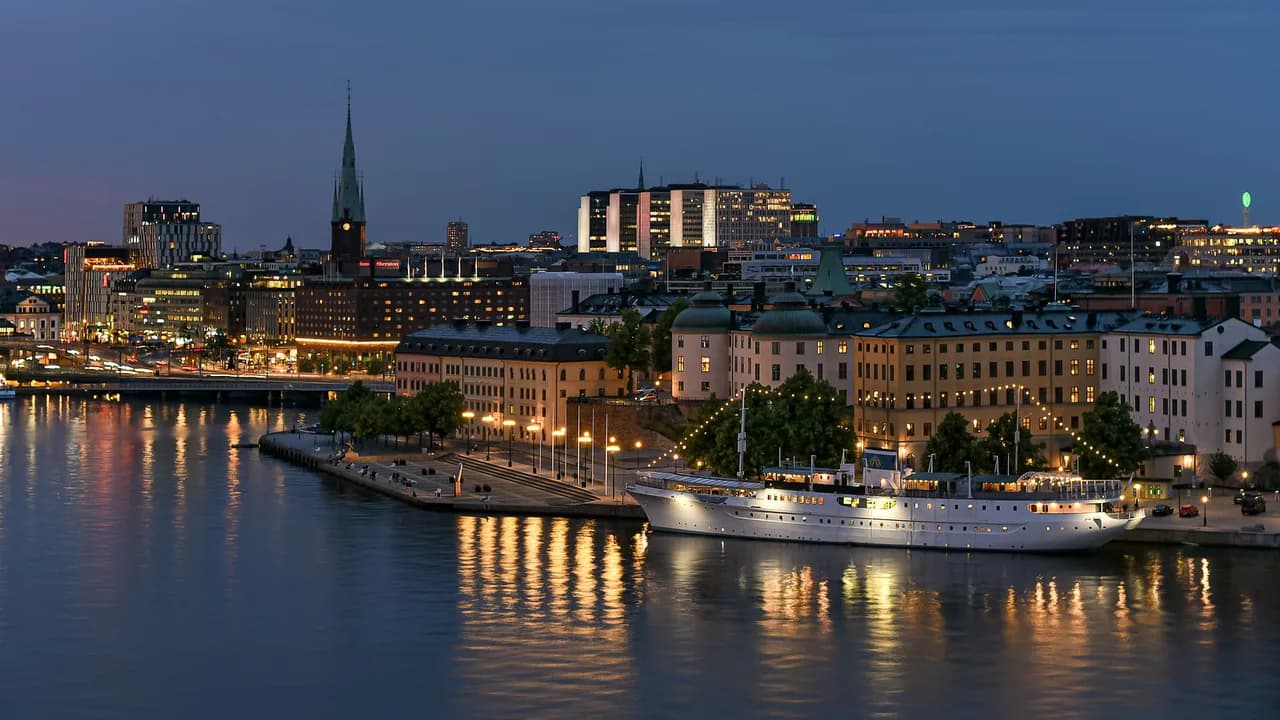
This is the view most people mean when they say they want to see Stockholm from above: the path looks straight across Lake Mälaren to Riddarholmen, the old town and the City Hall tower. The easiest approach is the metro to Mariatorget, then up Blecktornsgränd until a sign points you onto the path. It is short enough to walk twice in one afternoon, and quiet enough outside Midsummer that you can stand at a railing without queuing for the spot, with the Old Town rooftops spread out below.
Light matters more here than at any other viewpoint on this list. The buildings face roughly east and south from the path, so late afternoon and sunset are the generous hours, and it earns its reputation as an evening stop rather than a morning one.
Skinnarviksberget: the highest natural point in the city
Directly above Monteliusvägen, Skinnarviksberget is bare rock and the highest natural ground in Stockholm, with a broad view over Riddarholmen and the City Hall. It is a popular place for locals to sit at sunset, which tells you what it is good at. The trade-off is footing: the rock is uneven and stays slick after rain, so wear shoes with grip and skip the summit in wet weather.
Because it sits above Monteliusvägen, the two make one outing rather than two: walk the path, then climb the last stretch of rock for the wider arc. Allow a little extra time for the scramble down in fading light.
Fjällgatan: Stockholm's historic city balcony
Fjällgatan is the eastern counterpart to the Södermalm cliffs, a street above the water with a long view across to Djurgården and the harbour mouth. It is the most civilised of the big views: no rock, no stairs, just a pavement and a railing. Come in the morning for the softer light and quieter street, then carry on into the lanes of eastern Södermalm, or cross towards the Gamla Stan streets.
Katarinavägen and the Slussen platform: old town views above the water
Katarinavägen runs high above Slussen and delivers one of the sharpest looks at the old town from across the water, particularly at sunset. The adjacent platform by the Katarina lift, reached from the Slussen metro exit via Hökens Gata and the Katarina pedestrian bridge, gives a similar view from behind sturdy netting, and it is not a spot for anyone uneasy with heights.
Treat the lift as scenery rather than transport: it was closed at the time it was written about, so plan on walking up rather than riding unless you have confirmed it is running. Slussen has been rebuilt in stages, so expect the streets and barriers around the platform to shift between visits.
City Hall Tower: a 360-degree view after the stairs
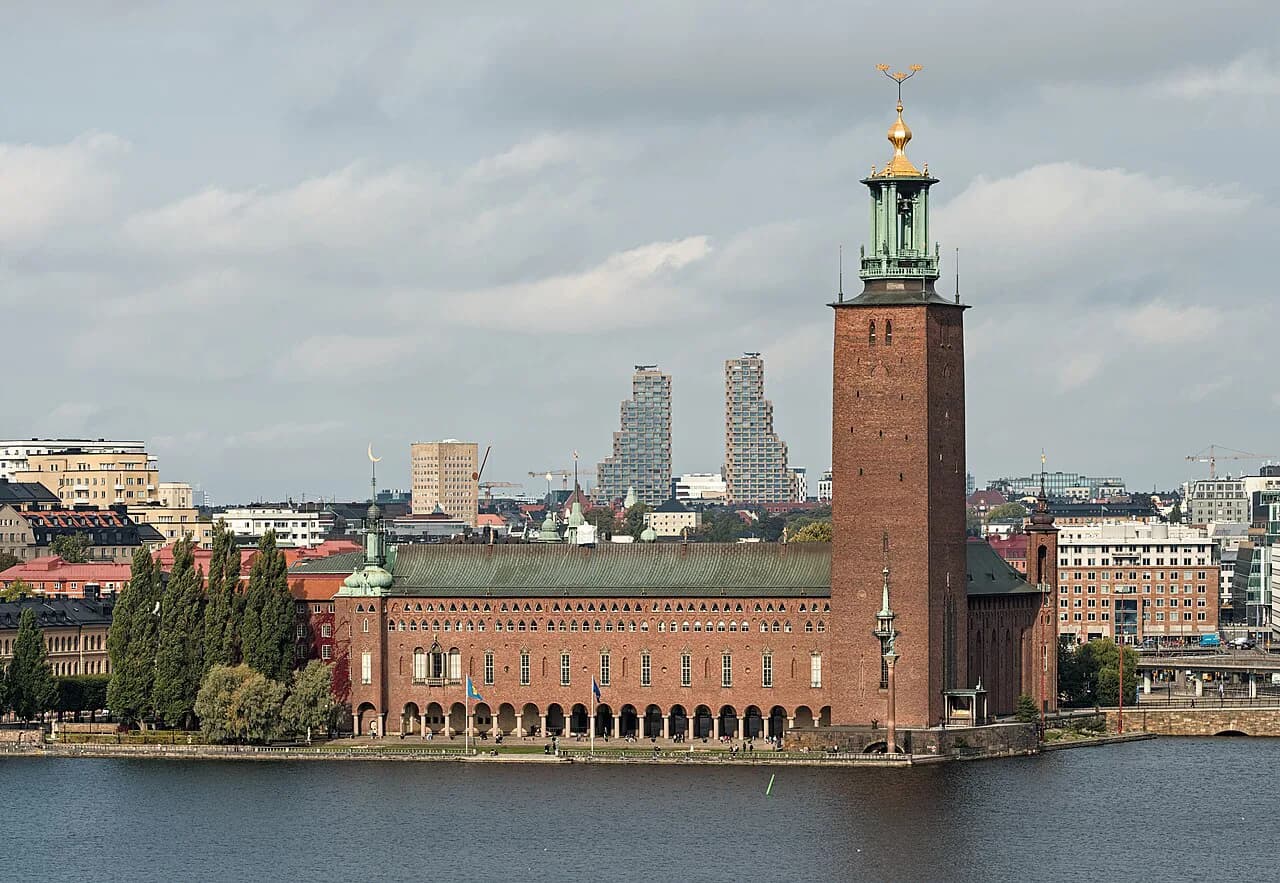
The tower on Stockholm City Hall gives you the one true full-circle view in the centre, taking in Riddarholmen and Gamla Stan on one side and the water on the other. Getting up means a long climb, and access is limited to a set number of people at a time, with roughly half an hour allowed for the stairs and the platform together. That is enough for a good look but not for setting up a tripod: the platform is narrow and ringed with netting.
Because entry is limited, the tower rewards planning more than any other viewpoint here. Check the City Hall's own visitor information for the current months, times and ticket price before you build a day around it.
Evert Taubes Terrass on Riddarholmen: looking across to Kungsholmen
Cross to Riddarholmen and the small terrace named after Evert Taube gives a low, open view over the water to Kungsholmen, with the City Hall and its statue in the foreground. It is a flat, easy spot with benches, good for anyone who has had enough of stairs for one day. Sunset is when it fills up, so arrive early if you want the railing.
Skeppsholmsbron and Strömkajen: Gamla Stan from the water
Skeppsholmsbron, the bridge from Blasieholmen across to Skeppsholmen, frames Gamla Stan and the Royal Palace across the water, and early morning gives the calmest reflection and the emptiest bridge. Strömkajen, the quay on the Blasieholmen side, gives a similar view with more room to stand. It is the best view on this list for anyone who wants to stay at street level, and it points you straight at the old town.
If you would rather see the skyline from the water itself, a short ferry hop across to Djurgården covers a surprising amount of the harbour in a few minutes, and the sit-down version is a fuller loop.
Stadshusparken and Galärparken: park views without the climb
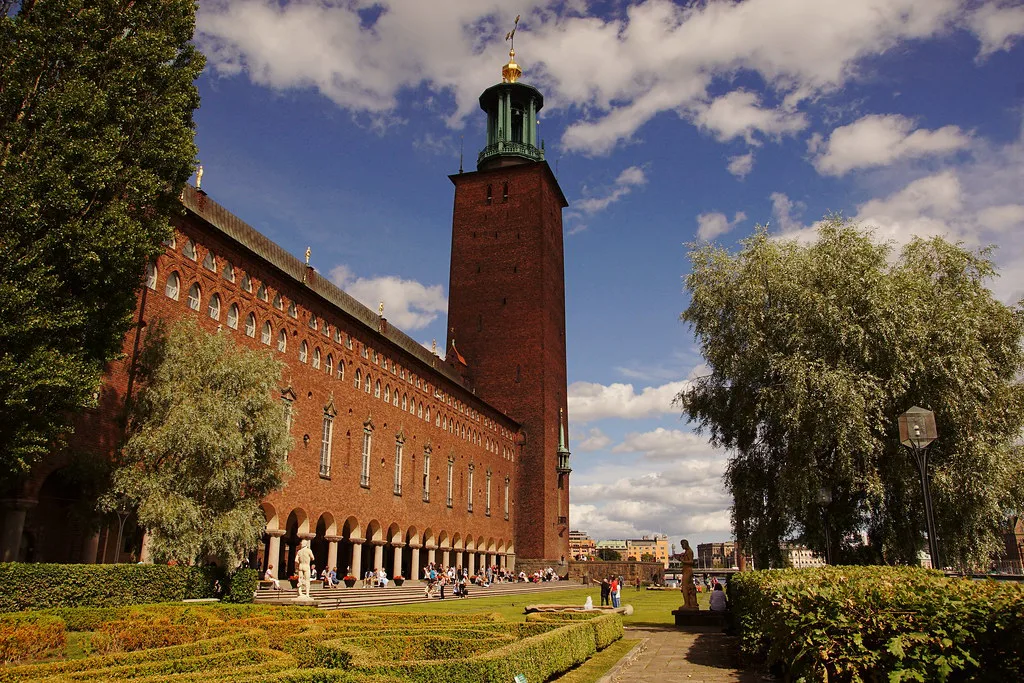
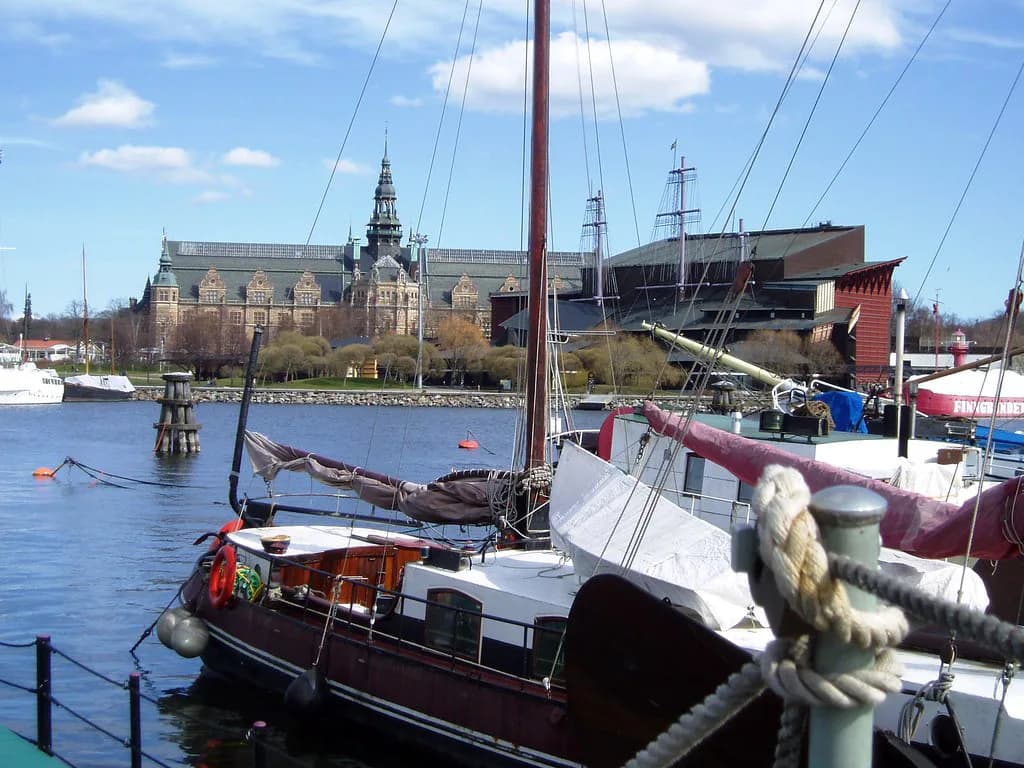
Stadshusparken, the park in front of the City Hall, looks across the water to Riddarholmen and Södermalm and asks nothing of your legs. On Djurgården, Galärparken behind the Nordiska museet looks back over the water to Strandvägen and Skeppsholmen, with benches, terraces and a waterfront setting. These are the picks for a group with mixed mobility, or for a day when the weather is good but the energy is not.
Västerbron and Hammarbybacken: the wider, longer-range perspectives
Västerbron is a working bridge rather than a lookout, but walking it puts Riddarholmen, Centralbron and parts of Gamla Stan in a line beneath you, and a longer lens makes the crossing worthwhile. It takes patience and a fair walk to get across. Hammarbybacken, out towards Hammarby Sjöstad, is the other long-range option, an elevated slope that gives a different angle on the city rather than the postcard one.
Choosing a viewpoint: sunset on the cliffs or morning on the bridges
Pick by effort and light rather than by list order. The Södermalm cliffs at Monteliusvägen and Skinnarviksberget give the classic skyline and work best towards evening; Fjällgatan and Skeppsholmsbron suit a morning when you want empty pavements and soft reflections. If your group includes someone who cannot manage rock or long stairs, choose Stadshusparken, Galärparken or Evert Taubes Terrass and save the tower for another trip.
Rain changes the calculation quickly: the rock on Skinnarviksberget is the first place to drop, and the netted City Hall platform gives little shelter from wind. Keep the bridge and park views as your wet-weather fallback.
How to link the viewpoints on foot and by metro
A sensible half-day starts at Mariatorget metro, follows Blecktornsgränd up to Monteliusvägen, climbs Skinnarviksberget and then drops east through Södermalm to Katarinavägen and the Slussen platform. From Slussen it is a short walk across to Gamla Stan and on to Riddarholmen for Evert Taubes Terrass, with Skeppsholmsbron at the end if your legs hold out. That route strings most of the best views together without a single bus.
For the northern side, metro to Kungsträdgården or the T-Centralen area puts you within walking distance of Stadshusparken, Strömkajen and Skeppsholmsbron, and a ferry from there covers Djurgården and Galärparken. Västerbron and Hammarbybacken are separate outings; do not try to bolt either onto the Södermalm circuit.
Sunset on the cliffs or morning on the bridge?
If you have one clear evening, take Monteliusvägen and Skinnarviksberget for the skyline everyone photographs, and accept the uneven rock underfoot. If your trip is built around slow mornings and flat walking, Fjällgatan and Skeppsholmsbron give you the old town without the climb.
Build the rest of the day around the same neighbourhood rather than chasing viewpoints across the city, and keep the City Hall tower for a day when you can commit to a timed entry.
Explore more Stockholm guides
Sources
Notes for your next Swedish city break
Optional updates to our Sweden guides.
You might also like
Continue reading
More guides you'll find useful