Visby Castle: The Medieval Ruins and Fortifications to See
Visby has no castle to tour, but it does have a 3.5km medieval ring wall, gate towers and church ruins. Here is what to see and how long it takes.
On this page
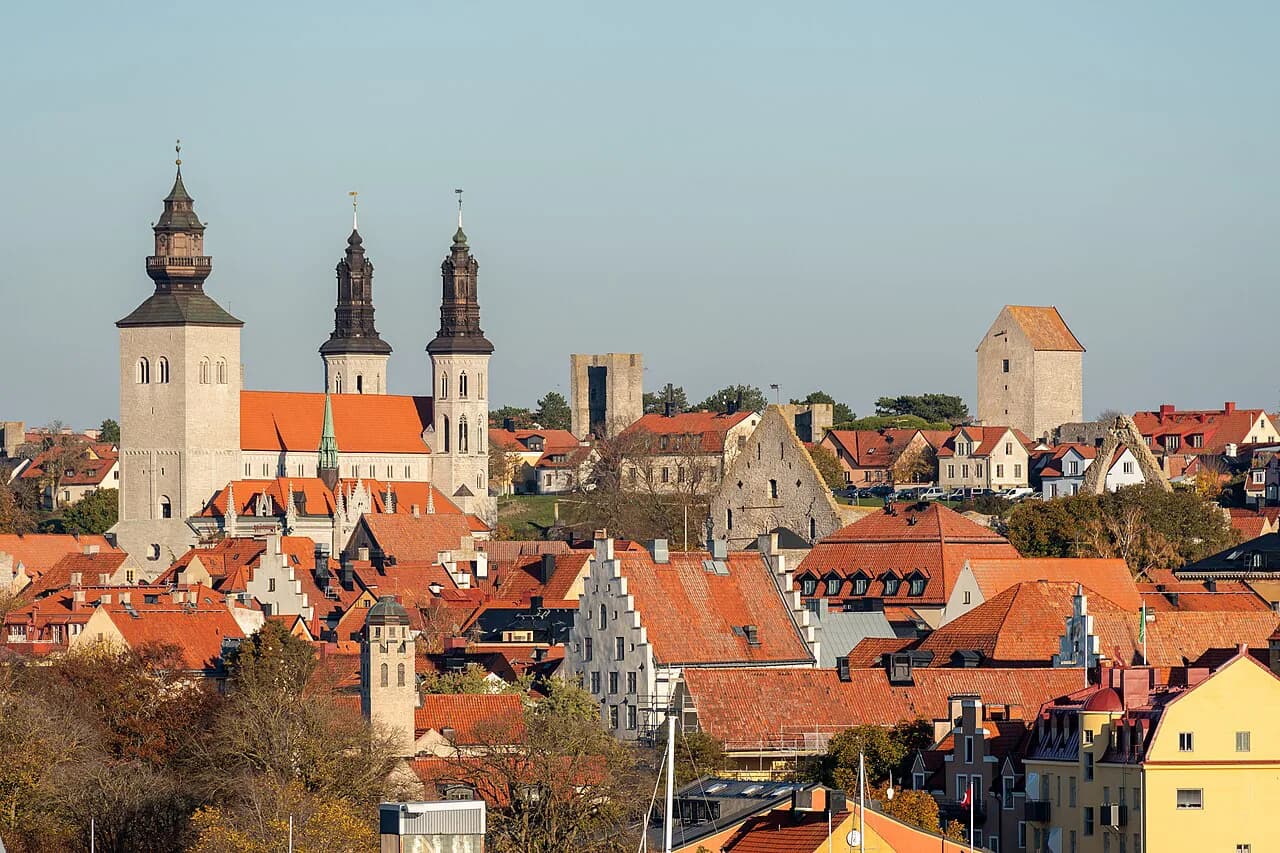
There is no Visby castle to visit. What people are usually picturing is the medieval town itself: a ring wall of nearly 3.5 kilometres with roughly 50 towers, plus a scatter of church ruins inside it, all protected as a UNESCO World Heritage site. This guide names the towers and gates worth aiming for, explains where the fortress remains sit, and shows how to fit the whole circuit into a short break.
The practical answer for a one to four day trip is simple: walk the wall in the morning, then spend the afternoon among the ruins and cobbled lanes inside it. Everything is close enough to cover on foot, so you need no transport once you are through a gate.
What people mean by 'Visby castle'
Search for a castle in Visby and the honest answer is that the fortified Old Town is the closest thing: its wall and towers are the main draw and are free to walk. Treat the town itself as the attraction rather than hunting for a single ticketed monument.
The Old Town is in such exceptional condition that Visby was made a UNESCO World Heritage site in 1995, which is why the whole circuit repays a slow walk rather than a quick photo stop.
If you want more than the walls, the town's museums and ruined churches fill the gap. Start with a broad plan of the things to do and then decide how much of your day the fortifications get.
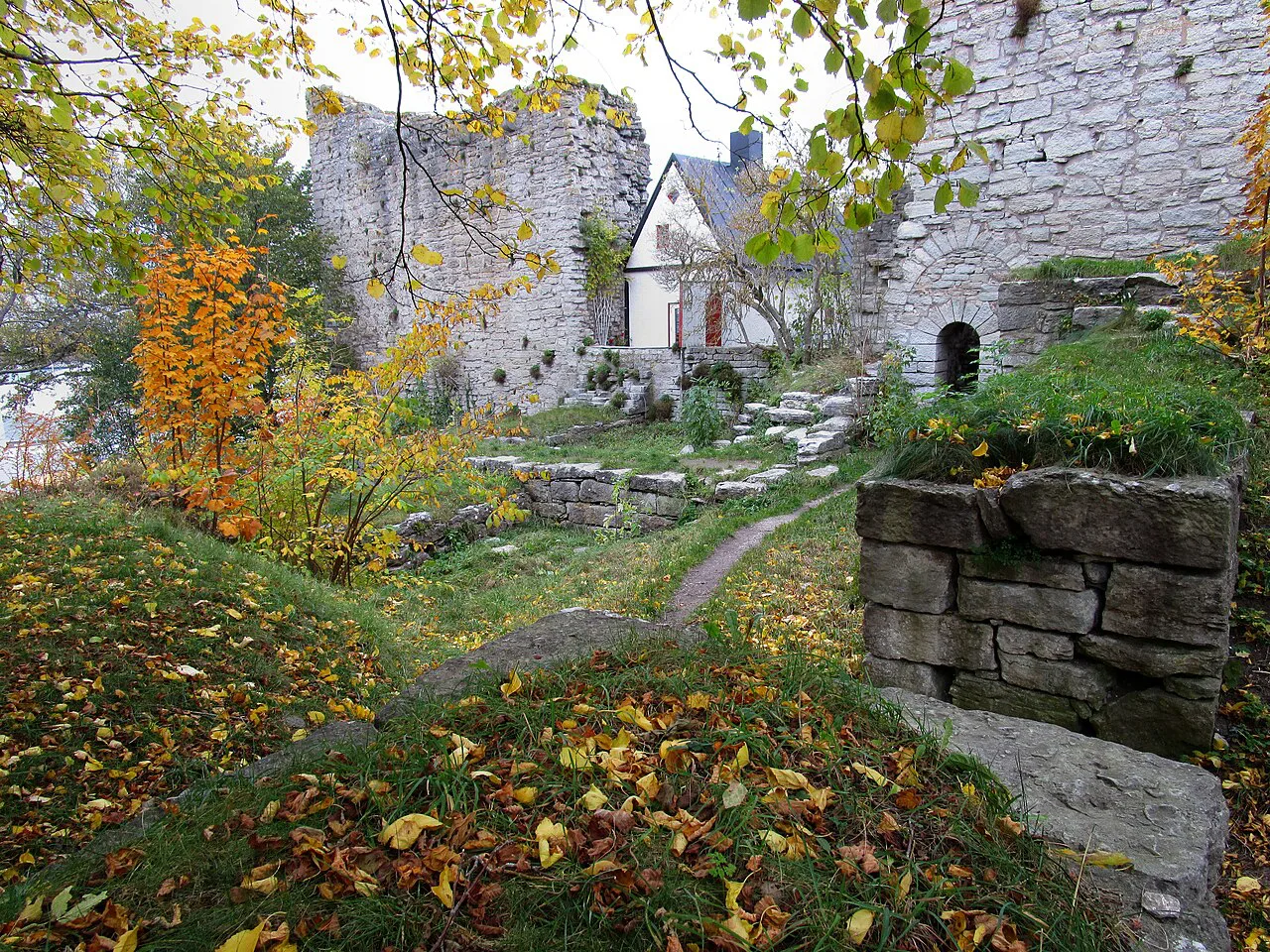
Visby ringmur: the wall, the Powder Tower and the Mill Tower
The Visby ringmur is the largest and best-preserved medieval city wall in Northern Europe, built from local limestone and mortar. It runs for nearly 3.5 kilometres around the historic core, reaches about 11 metres in places and takes in around 50 towers of varying size and shape.
Two towers are the ones to pick out. Kruttornet, the Powder Tower, is the oldest building in the fortification system, and Kvarntornet, the Mill Tower, is the other landmark on the circuit.
Construction began in earnest in the second half of the 13th century, with the East Gate appearing no earlier than 1286 and the North Gate around 1289. The wall was originally only 5 to 6 metres high, then raised by another 3 to 4 metres in the 1350s with 20 new towers added on the eastern side.
The wall is freely accessible, so there is no ticket to buy. That makes it the easiest big sight in Visby to fit around other plans, whether you have a full day or an hour before dinner.
Walking the wall: Norderport, Österport and where to start
Aim for the two main gates. Norderport in the north and Österport in the east still work as entrances into the labyrinth of narrow cobbled streets inside the ring, so they make logical start and end points rather than arbitrary breaks in the circuit.
For an easy approach, head to Donners plats or Strandgatan, two popular spots from which the wall is accessible. If you arrive by car, convenient parking sits directly at the main gates such as Norderport, so you can start your tour without searching long for a space.
Walking the outer face and the inner face gives you two different experiences of the same structure, and every bend opens new angles of stone against greenery or sea. The evening version, with the towers lit by lanterns, is a different walk again and costs nothing.
Pick a direction and keep the wall on one side until you complete the loop. Walk the outer side on the way out, then cut back through the gates and lanes on the inside so the return leg takes in the ruins and squares.
The medieval church ruins inside the Old Town
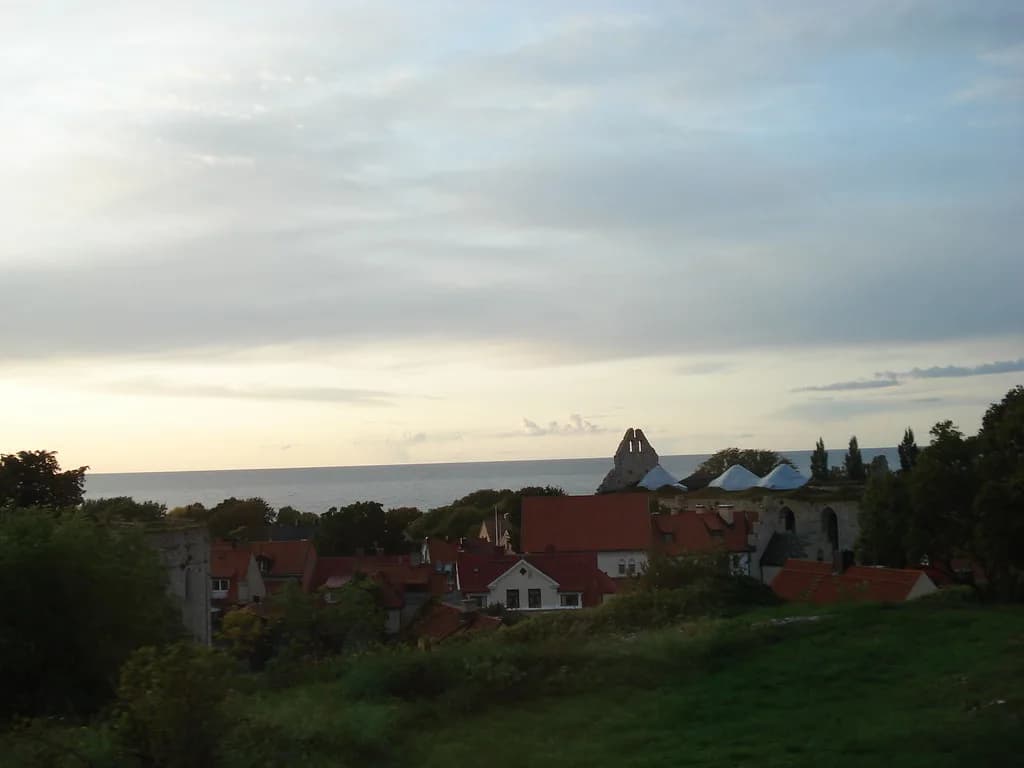
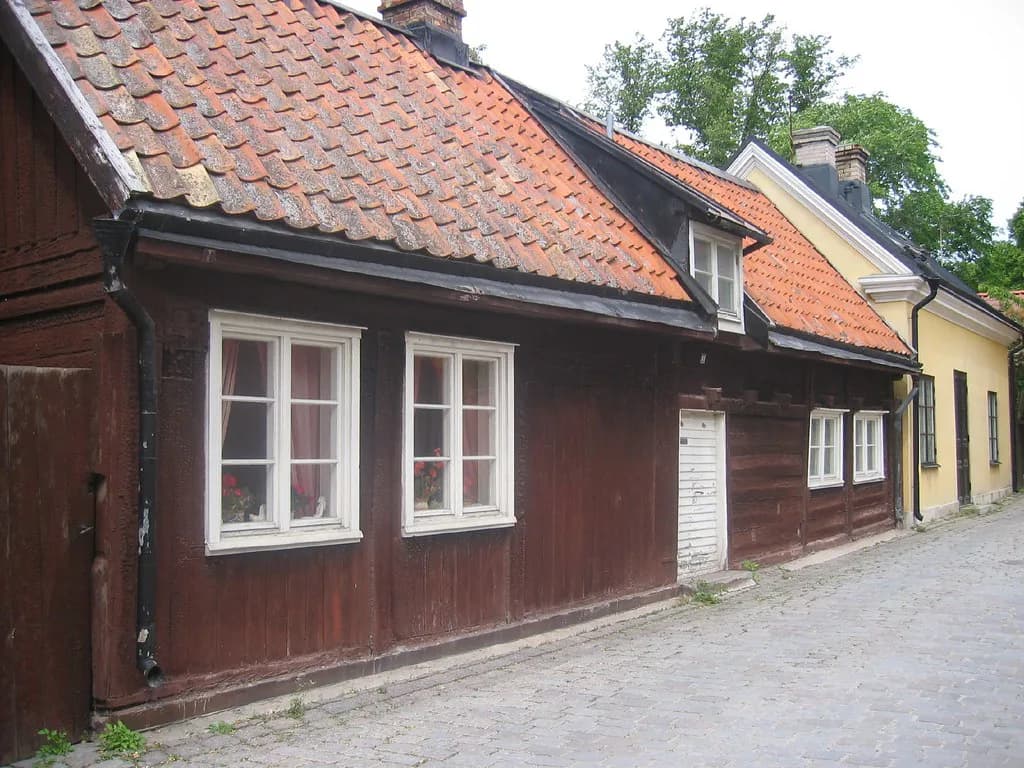
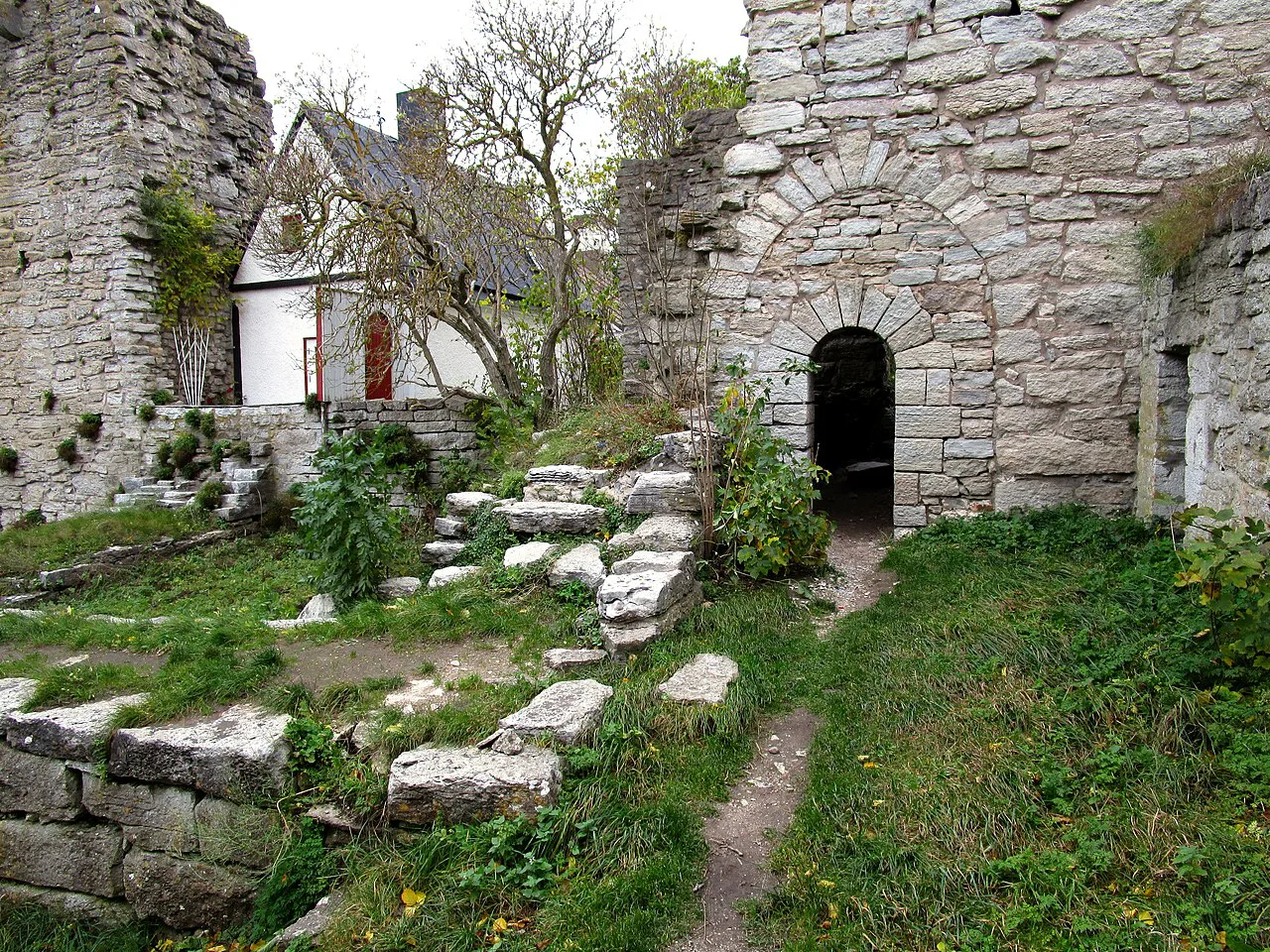
Inside the ring you will find a dense cluster of medieval ruins, ancient buildings and small squares that only make sense as a group. The ruins are not isolated monuments dotted around a modern city; they sit in the same streets as everyday shops and cafés.
Build the ruins into a loop rather than treating them as separate stops. Walk in through one gate, head for the nearest ruin, then let the cobbled lanes pull you towards the next, finishing at the opposite gate.
Visby is nicknamed the city of roses and ruins. Allow time to sit in one of the squares between sights rather than treating the town as a checklist.
Why the whole town is the UNESCO site
Visby is inscribed on the UNESCO World Heritage list as an outstanding example of medieval defensive architecture, and that listing covers the town as a whole rather than a single building. That is why there is no one castle to point at on a map.
The wall was used as a customs barrier until 1810, which forced the city authorities to keep it in good order, and a scientific restoration by the architect Emil Victor Langlet in the late 19th century preserved the medieval character. Bureaucracy and careful repair, rather than luck alone, are why so much survives.
The Hanseatic connection is the other half of the story: the wall stands as a symbol of the league's independence and prosperity. Reading the town that way turns a pleasant walk into something with a plot.
How long the wall and ruins take
Give the circuit time: a slow lap of the preserved stretch to read the towers and stop for photos, plus time to wander the lanes inside, easily fills a morning or an afternoon.
On a one day visit, do the wall early and the ruins and squares after lunch, then use whatever is left for a museum. With two or three days you can split the circuit across two walks and still leave room for a fika stop and the harbour.
The old town rewards walking more than any form of transport, so plan your day in shoes you can spend hours in. Cobbles underfoot are the only real obstacle.
Getting to Visby: ferry or flight
Visby sits on Gotland, so arrival is by sea or air. Ferries run from Nynäshamn on the mainland, and Visby Airport (VBY) receives flights from Sweden's larger cities including Stockholm.
From the port or the airport, a taxi or bus takes roughly 10 to 20 minutes to reach the historic centre. Once inside the wall, everything on this page is on foot.
If you are coming from the capital, the planning is mostly about which crossing or flight fits your day, and once inside the wall everything on this page is on foot.
When to go: summer crowds and the medieval week
Visby fills up in the warm summer months, and two weeks stand out as the busiest. Almedalen Week, usually week 26, is a forum for Swedish politics, while Stockholm Week, usually week 29, brings a week of partying from Stockholmers. Treat the week numbers as approximate rather than fixed dates.
Every August the town also hosts its medieval week, with authentic dress, feasts and jousting. That is the liveliest time to see the walls in character, and also the busiest, so book transport early if those dates matter to you.
Outside those peaks, the wall and ruins are calm enough to walk at your own pace. If you want the fortifications largely to yourself, avoid the two summer weeks and the August festival.
Is the wall worth a day of your break?
Yes, if you arrive expecting a walled town rather than a castle. The ring wall, the gates at Norderport and Österport, the towers and the church ruins together make a half day that justifies the crossing to Gotland on its own.
Build your day around a morning on the wall and an afternoon inside it, and keep the rest of the town in reserve. If you are staying longer on the island, the Things to Do in Visby guide covers what lies beyond the walls.
Explore more Visby guides
Frequently Asked Questions
Is Visby walkable?
Yes. The historic core sits inside a ring wall of nearly 3.5 kilometres, and the gates, towers, squares and ruins are all reached on foot. From the port or airport it is a short taxi or bus ride to the centre, after which you will not need transport.
Who won the Battle of Visby in 1361?
For the outcome and its context, read up on the town's medieval history before you go.
Is Gotland Danish or Swedish?
Gotland is Swedish today, and Visby's Hanseatic past is the layer most visible in its walls and merchants' townscape. The island's earlier ties to Denmark are a longer story best followed through the town's museum collections.
Sources
Notes for your next Swedish city break
Optional updates to our Sweden guides.
You might also like
Continue reading
More guides you'll find useful