
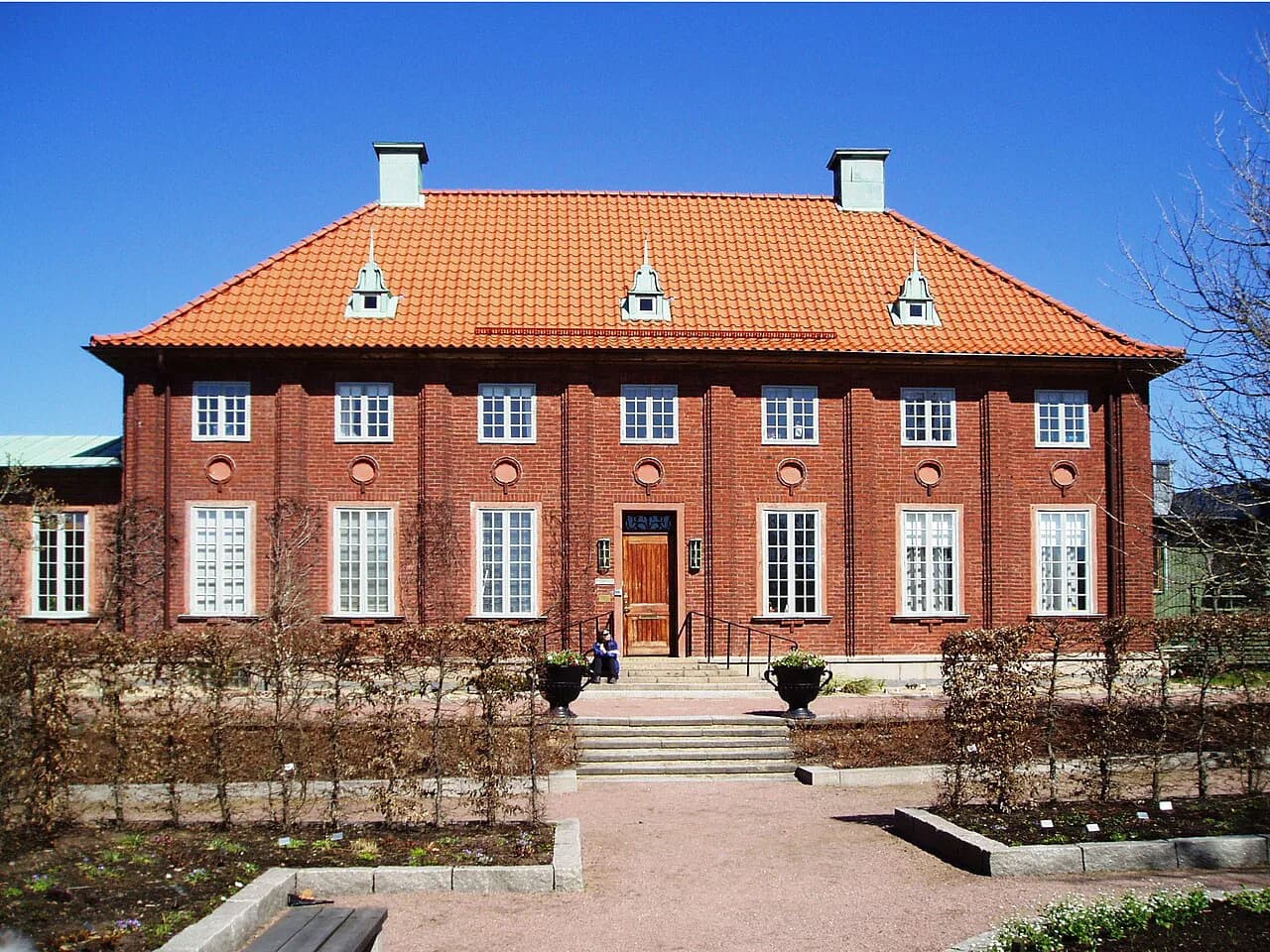
Gothenburg Botanical Garden: A Visitor's Guide

Gothenburg Botanical Garden gives you a half-day of garden walking for a voluntary 30 SEK contribution, with the grounds open every day and at all hours of the year. It is one of Europe's largest botanical gardens, holding 20,000 unique plants from 130 countries, and it was inaugurated in 1923, the year of the city's 300th anniversary. This guide covers where it sits, how to reach it, which areas repay your time and what is currently closed.
Where the garden sits and how to reach it
The entrance is at Carl Skottsbergs gata 22A, south of the city centre, with the garden running directly into the Änggårdsbergen nature reserve. The garden's own site lists the address and phone number, and a downloadable map, if you want to plan the approach before setting out.
Because the grounds are open every day and at all hours, you can arrive early or late without worrying about a gate. The buildings inside keep their own hours, so plan a daytime slot if seeing the Bergshuset glasshouse matters to you.
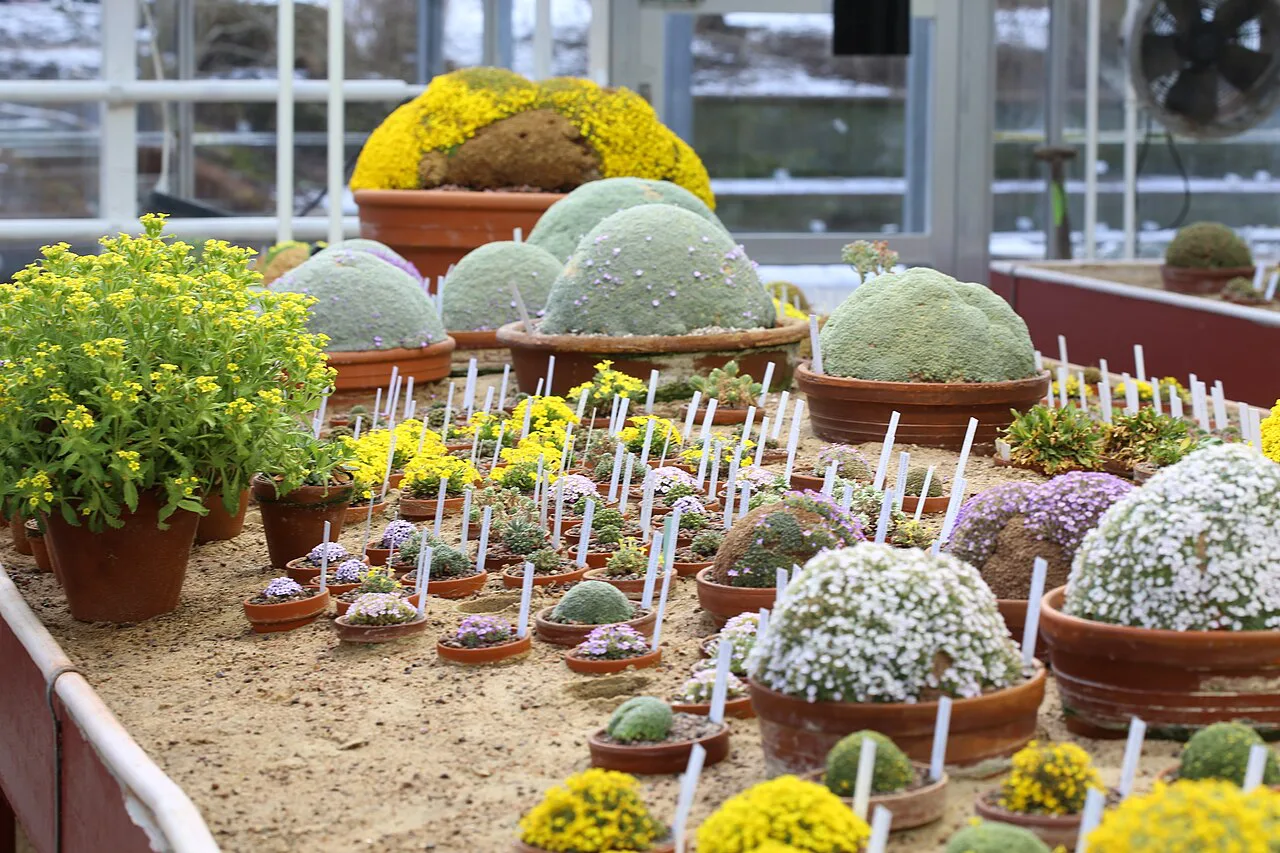

What the garden holds
The garden's collection is spread across distinct areas rather than one long border: the Rock Garden, the Japanese glade, the Horticultural Gardens, a perennial garden, a rhododendron valley and steppe plantings. Twenty thousand plants from 130 countries is a lot to absorb, so pick two or three areas and walk them properly instead of trying to tick off every bed.
Dahlias have been grown here since the garden's beginnings in 1923, and the Horticultural Gardens mix edible plants with ornamental ones. The herb garden adds medicinal plants and a small 18th-century gazebo.

The Rock Garden
The Rock Garden is the garden's showpiece, with roughly 6,000 plant species from around the world packed into a sloping, dramatic layout and a waterfall running through it. It is the area to give the most time to, both for the planting and for the view back over the garden.
The lawns below the Rock Garden are where picnics are welcome. That makes the Rock Garden a natural halfway pause rather than somewhere to rush past.
The Japanese glade and the Horticultural Gardens
The Japanese glade, known in Swedish as Japandalen, is the quiet counterweight to the Rock Garden, built around Japan's plant world and particularly striking in autumn colour. Come here after the Rock Garden if you want the visit to end calmly rather than at full volume.
Spring is the garden's bulb season: it has a long tradition of growing bulbous and tuberous plants, and the round flower beds and reflecting pond greet you at the entrance. Summer then brings perennials and summer flowers into their own.
Rhododendron valley, perennials and steppe plantings
The Rhododendron Valley grows around 80 different rhododendron species, which gives the garden a strong late-spring and early-summer moment. Beyond it, the perennial garden and the steppe plantings cover the drier, sunnier planting styles that sit oddly well beside a Swedish west-coast climate.
If you only have an hour, these are the areas to leave out rather than squeeze. They reward a slower second visit more than a hurried first one.
The arboretum in Änggårdsbergen
Walk on past the garden boundary and you reach the Änggårdsbergen nature reserve, where the garden's arboretum holds around 300 different tree species. This is a genuine extension of the visit rather than a separate trip, and it suits anyone who wants a longer walk after the formal beds.
The reserve is a nature area, not a manicured park, so wear shoes that cope with paths rather than lawns. It also adds distance to your day, which matters if you are fitting the garden around other Gothenburg sights.
Greenhouses: what is open and what is coming
The Bergshuset greenhouse is the one currently open, from 10:00 to 16:00. The other greenhouses are closed while new buildings are completed, so do not arrive expecting tropical houses.
New greenhouses and a visitor centre are planned, with the buildings due in 2028 and open to the public in 2030. When they arrive they will run from cold alpine zones to warm tropical ones, which will change what a visit here feels like.
Admission and opening times
Admission for visitors is a voluntary 30 SEK, while tour operators and bus companies pay 30 SEK per visiting person. Treat the visitor contribution as a donation rather than a ticket gate.
The garden itself is open every day, at all times, all year round. The Bergshuset glasshouse keeps a 10:00 to 16:00 window, so build your timing around that rather than the gate.
The Botanical Paviljongen café
The café and restaurant, Botanical Paviljongen, sits about 400 metres into the garden and serves coffee and lunch with an outdoor terrace for good weather. It is open all year round but not every day, so check the café's hours on the garden website before you build a lunch stop around it.
There are maps and brochures in the shop, or a downloadable garden map if you want the layout on your phone. The garden's app offers three guided walks if you prefer some structure to a wander.
Dogs, picnics and visitor rules
Dogs are not allowed between 1 March and 30 September, because of the fragile planting, but they are welcome from 1 October to 28 February. If you are travelling with a dog in the growing season, plan around the garden rather than through it.
Picnics on the lawns below the Rock Garden are fine, but barbecues, ball games and running through the plantings are not. The rules are about protecting the collection, so keep children on the open grass rather than in the beds.
How long to allow
A realistic half-day covers the Rock Garden, the Japanese glade and one or two more areas at an unhurried pace, plus a pause at the café or on the lawn. Because the grounds are open every day and at all hours, you can shorten or stretch this without losing money, which makes it an easy filler on a packed city break.
If you add the arboretum walk in Änggårdsbergen, budget more time and better footwear. Pair the garden with Skansen Kronan if you want a viewpoint in the same half of the city.
What to pair with a visit
Slottsskogen, Gothenburg's large city park, is the obvious companion stop, with its own open spaces for children. Combining the two makes a green, low-cost day rather than a museum-heavy one.
Other Gothenburg options for a second half-day include the city's wider spread of sights, from the harbour-side Feskekörka to the city-centre squares. If you are weighing up the garden against an indoor attraction on a wet day, remember that the greenhouses are closed apart from the Bergshuset, so there is limited under-cover space.
What to skip or save
Skip the closed greenhouses entirely on this visit and do not plan around tropical plantings until the new buildings open. Save the perennial garden and steppe plantings for a return trip if your time is short, and leave the arboretum for a day when you want a proper walk.
Is the botanical garden worth a half-day?
Yes, if you want an unhurried outdoor morning with a genuine showpiece in the Rock Garden and a voluntary 30 SEK contribution rather than a ticket price. It is less compelling for anyone hoping to shelter indoors, since only the Bergshuset glasshouse is open.
Go in spring for bulbs and rhododendrons or in autumn for the Japanese glade, arrive within the 10:00 to 16:00 glasshouse window and keep the arboretum as your optional extension.