

Gothenburg City Museum: what to see in the East India House
Gothenburg City Museum is worth an hour or two of a city break, mainly for one object: the Äskekärrsskeppet, the only exhibited Viking ship in Sweden. It sits inside the 18th-century East India Company house at Norra Hamngatan 12, on the canal in the old centre, so it slots easily into a morning or a wet afternoon. This guide covers what is inside, how long to allow, how to check tickets and opening hours, and what is within a few minutes' walk.
The museum also appears under its Swedish name, Göteborgs stadsmuseum. Its displays run from the earliest settlers in this part of Sweden through 19th-century daily life to modern industrial Gothenburg, with temporary shows and guided city walks layered on top.
Where the museum is: Norra Hamngatan 12
The museum occupies the East India House, an 18th-century building on Norra Hamngatan 12, close to the canal in the old centre of Gothenburg. That address puts it within easy walking distance of the central squares and the waterfront, which makes it a natural stop rather than a separate trip out of town.
Because it is central, you can pair it with a wander along the canals or a look at the nearby shopping streets without planning transport. If you are building a wider shortlist of sights across the city, our Gothenburg Attractions: 21 Visitor Guides collection covers the districts and how they fit together.


What you see inside: 12,000 years of city history
The permanent route starts deep in prehistory, with remains showing how people lived in this part of Sweden around 12,000 years ago. It then moves through 19th-century life and the growth of modern industrial Gothenburg, so the museum works as a single narrative of why the city looks the way it does.
The star exhibit is the Äskekärrsskeppet, described as the only Viking ship on display in Sweden. If that is your reason for coming, head for it first and then work back through the earlier and later galleries at your own pace.
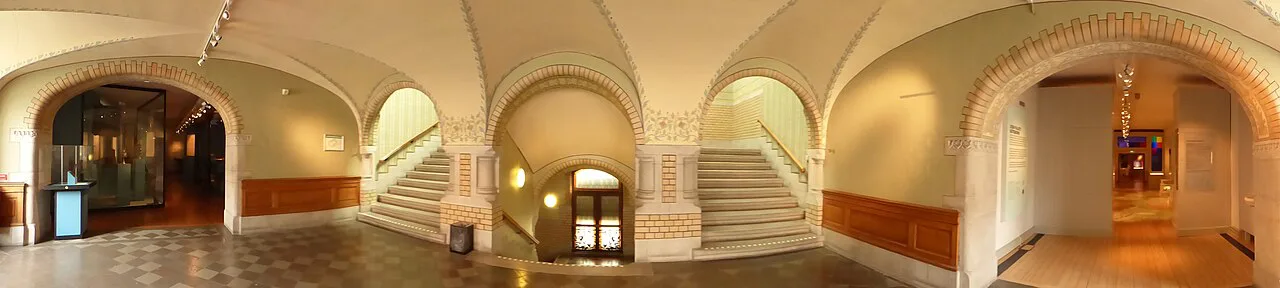
The East India Company house itself is part of the appeal: the staircases and rooms are as much a slice of 18th-century mercantile Gothenburg as the objects. Allow for plenty of standing and a fair bit of walking between galleries.
Why Gothenburg is called the Swedish Amsterdam
The museum explains why Gothenburg earned the nickname the Swedish Amsterdam, tied to its canals and the trading companies that shaped the city. That makes it a good first stop if you want the city's layout and economy to make sense before you walk it.
You are standing in the building that housed the East India trade, so let the house and the collection work together. The building's mercantile past is the distinctive layer that sets this museum apart from a general history collection.
Temporary exhibitions, guided tours and city walks
Alongside the permanent galleries, the museum runs temporary exhibitions on current topics as well as guided tours and city walks. These change through the year, so check the programme on the museum's official site before you travel rather than assuming a particular show will be running.
One example of how far ahead the programme runs is a Landshövdingehus exhibition — on the characteristic Gothenburg apartment buildings — listed for October 2026 to November 2027. Treat any single listing as a date to verify on the museum's own calendar before you travel.
A guided city walk is a sensible add-on if you have already spent time inside, because it connects the objects to streets you can then recognise. Book or confirm times through the museum before you commit a slot in a short break.
The Children's Museum, shop and café
Families get a dedicated play room, the Children's Museum, inside the building, which gives younger children something to do while adults finish the galleries. The museum also has a shop, a café and a restaurant, so you can break up a visit without leaving the East India House.
If you are travelling with children and want more open-air space afterwards, Slottsskogen, Gothenburg has free parkland, play areas and the Barnens Zoo to run off energy. It is a different kind of outing, so pick one or the other rather than trying to do both in a single afternoon.

How much time to allow
Budget about one to two hours for the permanent displays, and add half an hour if you want the temporary exhibition and a proper stop in the café. If time is tight, a focused loop around the prehistoric galleries and the Viking ship can be done in under an hour.
On a two- or three-day break it fits neatly as a wet-weather or late-morning stop, leaving the afternoon for the canals and squares outside. If you only have one day, treat it as an optional extra and prioritise the outdoor city first.
Tickets and opening hours
Opening hours and admission are set by the museum, so check before you set out. The museum lists current times and prices, along with contact details for questions about group visits or accessibility.
Do not rely on figures quoted in old reviews or forum posts, as they go out of date quickly. A TripAdvisor review mentions an admission charge of 70 kr, but it is undated and not a current figure, so plan around what the museum itself lists.
Sweden is largely cashless, so expect to pay by card if there is a charge. Whether the museum is included in any city card is not fixed here — settle it on the official site before you buy one.
What is nearby on the canal and in the old centre
The old centre around Norra Hamngatan is compact, so you can walk from the museum to the canals, the shopping streets and the waterfront in minutes. That makes it easy to fold the visit into a broader loop of the centre rather than treating it as a separate excursion.
For a contrast in scale and setting, Skansen Kronan, Gothenburg sits on its hill above the Haga district, a short ride or a longer walk away. It is an outdoor viewpoint rather than a museum, so it pairs well with the indoor history you have just seen.
If you are building a museum day, the Röhsska Museum covers design and craft and the Gothenburg Maritime Museum and Aquarium covers the port side of the city's story. Both are separate visits, so pick the one that matches your interests rather than trying to squeeze in all three.
Travellers with a car or a spare half-day sometimes head out to the Gothenburg Botanical Garden for a quieter change of scene. It rewards a longer stay than a quick look, so slot it into a different part of your trip.
Is the city museum worth an hour of your trip?
Yes, if you want one clear telling of Gothenburg's story and the only Viking ship on display in Sweden. It is central, indoors and easy to fit around the canals, which makes it a reliable choice when the weather turns or when you have a spare morning.
Check the official site for the day's opening hours and admission before you go, then build the rest of the day around the old centre. If you have more time, the Röhsska Museum and the Maritime Museum are the natural next stops on a museum-focused break.
Explore more Gothenburg guides
Frequently Asked Questions
Do I need to book Gothenburg City Museum in advance?
Advance-ticket and booking arrangements are best confirmed with the museum before you travel. Guided tours and city walks may need booking, so check those separately if you want to join one.
Is the Viking ship included in normal admission?
The Äskekärrsskeppet is part of the museum's own collection, displayed inside the East India House, so it is shown as part of the museum visit. Check the current ticket terms on the official site before you go.
How do I get to Norra Hamngatan 12?
The address is in the old centre of Gothenburg, within walking distance of the central squares and the canal. If you are coming from further out, use the city's trams or buses to reach the centre and walk the last few minutes.