
Slottsskogen: Gothenburg's Big City Park and Free Zoo

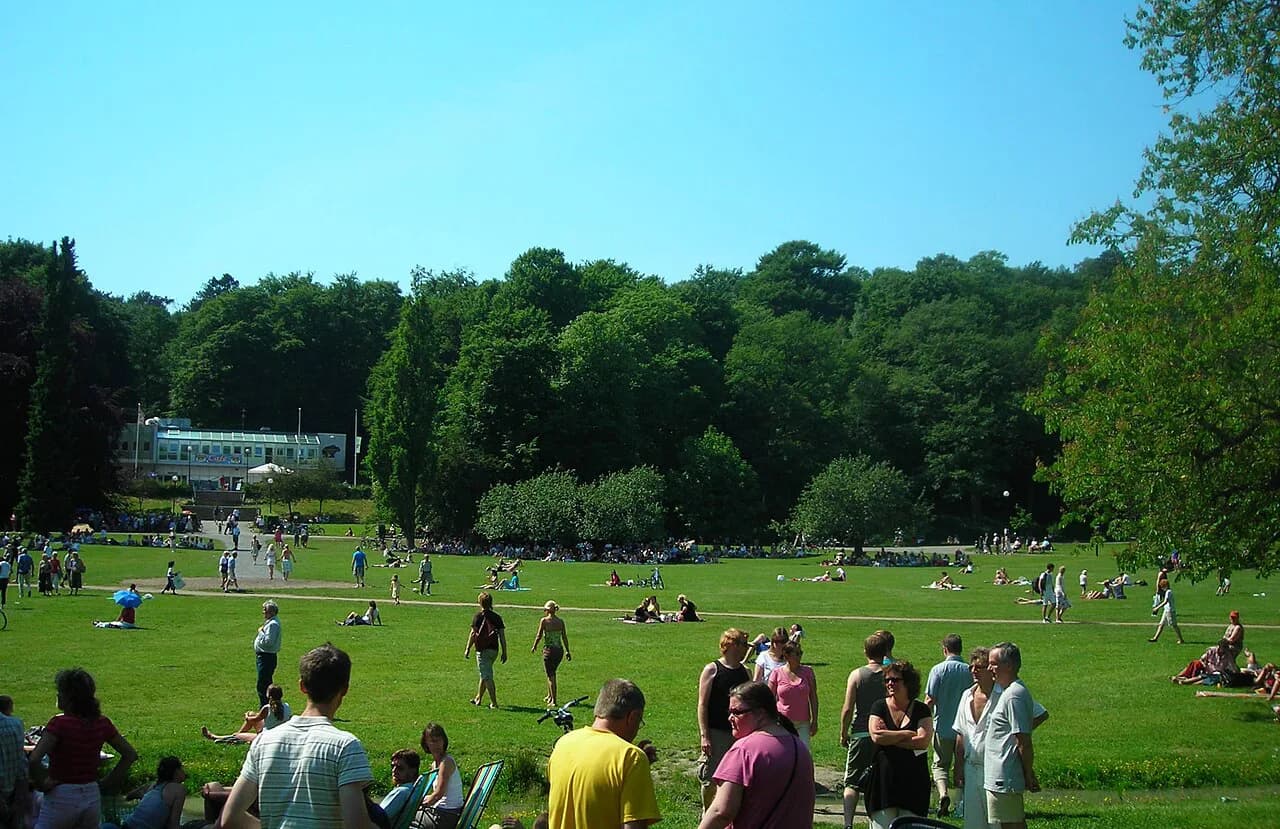
Slottsskogen is worth half a day, and the animal park inside it costs nothing to enter and stays open all year. The park's pull is that mix of free wildlife, spring blossom, playgrounds and woodland walking in the middle of Gothenburg rather than manicured garden design. This page covers what is inside, where the entrances and cafés sit and how to pace a visit around the things that actually justify the trip.
Set your expectations sensibly: most of the park is ordinary native forest of lime, beech, maple and several kinds of oak, so the highlights are clustered rather than spread evenly. Plan around the djurpark, Azaleadalen in late spring and the big playgrounds, and treat the rest as pleasant connecting paths.
What Slottsskogen is and why it is worth an afternoon
Slottsskogen is a wide nature and recreation area in the middle of the city, with a blend of planned parkland and natural forest. The city's own pages describe it as a place for relaxation, running and picnics, with cafés, an animal park and playgrounds in and around it. That combination is what makes it an easy half-day rather than a quick photo stop.
The honest trade-off is that this is not a formal landscape garden. Much of the area is native woodland, so the memorable stops are specific: the free animal park, the azalea valley in bloom, the adventure playgrounds and the observatory on the northern hill. If you want designed beds and glasshouses instead, a botanical garden is the better fit; Slottsskogen rewards a slower wander with animals and open lawns.
The park also hosts large and small events through the year, most visibly the Way Out West music festival, which fills the park with music over a few August days. If your dates overlap a festival, expect crowds and temporary changes to how you move through the site.

Where Slottsskogen sits in Gothenburg and how to reach it
Slottsskogen occupies a large green wedge in the city's western-central area, with residential districts around it and the river and harbour further north. Because it is so big, it helps to decide which side you want before you set off: the animal park and central lawns pull you towards the middle, while the observatory sits on a height in the northernmost part of the park.
The park has been a recreation spot for Gothenburg residents for well over a century, which is why paths thread through it in several directions rather than converging on one grand entrance. Coming from the Haga direction, you can walk up past the wooded slope; from the river side, the approach is longer and gentler.
Trams and buses serve the streets around the park, and the city's visitor pages link out to directions and public transport for the site. Check the route for the specific gate or café you are aiming for, since arriving at the wrong edge can add a long walk before you reach the animals.

The djurpark: elk, Gotlandsruss, gutefår and Humboldt penguins
The animal park is the reason many visitors come, and it is free to enter and open all year. Inside you can see elk, Gotlandsruss ponies, gutefår sheep and other Nordic animals, plus Humboldt penguins swimming in their enclosure. Feeding times for the seals and penguins are the moments worth timing a loop around.
Allow roughly an hour for the animal park alone if you want to see the main enclosures without rushing, and longer with children who want to linger. Paths connect it to the central lawns and cafés, so it slots naturally into the middle of a half-day route rather than at the very start.
Barnens Zoo, pony riding and the April to September season
Barnens Zoo, the children's zoo where animals can be approached and handled, and the pony riding run on a seasonal basis from April to September. Do not assume they operate outside that window: the year-round promise applies to the wider animal park, not to these two.
The children's zoo sits a short walk from Café Björngårdsvillan, which makes it a sensible midpoint for a family break. If your trip falls outside the April to September months, build the day around the free animal park, the playgrounds and the woodland walks instead.
Azaleadalen and the late-spring flowering
Azaleadalen is the park's signature spring sight, when the azaleas and rhododendrons come into colour, typically during May and early June. The azalea is not a native plant here but has become a symbol of the valley, and the blooming is a genuine reason to choose late spring over Midsummer for a visit.
Flowering depends on the weather that year, so treat those weeks as the usual window rather than a fixed date. Arrive early in the day for quieter paths and softer light in the valley, and combine it with the nearby animal park on the same loop.
Rhododendrondalen, the ponds and the woodland walks
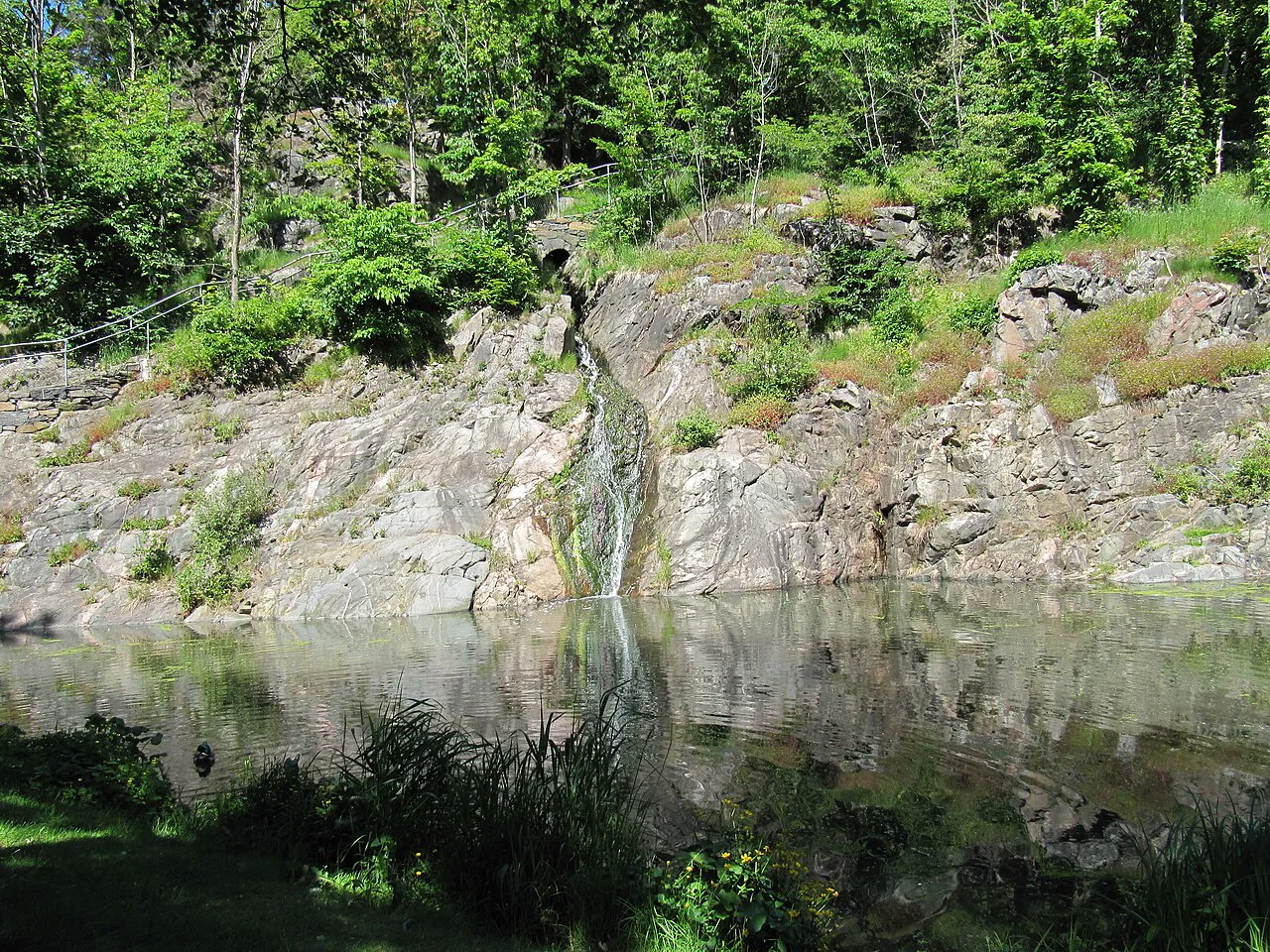
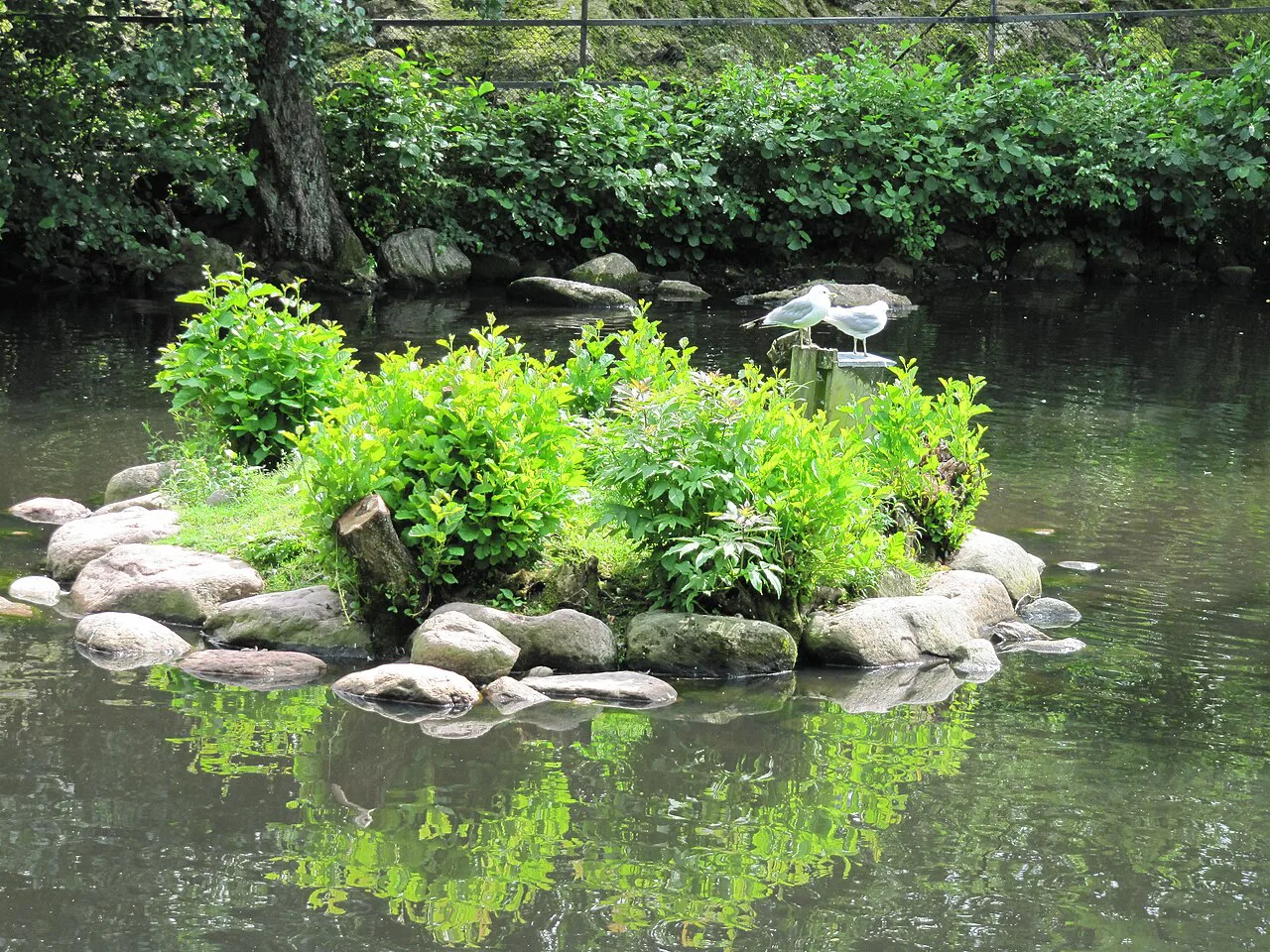
Rhododendrondalen holds exotic plantings including metasequoia, and below Björngårdsvillan you will find tall Serbian spruce among the native trees. The park contains around ten ponds that serve as habitats for plants and animals, which is why the walking feels more like countryside than city park in places.
Stora Dammen is the large pond where Villa Belparc sits, and it makes a natural turning point for a loop through the middle of the park. The old police station known as Polisvakta, a small museum building along the main path, is an easy historic pause on the way through.
Playgrounds: Plikta and Naturleken
Plikta is the big adventure playground and the obvious draw for families, with a wide spread of play areas to explore. The city was upgrading and developing it between mid-February and the end of June 2025, a dated works period, so any older reports of closures and hoardings belong to that window rather than describing the current state of the site.
At the other end of the park, Naturleken offers a nature-themed play area that suits a second stop if you are walking the length of Slottsskogen. Beyond playgrounds, the park has volleyball courts, minigolf and outdoor gym equipment, so a family can fill a couple of hours without leaving the grounds.
Slottsskogsobservatoriet on the northern hill
Slottsskogsobservatoriet sits on a height in the park's northernmost section and is the place to learn about stars and planets. It is a short detour from the main paths but involves a climb, so save it for the end of a walk rather than the beginning if you have children in tow.
Cafés inside the park
Café Azalea sits at the junction of Säldammsbacken and Vedbacken, serving light meals, sandwiches, cakes and ice cream, much of it from local Gothenburg producers. It is the most convenient stop near the azalea valley side of the park.
Villa Belparc, by Stora Dammen, is the more substantial option, with a café setting and often an ambitious concert programme over the summer. Café Björngårdsvillan lies in the middle of the park in a building dating from 1906, close to Barnens Zoo, and works well for coffee or a light lunch.
Check the individual cafés' opening days before you rely on one for a late lunch; the Haga neighbourhood is a short walk away and has plenty of places to eat as a fallback.
How much time to allow and a half-day route
Three to four hours covers the animal park, one playground and a café stop comfortably, with time left for the azalea valley in season. A sensible order is to start at the animal park, walk through to Azaleadalen and the ponds, break at one of the cafés, then finish at the playgrounds or the observatory hill.
If you only have an hour, skip the full loop and concentrate on the free animal park plus the nearest playground. The scale of the park means that trying to see everything quickly turns a pleasant walk into a route march, especially with children.
Nearby: what else to pair with a Slottsskogen visit
Skansen Kronan, the 17th-century fortification on its rocky knoll, is a short walk from the park's northern side and gives a rooftop-style view back over the city. Pair it with Slottsskogen for a morning in the park and an afternoon viewpoint climb; the walk between them is uphill but short.
The Natural History Museum is close enough to combine with a park visit, and its displays on the history of life and animal diversity suit the same family audience as the djurpark. Further afield, the harbour-side Feskekörka and the city centre sights make a natural second half of the day.
Is Slottsskogen worth a half-day?
Yes, if you want a free, green, family-friendly break from the city streets and are happy with woodland and wildlife rather than formal gardens. The free year-round animal park, the spring azaleas and the playgrounds carry the visit; the rest is pleasant walking between them.
Come in May or early June for the blossom, check the cafés and Barnens Zoo season before you go, and pair the visit with Skansen Kronan or the Natural History Museum to fill the day.
Explore more Gothenburg guides
Frequently Asked Questions
Is Slottsskogen free to enter?
Yes. The park itself and the animal park inside it are free to enter, and the animal park is open all year. The children's zoo and pony riding run seasonally from April to September.
Does Slottsskogen have a zoo?
It has a free animal park, known in Swedish as a djurpark, with elk, Gotlandsruss ponies, gutefår sheep and Humboldt penguins. A separate children's zoo with animals to handle operates from April to September.
When is the best time to see the azaleas in Slottsskogen?
The azaleas in Azaleadalen typically flower during May and early June. The exact timing shifts with the weather each year, so it is a window rather than a fixed date.