
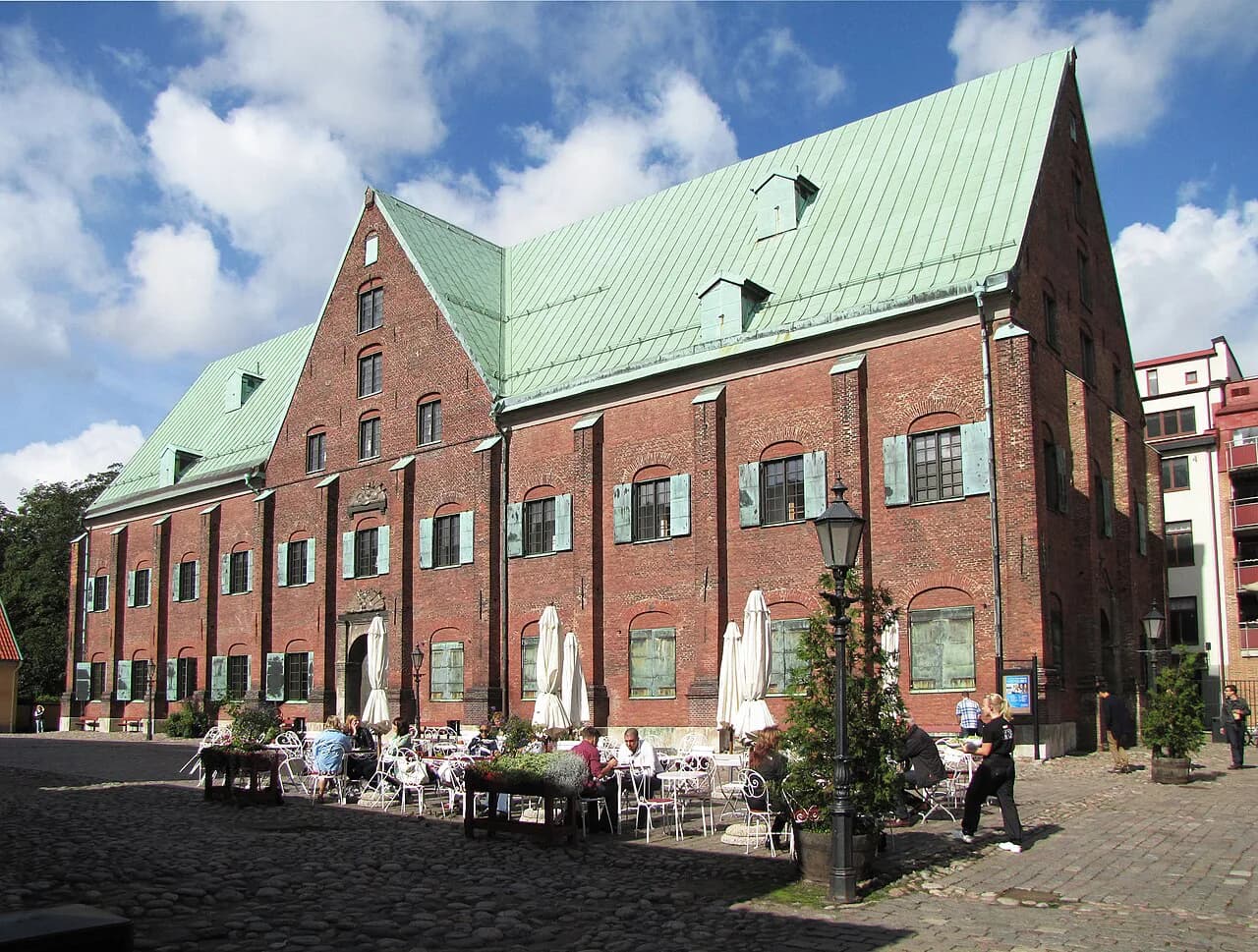
Kronhuset and Kronhusbodarna: Gothenburg's Oldest Building and Craft Courtyard

Kronhuset is a short, rewarding stop in central Gothenburg: one of the city's oldest buildings and its best-preserved 17th-century structure, with a courtyard of craft studios tacked on. Allow 30 to 60 minutes, more if you stop at Café Kronhuset or browse the ceramics and leather workshops in Kronhusbodarna. This guide covers where it is, how to walk there, what to see inside and around it, and how it slots into a central walk between Gustaf Adolfs Torget and Nordstan.
What Kronhuset is and why it is worth a look
Kronhuset is a redbrick building in Västra Nordstaden, begun in the mid-1600s and completed in 1654 as a military storehouse for uniforms and equipment. It has been a protected building since 1968 and is now run by Higab as a cultural venue, with Kronhuset used as a concert hall by the Göteborg Wind Orchestra. It is not Sweden's oldest building, but it is one of Gothenburg's oldest and the city's best-preserved 17th-century building, which is the reason to come.
The building matters for two reasons beyond its age. In 1660 the four-year-old Karl XI was proclaimed king here, and the Kingdom Hall where that happened has been reconstructed. The red brick and the building's long use as a military storehouse give you a sense of how a 17th-century depot worked, which is more interesting than the plain exterior suggests.
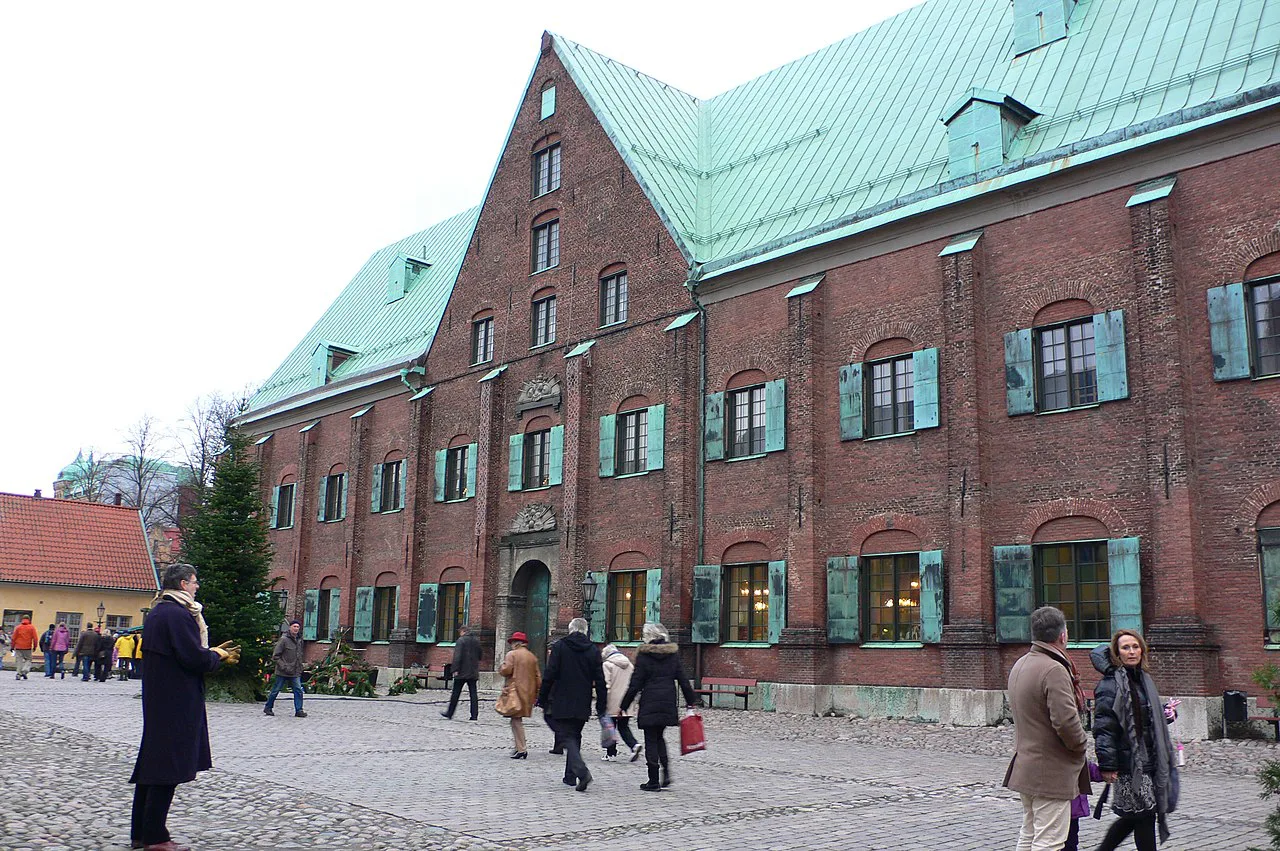

Where Kronhuset sits in Gothenburg and how to walk there
The address is Kronhusgatan 1D, behind Gustaf Adolfs Torget and a few minutes' walk from the Nordstan shopping mall. If you are coming from the central station or Brunnsparken, walk south through Nordstan and out towards Gustaf Adolfs Torget; the brick building and its low surrounding sheds are tucked just behind the square. The walk from the square takes two to three minutes, and the courtyard entrance is easy to miss, so look for the low yellow ochre sheds rather than a grand façade.
Because it sits in the middle of the commercial centre, Kronhuset works best as a stop woven into a central walk rather than a destination in its own right. Pair it with Gustaf Adolfs Torget, Nordstan and the waterfront, or use it as a rain-proof pause between shopping and the canals. The wider Gothenburg Attractions: 21 Visitor Guides collection shows how the central sights cluster within walking distance.
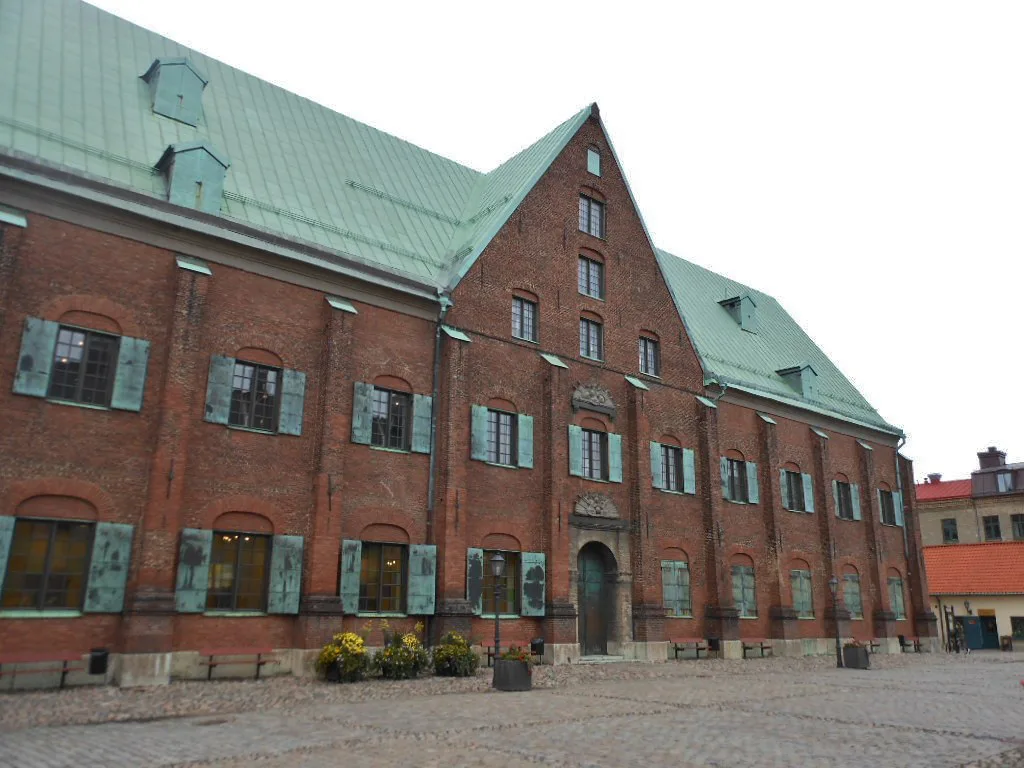
The building itself: red brick, the Kingdom Hall and the 1660 royal proclamation
Kronhuset's Kingdom Hall is the space to look for, and the building's history as a military storehouse explains its original purpose. The hall is a reconstruction rather than the original fittings, so treat it as a way of understanding the 1660 proclamation rather than as a surviving royal interior. Construction took around twelve years, from 1640 to 1654, which explains the solid, utilitarian feel of the brickwork.
The building survived the 1746 fire that destroyed the wooden houses around it, and the stone replacements built afterwards still frame the courtyard today. That fire is the reason the courtyard looks as it does: the original wooden sheds burned, and the stone rows you walk between date from the 1750s. Reading the building this way turns a five-minute photo stop into a fifteen-minute look.
Kronhusbodarna: the 18th-century sheds now used as craft studios and shops
Kronhusbodarna is the name for the small rows of sheds around Kronhuset, built in the 1750s as warehouses and workshops for gunsmiths, saddlers and turners. Since the 1970s they have been used as a craft centre, with small shops selling chocolate, caramels, ceramics, leather goods and interior furnishings. It is worth separating the two in your head: Kronhuset is the 17th-century brick building, Kronhusbodarna is the 18th-century courtyard around it.
The craft shops are the reason to linger rather than just photograph the brick. A pottery shop takes special orders for ceramics, and a leather workshop sits alongside the café and patisserie units, so you can browse handmade goods in a courtyard that still feels like a working craft yard. This is also a sensible place to pick up a small, genuinely local gift rather than a generic souvenir from Nordstan.
What you can do on site: Café Kronhuset, craft shops and ceramics
Café Kronhuset is the obvious pause, a cosy café in a 17th-century setting where you can have a coffee and a snack between shops. Beyond the café, the site offers the concert hall, an interior store, the pottery shop and the leather workshop, so a short visit can easily stretch to an hour if you browse properly. There is no need to plan a half-day around it; the pleasure is in the compactness.
If you want a proper sit-down meal rather than a coffee, the surrounding centre has plenty of options; keeping Kronhuset as a coffee-and-craft stop leaves room for lunch elsewhere. The courtyard is small and mostly outdoor, so it is best in dry weather, though the shops and café give you somewhere to duck in if it turns.
How long to allow and how to combine it with Gustaf Adolfs Torget and Nordstan
Thirty minutes covers the building, the Kingdom Hall and a quick loop of the sheds; sixty minutes lets you add a coffee and a proper browse of the ceramics and leather shops. Build it into a central walk that takes in Gustaf Adolfs Torget, Nordstan and the canal-side streets, rather than making a separate trip. If you are planning a broader day, the things to do in Gothenburg guide helps you slot Kronhuset in among the bigger sights.
Two nearby comparisons are worth knowing. Skansen Kronan, the 17th-century fortification on the hill above Haga, gives you city views and a different slice of Gothenburg's military history, while Slottsskogen offers a large park with Barnens Zoo if you are travelling with children. Both need more time than Kronhuset, so treat them as separate outings rather than add-ons to the same hour.
Opening hours and where to confirm events before you go
Kronhusbodarna lists opening hours of Monday to Friday 10.00–17.00 and Saturdays 11.00–15.00, which is when the craft shops and café are most likely to be open. Individual shops within the courtyard can keep their own hours, so check the shop listings on the same site if you are coming for a specific workshop. The building also hosts concerts, festivals and Christmas events, including Kronhusjul advertised as 25 November to 20 December 2026, so a visit during an event will feel busier than a normal weekday.
The cost of your visit is whatever you spend in the café or craft units, with no fixed admission and no need to book to browse the courtyard and shops. For concert times and any seasonal programme, the Gothenburg city guide site lists events at Kronhuset; confirm times there before planning an evening around a performance.
Nearby sights within a few minutes' walk
Gustaf Adolfs Torget, the square with the statue of the city's founder, is two minutes away and the natural starting point for the walk. Nordstan is immediately north for shopping and shelter, and the central canals are a short walk west. These are the sights you will pass anyway, which is exactly why Kronhuset suits a central hour rather than a dedicated trip.
If you are building a longer central day, Götaplatsen with its museums and the Avenyn boulevard are a tram ride or a 25-minute walk south, and Feskekörka, the fish market hall, sits by the canal to the south-west. Both reward more time than Kronhuset, so plan them as their own stops and keep the craft courtyard as the short, easy pause between them.
Is Kronhuset worth the stop?
Yes, if you are already in the centre: it takes under an hour, and it gives you a genuine 17th-century building plus a craft yard that most short city itineraries skip. Do not build a half-day around it, and do not expect a museum with ticketed galleries. Slot it between Gustaf Adolfs Torget and Nordstan, check the shop hours if you want a specific workshop, and leave time for a coffee at Café Kronhuset.
For the rest of your planning, compare it with the bigger Gothenburg attractions and decide how much of your central day you want to give to history versus parks and museums. Kronhuset is the low-effort, high-character stop that fills a gap between two larger sights.
Explore more Gothenburg guides
Frequently Asked Questions
Is Kronhuset the oldest building in Sweden?
No. It is one of Gothenburg's oldest buildings and the city's best-preserved 17th-century building, completed in 1654, but there is no claim that it is Sweden's oldest. Sweden's oldest surviving buildings are medieval churches and stone structures elsewhere in the country.
Do you need tickets for Kronhuset and Kronhusbodarna?
There is no fixed admission to browse the courtyard and craft shops, so you pay only for what you buy in the café or workshops. Concert and event tickets are separate, and times are listed on the Gothenburg city guide site.