
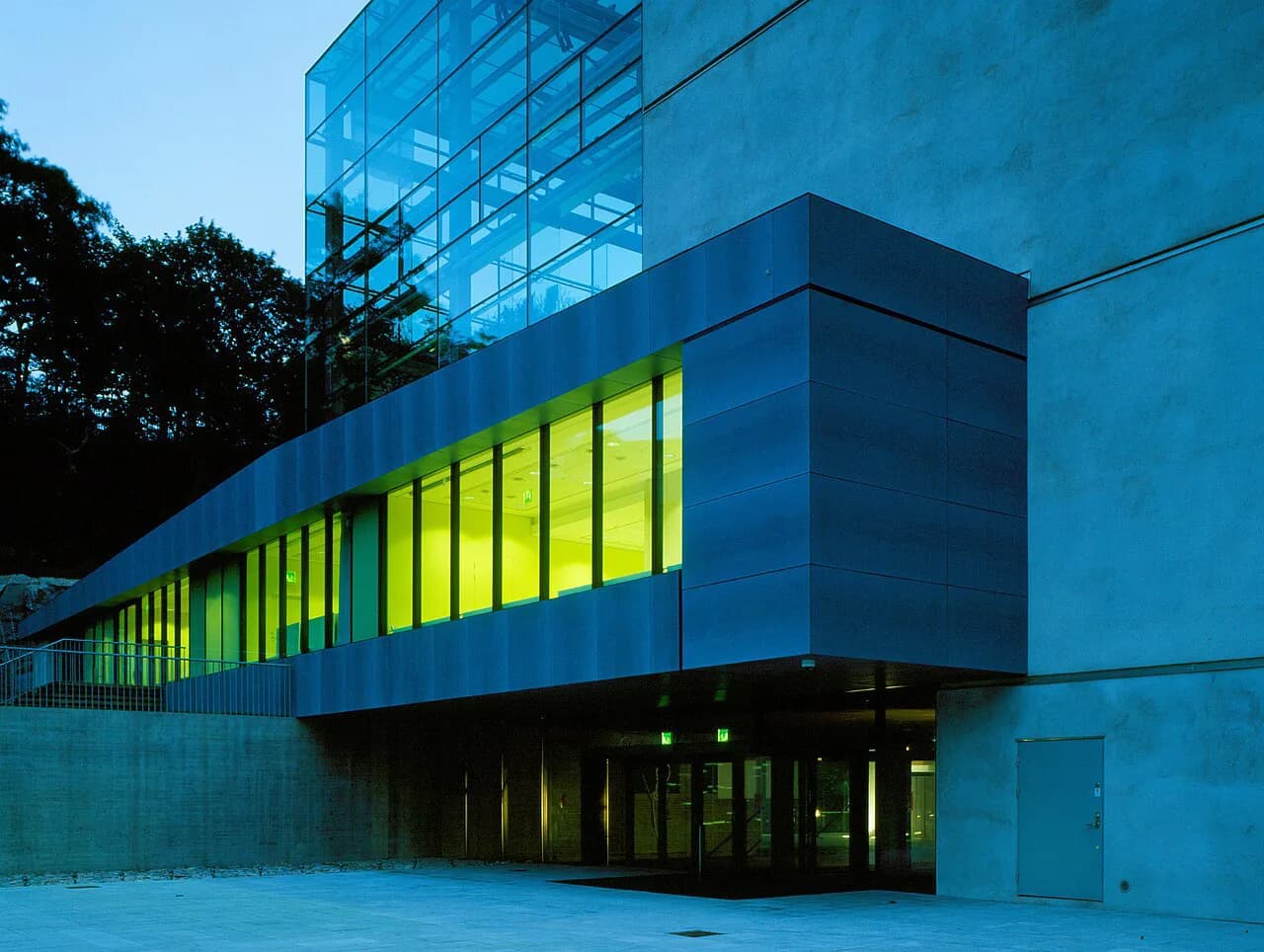
Museum of World Culture (Världskulturmuseet), Gothenburg

The Museum of World Culture is a compact, contemporary museum on Södra vägen in central Gothenburg, best treated as a two-hour stop rather than a whole day out. It mixes international exhibitions, contemporary art and family activities inside a striking glass-fronted building, with a day pass and an annual pass priced in kronor.
This guide covers where the museum sits on Södra vägen, the ticket options including free entry for under-19s, what you actually see inside, and how to use the rest of the afternoon once you come out.
What the Museum of World Culture is and why it's worth an hour or two
Världskulturmuseet is the Gothenburg member of the National Museums of World Culture, an organisation that runs four museums across Sweden. It opened in its current building in 2004 and explores world cultures through temporary exhibitions, contemporary art and public events, alongside a collections strand.
Its appeal is variety and dialogue: exhibitions rotate, a film and talks programme runs alongside them, and there is a dedicated strand of activities for children and families. That makes it a good fit for a mixed group, a rainy couple of hours, or anyone who wants something more thoughtful than a straight sightseeing stop before moving on.
It is not an encyclopaedic museum in the British Museum sense, so do not arrive expecting to fill a day. Think of it as one strong, well-formed strand of a Gothenburg visit, with the bonus that the building itself is worth a look.
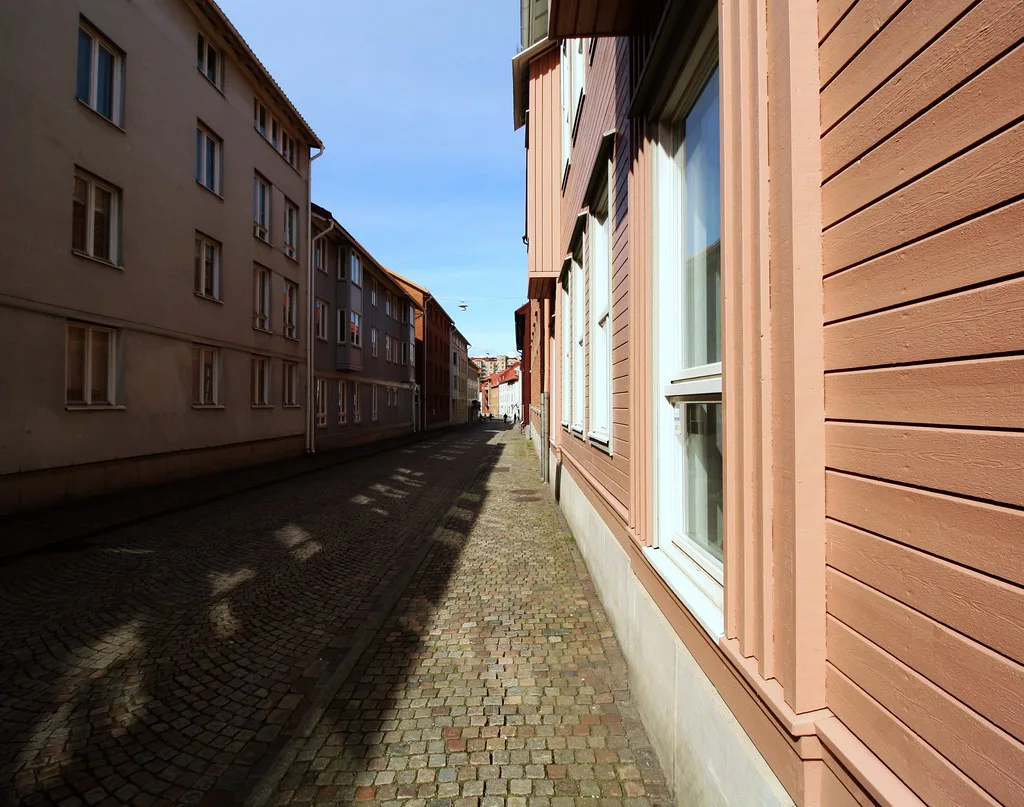
Where it is: Södra vägen 54
The address is Södra vägen 54, in central Gothenburg, which makes it easy to fold into a walking route through the city centre rather than a separate excursion.
If you are working out how the city fits together, this is the moment to look at the wider spread of Gothenburg sights and how the central districts connect. The museum sits comfortably on a loop that also takes in the avenues and the harbour.
The museum's own contact pages and tourist listings carry directions and public transport details, so check those for the tram or bus stop that suits your route into the centre.
Opening hours and how to check them before you go
The museum's published Saturday hours are 11.00 to 17.00. Swedish museums commonly adjust their timetables around seasons and public holidays, so confirm the day you plan to visit on the museum's own site rather than relying on a general guidebook.
Check the museum's own site for the day you plan to visit rather than relying on a general guidebook or a blog post, which may lag behind changes. If you are building a museum-heavy itinerary, check each venue's hours for your specific dates and days of the week before committing to a plan.
Tickets: day pass, senior rate, annual pass and free entry under 19
The day pass costs 160 SEK, with a reduced senior rate of 140 SEK. An annual pass costs 180 SEK, so it costs only a little more than a single full-price day pass if you expect to come back during your stay.
Entry is free for everyone under 19, so families with teenagers or younger children pay only for the adults. That makes the museum a low-risk option if younger visitors lose interest partway through.
Prices are set in Swedish kronor and are paid at the museum. Check current rates and any concession rules on the museum's ticket page before you buy, particularly if you are travelling with a student or a group.
What's inside: exhibitions, contemporary art and family activities
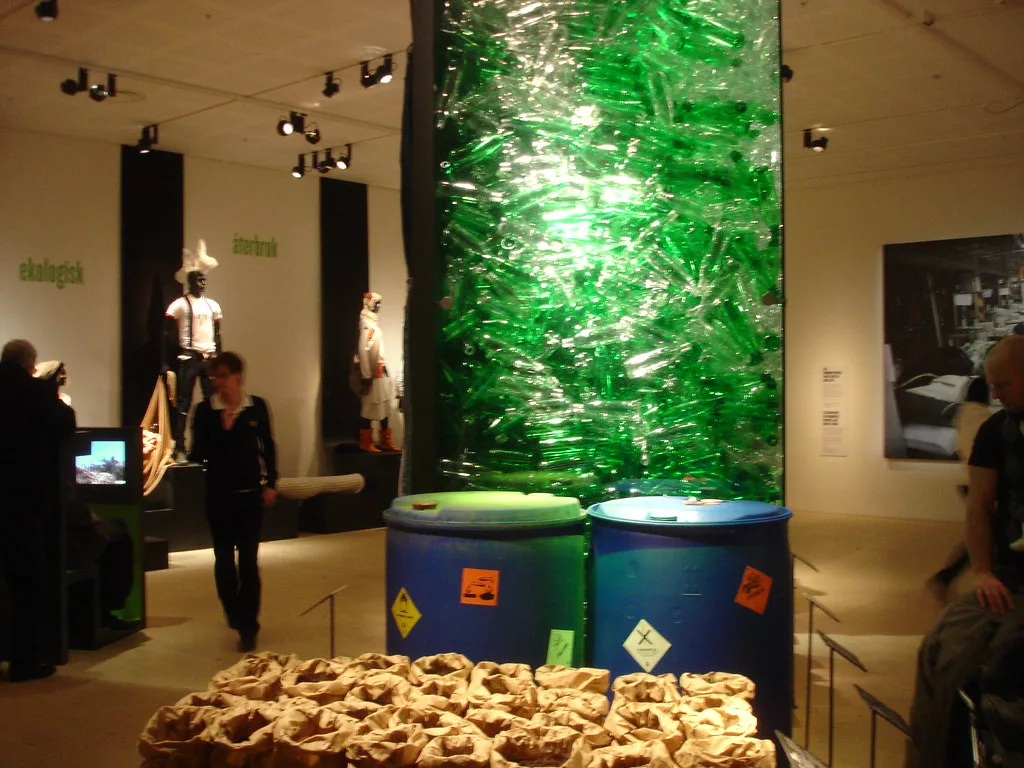
The programme leans on temporary exhibitions, so what you see depends heavily on the dates of your trip. Current and upcoming offerings include Día de Muertos and autumn-break activities, a TATAU photography exhibition on freedom, identity and memory, a Native American Fashion exhibition, and Yokai – Spirits of Japan, some running for many months.
Alongside the exhibitions the museum runs film, theatre, seminars, festivals and performances, plus activities aimed specifically at children and families. If a particular talk or event matters to you, check the calendar for your dates rather than hoping to catch something on the day.
Expect a museum built around rotating shows and events rather than a fixed blockbuster display, which suits adults and older children more than very small ones. The central location also makes it a practical meeting point if your group wants to split up for an hour.
The building: Brisac and Gonzalez architecture from 2004
The museum occupies an award-winning building inaugurated in 2004, designed by the London-based architects Cécile Brisac and Edgar Gonzalez. The building is part of the reason to come, with a glazed frontage that opens the museum to the street and marks it out as a public living room as much as an exhibition hall.
Allow a few minutes to look at the architecture on arrival before heading up to the galleries. Göteborg & Co notes that the museum holds one star in the Michelin Green Guide, so the building forms part of the visit rather than just the backdrop to it.
Eating at the museum: restaurant VKM
Restaurant VKM serves food for adults and children, with a focus on locally produced ingredients. It is designed as part of the visit rather than a separate destination, which makes it a convenient stop if you arrive late morning and want lunch before or after the galleries.
The museum's own site lists a restaurant and café under its visit section, though opening times and menus may not match the museum's hours. Do not plan around a specific dish or price without confirming.
How long to allow and when it's busiest
Budget around 90 minutes to two hours for the galleries, more if you are catching a talk, film or family workshop. The museum is compact enough that a thorough visit does not demand a half day, which leaves room for other central sights on the same outing.
Weekend afternoons and Swedish school holidays bring the heaviest family traffic, and the museum runs dedicated holiday programmes such as Día de Muertos activities during the autumn break. If you want a calmer run at the exhibitions, aim for a quieter period rather than the middle of a holiday week.
A practical pattern is to work through the main exhibition before the café fills, then finish with the smaller galleries. That also gives you the flexibility to leave early if the children have had enough.
What's nearby if you have the rest of the afternoon
Central Gothenburg packs several of the city's strongest green and historical sights within a short ride of the museum. Slottsskogen, the large city park with its animal enclosures, is one obvious next stop for families.
For a longer walk, Skansen Kronan on its rocky outcrop gives you a short climb and a wide view over the rooftops, and pairs well with a wander through the surrounding Haga streets. Allow half an hour to get up and back at an easy pace.
If you would rather head for a ferry, Saltholmen in the west is the launch point for the southern archipelago, but that is a half-day outing rather than an add-on. Closer at hand, the Gothenburg Botanical Garden offers a calm counterpoint to a museum afternoon when the weather is on side.
Is the Museum of World Culture worth a detour?
Yes, if you want a thoughtful, design-led museum that fits neatly into a central Gothenburg afternoon without eating a whole day. The free entry for under-19s and the low annual pass make it an easy add-on for families and repeat visitors.
Skip it if you have only one day in the city and want the classic harbour, Haga and archipelago view instead; the museum's rotating programme rewards a second look more than a rushed one. Pair it with Slottsskogen or Skansen Kronan and you have a well-shaped half day rather than a fragmented one.