Midsummer in Lund: What Happens at Midsommar
Midsummer Eve is always a Friday between 19 and 25 June, with maypoles, wreaths and herring. Here is what the celebration means for a Lund break.
On this page
Midsummer in Lund is a quieter affair than the postcard version: the Swedish celebration is traditionally a countryside event, held around a flower-decorated pole on a Friday between 19 and 25 June, and a city-based visitor should expect a calm day in town rather than a street festival. This guide explains what Midsommar involves, how the Friday rule works, and how to fit it into a one to four day Lund break.
Most of what you will see — the pole, the circle dances, the wreaths, the herring and strawberries — is shared across Sweden rather than specific to Skåne. The practical question for a Lund visit is therefore where to find a confirmed public celebration nearby, and how to keep the rest of the day useful if you stay in the city.
What Midsummer is and why it matters in Sweden
Midsummer marks the summer solstice, the longest day of the year, and the Swedish celebration treats it as a festival of life and love as much as a seasonal marker. Expect flower picking, wreaths, traditional food and dancing around a maypole.
For a short city break, the main action happens on Midsummer Eve rather than on the holiday that follows, so a Friday arrival in Lund needs a plan well before the weekend. Sweden's biggest summer festival is built around that evening.
When Midsummer Eve falls and how the Friday date works
Midsummer Eve in Sweden is always a Friday between 19 and 25 June, so the celebration shifts each year rather than sitting on a fixed date. Build a Lund itinerary around the Friday rule rather than last year's calendar, and check the published date for your year before booking.
The Friday arrangement is deliberate: since 1952, Midsummer Eve has been celebrated on a Friday to fit better into the working week. That history explains why the date slides and why the day has a different rhythm from an ordinary weekend.
Some local pages describe the same Friday window with a one-day-later end date, which is a counting convention rather than a different festival; confirm the date published for the year you are travelling.
What happens at a Midsummer celebration: pole, dancing and songs
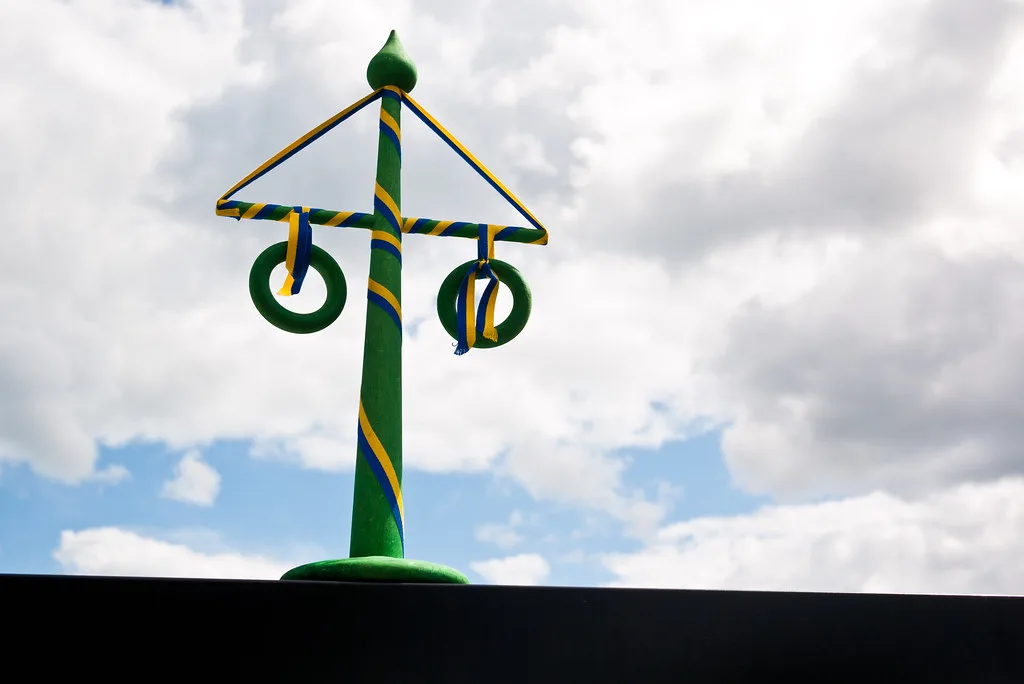
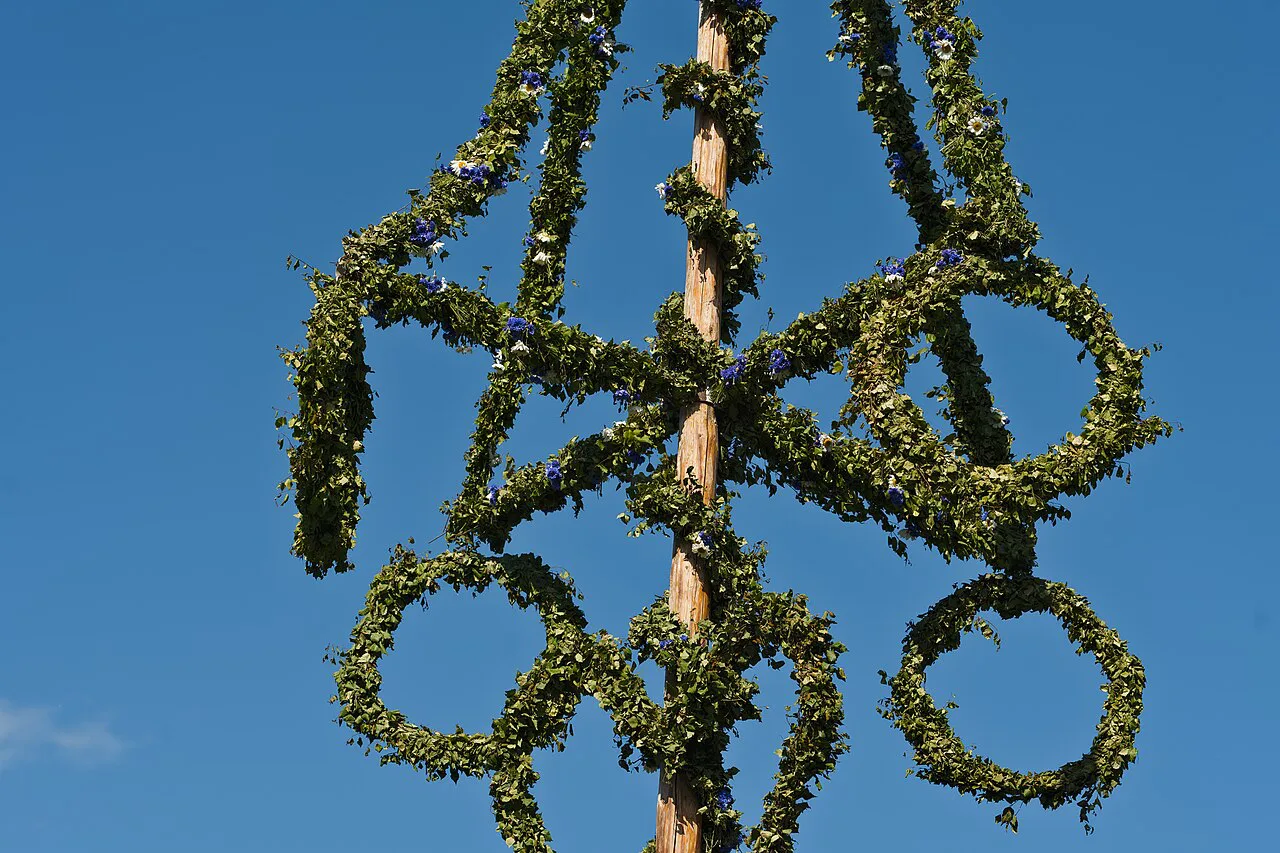
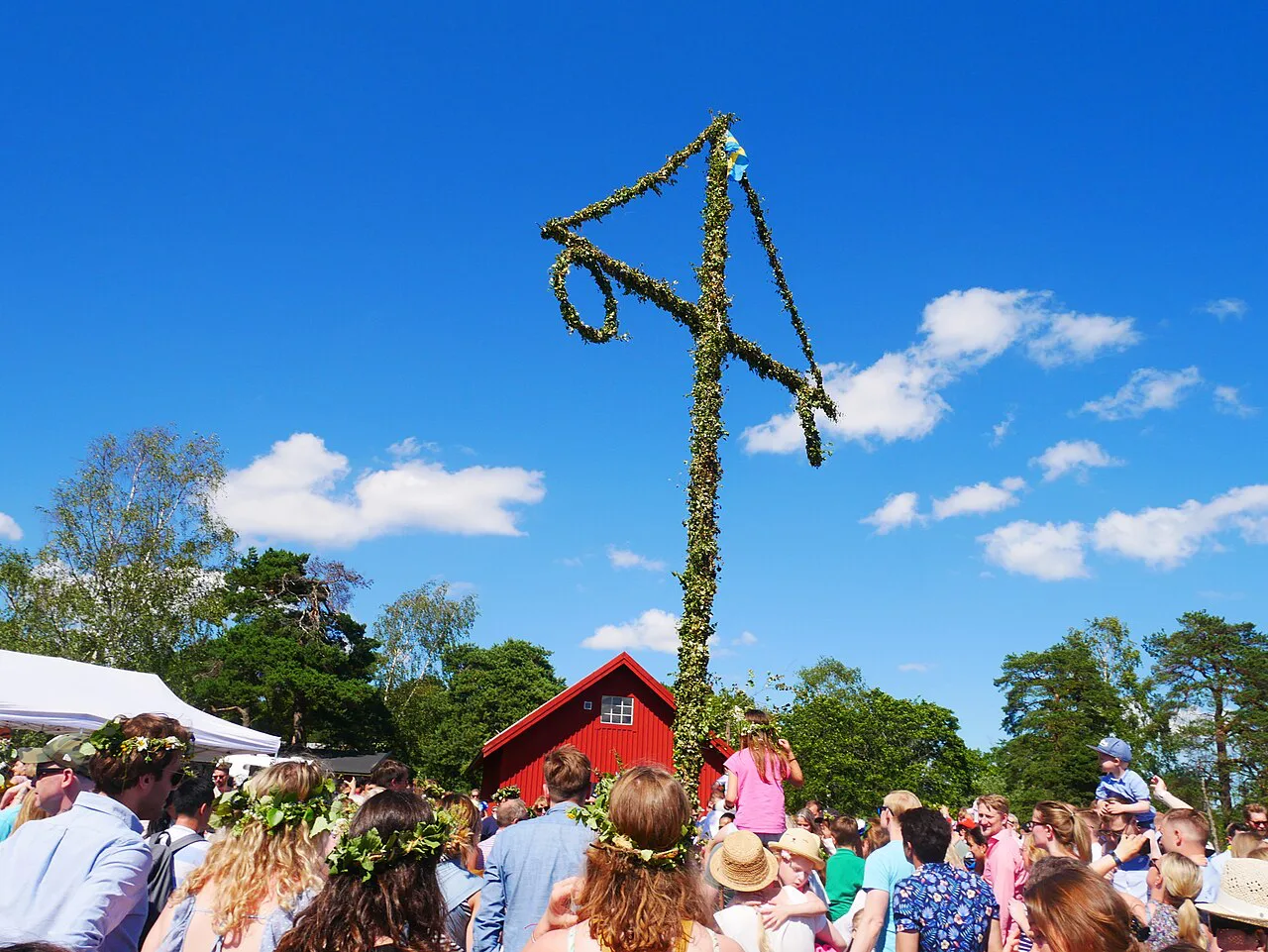
The centrepiece is the Midsummer pole, decorated with leaves and flowers and raised while traditional music plays; in villages and at open-air museums, visitors often help to put it up. Once it stands, circles form around it and participants of all ages dance and sing together.
The songs are deliberately playful and led by a musician with a fiddle or accordion. Små grodorna, the little frogs song, is the one everyone jumps along to, and Räven raskar över isen gives adults as well as children a reason to skip around the pole.
Some celebrations add folk dance performances, sing-alongs and games such as kubb, a wooden pin game played between two teams.
Flower wreaths and the flower-picking custom
Picking flowers and wearing a flower wreath are part of the standard kit, and both sit alongside the pole dancing rather than being separate events. Some celebrations invite visitors to dress in traditional costume, while others simply wear wreaths.
The romantic side of the tradition is the flower dream: putting seven or nine sorts of flowers under your pillow on Midsummer night is said to show your future partner in a dream. The gathering comes with its own rules, including picking in silence and jumping over a fence between flowers.
Midsummer night is traditionally wrapped up in mysticism, with plants said to carry special power and the date seen as good for gathering healing plants. You will most often meet this side of the festival through wreaths and picking rather than as an organised activity.
What is eaten: herring, new potatoes, strawberries and snaps
The Midsummer table is built around pickled herring, boiled new potatoes with dill, sour cream and chives, and strawberries to finish. Eggs and herring turn up at nearly all Swedish festivals, and at Midsummer the new potatoes are described as compulsory.
Strawberries are the seasonal centrepiece, served with cream or as a strawberry cake built on sponge and whipped cream. Mustard herring and onion herring are among the classic varieties, and snaps songs are sung between the herring and the crispbread.
Where a celebration is public, expect the food to be part of the programme rather than a menu you order from; where it is a private garden affair, a picnic of the same ingredients works well. Barbecues on Midsummer Eve are also usual, and other dishes often complement the eggs, herring and potatoes.
Midsummer in a university town: what to expect as a visitor
The tradition is ideally celebrated in the countryside, which is why villages across the country hold their own events with folk costumes, maypole raising and community dancing. That is the honest trade-off for a short Lund break: the city is compact and easy to walk, but Midsummer is not a central Lund event to plan around. Set expectations for a quieter day in town and confirm whether a public event is running nearby before you commit the day.
If you stay in Lund, treat the day as a slower one: work through the things to do in Lund at an unhurried pace and use the breathing room to see the old town properly.
One caution on names: the English spelling Midsomer is not a Swedish festival. Sweden's celebration is Midsommar, and the misspelling usually points at a television detective series rather than a maypole.
Making Midsummer part of a one to four day Lund break
For a one-day visit, treat Midsummer Eve as a half-day anchor and leave the rest flexible: if you find a confirmed public celebration within reach, go; if not, spend the time on churches, squares and university buildings. A short walking tour of the centre covers the compact core and leaves the afternoon free.
On a two or three day stay, the Friday can sit in the middle without the trip losing shape: give the celebration day to the maypole and food, then use the other days for the market hall, the parks and the botanical garden, and a fika stop. Lund is a bike town, and a bike rental makes sense for covering ground on the days around the Friday.
On a four day break, add a slower shopping morning and a inexpensive afternoon to balance the cost of the trip. If you are still deciding whether the city fits, is Lund worth visiting sets out what Lund does well and who it suits.
What the Swedish words mean: Midsommar, midsommarstång and maypole
Midsommar is the Swedish name for the festival, and midsommarstång is the decorated pole itself — the object English speakers call a maypole. The word may does not come from the month but from the old Swedish verb maja, to decorate.
The pole most likely arrived in Sweden from Germany during the Middle Ages, and decorated forms across the country became more uniform from the 1800s onwards. Dancing around the pole in the little-frogs style became customary at the start of the 20th century, when organised games joined the celebration.
Midsummer also has a religious layer: it was originally a festival devoted to John the Baptist, whose feast day is 24 June. Neighbouring countries celebrate the same season under their own names, with Norway and Denmark using forms of Sankt Hans and Finland calling it Juhannus.
Should you plan a Lund break around Midsummer?
Only if the celebration itself is your priority and you have confirmed where one is happening; otherwise treat the Friday as a normal Lund day and enjoy the city without the crowds. If you are flying in, check flights to Lund via Copenhagen Airport before you lock the date.
If cost is part of the decision, is Lund expensive sets out likely daily costs, and the Lund Attractions hub links the individual sights worth slotting around the Friday.
Explore more Lund guides
Frequently Asked Questions
Is Midsomer a real thing in Sweden?
The festival is Midsommar, not Midsomer. Midsomer is an English spelling associated with a detective television series; the Swedish celebration is built around the maypole, wreaths, dancing and a herring-and-potato table.
What date is Midsummer in Sweden?
Midsummer Eve is always a Friday between 19 and 25 June, so the exact date changes each year. Confirm the published date for your year against a Swedish calendar before booking travel.
Does Norway have a Midsommar celebration?
Yes, and its names show the religious link more directly: Norway uses Jonsok or Sankt Hans, Denmark uses Sankt Hans, and Finland calls the celebration Juhannus. Sweden's version centres on the maypole and Midsummer Eve.
Sources
Notes for your next Swedish city break
Optional updates to our Sweden guides.
You might also like
Continue reading
More guides you'll find useful