Art Galleries in Stockholm: Where to Go and What to See
Plan a Stockholm art day with the city's key galleries and art museums, from Moderna Museet on Skeppsholmen to Djurgården's villa collections.
On this page
Stockholm suits an art-focused break because so much of its best work sits within a short walk or ferry hop of each other. Moderna Museet on Skeppsholmen anchors the modern and contemporary side, the Nationalmuseum covers Swedish art and design, and Djurgården holds villa collections built around single collectors' tastes. This guide sets out what each venue is actually like, how the map fits together and which ticket decisions are worth making.
The city's art spread is genuinely compact: several central galleries sit within the same districts as the main museums, and Djurgården, technically part of central Stockholm, packs a whole day of attractions and art into one island. That makes grouping by area more useful than chasing a list of names.
Which Stockholm art venues are worth your time
Two clusters do most of the work. Central Stockholm, meaning Östermalm, Norrmalm, Södermalm, Vasastan and Kungsholmen, has a diverse ecosystem of museums and exhibition halls, from a contemporary hall founded by the Bonnier family to the national art collection. Djurgården is the second cluster, where several attractions are dedicated to the fine arts.
If you only have one art afternoon, choose between the modern collection at Moderna Museet and the Swedish art and design at Nationalmuseum rather than trying both properly. If you have a full day, add Djurgården, where the villa collections reward slow looking rather than box-ticking. Our Museums in Stockholm guide helps you judge how much museum time a short break can hold alongside the wider Stockholm attractions.
Moderna Museet on Skeppsholmen: what's inside, opening days and ticket prices
Moderna Museet holds one of northern Europe's largest modern and contemporary art collections. The museum's own pages list works by Picasso, Dalí, Matisse and Meret Oppenheim, and its collection runs to 140,000 works, plus sculptures and installations in the grounds on Skeppsholmen.
Standard admission is 170 SEK, with a reduced ticket at 140 SEK, and buying online costs less than paying at the door. Admission is free for anyone aged 18 or under and for Klubb Moderna members. If you think you qualify for the reduced rate, check the current terms and bring proof before you travel.
Opening days shape your itinerary more than anything else. Moderna Museet is closed on Mondays, stays open 10–20 on Tuesdays and Fridays, and runs 10–18 on Wednesdays, Thursdays, Saturdays and Sundays. There is also free entry on Fridays from 18–20.
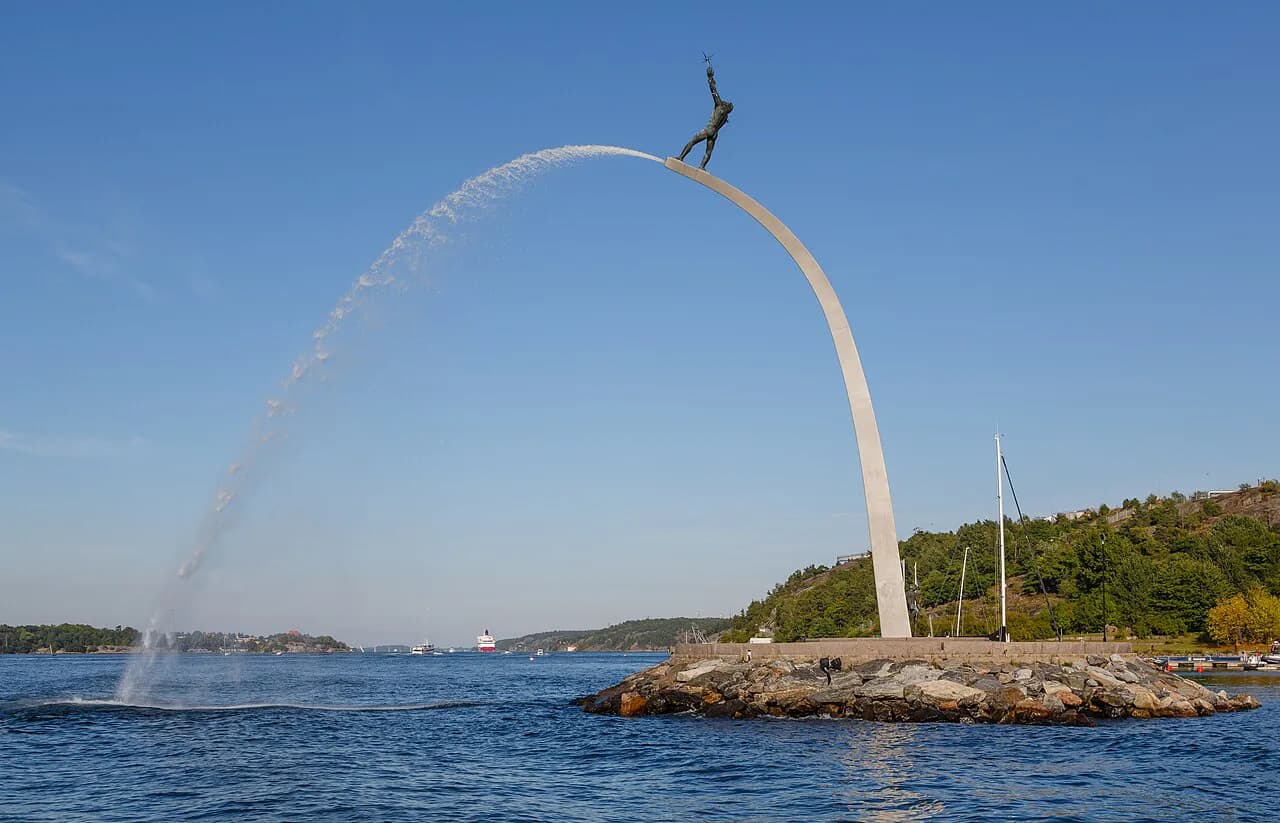
Allow two to three hours for the collection and temporary shows, then walk out onto Skeppsholmen itself, where the museum's sculptures and installations sit in the grounds. The main entrance is at Exercisplan 4.
Art in central Stockholm: Bonniers Konsthall, Fotografiska, Kulturhuset Stadsteatern and Nationalmuseum
Nationalmuseum is the place for Swedish art and design, with a collection of 670,000 objects including paintings, sculptures, furniture, pottery and design pieces, though only part is on display at once. Some of the collection is shown further afield at the Gustavsberg Porcelain Museum on Värmdö.
Fotografiska opened in Stockholm in 2010 and has since added satellites in Tallinn, Shanghai and Berlin, and it mixes accessible photography with experimental work. Bonniers Konsthall focuses on contemporary art and often shows lesser-known and up-and-coming artists, which makes it the livelier stop of the two if you prefer the new. Kulturhuset Stadsteatern is a broader cultural hub with libraries, a cinema and theatre alongside several smaller halls hosting exhibitions.
Sven-Harry's Art Museum displays its founder's permanent collection with a twist: the top floor recreates his villa on Lidingö. Konstakademien, the Royal Swedish Academy of Fine Arts, was established in 1775 and hosts temporary exhibitions. Carl Eldh's Studio Museum shows the sculptor's workshop, sketches and drawings, and it opens April to October for regular visitors, with November to March reserved for pre-booked visits.
The metro itself doubles as a gallery: art in the subway is part of Stockholm's public art offer, so a journey can be part of your art day rather than just a way to get between venues.
Djurgården's art villas: Waldemarsudde, Thielska Galleriet and Liljevalchs
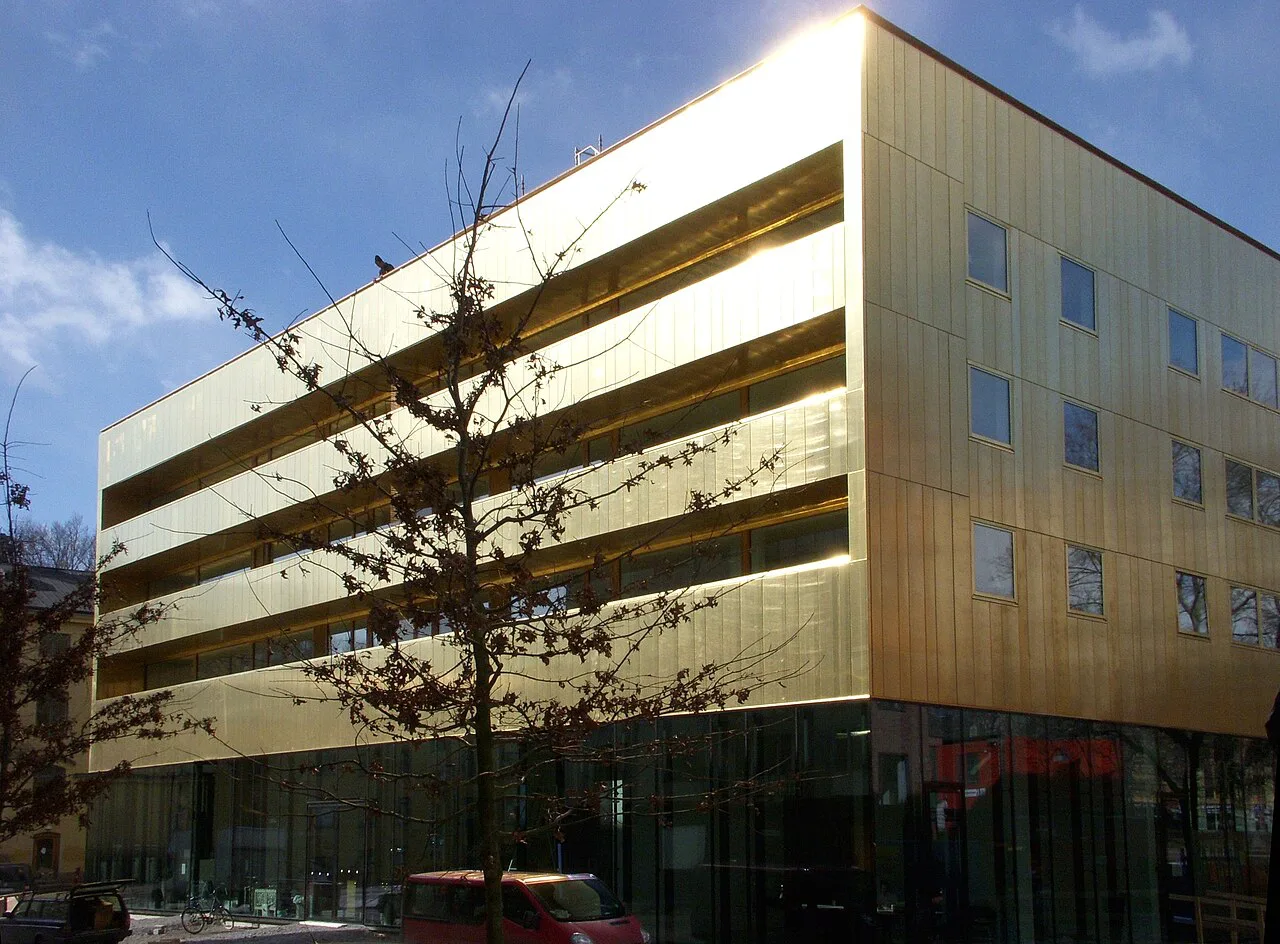
Djurgården's art is largely housed in former homes, which changes the experience. Prince Eugen's Waldemarsudde was the home of the art-loving prince (1865–1947), who left the palace and its art to the Swedish government; the museum opened in 1948 and shows his own work alongside his private collection and temporary exhibitions.
The Thiel Gallery belonged to businessman Ernest Thiel, who sold the villa and his collection to the government in 1924, and the museum opened in 1926. Its Edvard Munch collection is one of the world's largest, so it is the stronger pick if you like late nineteenth-century painting in domestic rooms.
Liljevalchs Konsthall opened in 1917 and is known for its annual Spring salon. Its annex, Liljevalchs+, opened in 2021 and focuses on contemporary art. The two together make a sensible half-day stop, and the pairing of old gallery and new annex gives you a clear contrast.
If your tastes run to history rather than painting, the same island holds other deep-dives into naval and cultural history, useful when you want somewhere indoors on a wet afternoon. For the full picture of this island's collections, see our Museums in Stockholm guide and how they compare.
Contemporary and smaller spaces: Index, Sven-Harry's Art Museum and Konstakademien
Index – The Swedish Contemporary Art Foundation is both an exhibition hall and a studio space, where artists work on projects and meet the audience through talks and events. Check its programme before travelling, since what you see depends on who is in residence.
The smaller venues are where a short city break can breathe. A 45-minute stop at Konstakademien or Sven-Harry's costs less time than a full museum and lets you cover two or three in a single day.
How to group the galleries into a one-day walking route
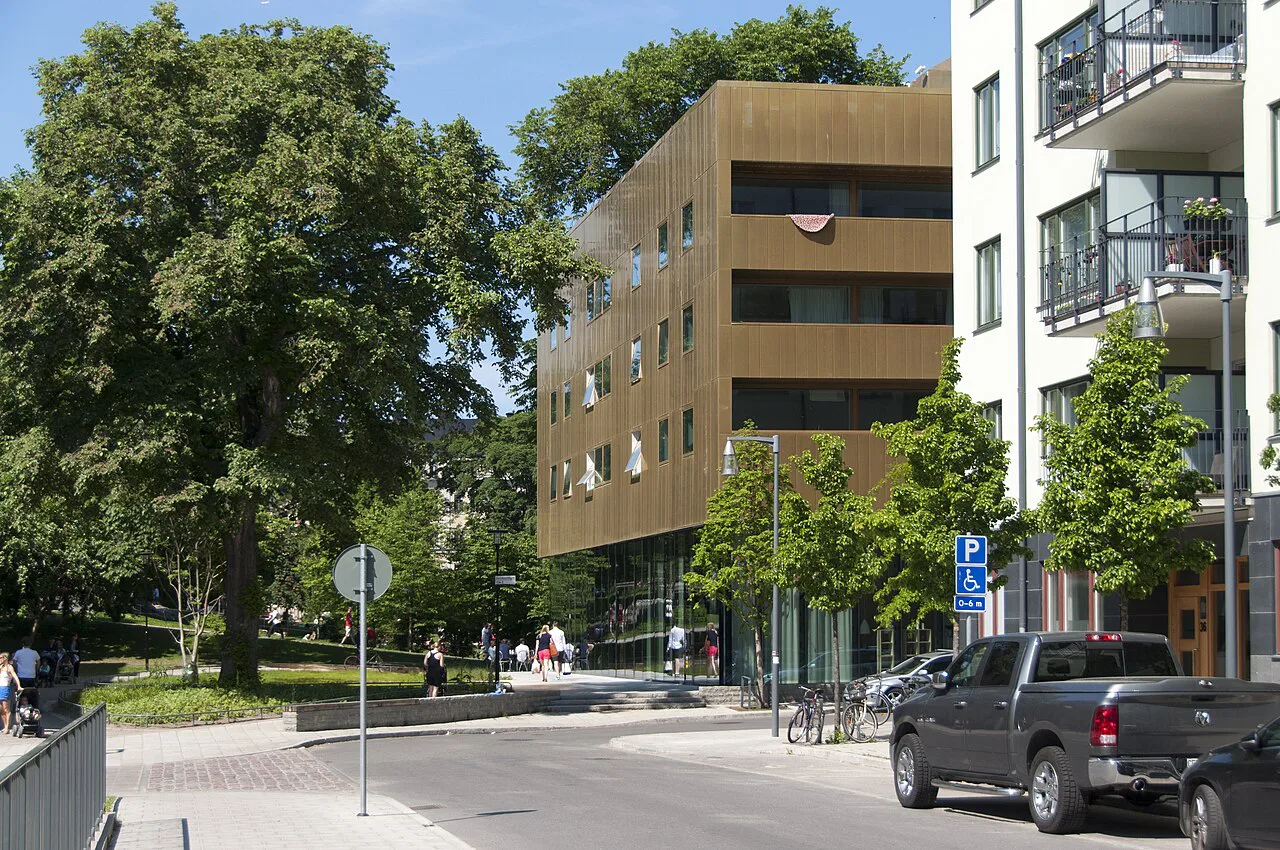
Start on Skeppsholmen at Moderna Museet, ideally on a Tuesday or Friday when it stays open late, and give it the morning. Walk into central Stockholm for lunch, then choose one of Bonniers Konsthall, Fotografiska or the Nationalmuseum depending on whether you want contemporary, photography or Swedish design, and finish with a short metro ride to see the subway art.
For a Djurgården day, pair Waldemarsudde with Thielska Galleriet, which are close neighbours, then finish at Liljevalchs. Allow the best part of a day and accept that you will see two venues well rather than four quickly.
If you have three or four days, split modern and historic art across separate days: Moderna Museet on its late evening, the villa collections on a dry Djurgården day, and the central halls when you want to stay near the old town. Our Stockholm History guide works well as an afternoon add-on.
Free and reduced entry: where it applies and when
The clearest saving is at Moderna Museet, where under-18s and Klubb Moderna members go free and everyone else pays nothing on Fridays from 18–20. Buying your ticket online is cheaper than paying on the door, so do that before you travel.
Outside that, confirm ticket terms venue by venue before you go, because concession rules vary and are set by each institution. Plan around the free windows you do know about and treat the rest as full-price days.
Which art day should you book?
If you have one art day, choose between a Skeppsholmen morning at Moderna Museet and a Djurgården day in the villa collections, not both. The modern collection wins if you want scale and a late Friday opening; the Djurgården villas win if you prefer painting in the rooms it was collected for.
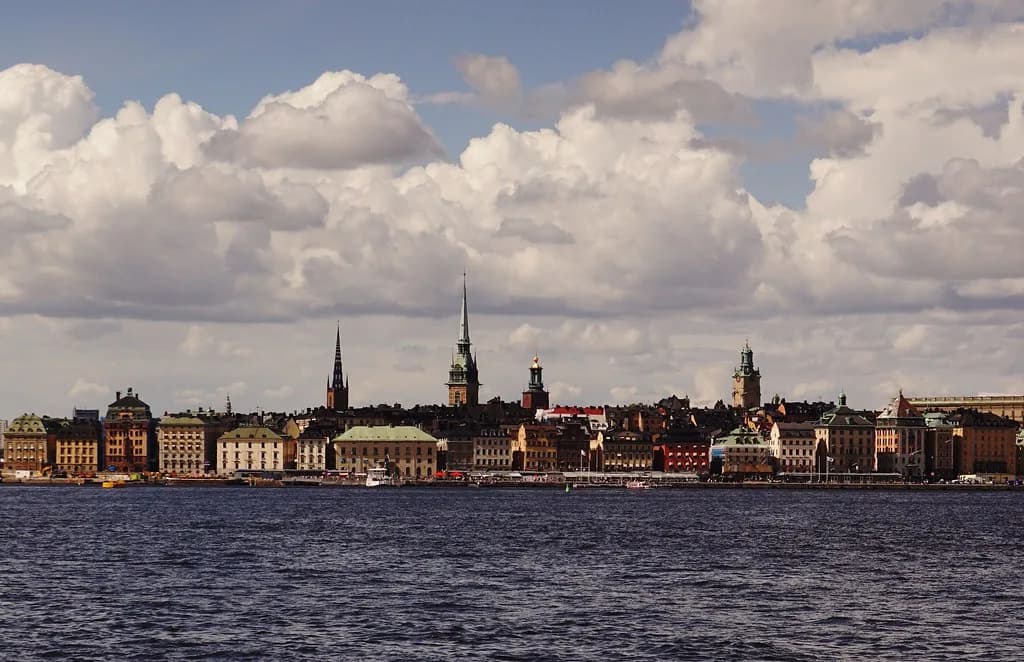
With two or three days, add Nationalmuseum and one smaller central venue, and keep a wet-weather option in reserve. Gamla Stan and the city's older architecture are a short walk from many of these galleries.
Explore more Stockholm guides
Frequently Asked Questions
How long does Moderna Museet take?
Most visitors need two to three hours to see the collection and current exhibitions. The sculptures and installations in the museum's grounds on Skeppsholmen can be added on either side of your visit.
Can I see Stockholm's art without paying for museums?
Yes, in part. Moderna Museet is free on Fridays from 18–20 and free for under-18s at all times, and its sculptures and installations in the grounds on Skeppsholmen can be seen without a museum ticket. The metro system also carries public art as part of Stockholm's subway art.
Is Djurgården walkable from central Stockholm?
Djurgården is technically part of central Stockholm. The villa museums, Waldemarsudde and Thielska Galleriet, sit close enough to visit together.
Sources
Notes for your next Swedish city break
Optional updates to our Sweden guides.
You might also like
Continue reading
More guides you'll find useful