Stockholm History: The Periods That Shaped the City
Stockholm history from the 1252 founding through Gamla Stan's medieval streets to the modern city, with the sights where each period is still visible.
On this page
Stockholm's history is best read on foot: the city began as a settlement on a small island, was first mentioned in written records in 1252, and grew into a capital whose medieval core, 17th-century palaces and modern waterfronts sit within walking distance of each other. This guide takes the main periods in order and names the place where you can still see each one.
Stockholm founded: 1252, Birger Jarl and the log islet
The exact date of Stockholm's founding is unknown. The town is first mentioned in 1252, in letters written by the Swedish ruler Birger Jarl, which is why 1252 is the year usually quoted rather than a documented founding day.
The name is generally explained as stock, meaning log, and holm, meaning islet, a reference to the wooden defences built on the small islands controlling the water route between Lake Mälaren and the Baltic. Treat the log-islet reading as the popular etymology rather than a settled fact, and stand on the waterfront to see why a settlement took root here.
For a visit, the practical consequence is that there is no Roman or Viking layer to hunt for in the centre. The story starts in the 13th century, and everything older belongs to the wider region rather than to the city street plan.
Gamla Stan: the medieval town you can still walk through
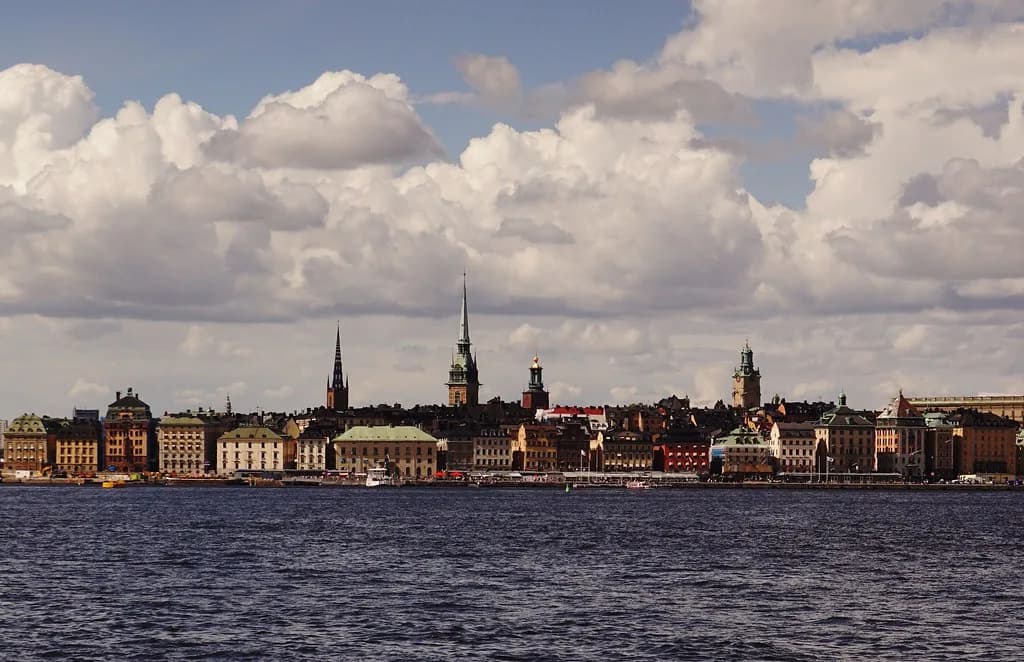
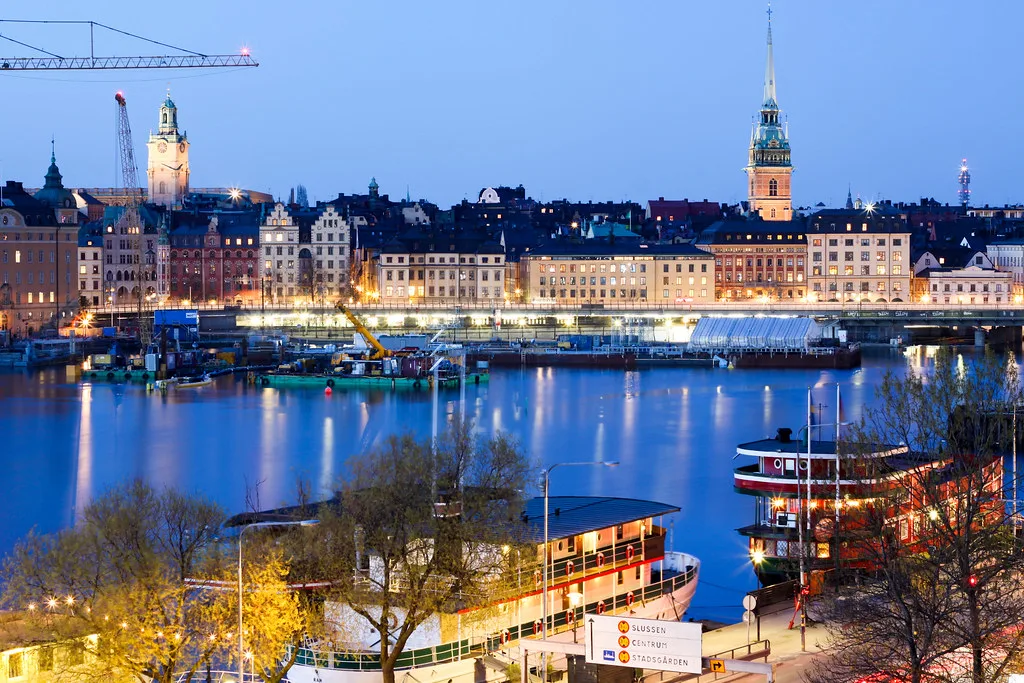
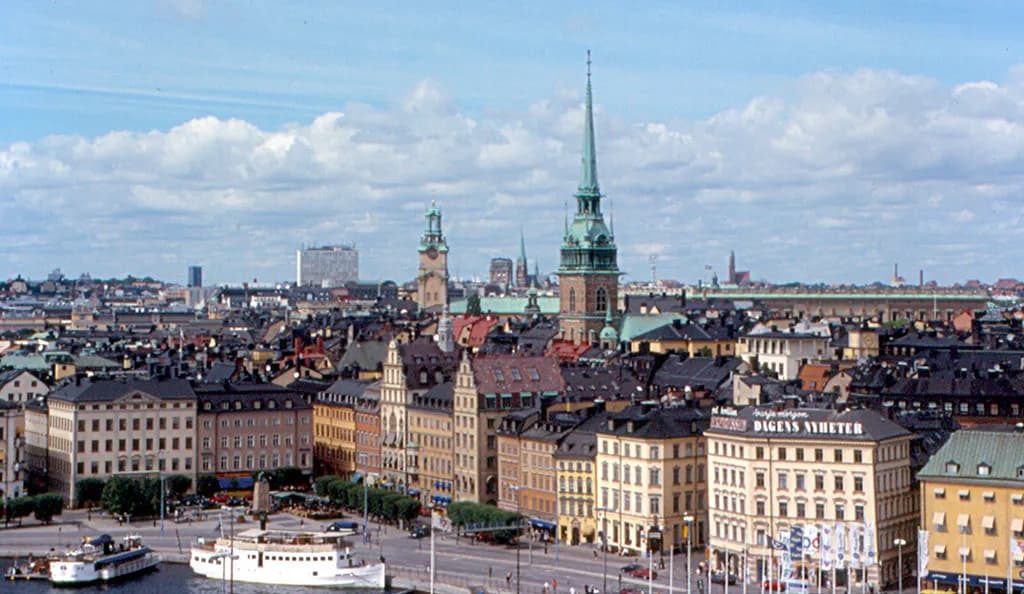
Gamla Stan is the medieval heart of the city, a tight grid of cobbled lanes and merchant houses on the island that gave Stockholm its start. In the late Middle Ages the town grew rich on trade with the Hanseatic League, and the colourful merchant facades around the main square are the residue of that commercial era.
The street pattern is genuinely old, but many facades date from the 17th and 18th centuries and later, so a building can stand on a medieval plot with a much younger front. Reading Gamla Stan as a medieval town plan with later dress is more accurate than assuming every gable is 14th-century, and it also makes a good wet-weather plan, since much of the interest is in the lanes themselves.
Allow an unhurried half-day rather than a rushed hour. The lanes are short but the climb from the waterfront to the higher part of the island is steady, and the reward is the square once the day-trippers thin out.
Riddarholmen Church, the oldest surviving building
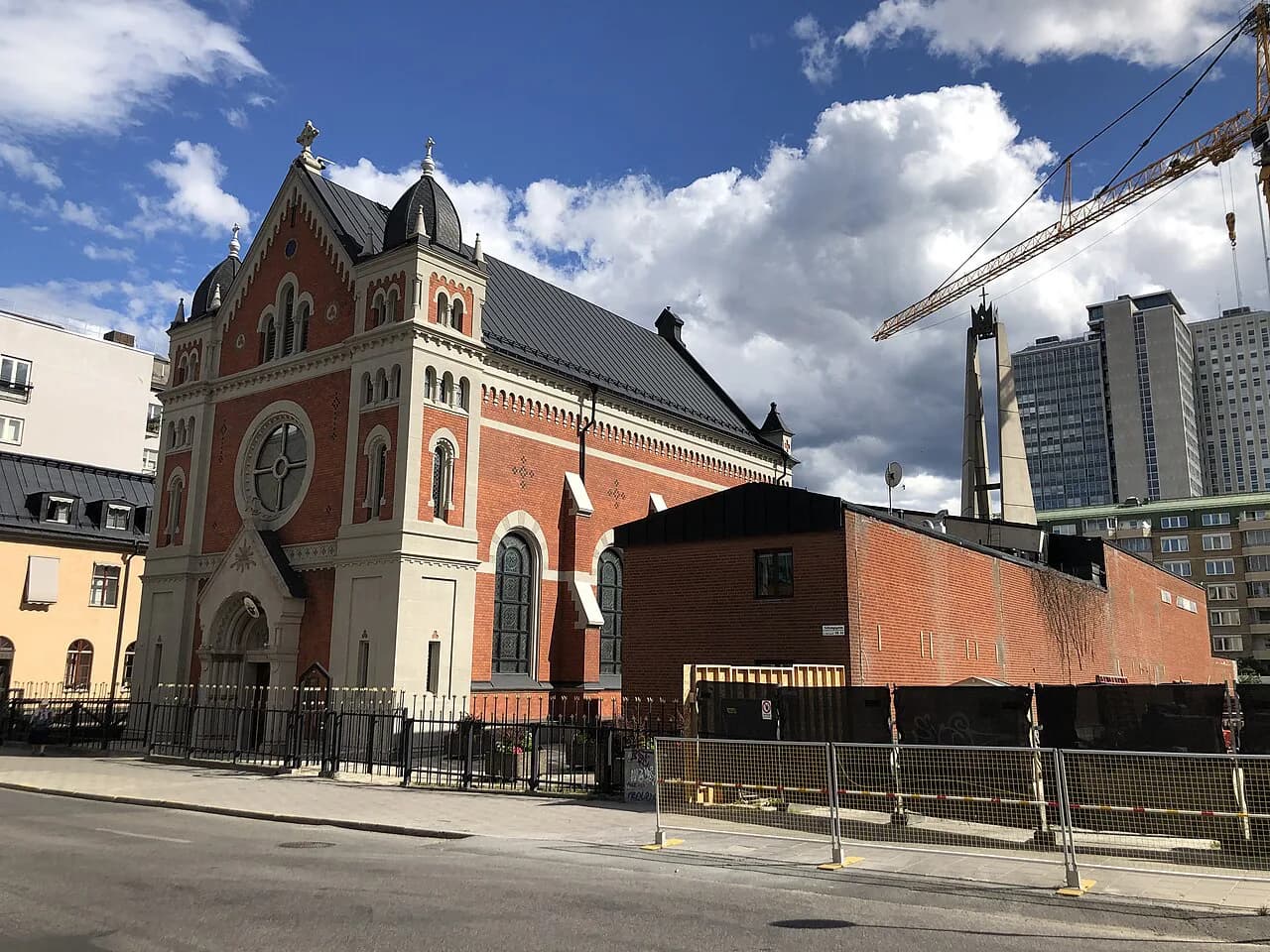
Riddarholmen, the small island immediately west of Gamla Stan, holds Stockholm's oldest surviving building: Riddarholmen Church, which began as a Franciscan monastery founded in 1270. It later served as a royal burial church, so its interior reads as a roll-call of Swedish monarchs rather than as a parish church.
The trade-off is time against depth. Riddarholmen is a five-minute walk from the Old Town and takes very little of a day, so it suits a short break better than a dedicated excursion. Confirm the church's published visiting arrangements before building a morning around it.
Medieval Stockholm: the most important city in Sweden
By the late Middle Ages Stockholm had become the most important city in Sweden, its economy built on trade with the Hanseatic League. In the 17th and 18th centuries it expanded quickly and acquired the palaces, cathedrals and civic buildings that still anchor the skyline, many built to project the power of a European empire.
This is the layer that explains the grander architecture around the Old Town and along the waterfront. If a building looks too ornate for a medieval trading town, it probably belongs to this period of capital-city confidence.
The 17th and 18th centuries: palaces and civic buildings
The Royal Palace is one of the largest palaces in Europe and remains the official residence of the Swedish monarch, with state rooms open to visitors and a changing of the guard that draws a crowd. It sits at the edge of Gamla Stan, so you can move from medieval lanes to baroque-scale rooms in a couple of minutes.
Pair the palace with Storkyrkan, the cathedral in the Old Town, where the medieval town and the era of royal ceremony meet in one building. The guide to Churches in Stockholm covers its history and visiting detail alongside the city's other historic churches.
These interiors are also where a rainy afternoon is best spent, since palaces and churches do not depend on the weather.
The Vasa: the warship that sank in 1628 and anchors a museum
The Vasa was built at the height of Swedish imperial ambition as a symbol of power, and it sank less than a mile from the dock on its maiden voyage in 1628. The ship was salvaged centuries later and is now the centrepiece of the Vasa Museum on Djurgården, displayed as a preserved hull rather than a reconstruction.
Treat the Vasa as the hinge of the story: it shows both the ambition of the 17th-century state and the limits of that ambition in one object. It also takes a proper chunk of a day, so on a short break decide early whether it is your priority on Djurgården, where Skansen, the world's first open-air museum, competes for the same hours.
Djurgården holds several of the city's biggest museums within a short walk of each other, including the Nordiska museet, so choose two rather than trying to tick off four. Opening days and ticket prices in Swedish krona change between summer and the rest of the year, so the Museums in Stockholm guide and each museum's own site are where to confirm them.
Industrialisation and modern Stockholm
The 19th and 20th centuries brought industrialisation and modernisation, and Stockholm became known for design, innovation and education. The metro is often described as the world's longest art gallery because so many stations carry paintings, sculptures and mosaics, which turns an ordinary journey into sightseeing.
Modern Stockholm is spread across 14 islands linked by more than 50 bridges, which is why the city feels walkable in one direction and sprawling in another. Plan by island rather than by attraction count: Gamla Stan and Riddarholmen, Djurgården, and Södermalm and Östermalm each reward a block of time.
If contemporary art is your interest, the city's galleries make a natural next layer after the historical sights. The guide to Art Galleries and Art Museums in Stockholm picks out where to spend an afternoon once the palaces are done.
One city, two UNESCO World Heritage sites: Drottningholm and the Woodland Cemetery
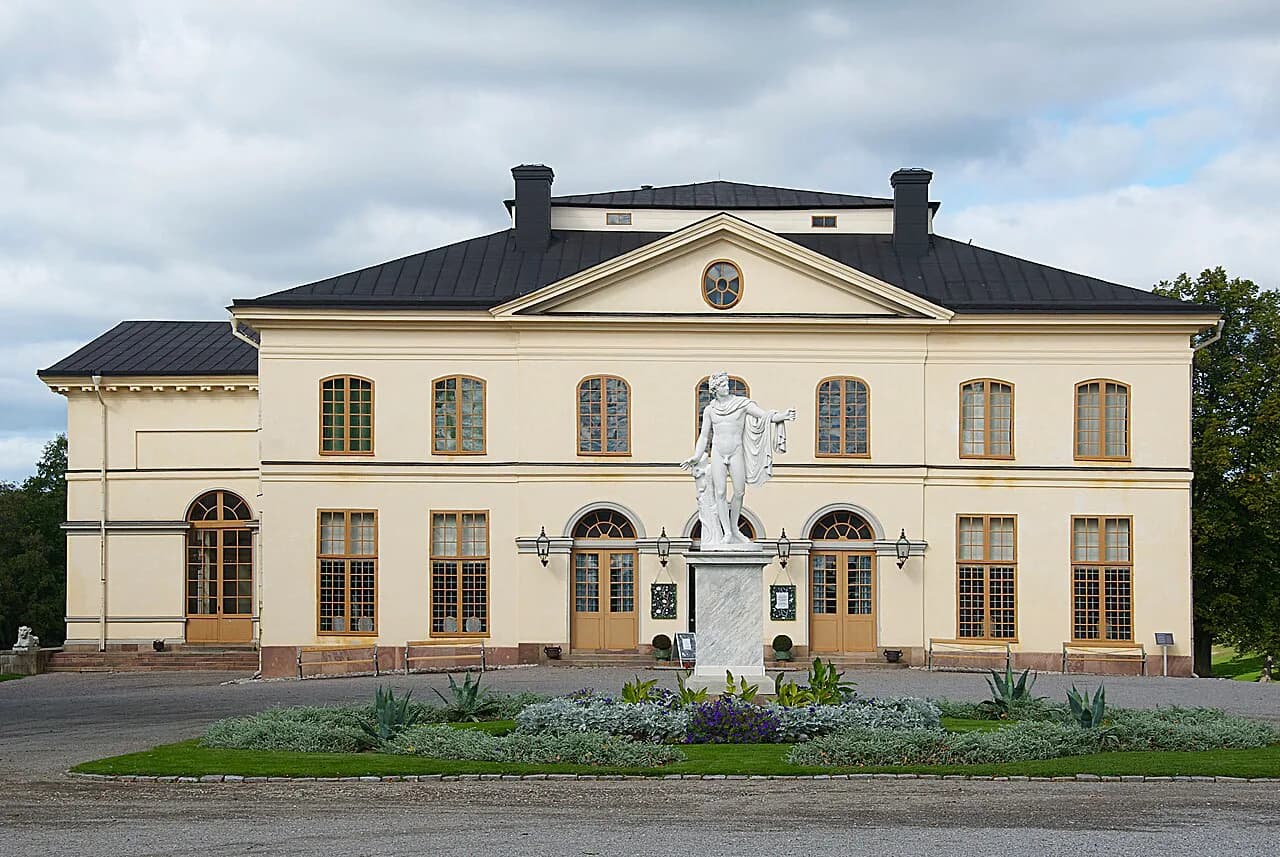
Stockholm holds two UNESCO World Heritage sites, and they belong to very different eras: Drottningholm Palace, with its gardens and theatre, and the Woodland Cemetery. Framing them as two periods rather than one tick-list is more useful, because a single day cannot do both justice.
Drottningholm is not in the city centre, so it costs a chunk of the day in travel as well as the visit itself. That is the honest trade-off: on a one- or two-day break the central sights usually win, while a three- or four-day trip has room to go out. Transport options and ticket details are published by the palace and by the county transport authority.
What Stockholm is known for today
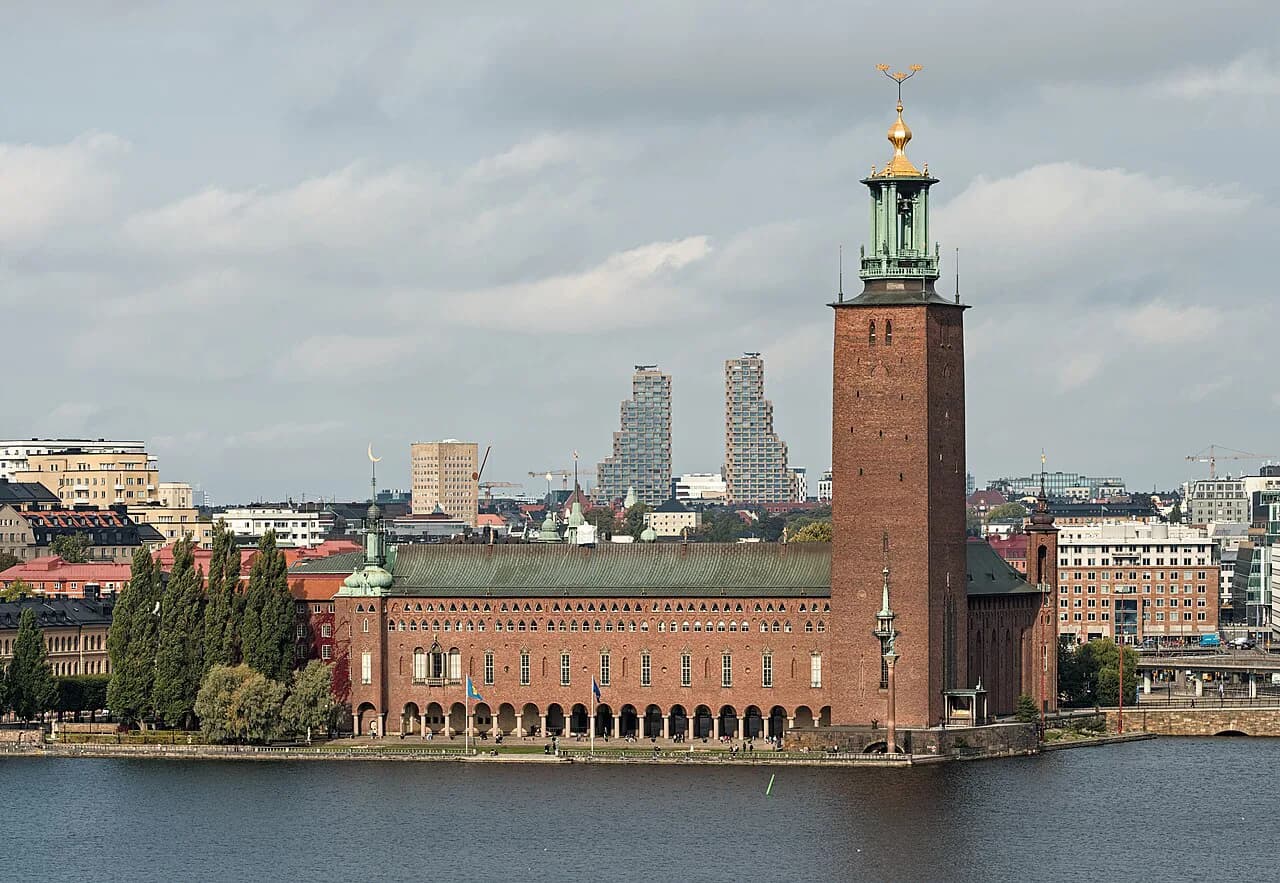
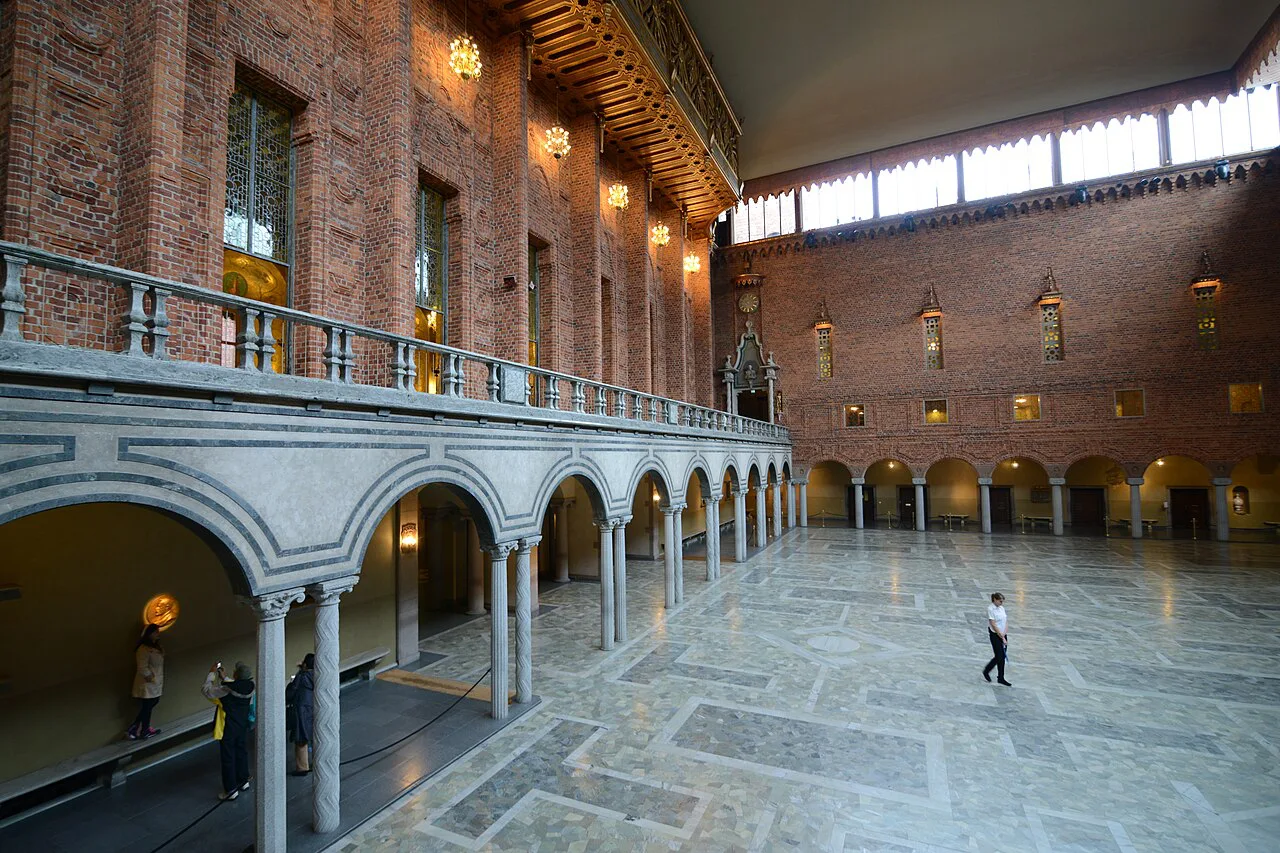
Today Stockholm is known for clean air and green space, a tech and design economy, and a culture that runs from ABBA to the Nobel Prize ceremonies. The city hosted the first Nobel Prizes in 1901, and the Nobel banquet is still held in the Blue Hall of the City Hall, which is open to visitors.
On cost, Stockholm has a reputation for being expensive, and the practical response is to plan in Swedish krona rather than converting at every purchase. Prices for museums, palaces and transport are set by each venue and operator, so check current figures on their sites instead of budgeting from a guidebook total.
Fika, the habit of stopping for coffee and something sweet, is the cheapest way to feel the city's rhythm and needs no booking. Swedish is the official language but English is widely spoken, so a short break does not depend on learning phrases.
Where to see the history in a day, on foot
A workable single day starts in Gamla Stan early, takes in the square, Storkyrkan and the Royal Palace, then crosses the short bridge to Riddarholmen for the church. From there, take the ferry or tram to Djurgården for the Vasa Museum, which alone can absorb two hours, and finish with Skansen if daylight and legs allow.
The sequence matters more than the pace: keep the medieval and 17th-century sights together in the morning, when the Old Town is quieter, and leave Djurgården for midday. Check the day of the week before setting out, because some museums close on Mondays and seasonal hours differ from summer to the rest of the year.
If you would rather build the day around indoor sights, the Museums in Stockholm guide sets out the main options by type and location. For a wider index of named sights beyond the historical core, the Stockholm attractions guide is the place to start.
Which layer of Stockholm should you chase first?
Start with Gamla Stan and Riddarholmen if your trip is one or two days, because the medieval and 17th-century layers sit within a twenty-minute walk and cost you almost no travel time. Save Drottningholm for a three- or four-day visit, when the journey out is no longer a trade-off against the centre.
Whichever route you choose, treat the city as a sequence of periods rather than a checklist. Check the day of the week for the museums you care most about before you leave in the morning, and most wasted mornings on a short break disappear.
Frequently Asked Questions
When did Stockholm become the capital of Sweden?
Stockholm was already the most important city in Sweden by the late Middle Ages, grown rich on Baltic and Hanseatic trade. The city itself is older still: it is first mentioned in written records in 1252.
What is the most famous building in Stockholm?
There is no single answer, but the Royal Palace, one of the largest palaces in Europe and still the monarch's official residence, and the Vasa Museum, built around the warship that sank in 1628, are the two that most visitors plan around. Riddarholmen Church is the oldest surviving building, which makes it the pick for anyone chasing the medieval layer.
Is Stockholm cheap or expensive?
Stockholm has a reputation as an expensive city, so plan in Swedish krona and check current ticket prices on each museum or palace website rather than budgeting from a guidebook figure. Free time goes a long way: walking Gamla Stan and Riddarholmen costs nothing, and a fika stop is the cheapest way to break up the day.
How much of Stockholm's history can you see in one day?
A single day covers the medieval town, Riddarholmen Church, the Royal Palace and Storkyrkan on foot, plus one major museum on Djurgården such as the Vasa. Drottningholm and the Woodland Cemetery need a separate half-day each because they sit outside the centre and involve travel.
Sources
Notes for your next Swedish city break
Optional updates to our Sweden guides.
You might also like
Continue reading
More guides you'll find useful