Stockholm Walking Tour: A Self-Guided Route with Stops in Order
Plan a Stockholm walking tour with a self-guided route in order, walking times between stops, and the streets, squares and waterfronts you pass on the way.
On this page
A Stockholm walking tour works best as one continuous route: Gamla Stan, then Riddarholmen, across to Skeppsholmen and finishing on Södermalm's viewpoints. Allow roughly three to four hours of walking and looking, or a half day once you add a proper stop. This route puts the stops in numbered order so you can follow it on a map without doubling back, and our Things to Do in Stockholm guide has the wider sightseeing overview.
The old town comes first for a practical reason. Gamla Stan is dense, pedestrian and slightly confusing, so it rewards fresh legs and daylight, and every later stop is downhill or flat from there. Carry a charged phone for the map and a card for payments, because Stockholm runs on cards and mobile payments rather than cash. You will also want comfortable shoes for cobbles, which are uneven in the oldest lanes.
What the route covers and why walking suits Stockholm
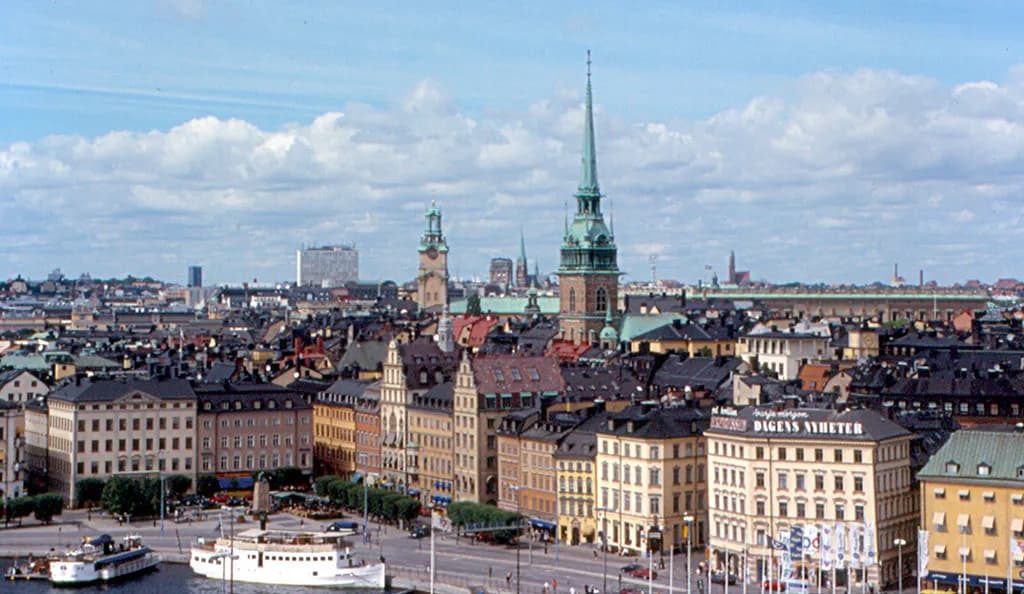
This walk links four distinctly different pieces of central Stockholm: the medieval lanes of Gamla Stan, the quiet civic island of Riddarholmen, the museum island of Skeppsholmen and the high ground of Södermalm. Because the water does so much of the separating, the route is naturally linear and easy to remember. Treat the named islands and squares as waypoints and the navigation looks after itself.
Walking also beats public transport here. Distances between the islands are short but the transitions involve bridges and waterfront paths, which is where much of the atmosphere sits. A metro hop would save a few minutes and cost you the view back across the water. The trade-off is weather: there is little shelter on Skeppsholmen's open stretches, so plan the exposed parts for a dry slot.
Stop 1: Gamla Stan's lanes and the main square
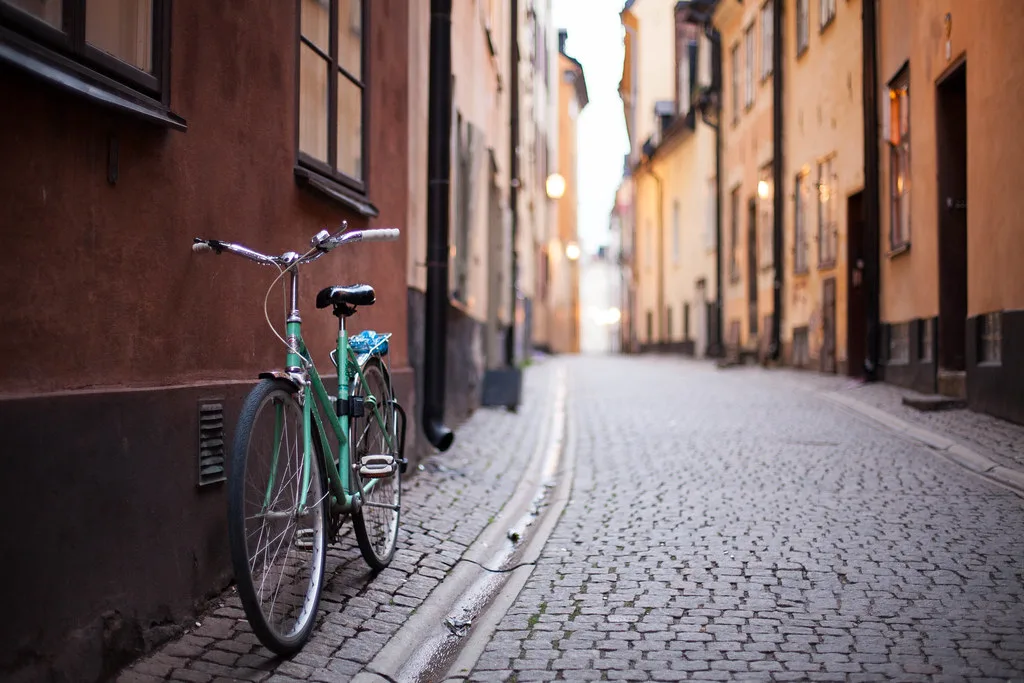
Start in the heart of Gamla Stan. The old town is a tight knot of cobbled lanes around Stortorget, the main square, and the walk is more about wandering than ticking off sights. Allow around an hour if you keep moving, or ninety minutes if you want to look inside the cathedral or pause at the Nobel Prize Museum and Royal Palace.
The lanes themselves are the attraction: narrow, ochre and oxblood facades, steep steps and sudden views of spires. Head downhill towards the water rather than fighting uphill, and use the square as your fixed point if you get turned around. If you would rather have the history narrated, the free tour operators run old town walks here, and getting a guided overview before a self-guided walk is a fair way to use both.
Stop 2: Riddarholmen and the view back
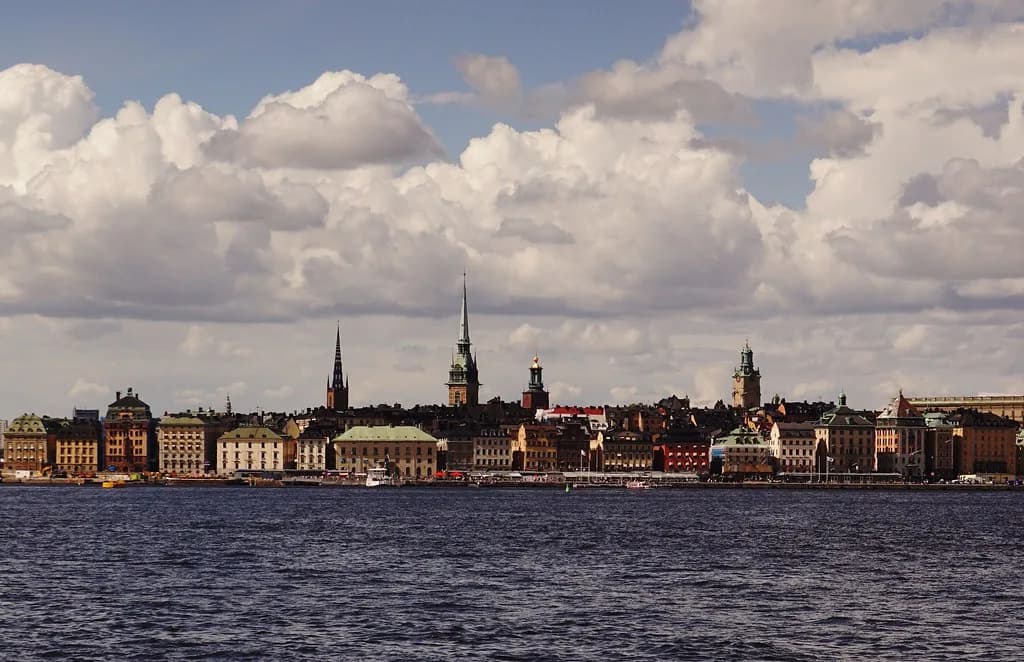
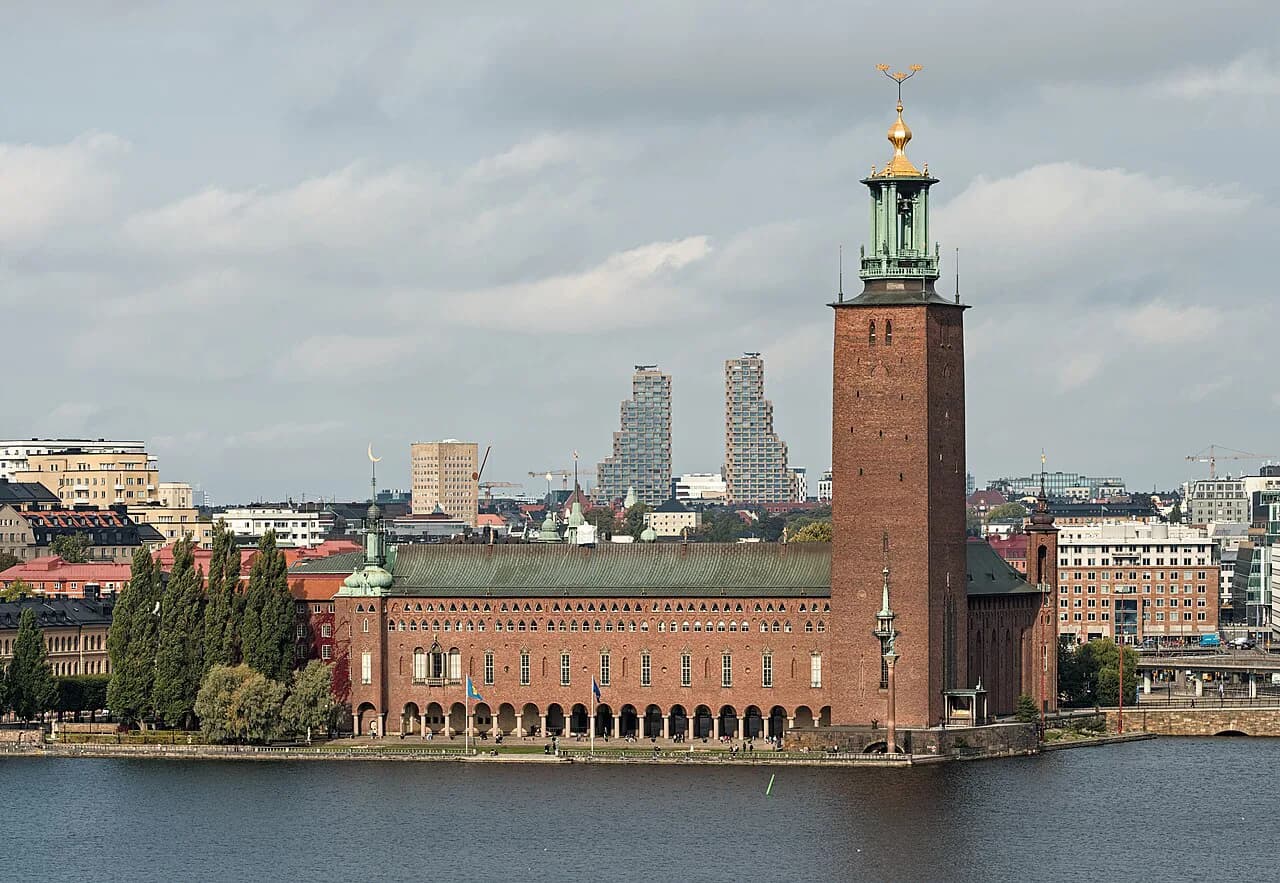
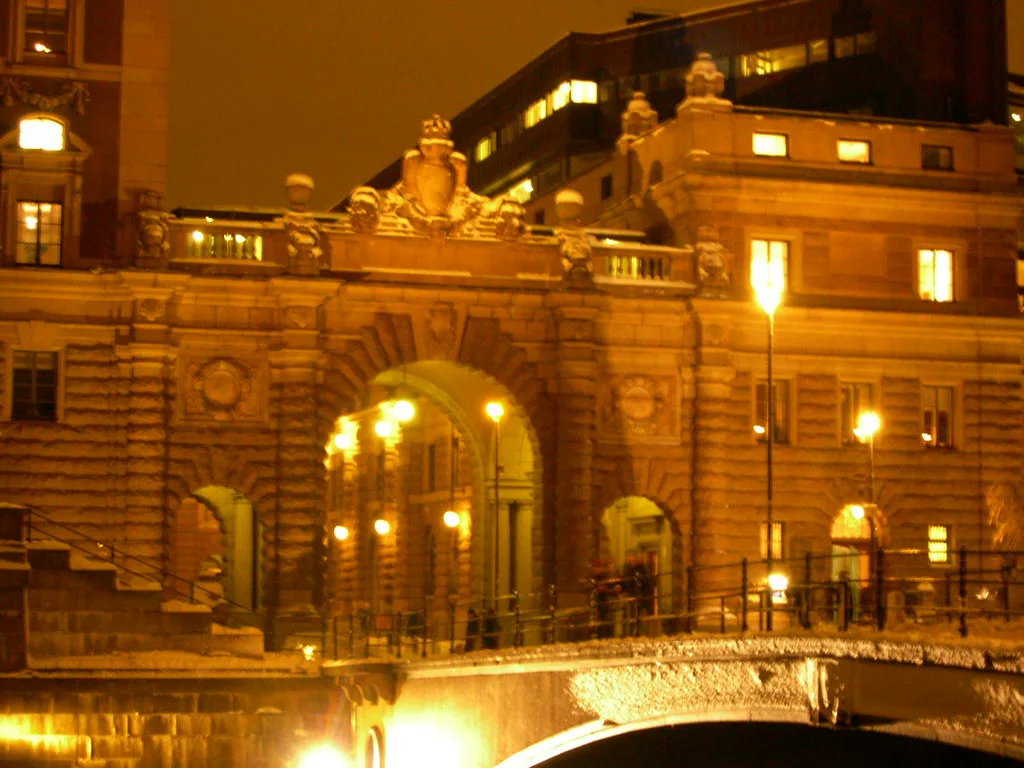
From Gamla Stan's western edge, a short bridge takes you onto Riddarholmen, a small island of grand, mostly quiet buildings along the water. It takes minutes to cross and barely fifteen minutes to circle, but it delivers the classic view back towards the old town's facades rising from the quay. This is the best photographic stop on the whole route and costs nothing.
Keep the pace slow here. Riddarholmen is a place to stand and look rather than to do things, and that pause is what makes the next leg feel like a change of scene. From the waterfront you then head back through the old town's northern edge to reach the bridge towards the museum islands.
Stop 3: Skeppsholmen for a quieter stretch
Crossing to Skeppsholmen gives the walk its breathing space. The island is green, low-rise and far less crowded than Gamla Stan, with waterfront paths and modern art at Moderna Museet if you want to break the walk. Twenty to thirty minutes of strolling covers the main paths. The contrast with the old town is the point, so resist rushing it.
This is also where you feel the weather most. The crossing and the island's open edges are windy, and there is limited cover compared with the old town's lanes, which is why it is worth doing this stretch while you are still warm from walking. From Skeppsholmen you continue south towards the Slussen end and up onto Södermalm.
Stop 4: Södermalm and the viewpoints looking north
Södermalm ends the walk with height. The northern edge of the district rises above the water and gives long views back over Riddarholmen and Gamla Stan's spires, best in late afternoon light. Allow forty-five minutes to climb gently through the streets, pause at a viewpoint and find your way back down to a metro station.
The neighbourhood itself is worth an hour beyond the viewpoints, with independent shops and cafés along the main streets. If you want to plan that separately, our guide to Stockholm cafes covers where to break for a coffee and cinnamon bun, the Swedish fika pause this walk deserves. It is a good way to split the route in two without losing momentum.
Distance and realistic timing for the full route
The full route is compact: roughly six to seven kilometres of walking, with the bridges and waterfront paths making it feel shorter than the distance suggests. Plan three to four hours at a steady pace with short stops, or a full half day if you add a museum, a proper lunch and a fika break. Add an hour for Gamla Stan's interiors and you have a comfortable day.
For a shorter version, walk Gamla Stan to Riddarholmen and finish at the waterfront, which takes about ninety minutes and captures the best views. That version suits a first afternoon in the city or a day when the weather turns. Leaving out Skeppsholmen and Södermalm costs you the quiet island and the high viewpoints, which is the honest trade-off.
Free walking tours: Gamla Stan, Östermalm and Södermalm
If you would rather be guided, the free walking tour format is well established in Stockholm. SANDEMANs runs an Old Town free tour and also lists free walking tours of Östermalm and Södermalm, booked online in advance, with the guide paid by tips at the end rather than a fixed ticket. That model suits flexible travellers but rewards good guides unevenly, so read the tour descriptions before you commit.
Nordic Freedom Tours is a local Scandinavian operator running free walking tours in Stockholm, and its own site says it has run tours since 2015 with almost zero cancellations. Both options give you commentary and company that a self-guided route cannot, but they fix your pace and your finishing point. If you want to linger in Gamla Stan's lanes or stop for photographs, self-guided wins.
Paying for a free tour and budgeting in kronor
A free tour is not really free: you pay what you think it was worth at the end. Stockholm is largely cashless, so confirm with the operator before you join whether card tips are accepted rather than arriving with notes. Decide your own ceiling before the tour, because a good guide on a long walk on a cold day earns more than you might expect.
Budget separately for the paid extras along the route: museum entry, a coffee stop and any boat crossing you add. Paid walking tours and activities in Stockholm are listed with their prices on booking platforms, so compare those before you decide whether to tip a free guide or book a fixed-price tour. Keep card headroom for the day's small purchases.
Guided versus self-guided: the honest trade-off
A guided tour buys you stories, context and someone else doing the navigation, which is worth a lot on a first visit to a city whose history is dense and whose street pattern is medieval. A self-guided walk buys you pace, flexibility and the freedom to abandon the plan when a lane looks interesting. Neither is better; they suit different kinds of short break.
A practical hybrid works well for a one to four day trip: take a free guided old town tour on your first morning to get your bearings, then walk the islands and Södermalm yourself on the second day. If you would rather spend the second day on the water, a Stockholm boat tour covers the archipelago and harbours from a different angle with far less walking.
What to carry for a day on foot
Comfortable shoes matter more than anything else: Gamla Stan's cobbles are uneven and Södermalm is uphill. Add a waterproof layer, a charged phone for maps and payments, and a refillable bottle. Stockholm's card-first culture means a debit or credit card and a phone wallet cover almost everything, so you can leave cash at home.
Pick up a coffee and a bun when you need a break rather than carrying food all day. If the walk leaves you wanting to cover more ground, a Stockholm bike rental extends the route to Djurgården easily, though the old town lanes are better on foot. Carry a small bag rather than a daypack so you can move through the narrowest alleys comfortably.
Fitting the walk into a one to four day trip
On a one day trip, do Gamla Stan and Riddarholmen in the morning and Södermalm's viewpoints in the late afternoon, skipping Skeppsholmen. With two days, run the full route on day one and give Djurgården or the museums a full day on day two. Three or four days lets you split the walk into two shorter halves and absorb it properly.
Weather decides a lot in Stockholm, so keep the route flexible: the sheltered old town lanes work in rain, while the open waterfront and viewpoints want a clear day. Build the walk around a museum or a long lunch and you can absorb a shower without losing the day. That flexibility is the main reason a self-guided route beats a fixed tour time on a short break.
Self-guided route or free walking tour?
Choose the self-guided route if you want to see the water, the viewpoints and four different parts of the city at your own pace, and if you are happy navigating with a map. Choose a free walking tour if commentary matters more than flexibility, or if it is your first day and you want Stockholm explained before you explore it alone.
Either way, the geography is on your side: the old town, the civic island, the museum island and the high southern district sit within a few kilometres of each other. Walk it once in order and the rest of the city starts to make sense.
Explore more Stockholm guides
Frequently Asked Questions
Are there any areas of Stockholm to avoid on foot?
Stockholm is a compact, walkable city and the central route through Gamla Stan, Riddarholmen, Skeppsholmen and Södermalm is well used by visitors. At night, stick to lit streets and busy areas, as you would in any capital. There is no need to plan the walk around areas to avoid during the day.
How much should I tip on a free walking tour in Stockholm?
Tips are voluntary and set by you at the end of the tour, so there is no fixed amount to budget. Operators publish how payment works on their own booking pages, and Stockholm is largely cashless, so confirm before the tour whether card tips are accepted. Decide your own ceiling before you join.
What should I not miss on a Stockholm walk?
The view back over the water from Riddarholmen, the medieval lanes around Stortorget in Gamla Stan, the quieter paths on Skeppsholmen and the northern viewpoints from Södermalm together make the best single route. If time is short, do the old town and Riddarholmen and leave the rest for another day.
Can I download a map for a self-guided Stockholm walking tour?
Use an offline map on your phone for the four islands and mark Stortorget, Riddarholmen's waterfront and the Södermalm viewpoint before you set out. Phone batteries drain quickly with maps and payments, so a power bank is worth carrying. The route is short enough that you can also follow it from street signs and the water.
Sources
Notes for your next Swedish city break
Optional updates to our Sweden guides.
You might also like
Continue reading
More guides you'll find useful