Visby History: A Short Guide for Visitors to Gotland's Old Town
A short history of Visby for visitors: the Hanseatic trading years, the medieval wall and church ruins, and where to see each period in the old town.
On this page
Visby's history fits into one sentence: a Hanseatic trading town on Gotland that became one of Scandinavia's best-preserved medieval cities, and UNESCO listed it as a World Heritage Site for exactly that. For a visitor, the value is that the story is walkable, with the ring wall, the church ruins and the lanes all inside a compact old town. This guide covers the periods that shaped the city and points you to the places where each one still shows.
Knowing the history before you go is really route planning: it tells you why the wall curves where it does, why so many churches stand roofless, and which streets carried the money. The wall, one ruin and Domkyrkan carry most of the story if you have a single day.
Why Gotland's Baltic position made Visby rich
Gotland sits in the middle of the Baltic, which made it a natural stopping point for ships crossing between the Baltic states, Russia and the markets of western Europe. Visby, on the island's west coast, became the main centre of the Hanseatic League in the Baltic from the 12th to the 14th century. That geography, not royal patronage, is the root of the town's wealth.
The traders left their mark in the fabric of the town: tightly packed lanes inside the defences, merchants' churches built with the profits, and a harbour economy that tied Visby to north German ports. The Hanseatic League's reach is why the town can feel more like a Baltic trading port than a Swedish market town.
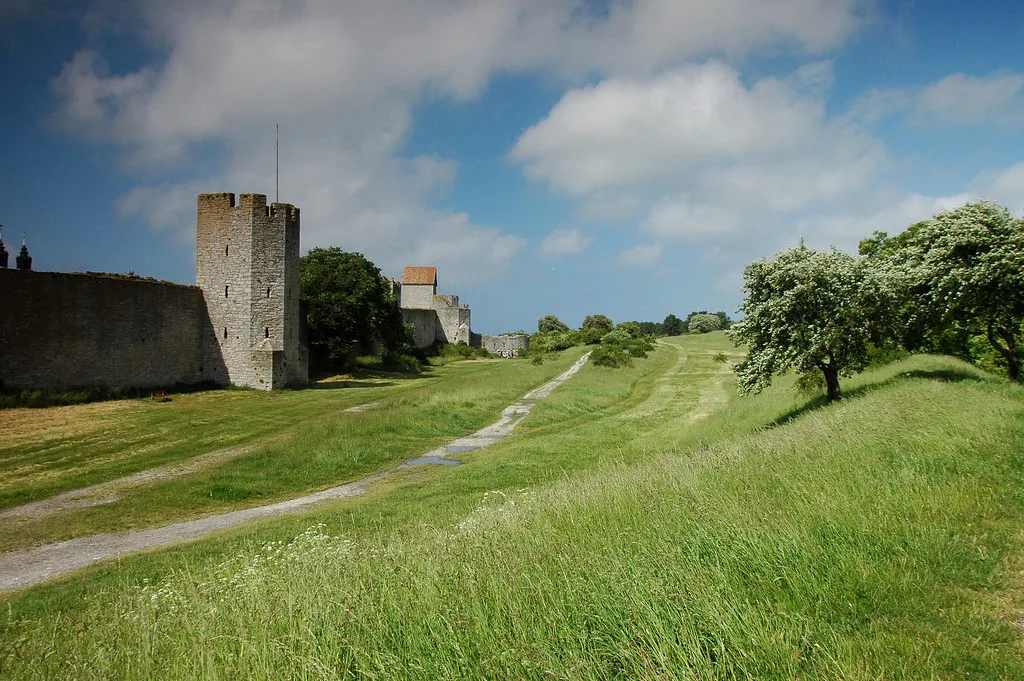
The Hanseatic peak, 12th to 14th centuries
Treat the boom as the 12th to 14th centuries, when Visby was a commercial hub rather than a royal capital. Visit Sweden describes the town as once a powerful Hanseatic city that flourished during the 12th and 13th centuries as a major Baltic trading hub. If you want a single fact to fix the era, make it this: Visby's great age was commercial.
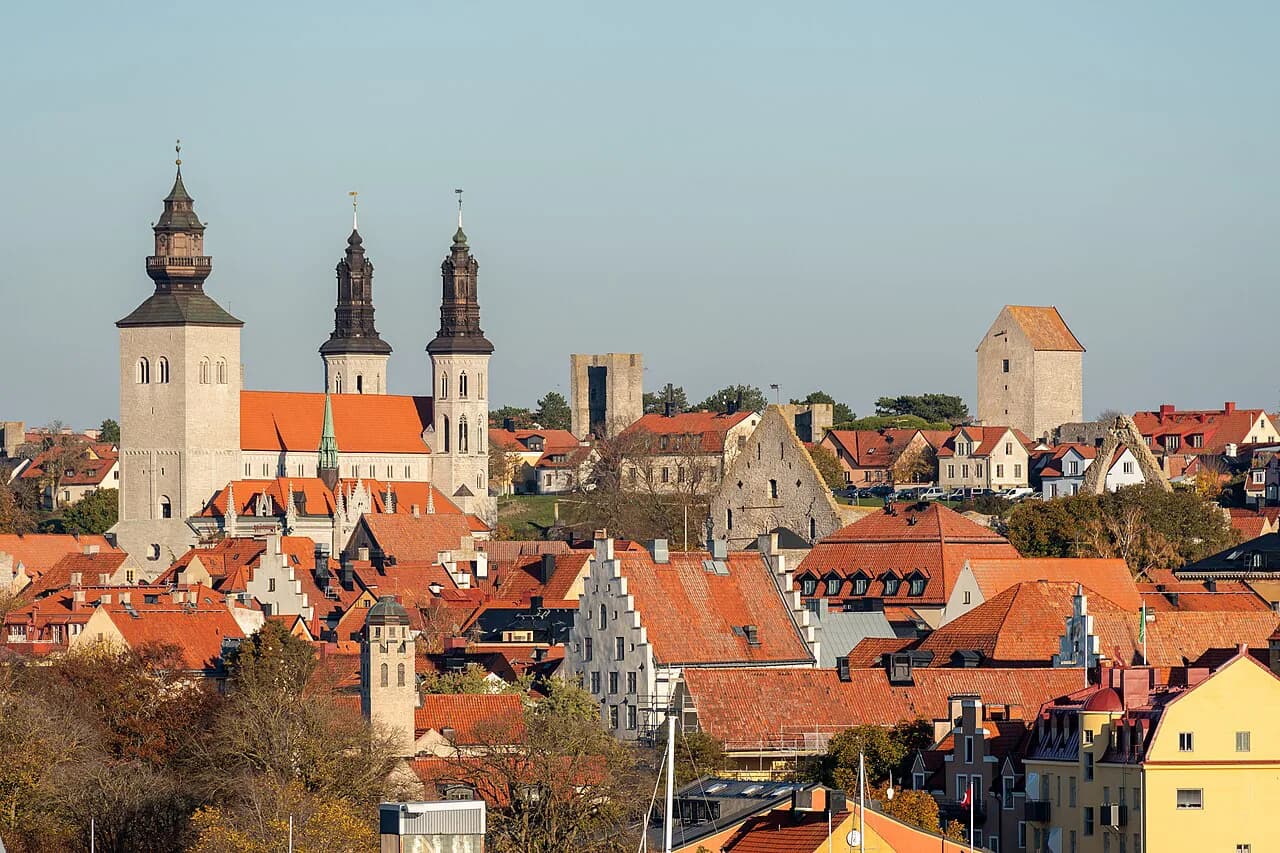
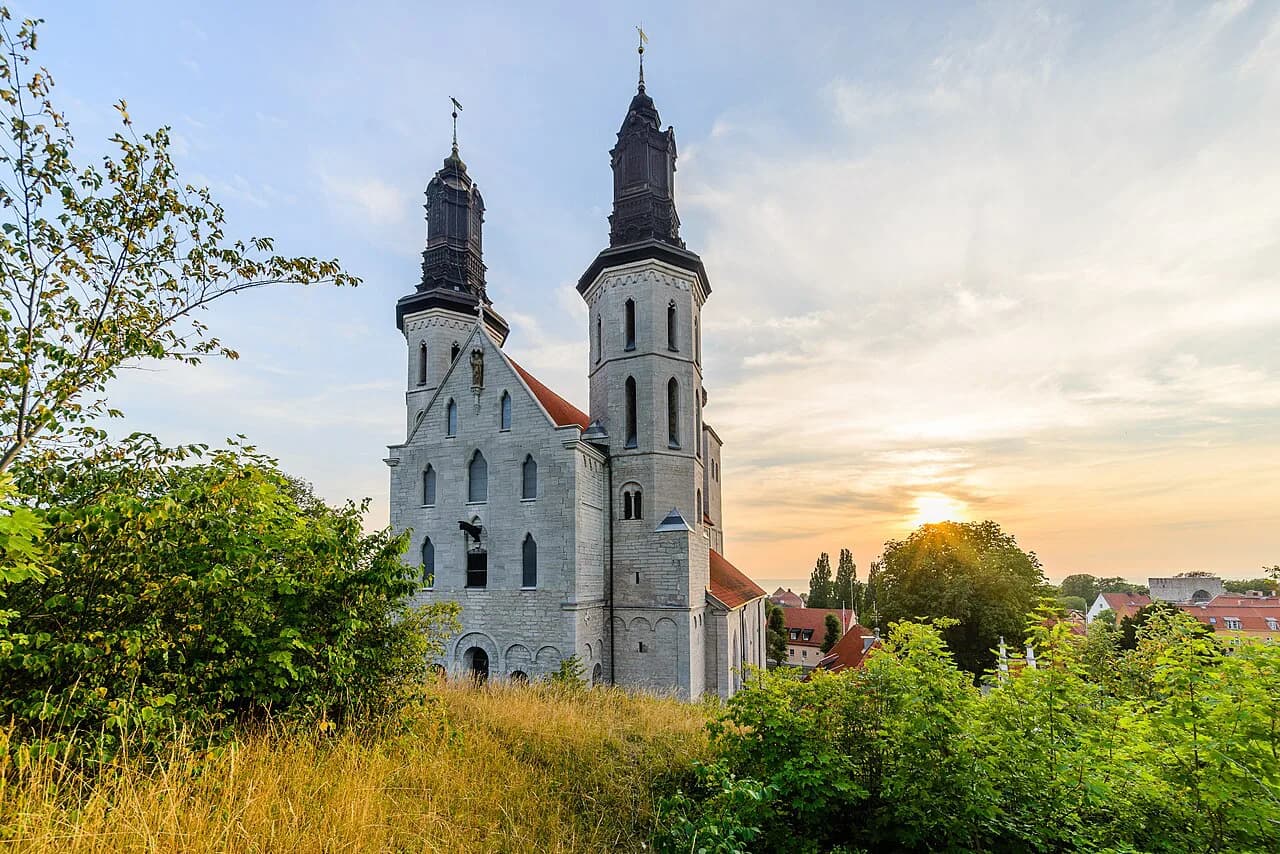
The wealth shows most clearly in the number of churches packed into a small area, far more than a modern visitor would expect for a town this size. Sankta Maria Domkyrka is the one that kept its roof and remains in use as Visby Cathedral, which makes it the natural starting point before you look at the shells.
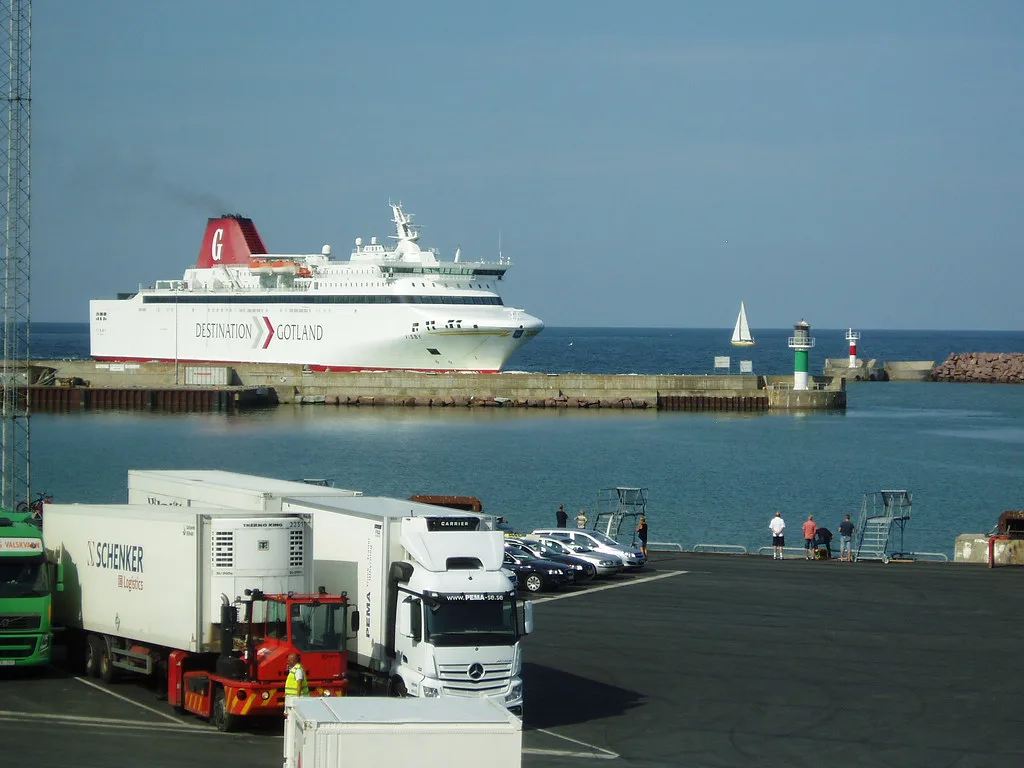
The city wall and what survives of the medieval defences
The wall is why the history is so visible: it still encircles the old centre, and Gotland's official tourism site calls Visby Scandinavia's best-preserved medieval town. It is a circuit of towers, gates and stretches built at different times, which is why its height and shape vary as you walk. Pick a gate near your starting point and follow the wall in one direction rather than trying to reverse it.
Leave time at the gates, where the medieval town met the roads out to the rest of Gotland, and choose a stretch with towers for the best sense of the defences. The wall is a public monument that you can walk along, so it works at almost any time of day. The official pages describe an extraordinarily intact wall with the ruins, churches and cobbled lanes still inside it.
The church ruins inside the walls
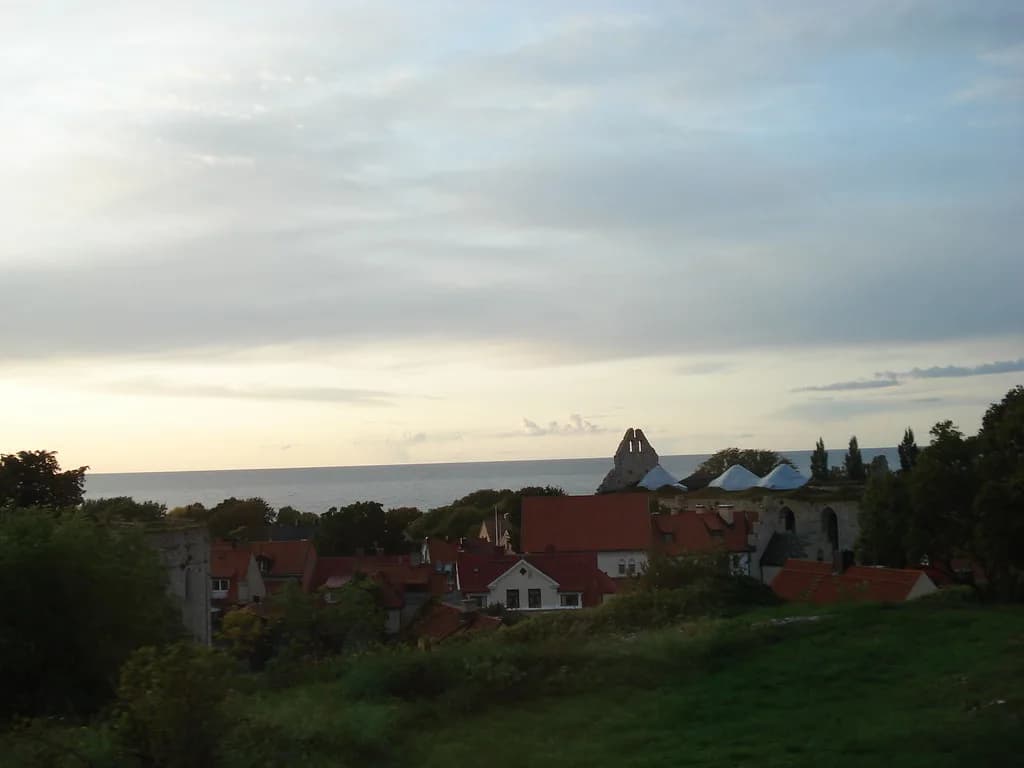
Several medieval churches fell out of use and were never rebuilt, so they stand today as roofless shells among the lanes. S:t Nicolai is the ruin most visitors stumble on, sitting in the middle of the old town and used for events. Ten to fifteen minutes at each is plenty; treat them as open-air monuments rather than museums.
One visible holy building is still a working church, and the official Gotland calendar lists a guided visit up into Visby Domkyrka's roof space. Check times before planning an inside visit, because the ruins are always visible from the street while interiors are not.
The Battle of Visby and the end of the town's dominance
The medieval dominance ended with the Battle of Visby in 1361, when Danish forces under Valdemar Atterdag defeated and killed the town's defending Gotlanders outside the wall. The town was not destroyed, but its commercial and political standing slid from that point as Hanseatic trade shifted elsewhere in the Baltic. Knowing the defeat makes the surviving town easier to read: much of it was simply not rebuilt in later styles.
The Gotland Museum in Visby holds the island's collection, which is where the objects behind that story sit, from archaeology to the medieval town. If you only have a day, the ruins and the wall will do, with the museum as the wet-weather alternative.
Gustavsvik, Almedalen and the medieval lanes today on foot
The medieval grid runs from Stora Torget up to the wall and down through the lanes towards the harbour. Almedalen, the park edging the old town towards the water, is the obvious green pause, and the official site places the Botanical Garden in the heart of Visby. Gustavsvik, south of the wall, is within walking distance of the World Heritage City of Visby.
The churches, lanes and wall need no ticket, so the core works as a self-guided loop with a map from the tourist office. A Visby walking tour is the efficient way to cover the lanes first and finish on the wall.
Where to see each period: the wall, the ruins, the cathedral and the Botanical Garden
Build the route by period: the wall for the defences, the ruined churches for the Hanseatic peak, the cathedral for the surviving medieval church in use, and the Botanical Garden for a modern pause against a world-heritage backdrop. Stora Torget and Södertorg make practical markers for starting and ending a loop, and Visby Centrum groups more than 200 businesses across the inner city for the shopping half of the day.
Start at the tourist office, pick up the free Hansestaden Visby walking map, and head for the wall; the map is printed in Swedish and English. A loop through Visby old town catches the wall, two ruined churches and the Botanical Garden in a comfortable half-day.
How much time to give Visby's historic core on a one- to three-day break
Give the historic core a full day if you want to walk the wall with stops and see the ruins properly. On a one- to three-day break that covers the medieval story without rushing, and it leaves the rest of the island for a separate day so the wall is not squeezed against a ferry timetable.
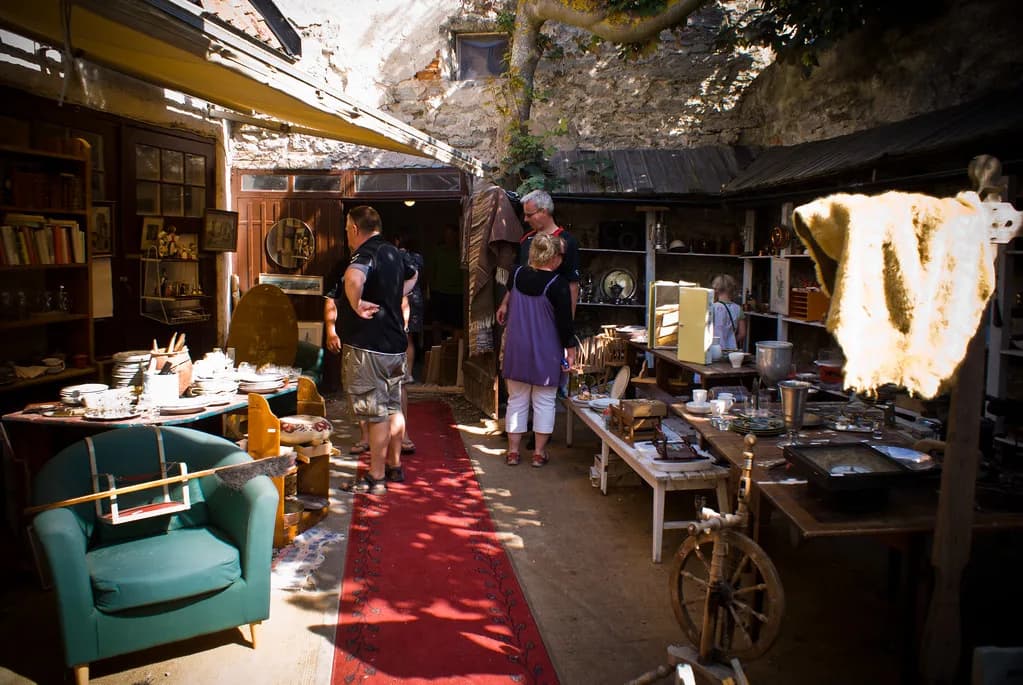
Leave the historic lanes to the morning before day-trip crowds arrive, then use the afternoon for the centre. Visby's events calendar fills the town at points in the year, including the medieval week and the spring Vårdagar weekend with markets on Stora Torget and a car-boot sale on Södertorg, so check what clashes with your dates.
Getting to Visby and the island's wider history
Visby is on Gotland, reached by ferry or by air, and the crossing itself puts the island's Baltic position in perspective. The official Gotland site keeps travel information for getting to and around the island, including bike and electric car options, which matters if you want to see more than the town.
Outside the wall the story continues with Viking-age picture stones and rural churches, which belong to the same island history as the Hanseatic town. If you are weighing the trip up against other Swedish cities, history is Visby's strongest card, and the honest trade-off is the journey to reach it.
Which walk to build your history day around
Build the day around the ring wall and the ruins: start at a gate, walk the wall, and loop back through the lanes past the roofless churches and the cathedral. That gives you the Hanseatic peak and the medieval defences in a single half-day.
Check times for the cathedral and any guided tours before you travel, then use the city guide for the practical side of the visit. A fika stop in the lanes is the natural break between the wall and the ruins.
Explore more Visby guides
Frequently Asked Questions
Is Gotland Danish or Swedish?
Gotland is Swedish today. Visby spent part of its medieval peak as a Hanseatic trading town, and the Battle of Visby in 1361 was a Danish victory over the defending Gotlanders. The island is now part of Sweden.
Were there Vikings on Gotland?
Yes. Gotland's Viking-age archaeology is one of the island's most important historical layers, and the picture stones are its best-known examples. The Hanseatic town came later, so the two eras belong in the same story.
What is Visby famous for?
Visby is known as Scandinavia's best-preserved medieval town, with a ring wall, roofless medieval churches and cobbled lanes, and it is a UNESCO World Heritage Site. Its fame rests on the completeness of the old town rather than a single building.
Sources
- VISBY WORLD HERITAGE SITE - Gotlands officiella inspirationssida
- Visby Centrum - Gotlands officiella inspirationssida
- Visby Vårdagar - Gotlands officiella inspirationssida
- Välkommen till livet på ön | Gotlands officiella inspirationssida
- Visby
- Hanseatic Town of Visby
- Visby – a Swedish fairytale town on the island of Gotland
Notes for your next Swedish city break
Optional updates to our Sweden guides.
You might also like
Continue reading
More guides you'll find useful