
Skansen Lejonet: Gothenburg's Lion Fortress

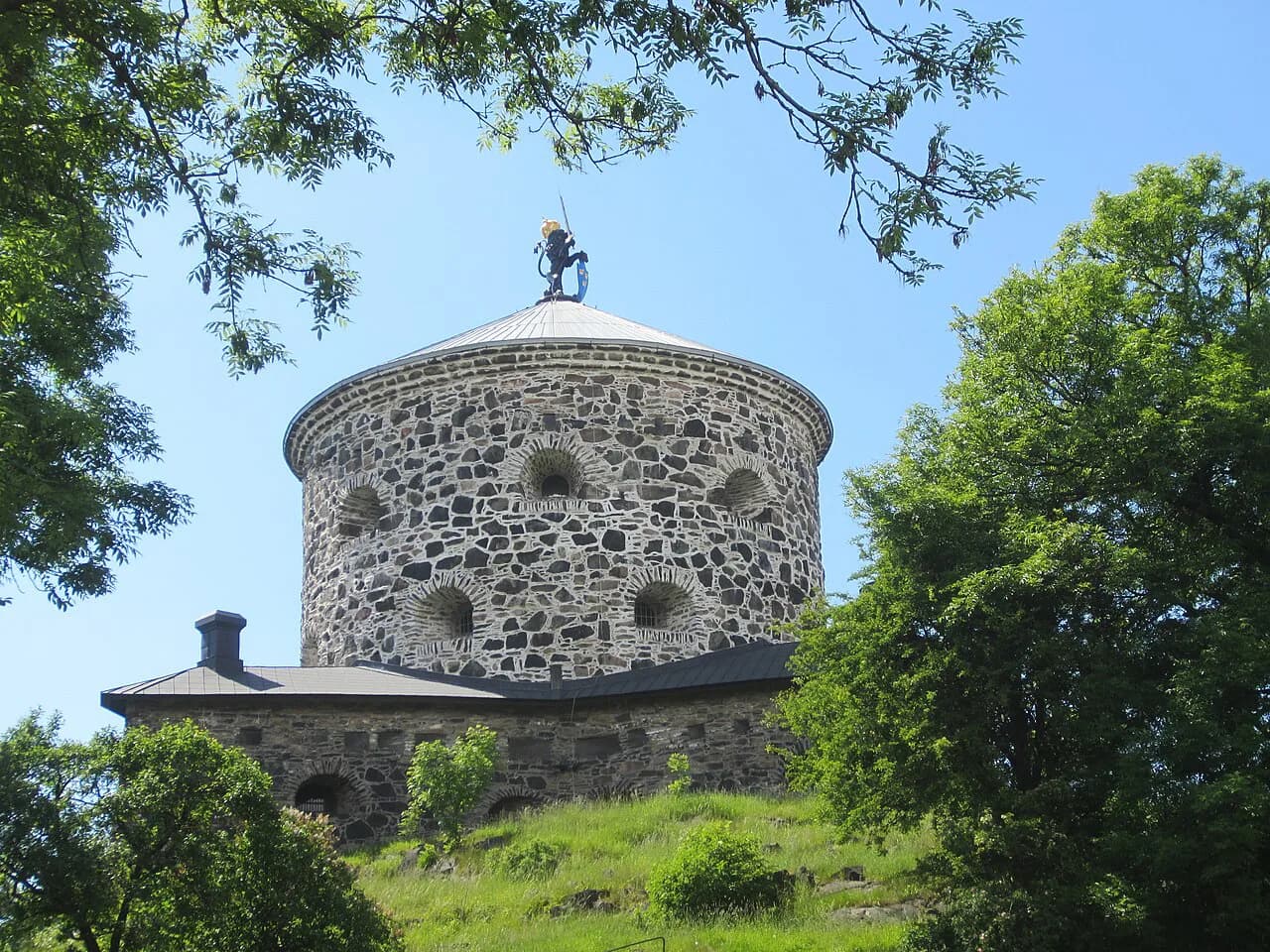
Skansen Lejonet is a late-17th-century fortress on a hill above central Gothenburg, topped by a copper lion, and it works best as a 20-to-40-minute viewpoint stop rather than a museum visit. The foundation stone was laid on 22 June 1687 by Erik Dahlbergh, and Karl XI inaugurated the fort in 1689. This guide covers where it stands, how to reach it on foot, what you see from the top and how it fits into a one-to-three-day city break.
What Skansen Lejonet is and how it fits into Gothenburg's defences
Skansen Lejonet is one of the defensive works built to guard Gothenburg in the late 1600s, and it is a different site from Skansen Kronan on its own hill to the south. The two are often confused because both are 17th-century fortifications with similar names, but they sit on separate heights and are visited separately. Treat Skansen Lejonet as a piece of military history and a viewpoint, not as a museum with galleries and displays.
The historical record ties the fort directly to two named figures: Erik Dahlbergh laid the foundation stone and Karl XI inaugurated the finished work. That gives the site a clear place in Gothenburg's story, and it is worth reading the lion as a symbol of the city's defences rather than as a decorative flourish. If you want the wider set of sights, start with the Gothenburg Attractions: 21 Visitor Guides.

Where Skansen Lejonet stands and how to reach it on foot
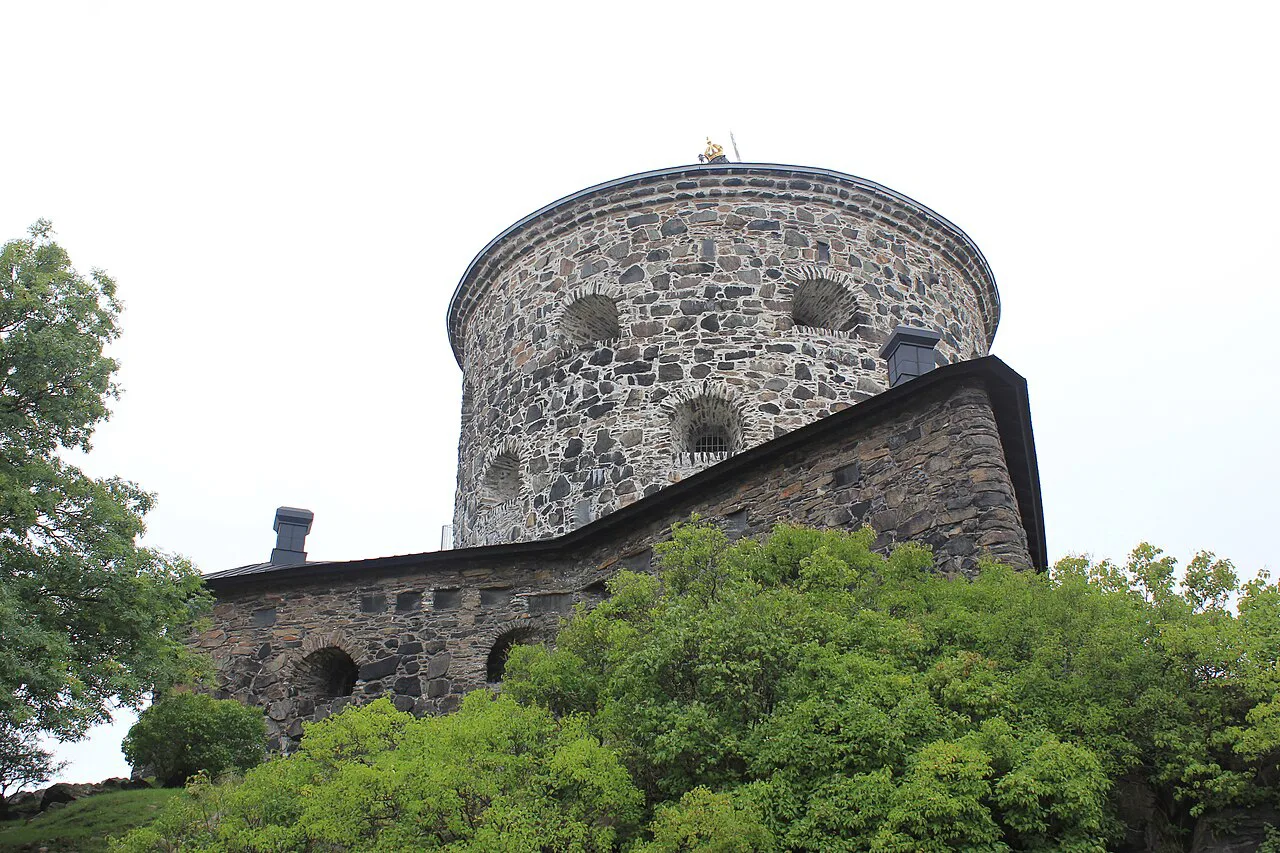
Skansen Lejonet stands on a hill above the Gullbergsvass area, on the edge of central Gothenburg, and the climb is short but steep enough to make you notice it. From the central streets and the Central Station area you can walk up towards the fort, though the exact routes and stairways change with the streets around them. Allow a little extra time for the ascent and wear shoes you can walk uphill in.
Because the climb is short, the fortress fits easily between other stops rather than as a half-day outing. If you are using public transport, check the Västtrafik journey planner for the nearest stop and walk from there; the last stretch is on foot. If you are already exploring the city's attractions, use the Gothenburg Attractions guide to plan the day around it.

The history: Erik Dahlbergh's foundation stone and Karl XI
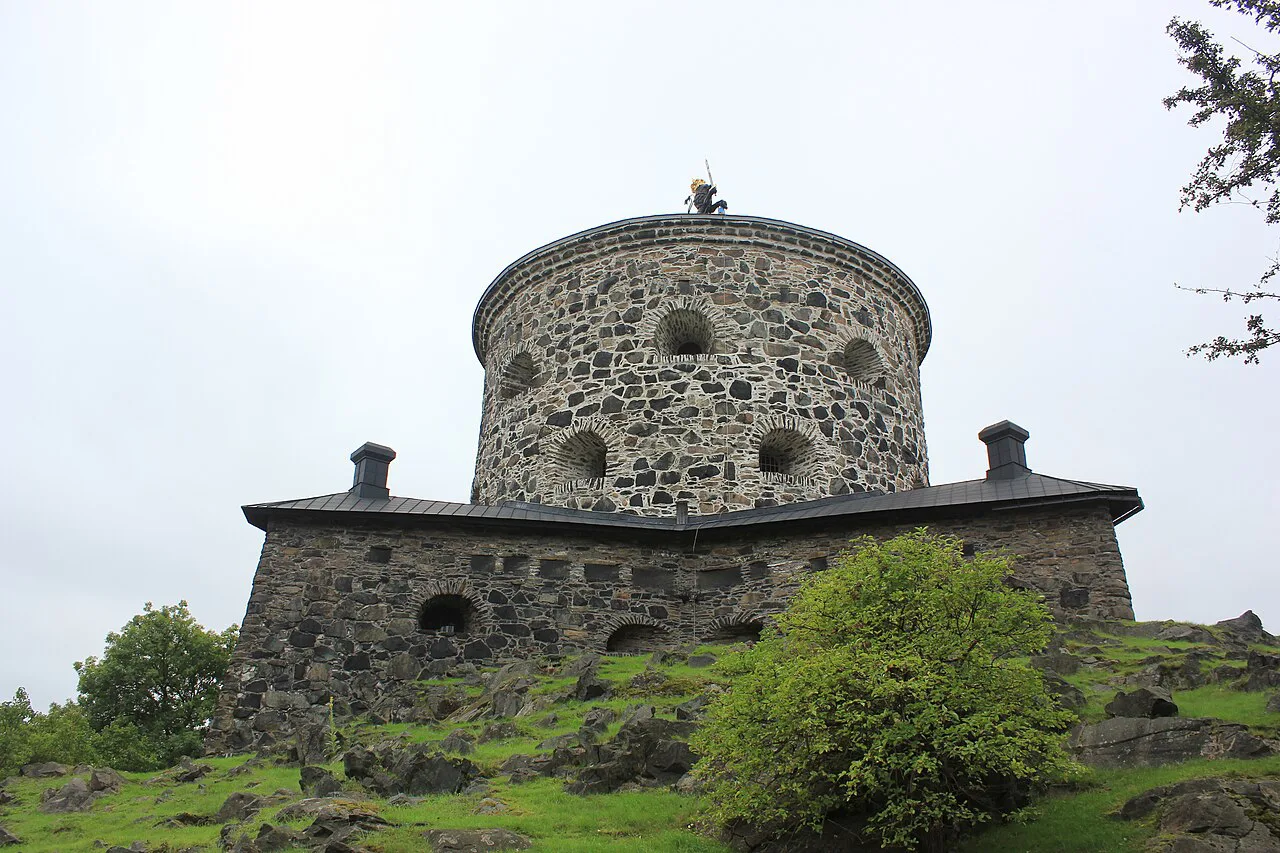
The foundation stone was laid on 22 June 1687 by Erik Dahlbergh, the engineer and official behind much of Sweden's late-17th-century fortification work, and Karl XI inaugurated the fort in 1689. Those are the two dates worth remembering when you stand on the site, and they place it in the same era as Skansen Kronan. The history gives the hill its purpose: it was built to watch over the approaches to the city, not to entertain visitors.
If the military history is the reason you are climbing, pair the visit with Skansen Kronan, Gothenburg's other 17th-century fortification, to see how the two hills relate to the city below. The comparison makes the scale of Gothenburg's old defences easier to picture.
What you see at the top: the copper lion and the view
The landmark at the top is the copper lion that crowns the building, the feature that gives Skansen Lejonet its name. The fort itself is a compact structure, so most of the visit is spent outside looking at the building and the view rather than walking through rooms. Bring a camera if you want the classic shot of the lion against the sky.
The height of the site gives you a view over the city and the river corridor, which is the main reason to make the climb on a clear day. The viewing is informal: there is no visitor centre or exhibition to work through. On a wet or windy day, the exposed hilltop is less appealing, so save it for better weather.
How long to allow, and what the site is like as a stop
Allow 20 to 40 minutes for the climb, a look at the fort and the view, and the walk back down. It is a short stop rather than a half-day, which makes it easy to slot into a one-to-three-day trip without cutting anything else. Go in the morning or late afternoon for softer light and fewer people.
The site is best treated as a viewpoint and a piece of history, not as an attraction with facilities. There is no café or shop to plan around, so bring water and combine it with a proper stop elsewhere. Skansen Kronan, on its own hill, is a natural companion stop.
Skansen Kronan and other nearby sights on the same walk
Skansen Kronan is the other hill fort, and it makes a natural pair with Skansen Lejonet if you are walking the city's high points. The two are separate sites, so plan them as two short stops rather than one visit. Between them you pass through central streets where you can stop for coffee or a meal.
From Skansen Lejonet you can walk down towards the city centre and the Garden Society of Gothenburg, Trädgårdsföreningen, which has free entry and a palm house. Slottsskogen is further out but still walkable for a longer green stop. The Gothenburg Botanical Garden is another option if you want a full afternoon of gardens rather than a quick look.
If you are building a day around the hill, use the things to do in Gothenburg guide to fill the rest of the itinerary. The city's free and low-cost options, from parks to museum entry, make it easy to keep costs down around a short fortress stop.
Opening times and events at Skansen Lejonet
The fortress has no published opening hours, ticket price or admission rule in the sources available, so do not assume it is open at a set time or free to enter. Check the site's own information before you go if access matters to your plan, and treat it as a hilltop you can look at from outside unless you learn otherwise.
The site's height and copper lion are described in visitor reviews, but those details are user-generated and should be treated as approximate rather than official. If you need exact figures for a school project or a book, rely on the historical association's material rather than review sites.
Is Skansen Lejonet worth the climb?
Yes, if you want a short viewpoint with a piece of 17th-century history and a distinctive copper lion on top. Skip it if you are looking for a museum with displays, or if the weather is poor and the hilltop would be exposed. Pair it with Skansen Kronan for a two-hill walk that makes sense of Gothenburg's old defences.
To fit it into a wider trip, use the Gothenburg Attractions: 21 Visitor Guides to plan the rest of the day. And if you want a longer green stop afterwards, Slottsskogen is the easy choice.
Explore more Gothenburg guides
Frequently Asked Questions
Is Skansen Lejonet free to visit?
No admission price is published, so it is not possible to confirm whether entry is free. Check the site's own information before you go, and plan on viewing it from outside unless you learn otherwise.
Can you go inside Skansen Lejonet?
The sources do not say whether the interior is open to visitors. Treat it as an exterior viewpoint unless the site's own information says otherwise.
What is the difference between Skansen Lejonet and Skansen Kronan?
They are two separate 17th-century fortifications on two separate hills in Gothenburg. Skansen Lejonet is crowned by a copper lion, while Skansen Kronan is the other hill fort; both are short viewpoint stops and are often visited on the same walk.