
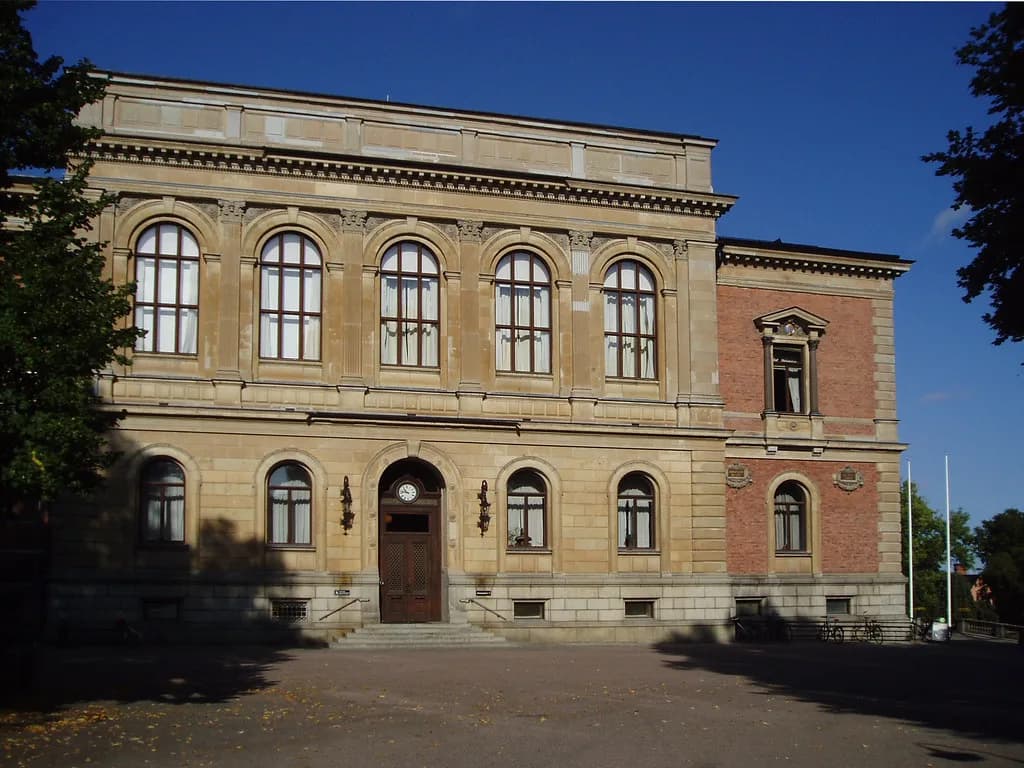
Gustavianum: Uppsala University's Museum in the Old Main Building
Gustavianum is worth an hour or two, not a day: it is a compact university museum where the star exhibit is the 1620s building itself. Inside you find an anatomical theatre under a cupola, the Augsburg Art Cabinet and the original Celsius thermometer. This guide covers where it stands in central Uppsala, how the opening hours split between summer and the rest of the year, and how to pace a visit.
What Gustavianum is and why it is worth an hour or two
Gustavianum is Uppsala University's museum, housed in the institution's oldest standing building, constructed between 1622 and 1625. Its collections are the university's own study collections, so a mummy and modern art can sit under the same roof without it feeling arbitrary. That link to teaching and research is what separates it from a general city museum.
The museum's scale is the planning advantage. You are not committing a whole afternoon to endless galleries; the displays were assembled around the building's own history, so the architecture and the exhibits reinforce each other. Treat it as a focused stop between other central sights rather than the anchor of your day.
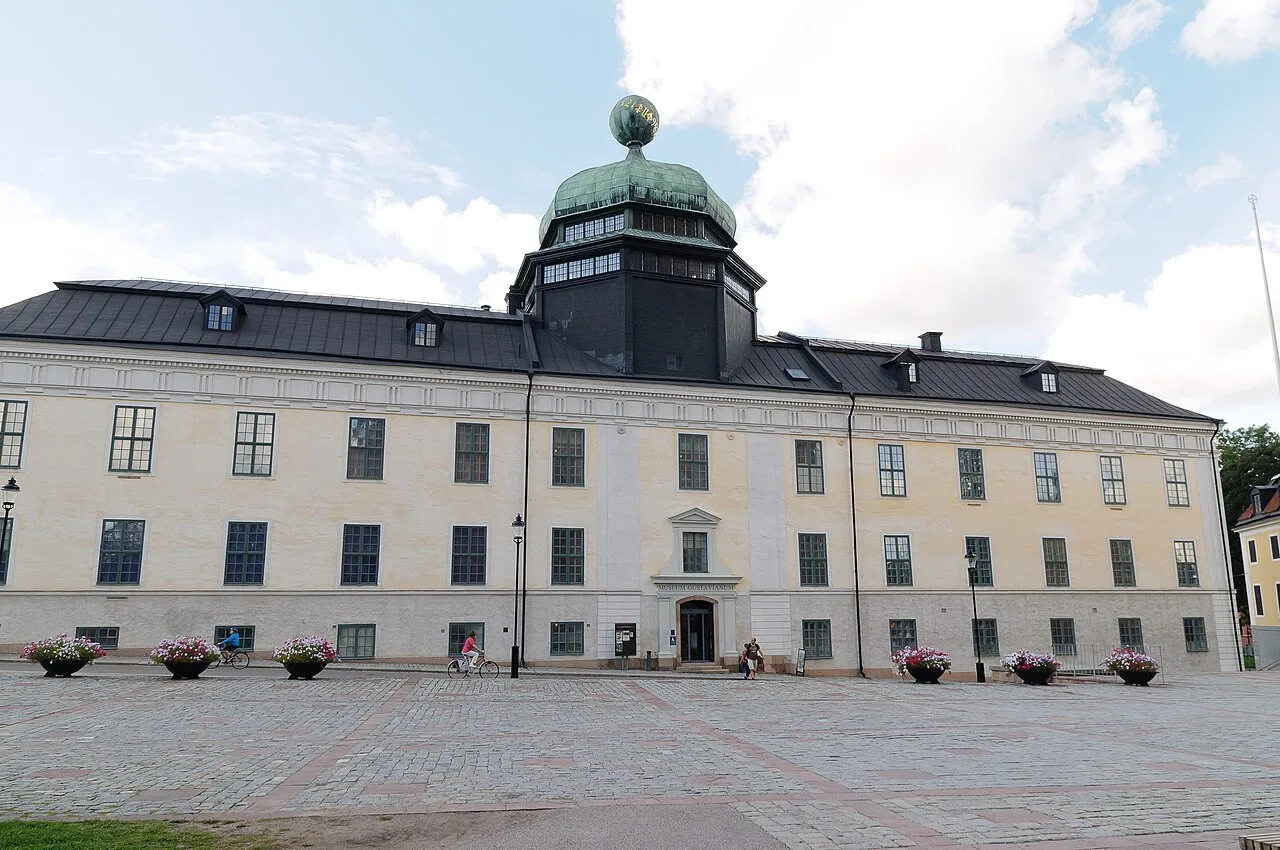

Where Gustavianum is in Uppsala and how to reach it on foot
Gustavianum sits in the historic heart of Uppsala, a short walk from the central station area and the main shopping streets. The city centre is compact enough that most visitors reach it on foot without planning a bus ride. If you are building a day around the universities, this is the natural first stop before wandering the surrounding streets.
For orientation, the wider set of Uppsala museums, squares and riverside walks is mapped out in our Uppsala Attractions: 13 Visitor Guides, which helps you slot Gustavianum into a route rather than treating it as an isolated visit.


Opening hours: summer and the rest of the year
The museum runs two different regimes, and the one that catches people out is Monday. From 1 June to 31 August it opens daily, 11:00–17:00. From 1 September to 31 May it is closed on Mondays, open Tuesday to Friday 12:00–17:00 and Saturday to Sunday 11:00–17:00.
There are late openings on selected Tuesdays; the museum lists 3 November and 1 December in its 2026 calendar, when doors stay open 12:00–20:00. Holiday exceptions sit outside the standard table, so check the museum's own holidays page before a trip that falls on a public holiday.
Ticket prices, concessions and free-entry rules are published with the museum's visitor information rather than repeated here; confirm them before you set out.
The anatomical theatre under the cupola
The anatomical theatre is the room most visitors remember. Created in the 1660s by Olof Rudbeck the Elder, Carl von Linné's predecessor, it is one of the oldest surviving theatres of its kind in the world, with circular wooden seating rising beneath a distinctive cupola. Daylight from windows above once let students watch dissections without artificial light.
Climb to it rather than rushing past: the staircase and hall on the way up are part of the experience, and the theatre rewards a few minutes of sitting still rather than a photo and exit. It is the single best reason to allow more than a quick circuit.
The Augsburg Art Cabinet and its near-1,000 objects
The Augsburg Art Cabinet is a 17th-century curiosity cabinet holding close to a thousand objects, and it survives as the only completely preserved cabinet of its kind. Think of it as an early attempt to compress the known world into one piece of furniture: shells, craftwork and oddities arranged for study and astonishment.
Give it close attention rather than a passing glance, because the detail is the point. It also explains the museum's logic: these were teaching collections, still used by students, not treasures gathered for display alone.
Celsius's thermometer and the university's study collections
Among the smaller treasures is the original thermometer developed by Anders Celsius, the instrument behind the temperature scale used worldwide. It is easy to walk past, so look for it deliberately. Pair it with the surrounding displays on the university's scientific history to see how measurement and observation fitted into ordinary teaching.
The collections rotate and include temporary exhibitions; a Bruno Liljefors show runs 13 June 2026 to 19 September 2027, so a visit in that window adds a Swedish painter to the history-of-science core.
The building itself: Sweden's oldest preserved university building
Gustavianum was built in the 1620s and named after Gustav II Adolf, and it is Sweden's oldest preserved university building. Walk it as architecture first: the staircase, the cupola and the layered rooms carry as much of the story as any display case.
That framing changes your route. Instead of hunting highlights room by room, look up, notice the building's bones and let the exhibits explain the institution that occupied them. The building is the jewel of the collection, in the museum's own words.
How long to allow and how to pace a visit
Allow roughly one to two hours. The museum is deliberately digestible rather than exhausting, so an hour covers the anatomical theatre, the art cabinet and the Celsius thermometer at a brisk pace, while two hours leaves room for temporary exhibitions and the building's upper rooms.
Go in the morning if you want the theatre before tour groups build up, and avoid Mondays outside June to August when the museum is shut. Tours are led by university students, which suits the setting; ask at the desk about times rather than relying on a fixed schedule.
What is nearby in central Uppsala
Carolina Rediviva, Uppsala University Library, is a natural next stop for anyone following the university thread, and it sits within easy walking distance in the same central cluster. Continue from there along the river if the weather holds.
Fyrisån, Uppsala runs through the middle of town and gives you a straightforward waterside walk back toward the station area. For a longer green pause, the Linnaeus Garden (Linnéträdgården), Uppsala ties neatly into the same scientific history you have just seen indoors.
Stora Torget, Uppsala is the obvious square for a pause afterwards, and the Uppsala University Main Building closes the academic circuit if you want one more university interior.
Is Gustavianum worth fitting into your Uppsala day?
Yes, if you want one compact, distinctive museum rather than a full day of galleries. The anatomical theatre and the Augsburg Art Cabinet give it a character no other Uppsala sight matches, and an hour or two is enough to see them properly.
Build the visit around the calendar: go daily in summer, and avoid Monday between September and May. Check the museum's own pages for current prices and holiday exceptions before you set out, then let the rest of your Uppsala day follow on foot.
Explore more Uppsala guides
Frequently Asked Questions
Do I need to book Gustavianum in advance?
The museum publishes its visitor information, including guided tours, on its own site. Check there for whether tours need booking and for any group arrangements before you travel.
Is Gustavianum suitable for a short city break?
Yes. It is compact enough to fit into an hour or two, which makes it a good half-morning stop alongside Uppsala Cathedral and the river rather than a whole-day commitment.