
Linnaeus Garden (Linnéträdgården), Uppsala: what to see and when it opens
The Linnaeus Garden, or Linnéträdgården, is Sweden's oldest botanical garden, a compact plot behind a green fence on Svartbäcksgatan in central Uppsala, and its public season runs from 14 May to 13 September. It sits on the ground of the garden Olof Rudbeck the Elder founded in 1655, and it is where Carl von Linné worked among beds arranged by his own classification system. This guide covers what is inside, how the garden and the Linnémuseum differ in access, the season and group rules, and how much time to give it.
What the Linnaeus Garden is
Linnéträdgården is the site of the first botanical garden in Sweden, founded in 1655 by Olof Rudbeck the Elder, and it later became the garden where Carl von Linné worked and taught. More than 1,000 species are still grown there, arranged according to Linné's sexual system rather than by continent or family. The professors' house on the plot now holds the Linnémuseum, furnished with pieces and objects that belonged to the Linné family.
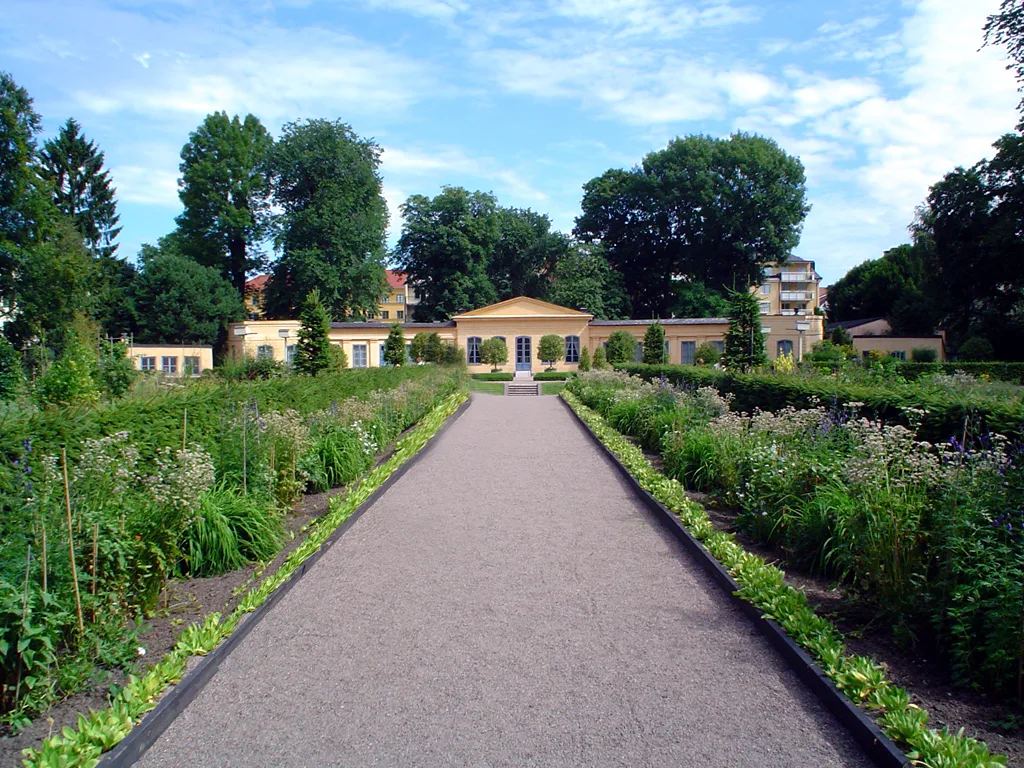
The beds are laid out geometrically rather than as a modern landscape park, so the interest is in the planting pattern and the plant names rather than in long views. That makes it a place to read labels and look closely, not to stride through. The university runs it as a working historic garden, which is why the layout matters more than seasonal flower displays.

Where it is and how to get there
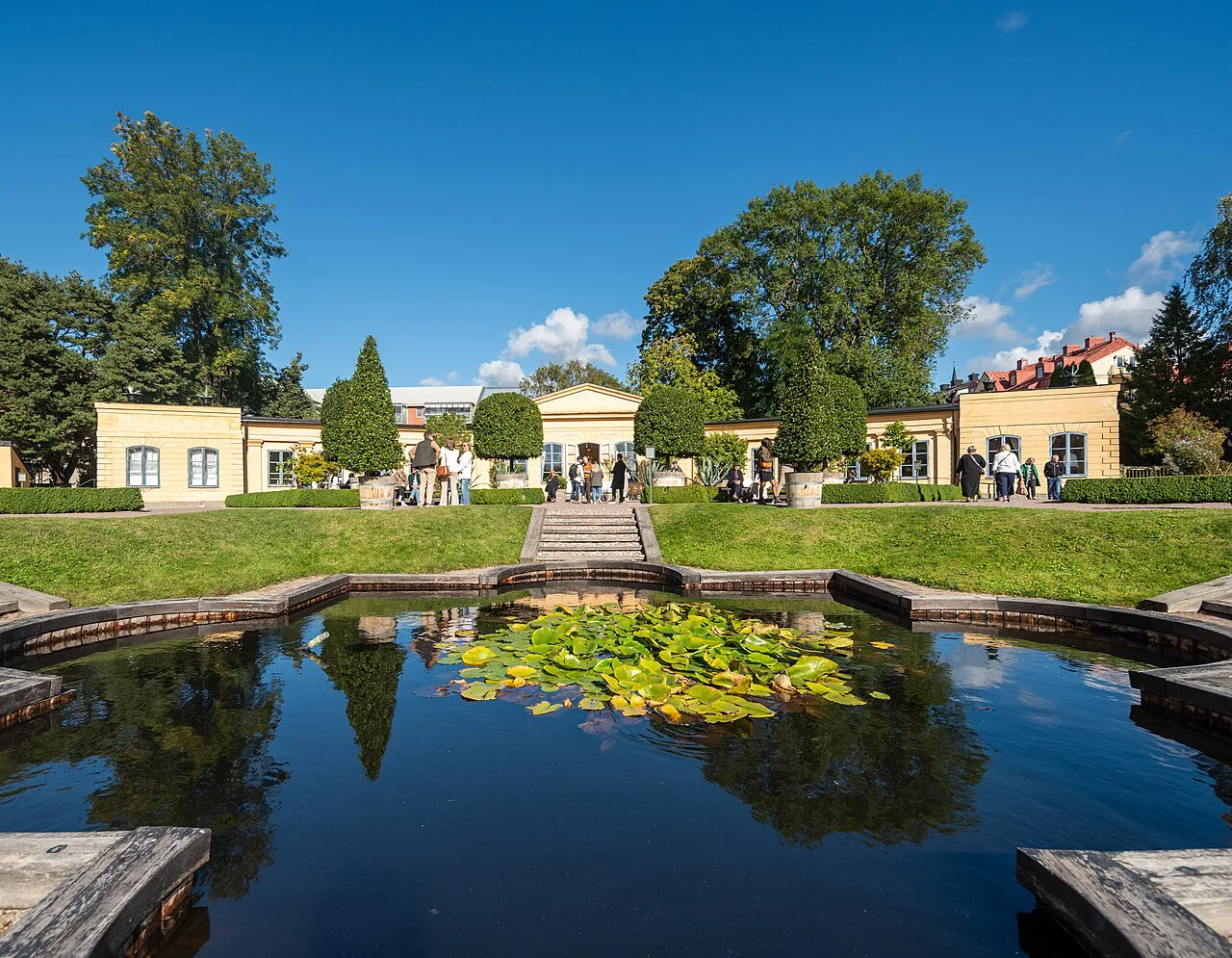
The garden sits at Svartbäcksgatan 27 B in central Uppsala, a short walk north of the river through the streets behind the main university buildings. If you are working out how the sights fit together, the Uppsala Attractions: 13 Visitor Guides page covers the other sights in the same compact centre, most of them within walking distance of the garden gate. Booked groups use the separate entrance at Svartbäcksgatan 27 A, so groups should head for that door rather than the public one.
Arriving on foot is the sensible approach, because the garden is close to the shops and university buildings on Svartbäcksgatan and the walk from the river takes only a few minutes. Give the gate a moment: the garden is screened from the street by its fence and hedge, so the entrance is easy to miss if you are watching the shopfronts.

When it is open
Uppsala University publishes the public season as 14 May to 13 September, and groups can book visits from 1 May to 30 September. Outside those dates the garden is a closed site rather than a place you can wander in, and the university now lists it as closed for the season and reopening to booked groups in May 2027. The Linnémuseum has its own rhythm: booked groups can visit throughout the year.
The museum also opens to the general public on Museidagen on 8 November and over the first weekend of December, 5 to 6 December. The university page lists free entry for the Museidagen open house, with last admission at 15.45.
The practical consequence is that a visit needs to sit inside the summer window unless you are with a booked group. If your Uppsala days fall outside it, plan the garden as a walk-past and put the Linnémuseum on your list for the November or December open days instead.
What to see in the garden
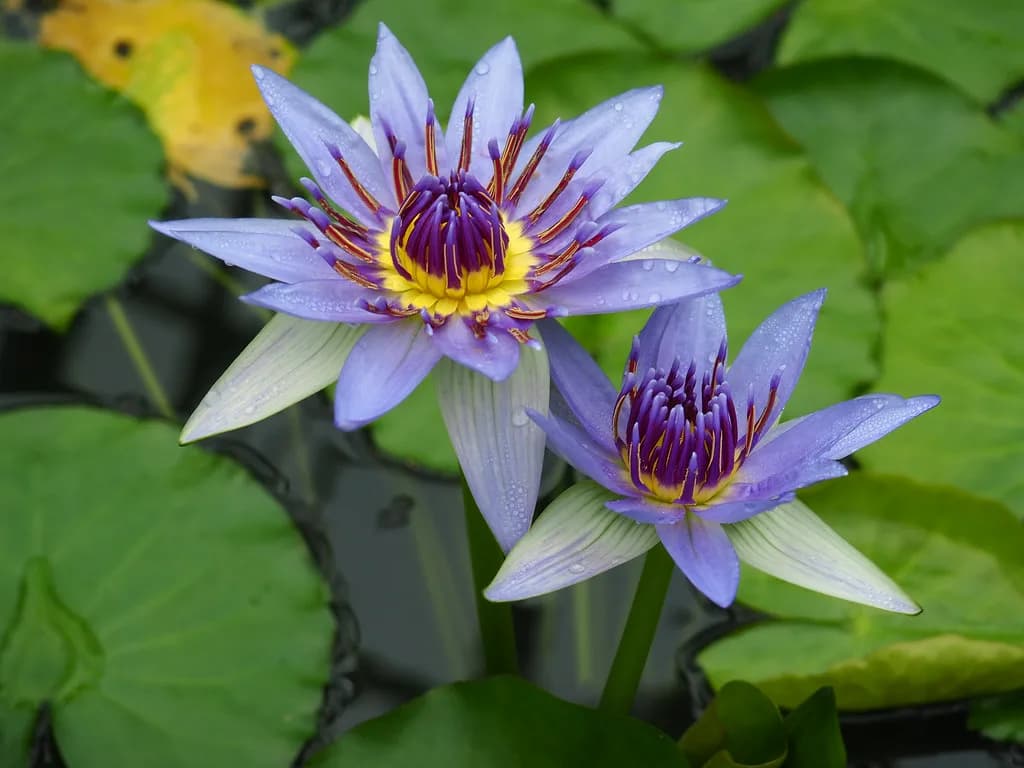
The beds and hedges follow Linné's sexual system, grouping plants by their reproductive parts, and the university describes the plot as an oasis in the city, shielded from the traffic noise. Alongside the formal beds there is wet ground and a pond, which widen the range of plants beyond the dry borders and give the garden its mix of order and damp, messy corners. Look for the labels: the pleasure here is matching the plant to the system, not admiring a grand design.
For a first circuit, walk the main paths in one loop, then return to the section that interests you most rather than trying to absorb all 1,000-plus species. Gardeners will want the beds with edible and medicinal plants, while travellers with less interest in botany can read a handful of labels and still get the point of the place.
The Linnémuseum in the professor's house
The Linnémuseum fills the professors' residence on the plot, with furniture and objects that stayed in the Linné family, so it shows the household behind the garden rather than a separate museum collection. Access is the complicated part: it opens to booked groups year round, and to everyone else only on Museidagen and the early-December open days rather than on ordinary summer days. If the house matters more to you than the beds, arrange a group booking rather than turning up and hoping.
The two parts work together: the garden explains what Linné studied and the house shows how he lived while doing it. That is why the museum's limited public access is worth planning around rather than treating as an optional extra.
How long to allow, and the honest trade-off
A quick circuit of the garden takes about half an hour and gives you the shape of the beds, the hedge lines and the pond. A slow visit with a plant list, plus time in the museum if you have access, comfortably fills an hour or more. The trade-off is real: a rushed walk-through mostly shows you a green enclosure, while the pleasure comes from reading labels and comparing sections.
If you are short of time in Uppsala, treat the garden as a quiet hour rather than a headline sight and pair it with something indoors. For a science-minded visit, Gustavianum, Uppsala University's museum, covers the university's history and collections in the same central area.
Nearby Linnaeus and university sights
Uppsala University's Botanical Garden, Botaniska trädgården, is the larger modern garden with its own glasshouse and grounds, and it makes a useful contrast to the small historic plot. Linnés Hammarby, the Linnaeus estate outside the city, is the third Linnaeus site and works better as a separate outing than a stop on the same walk. Choosing between them comes down to time: the central garden needs minutes, the others need a half day.
Back in the centre, Carolina Rediviva, the Uppsala University Library, and the university main building are both close enough to combine with the garden in one afternoon. The Museum of Evolution Uppsala (Evolutionsmuseet) is the other natural-history stop if you are building a day around science.
Who this suits
Linnéträdgården suits gardeners, travellers curious about science history and anyone who needs a quiet hour between the cathedral and the shopping streets. It is less rewarding for children expecting a big glasshouse or a busy programme. Go for the planting and the labels rather than for a full day out.
Is the garden worth fitting into your Uppsala day?
Yes, if your Uppsala days fall between 14 May and 13 September and you can give it an unhurried hour. The public window is narrow and the museum's general-public access is limited to the open days, so a group booking or a walk-past is the honest alternative outside the season.
Explore more Uppsala guides
Frequently Asked Questions
Who was Carl Linnaeus?
Carl von Linné was the Uppsala botanist and professor whose system for classifying plants and animals shaped how naturalists named living things. Linnéträdgården is the garden where he worked, and the university still grows more than 1,000 species there arranged by his sexual system.