
Linnaeus' Hammarby: Carl Linnaeus' Country Estate Near Uppsala
Linnaeus' Hammarby is worth the trip from Uppsala if you want to see where Carl Linnaeus spent his summers, rather than only the city rooms where he worked. Allow roughly half a day for the bus journey, the estate and the garden, and treat the surrounding cultural reserve as a separate, free outing that stays open year-round. This guide covers where the estate sits, how to reach it, when the house museum opens, what a ticket costs and what to see inside and out.
Carl Linnaeus bought the small estate Hammarby in 1758 as a country retreat for his family. The museum describes it as 15 km southeast of Uppsala, and the summer house he built there dates from 1762. The result is one of Sweden's best-preserved 18th-century manors, with family belongings, art and plants that tie his private life to his scientific work.
What Linnaeus' Hammarby is and why it is worth the trip
Linnaeus' Hammarby is a historic house museum and country estate at Danmarks-Hammarby, run as part of Uppsala University's Linnaean gardens alongside the Linnaeus Garden and the Botanical Garden in the city. Linnaeus wanted a farm away from what he saw as the unhealthy environment of Uppsala, and the estate preserves the domestic side of a man usually encountered as a classifier and teacher.
The appeal is the authenticity of the setting: few Swedish manors retain such a complete 18th-century interior and garden. If your Uppsala plans already include the Linnaeus Garden, Hammarby adds the countryside half of the story and rewards the extra journey.

Where Linnaeus' Hammarby is
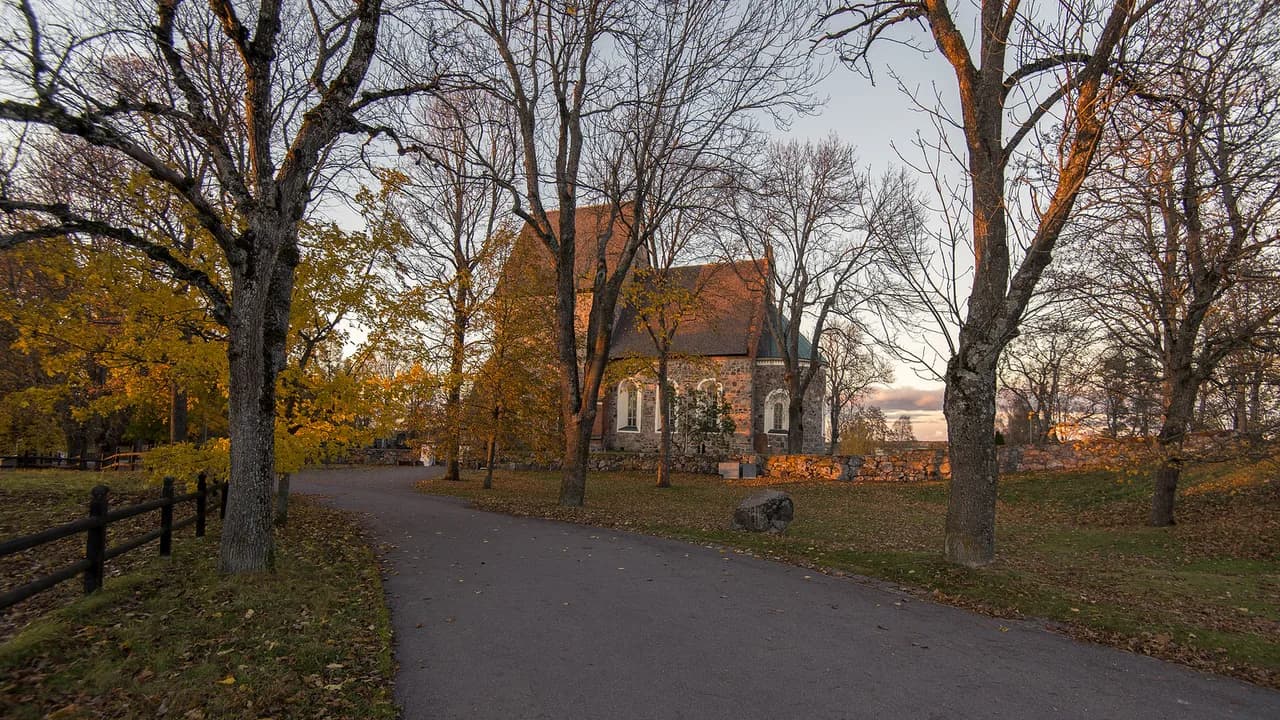
The estate lies in the Hammarby cultural reserve at Danmarks-Hammarby, about 15 km southeast of Uppsala, with the reserve open around the year. The address given for visitors is Linnés Hammarby, 75598 Uppsala, and the site sits in open countryside rather than in the city.
Because the estate is outside the city, it does not slot into a walk between Uppsala's central sights. Plan it as a dedicated excursion, and check the estate's travel directions before setting out if you are driving rather than taking the bus.

Opening season and hours
The museum and buildings open from May to September and are closed for the rest of the year, while the surrounding cultural reserve stays open year-round. Opening follows a monthly pattern rather than one fixed timetable: from 14 to 31 May and 1 to 21 June the estate opens Friday to Sunday, 11.00 to 17.00, and it closes on Midsummer's Eve.
From 23 June to 31 August it opens Tuesday to Sunday, 11.00 to 17.00, and from 1 to 20 September only at weekends, again 11.00 to 17.00. The gates to the garden and park close at 20.00, so a late afternoon arrival still leaves time for the grounds even after the house shuts.
In 2026 the West Wing is closed, so expect part of the interior to be out of bounds that year even when the rest of the house museum is open. The museum's own opening-times page carries the seasonal pattern, so check the day you intend to travel before setting out.
Tickets and the free cultural reserve
Admission to the house museum is 120 SEK for adults, and children aged 0 to 17 go free. Keep that ticket separate in your head from the cultural reserve, which has free admission and can be walked at any time of year.
A ticket buys the house and its collections rather than the wider landscape, so a free wander in the reserve is a sensible add-on if you arrive before opening or want to stretch the day after the museum closes. Pre-booked group tours run from 1 May to 30 September, which is worth knowing if you travel as a party rather than independently.
How to get there from Uppsala
The simplest public transport route is bus 102 from Uppsala Central Station, stop B2, getting off at Linnés Hammarbys vägskäl. From that stop it is a 1.7 km walk of about 20 minutes to the estate, so the journey has a real walking component at the end.
Factor that final walk into both ends of the day and wear shoes that suit a country path, particularly if the ground is wet. If you are combining Hammarby with a morning in central Uppsala, the bus plus walk eats into the time you have in the city, so start early rather than squeezing it in at the end.
What to see in the house museum
Inside, the 1762 summer house presents the family's household items, clothing and art, with a permanent exhibition telling the story of their life on the estate. The rooms reflect both Linnaeus' private domestic world and his scientific work, which is what distinguishes Hammarby from a straightforward period manor.
Give the interior around an hour, and rather more if you read the exhibition panels closely. The scale is domestic rather than palatial, so the house itself does not demand a long stop, which is why the garden and reserve carry the rest of the visit.
The garden, park and cultural reserve
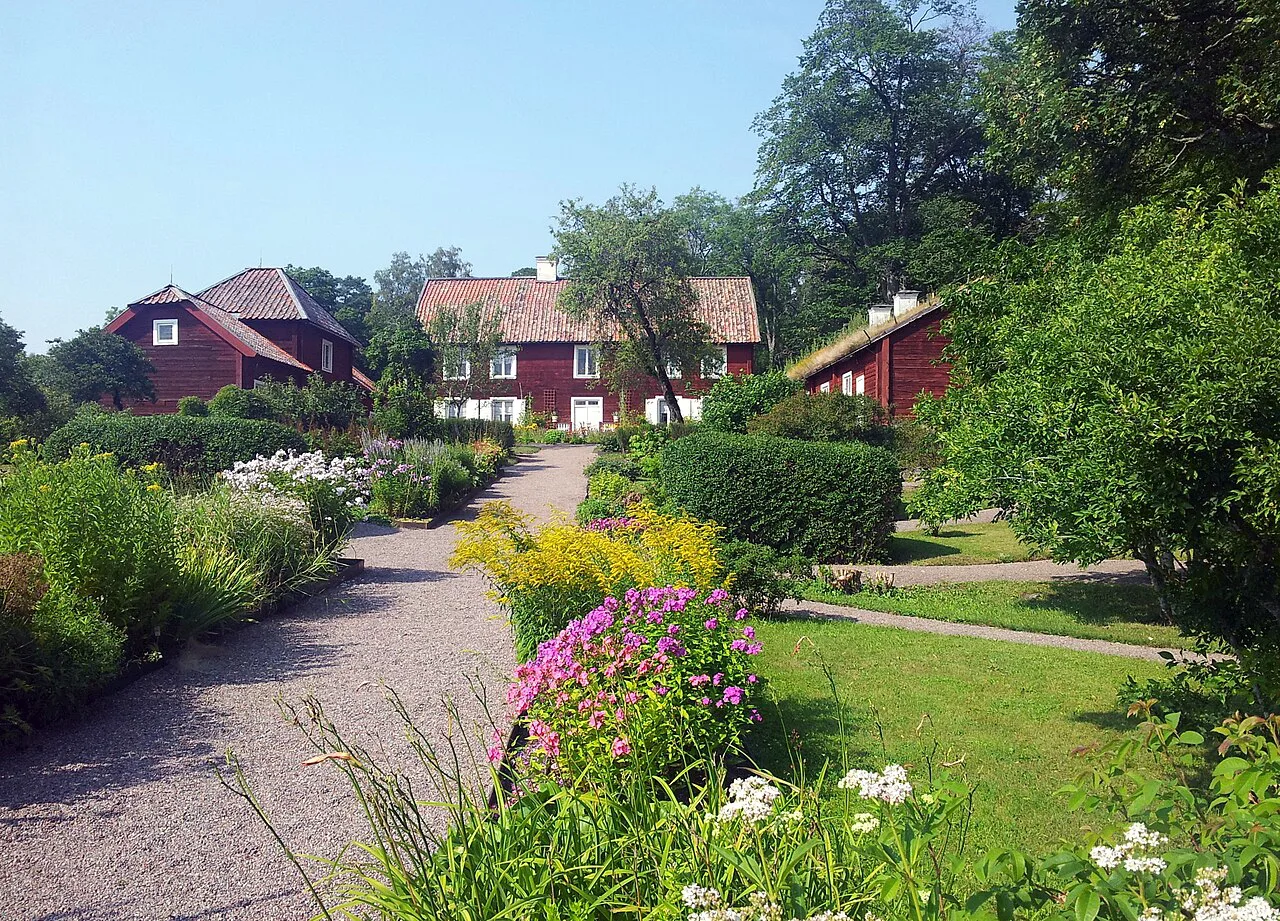
The park holds the world's largest living collection of Linnaean plants, and many specimens Linnaeus himself cultivated still grow there. This makes the garden a destination in its own right rather than decoration around the house, and it rewards a slow loop with attention to labels.
Beyond the garden, the surrounding cultural reserve has several nature and heritage trails and stays open year-round with free entry. Even outside the museum season, you can walk the reserve, though the buildings and café will be shut.
Café Sara Lisa
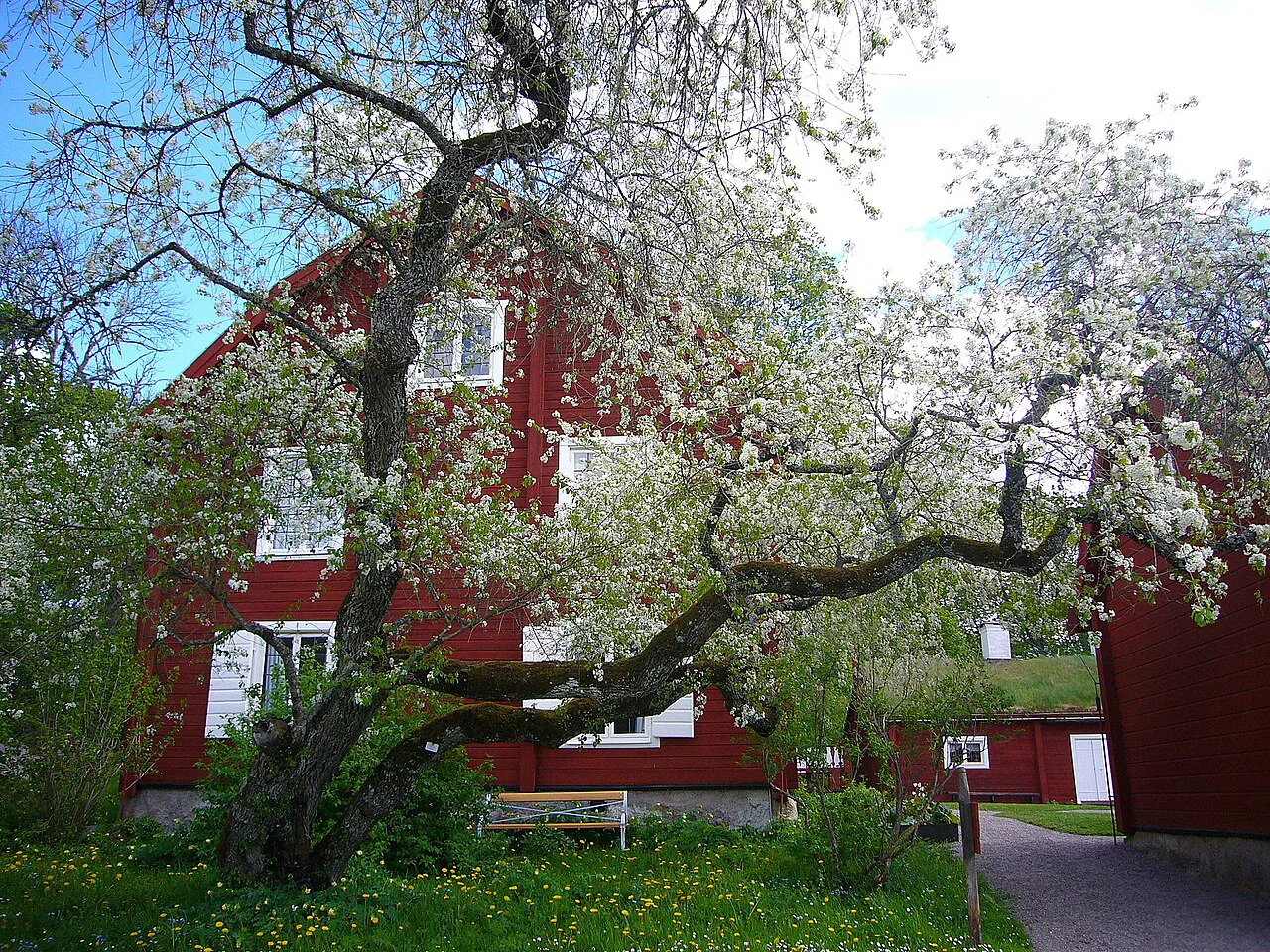
Café Sara Lisa sits among the apple trees on the estate and serves meals and home-made pastries made with organic, locally sourced ingredients. It is open through September, with Tuesday to Sunday opening in June to August and weekends only in September.
In May and the first half of June, the cafe's opening follows the estate's Friday-to-Sunday pattern, so a weekday visit early in the season is a poor bet for lunch. Groups can arrange visits in advance by email, which suits a coach party better than turning up and hoping for a table.
How much time to allow
Count on half a day door to door from Uppsala: roughly 45 minutes each way including the walk from the bus stop, an hour in the house and an hour in the garden and reserve. Add café time if you are eating there, and plan around the 20.00 gate closing rather than the 17.00 museum closing if you want a long walk.
If your Uppsala break is only two days, Hammarby works best on a morning when the house opens at 11.00, leaving the afternoon for the city centre. Travel on a day the house is open if the interiors matter to you; in May, June and September that means choosing your dates carefully.
Nearby Linnaeus sights in Uppsala
The Linnaeus Garden in central Uppsala is the obvious pairing, since it was Linnaeus' working garden and shares the same university administration as Hammarby. Linnéstigarna, the Linnaeus trails, and Linnés Sävja extend the theme if you have a third day in the city.
Back in town, the university collections round out a Linnaeus-focused day, from the anatomy theatre and cabinet of curiosities at the university's older buildings to the botanical garden's baroque beds.
Is Linnaeus' Hammarby worth the half-day?
Yes, if you care about Linnaeus as a person and a gardener rather than only as a name on a plaque. The preserved house, the plants he cultivated and the free reserve make a coherent half-day, and the bus plus short walk keeps the trip cheap.
Skip it if your Uppsala time is one packed day focused on the cathedral and the castle hill, because the round trip takes a real bite out of it. If you do go, build the visit around the Tuesday-to-Sunday summer window and keep the 1.7 km walk from the bus stop in mind when planning your return.
Explore more Uppsala guides
Frequently Asked Questions
Was Carl Linnaeus Swedish?
Yes. Carl Linnaeus was Swedish, and he taught at Uppsala University, which now administers his former home at Hammarby as part of its Linnaean gardens. That is why the estate sits in the Uppsala countryside rather than in a major city.
Which Swedish university did Carl Linnaeus teach at?
Uppsala University. Its Linnaean gardens today include the Linnaeus Garden in the city, the Botanical Garden and Linnaeus' Hammarby, and the estate's visitor information is published by the university.
Who is a famous Swedish botanist?
Carl Linnaeus is the best known, and Linnaeus' Hammarby is where you can see his summer house, family belongings and the plants he cultivated. The Linnaeus Garden in central Uppsala covers his working life.