Best Time to Visit Gothenburg: A Season-by-Season Guide
When to visit Gothenburg, season by season: typical temperatures, daylight, crowds, events and what is open, so you can pick the months that suit your city break.
On this page
The best time to visit Gothenburg is late spring to early autumn, roughly May to September, when the days are long and the city's waterfront, parks and car-free islands are at their most usable. Late spring and summer are the easiest seasons to love, with the sea reaching swim-friendly temperatures in July and August. This guide takes each part of the year in turn and shows how it shapes a one-to-four-day break, from first light in February to the cosy indoor season.
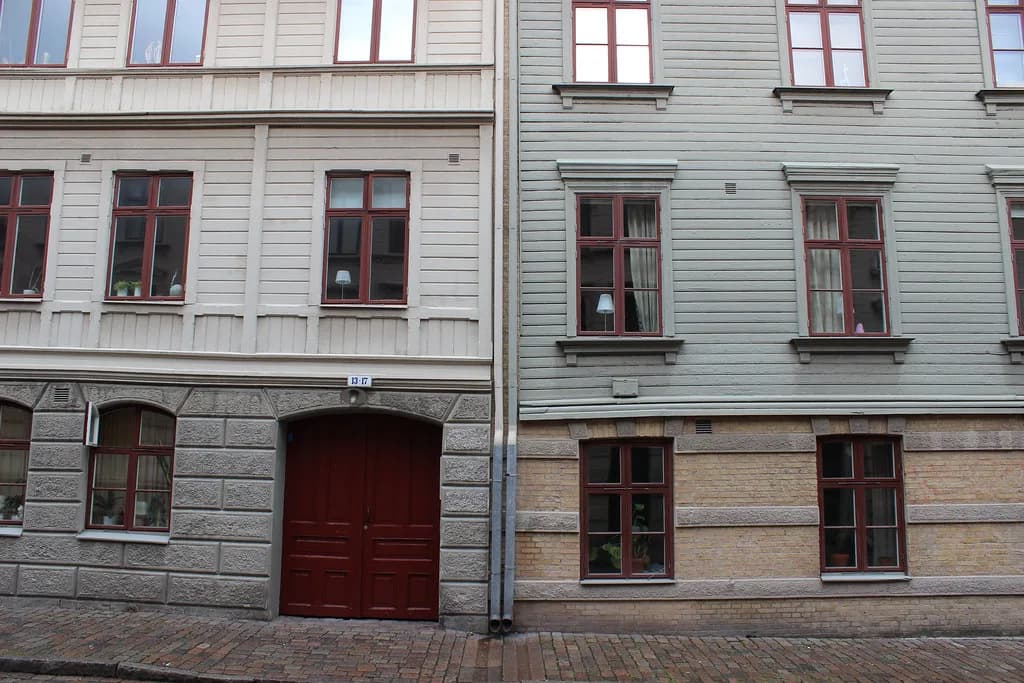
Gothenburg is Sweden's second city, spread around a walkable centre with the old Haga neighbourhood, the harbour and a boat-accessible archipelago on its doorstep. Weather figures here are typical climate averages, not forecasts, so treat them as packing guidance rather than a promise for your dates. The bigger swing factors are daylight, public holidays and which sights you can cover on foot.
Gothenburg through the year at a glance: light, temperatures, crowds
Gothenburg sits on the west coast, and the Gulf Stream keeps winter temperatures moderate for the latitude: February rarely drops below minus two degrees, while July averages around 21°C. Sunny summer days can push the air to 30°C, which is warm enough to make shade and water breaks part of your walking plan rather than an afterthought. Spring climbs progressively, with a daytime average near 5°C in March and around 16°C by May.
Daylength does more to shape a city break than temperature. Swedish summer is defined by bright late evenings that make al fresco dinners and after-sight walks practical, while winter days close in early and push you towards indoor culture. The summer season is also busier with visitors, so the trade-off is simple: more light and atmosphere in exchange for more company.
If you are weighing Gothenburg against other Swedish cities, this season-by-season logic works across the country; the best time to visit Sweden for a city break follows much the same pattern of light and holiday timing. For a sense of what deserves your days once you have picked a month, browse the Gothenburg attractions guides and build a shortlist around daylight.
Spring in Gothenburg: March to May
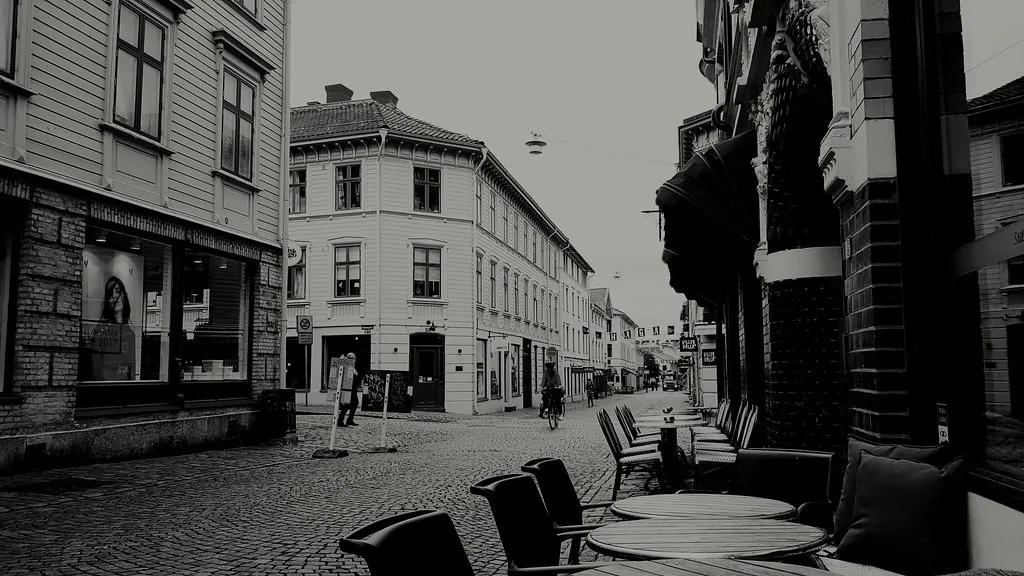
Spring in Gothenburg is less about warmth than about light returning. In late February and March the days lengthen, temperatures rise and locals take every chance to sit outside facing the sun, even wrapped in blankets that restaurants often provide. The season's pleasure is the contrast: crisp air, blooming beds and a city that feels like it is waking up.
May is the sweet spot of the season, mild and bright with the city visibly anticipating summer. The Gothenburg Botanical Garden is one of the places where spring shows itself most clearly, and it fits neatly into a morning before a longer walk. For a full picture of that month, our guide to Gothenburg in April covers how the earlier weeks behave, from park colour to what is running.
Spring's fixed date is Walpurgis Night on 30 April, when the public celebration brings bonfires, concerts and speeches, with Slottsskogen one of several places to join it. Bonfires are a west-coast tradition, so coastal villages and islands mark the evening too. Plan that night as an outdoor evening rather than a museum day, and expect the park to be busy.
From 1 April the al fresco season opens under local regulations, and open-air cafés and beer gardens appear around the city from that date. It is a fixed marker for the year's shape, though a cold snap can still make a terrace seat a short one. If sitting outside matters to you, aim your days after early April and keep a park or indoor sight as a fallback.
Summer in Gothenburg: June to August
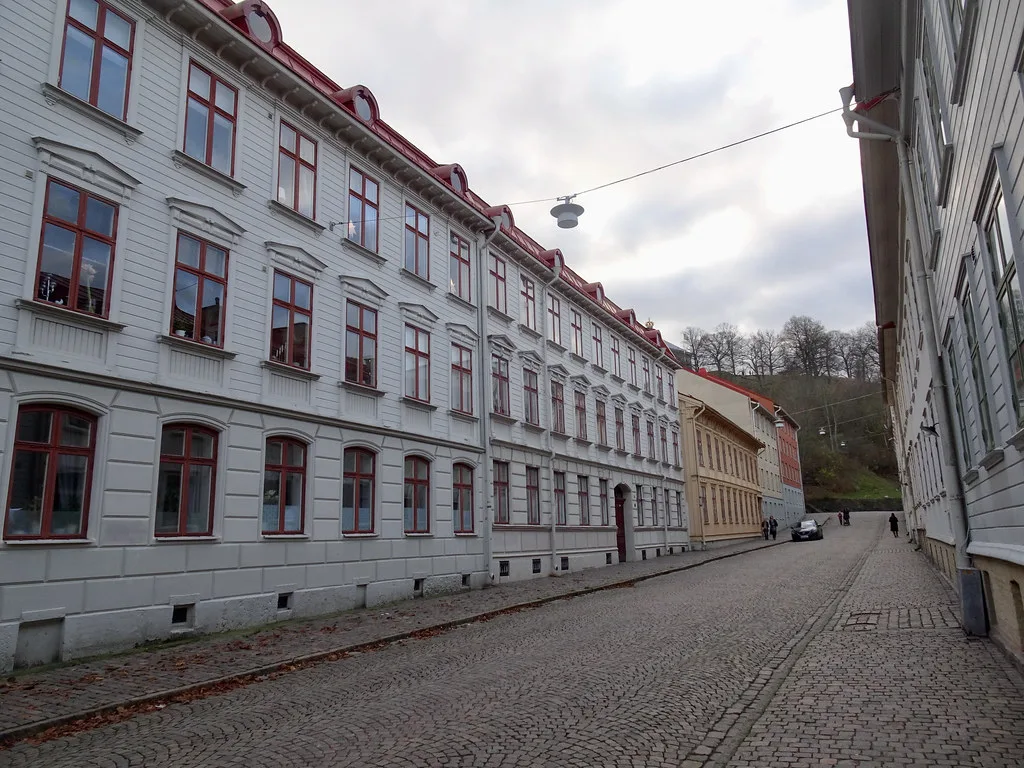
Summer is the classic window: seemingly endless days, late light and a city that eats outside. The sea reaches swim-friendly temperatures especially in July and August, and the archipelago's car-free islands, beaches and boat rides become the natural day out. This is also high season, so the trade-off is crowds against the best conditions of the year.
Midsummer falls on a Friday around 20 June, and the city centre is likely to be rather quiet over that weekend as locals head for the archipelago or celebrate in parks. The typical dinner is pickled herring and fresh potatoes, followed by strawberries and cream, with maypoles and folk dancing part of the public events. Slottsskogen is one park to check for a public celebration.
The practical response is to reorder rather than cancel days: if your break lands on that weekend, give the quiet centre to a long walk and put the archipelago trip where you would have planned a museum. Our guide to Midsummer in Gothenburg sets out what the holiday involves, so you can decide whether to join in or move your days around it.
Most locals take an annual vacation of four or even five weeks between mid-June and mid-August, which colours how the city feels in high summer. That said, the long evenings make it the best time for staying out late over outdoor concerts and festivals. For a deeper look at the season, our Gothenburg in Summer guide covers how to fill long days around the waterfront and islands.
Autumn in Gothenburg: September to November
Autumn turns the city yellow and red, brings crisp air and returns locals to routine. Rain is part of the deal, but the answer is indoor: theatre, opera, music and a peak season for exhibitions in the city's galleries and museums. If you prefer your city break built around culture rather than terraces, this is a strong window.
The season also brings a Swedish custom worth building into an afternoon: fika, meaning sitting down for coffee and something sweet, classically black coffee and a cinnamon bun. Cooler autumn days make that pause feel less like a break and more like the point. Gothenburg is also known for shellfish, which the cold water is said to improve.
September still holds onto usable light and mild air, which makes it a good compromise month for walking the centre and taking a boat out. By October the city shifts decisively indoors. Our Gothenburg in October guide covers the middle of the season and how to balance short days with indoor sights.
Winter in Gothenburg: December to February
Winter is the cosy season: dark afternoons, café stops and a culture calendar that carries the days. The city is at its quietest in visitor terms, which suits anyone who wants museums and galleries without summer queues. The trade-off is limited daylight, so a one-to-four-day plan should lean on indoor sights and a compact walking route rather than long excursions.
February is milder than the latitude suggests, rarely falling below minus two degrees, and it is also when the returning light starts to show. If you want winter atmosphere without deep cold, the back end of the season is the safer bet. Keep the archipelago for a future trip and treat the city centre as the whole itinerary.
For what is running in this stretch, check the Gothenburg events calendar before you fix dates, since holiday customs are spread across the year and many celebrations centre on food. Planning around a specific event is often a better use of a short break than chasing a temperature.
What the seasons mean for your 1–4 day plan
In summer, a four-day break can hold a city-centre walking day, a full archipelago day and two flexible days for parks and neighbourhoods, because the long evenings let you keep going after dinner. The city's central neighbourhoods of Haga and the old town reward slow wandering, so leave slack rather than booking every hour.
In spring and autumn, two or three days is realistic if you accept that one day will be shaped by weather: build in an indoor anchor such as a museum or gallery and let the walking fill the rest. Winter compresses things further, so choose one compact route and one indoor cluster. Across seasons, group sights by neighbourhood to cut time in transit.
If your dates fall at the shoulder of a season, the neighbouring city follows a similar pattern; our best time to visit Malmö guide uses the same light-and-holiday logic for a shorter break. Whichever month you pick, remember Sweden is largely cashless, so a card and a phone wallet cover most payments.
Which month should you book?
Book late May to early September if outdoor days, the archipelago and long evenings are the point of the trip, accepting higher visitor numbers alongside the best conditions. Choose late February to April if you want the returning light and fewer crowds, or September to November if museum and gallery exhibitions will carry your days.
Either way, check the holiday calendar before you lock dates, because Midsummer and Walpurgis Night reshape the city more than a couple of degrees will. Two or three well-grouped days often beat four scattered ones.
Explore more Gothenburg guides
Frequently Asked Questions
How many days do you need in Gothenburg?
Two or three days cover the walkable centre, Haga and one island or waterfront outing, while four days let you add a full archipelago day in summer without rushing. In winter, plan two compact days around indoor sights rather than a full outdoor itinerary.
Is Gothenburg cheap or expensive?
Treat Gothenburg as a mid-to-high cost Swedish city and budget accordingly, since prices change. Sweden is largely cashless, so a card and a phone wallet cover most spending, and you should confirm current prices for any ticketed sight before booking.
Is Gothenburg worth visiting?
Yes, if you want a walkable coastal city with a compact centre, nearby car-free islands and a strong indoor culture calendar for the colder months. The best season depends on whether you prioritise long summer light or quiet winter museum days.
Sources
Notes for your next Swedish city break
Optional updates to our Sweden guides.
You might also like

Continue reading
More guides you'll find useful