Best Time to Visit Sweden for a City Break: A Season Guide
The best months for a Swedish city break hinge on daylight, rain and crowds. See how spring, summer, autumn and winter compare for Stockholm and Gothenburg.
On this page
June is the best month for most Swedish city breaks, because it pairs the year's longest days with mild summer weather, so a two- or three-day trip can stretch from morning to late evening on foot. If you would rather dodge peak-season crowds, May and September are the sensible alternatives, each offering decent light and lower demand. This guide compares the seasons for a one-to-four-day break in Stockholm and Gothenburg, judging each on daylight, rain, warmth and crowds rather than on beach weather.
Sweden's latitude is the single biggest planning factor: daylight swings from a few hours in midwinter to nearly all night around Midsummer. For a city break, that gap matters more than temperature, because it decides how much you can see on foot before dark. Spring brings Sweden's lowest rainfall, which makes it a strong candidate for walking-heavy itineraries.
Which months suit a Swedish city break best
For a short city break, aim for June for maximum light, or May and early September for a better balance of light, comfort and breathing room. July is warm and busy, and Midsummer falls in late June, when cities can empty out as locals head for the countryside, so check what is open before you commit to those dates. April and October can work well if you accept shorter afternoons and pack for changeable weather.
Spring stands out in Sweden because it is the season with the lowest rainfall, which is welcome news if you plan to spend your days walking between neighbourhoods rather than sheltering indoors. That makes April and May a practical choice for city sightseeing, even though the evenings are cooler than in high summer. If your trip falls in April, a dedicated look at Sweden in April covers what the month offers a city-break visitor.
Summer is the obvious choice for a first visit, and the travel industry broadly treats it as the peak Scandinavian window, with endless days encouraging long walks. The trade-off is straightforward: the light is unbeatable, but you share the main sights with more people.
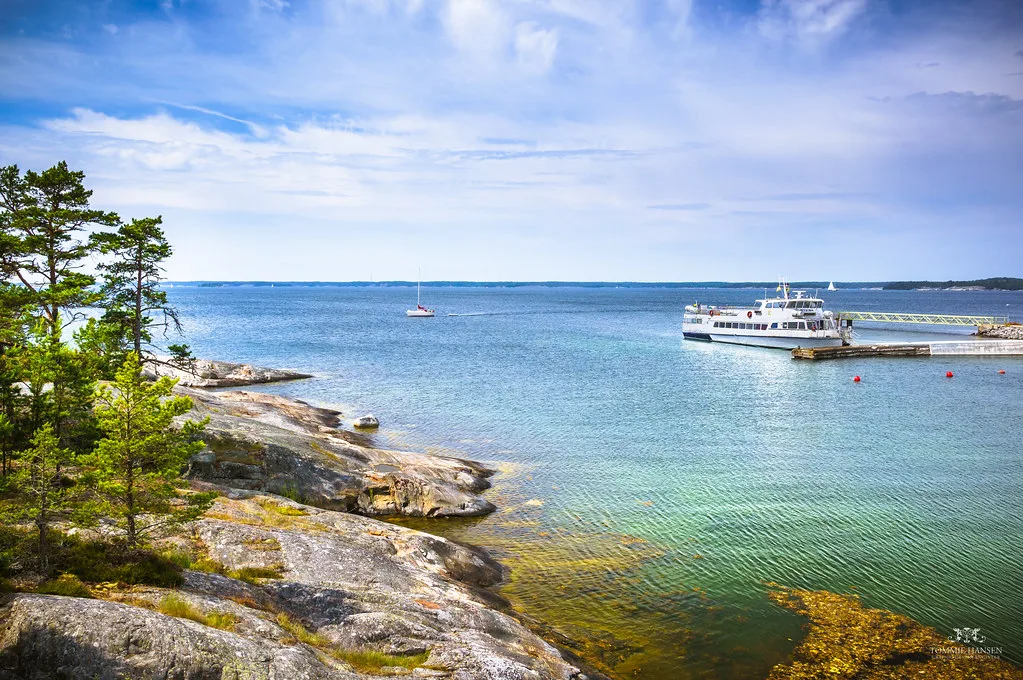
Sweden in spring: longer days, fewer crowds
Spring in Sweden is a gradual affair: April brings noticeably longer afternoons, and May is often the sweet spot for a city break. Fewer visitors mean more space at the big sights and easier walk-up decisions about how to spend a day.
How many days in Sweden is enough for a city break? Two to three days covers the core sights of Stockholm or Gothenburg at a comfortable pace, and four days lets you add a waterfront wander or a slower neighbourhood. In June the long evenings effectively give you extra sightseeing time each day, while winter compresses what fits into daylight hours.
Can you wear jeans in Sweden? Yes, jeans are normal everyday wear in Swedish cities, though in winter you will want warm layers underneath or a waterproof outer layer on wet days. Summer is mild rather than hot, so light jeans and a jacket are a practical combination for sightseeing.
Gothenburg suits spring particularly well, with growing daylight making its neoclassical centre and city trails pleasant to explore on foot or by bike. If you are weighing the west coast against the capital, read a dedicated guide to the best time to visit Gothenburg for the seasonal detail that differs from Stockholm.
Pack layers and a waterproof rather than heavy winter kit, and plan the outdoor stretches for the middle of the day when it is warmest. Spring rain is comparatively light in Sweden compared with other seasons, but it is sensible to keep a compact umbrella or waterproof jacket to hand.
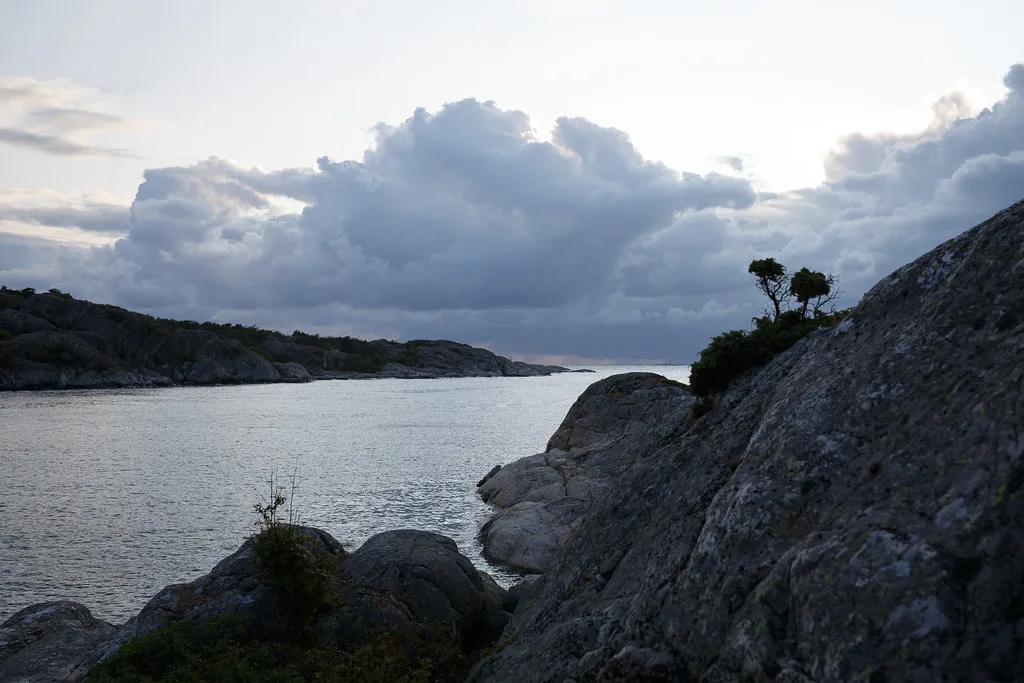
Sweden in summer: the longest days of the year
Summer is when Sweden's long days become a real sightseeing asset: with daylight stretching deep into the evening, a three-day break can comfortably include a morning in Gamla Stan, an afternoon on the water and a late stroll without ever feeling rushed.
July is warm and busy, and Midsummer falls in late June, a public holiday period when cities can empty out as locals head for the countryside. That can mean quieter streets but also reduced activity, so check what is open before you commit to those dates.
June gives you most of the light with a slightly calmer atmosphere than July, which is why it often wins for a first city break. If your dates are fixed on high summer, a dedicated look at Sweden in August helps you judge how the season tails off.
Daytime temperatures in summer are comfortable rather than hot, so the main packing decision is a light waterproof for showers rather than heavy sun gear. The long evenings are the real reason to choose summer, not the heat.
Sweden in autumn: colour, rain and shorter days
Autumn begins with September, which keeps much of summer's light while shedding the peak crowds, making it a strong shoulder-season pick for a city break. The countryside turns gold, and the archipelago and waterfronts are still pleasant to walk in good weather.
By October, the afternoons shorten noticeably and the weather turns more changeable, so build indoor anchors into each day and save the outdoor sights for midday. A general read of Sweden in autumn helps you see how quickly the season shifts month to month.
For a short late-autumn break, October still works if you set expectations around shorter daylight and rain, and plan around galleries, cafés and covered markets. Check Sweden in October for the practical detail of a city trip at that point in the year.
Sweden in winter: short days and cold temperatures
Winter in Sweden is cold, dark and quiet in the cities, with very short daylight hours that compress what you can do outdoors. That makes it better suited to museums, galleries and atmospheric streetscapes than to ambitious walking itineraries.
Snow is a feature of the Swedish winter, and the north of the country sees the most of it, though southern cities can also get snow and ice. If a white cityscape is the draw, treat it as a bonus rather than a guarantee and build flexibility into your plans.
If you want aurora viewing, that is a northern-Sweden trip rather than a city break, and it is worth planning separately from a Stockholm or Gothenburg visit. For a short southern break, accept the early dusk and treat bright shops and cafés as part of the experience.
How daylight changes across the year
Sweden's position far north means its day length varies enormously: Midsummer brings near-endless light, while midwinter leaves only a few daylight hours. For sightseeing on foot, that gap is the most important planning factor of all.
In practice, a summer day gives you a full morning, afternoon and long evening outdoors, while a winter day is best planned as one main outdoor block bracketed by indoor stops. That single difference explains why the same itinerary feels packed in June and rushed in December.
Spring is when daylight grows fastest, so an April visit is noticeably brighter at the end of the month than at the start. May is a safe bet for anyone who wants long afternoons without the peak-season crush.
Crowds and cost by season
Expect the busiest streets and the highest demand in summer, especially around July, so a city break in that window rewards planning ahead. Shoulder months such as May and September usually give you more choice and a calmer pace.
A largely cashless Sweden means cards and mobile payments cover almost everything, so a small amount of cash is usually enough. Rather than banking on a quietest month, compare the specific dates you want against your preferred sights and how much daylight you will have.
If saving matters, weigh a spring or early-autumn date against a July one and check what each gives you in daylight and open attractions. The busiest dates are not automatically the most worthwhile ones for a short break.
Gothenburg and the west coast versus Stockholm by season
Stockholm concentrates its main sights on islands and waterfronts, which makes long summer days especially useful for walking between Gamla Stan, the surrounding districts and the water. Gothenburg, on the west coast, has a more exposed maritime climate with its own character through the seasons, and a dedicated guide to Sweden in May sets out what late spring brings to the cities.
In spring and summer, Gothenburg's neoclassical streets and city trails make it a rewarding place to explore on foot, and the west coast has its own seasonal character. For a detailed seasonal comparison of the two cities, read the best time to visit Gothenburg alongside the Stockholm advice here.
If a southern city appeals, Malmö's waterside redevelopment and central squares give it a very different feel, and it is worth checking the best time to visit Malmö if you are choosing between Swedish cities.
Weather year round in Sweden: what to expect
Sweden has four clear seasons, with cold, dark winters and mild, bright summers, and spring is Sweden's season with the lowest rainfall. Treat any figures as typical averages rather than forecasts, and plan your days around the season you choose.
Summer temperatures are gentle rather than hot, so a light jacket is useful even in July, and the long days do more for your itinerary than the thermometer does. Winter demands proper cold-weather clothing, because the chill is the main constraint on time outdoors.
Which month should you book?
For a first city break, book June for the longest sightseeing days, or May and September if you want calmer streets and still-usable daylight. April and October suit travellers who accept shorter afternoons in exchange for fewer people.
Whichever month you choose, check what is open on the specific dates and confirm any timed tickets before you travel, since Swedish attractions adjust their schedules with the season. Once your dates are set, build each day around the available daylight.
Explore more Sweden guides
Frequently Asked Questions
How many days in Sweden is enough for a city break?
Two to three days covers the core sights of Stockholm or Gothenburg at a comfortable pace, and four days lets you add a waterfront wander or a slower neighbourhood. In June the long evenings effectively give you extra sightseeing time each day, while winter compresses what fits into daylight hours.
Can you wear jeans in Sweden?
Yes, jeans are normal everyday wear in Swedish cities, though in winter you will want warm layers underneath or a waterproof outer layer on wet days. Summer is mild rather than hot, so light jeans and a jacket are a practical combination for sightseeing.
Sources
Notes for your next Swedish city break
Optional updates to our Sweden guides.
You might also like
Continue reading
More guides you'll find useful